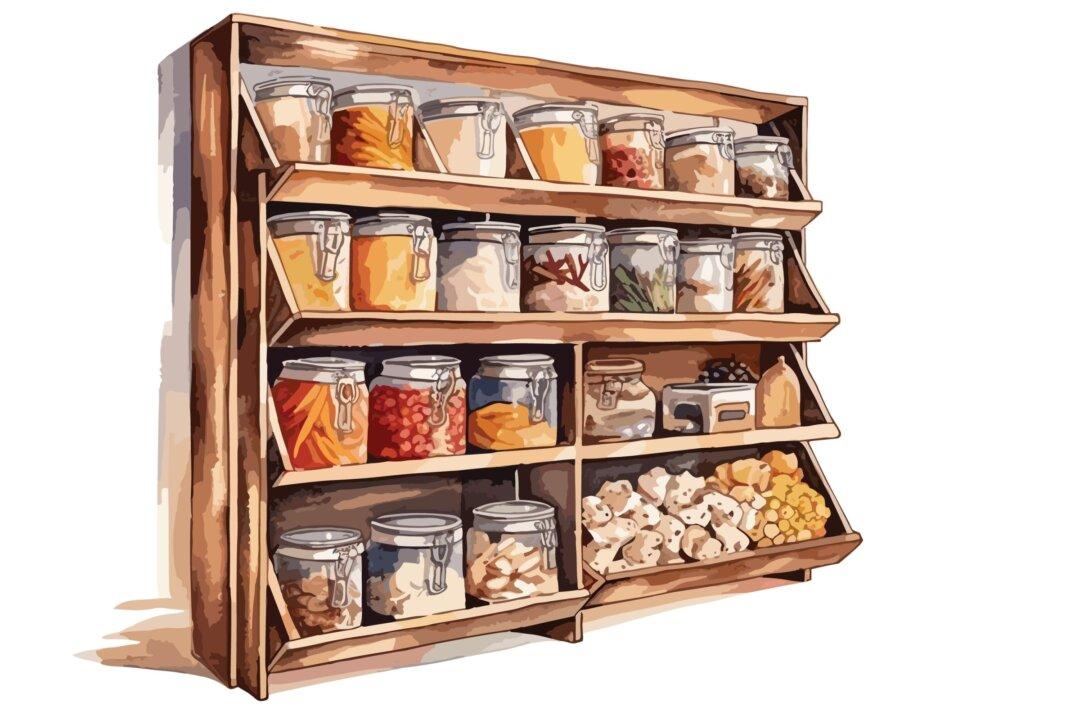
I am fond of wood, glass, wool, brass, and other natural materials. There is something so luxurious and honest about them in a world drowning in plastic.
Not that plastic doesn’t serve its uses. It’s cheap, easy to work with, and plentiful. We can use plastic to make everything from blankets to baking sheets. Its versatility has been enhanced with thousands of chemicals to give it attributes like flexibility, heat resistance, and structural integrity.
Unfortunately, plastic has become a plague of sorts. Among other things, it exposes us to chemicals that interfere with our hormones.

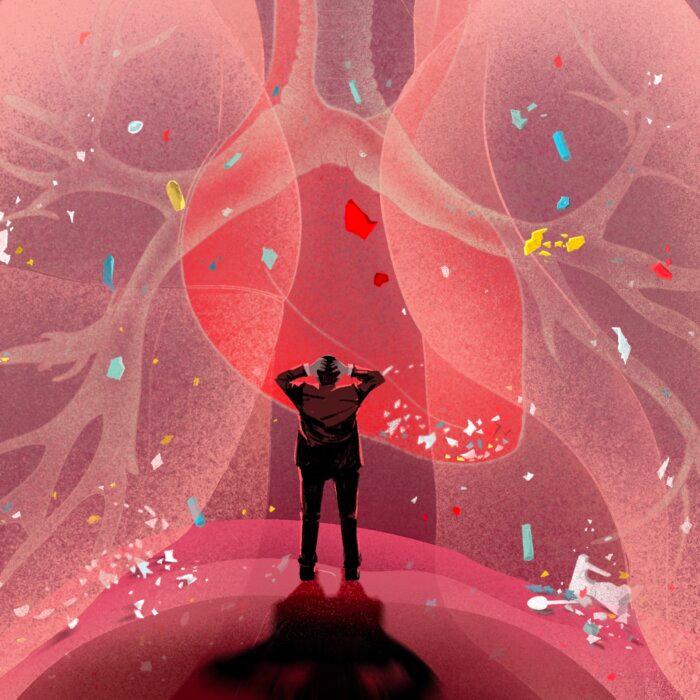
These people were 4.5 times more likely to have a heart attack, stroke, or die in the following three years that researchers monitored them.
We often buy things second-hand to get higher-quality items at a cheaper price, whether that be wool winter clothing or real-wood flooring. If we need something, I set a reminder on our local buy and sell website to alert me if it comes up for sale. I can include the materials I prefer: brass lamp, teak table, leather chair.
There is something of the time held in these better-made goods. Something authentic. They do more than hold their value, they hold something of the people of their era. People had fewer things back then, but better things. I cringe at the thought that people will buy particle board furniture with a plastic coating to make it look like wood while solid oak bedroom sets go to the dump because they are “dated.”
The benefits of our plastic floors (vinyl), blankets (microfiber), and cookware coatings (Teflon) are that they are convenient and cheap to buy, but they cost us as well.
As the things we cook with, sit on, wear, and fill our homes with become cheaper, more disposable, and unnatural, I worry we lose touch with the very idea of enduring quality and authenticity.