Proteins that linger up to a year following a COVID-19 infection link to low cortisol levels, which can lead to long-term neuroinflammation.
Tens of thousands of lives have been turned upside down by a long COVID symptom that shifts the sympathetic nervous system into overdrive.

“My Healing Journey” is a special series of stories written by people who found unconventional paths to wellness when they had nowhere else to turn.

Australian research finds that long COVID symptoms improved over time in their study cohort.
When they thought all options were exhausted, precision medicine provides new hope with treatments as unique as their symptoms.

Dr. Jordan Vaughn is a physician of internal medicine and the CEO of MedHelp Clinics. During the pandemic, he noticed a pattern of abnormal clotting.

Long COVID and its associated post-exertion malaise is a complex, debilitating syndrome. Careful movements can help restore muscle strength.

A compromised blood brain barrier allows harmful substances to enter the brain causing disorders of the central nervous system including brain fog.

‘It implies that there is something particularly sinister and ominous about COVID-19,’ Dr. Gerrard said.
A new observational study found cognitive deficits may last a year or more after having COVID-19.
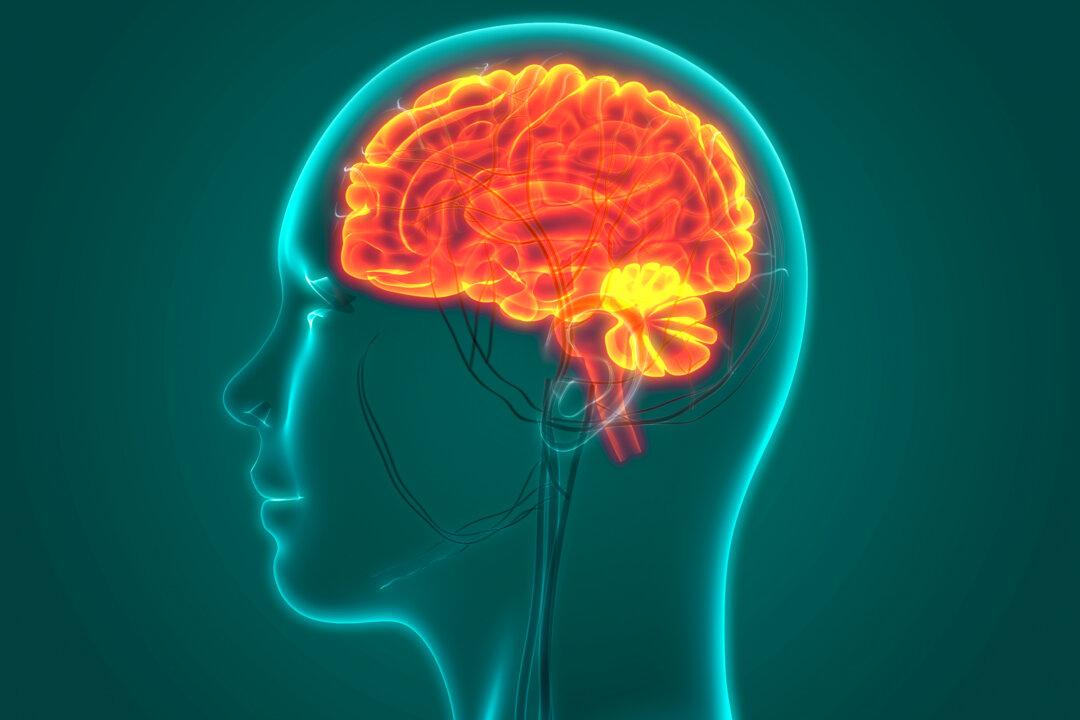
Iron removal from the bloodstream is a defense mechanism of the body during infection, but it can backfire.

More than 113,000 people were tested for the study published in The New England Journal of Medicine.

Mass vaccination and available antiviral treatments have not prevented vaccinated individuals from experiencing lingering COVID-19 symptoms.
‘I would be curious to know what questions they asked and what was the criteria that qualifies a person as having Long COVID."—Dr. Robin Foreman Rose

A new study suggests people who have recovered from COVID-19—even if they had mild cases—are at risk of future digestive diseases.

Three women affected by long COVID appealed to a Senate Committee on Thursday seeking more government support for the condition.

The research indicates indicates amantadine may treat persistent symptoms due to antiviral, anti-inflammatory, and dopamine effects.

Rapid onset of acute COVID-19 symptoms can cause key brain injury markers that even months later persist.

Researchers found little difference in outcomes between Paxlovid users and nonusers. They also found 1 in 5 users experienced rebound symptoms.
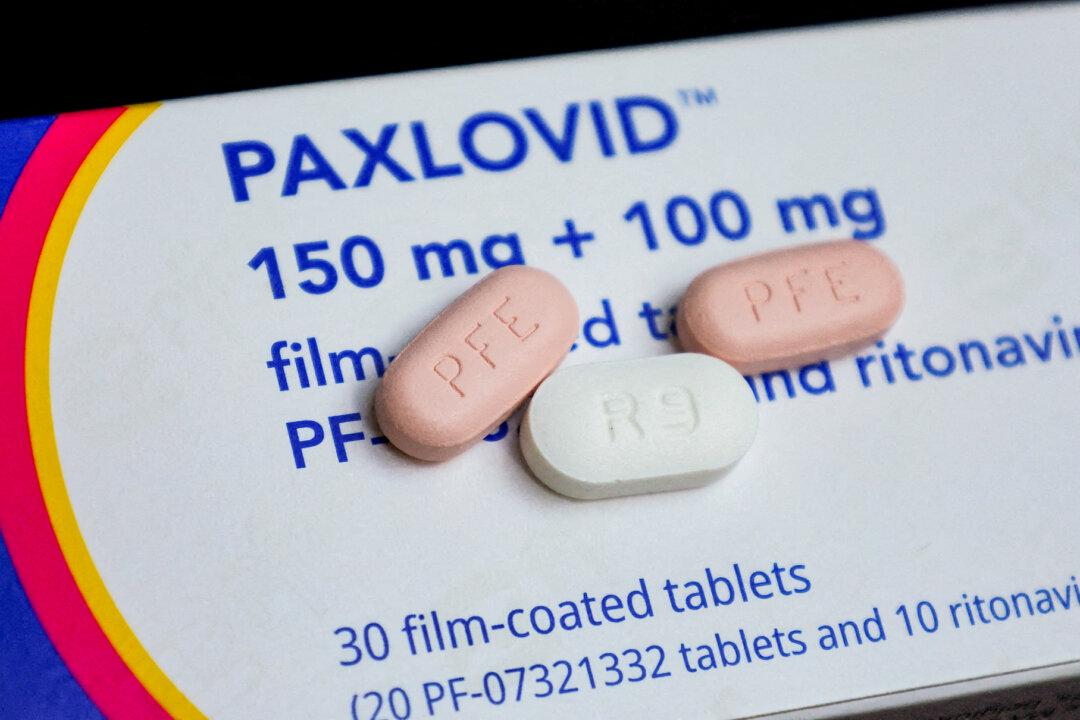
Proteins that linger up to a year following a COVID-19 infection link to low cortisol levels, which can lead to long-term neuroinflammation.
Tens of thousands of lives have been turned upside down by a long COVID symptom that shifts the sympathetic nervous system into overdrive.
“My Healing Journey” is a special series of stories written by people who found unconventional paths to wellness when they had nowhere else to turn.
Australian research finds that long COVID symptoms improved over time in their study cohort.
When they thought all options were exhausted, precision medicine provides new hope with treatments as unique as their symptoms.
Dr. Jordan Vaughn is a physician of internal medicine and the CEO of MedHelp Clinics. During the pandemic, he noticed a pattern of abnormal clotting.
Long COVID and its associated post-exertion malaise is a complex, debilitating syndrome. Careful movements can help restore muscle strength.
A compromised blood brain barrier allows harmful substances to enter the brain causing disorders of the central nervous system including brain fog.
‘It implies that there is something particularly sinister and ominous about COVID-19,’ Dr. Gerrard said.
A new observational study found cognitive deficits may last a year or more after having COVID-19.
Iron removal from the bloodstream is a defense mechanism of the body during infection, but it can backfire.
More than 113,000 people were tested for the study published in The New England Journal of Medicine.
Mass vaccination and available antiviral treatments have not prevented vaccinated individuals from experiencing lingering COVID-19 symptoms.
‘I would be curious to know what questions they asked and what was the criteria that qualifies a person as having Long COVID."—Dr. Robin Foreman Rose
A new study suggests people who have recovered from COVID-19—even if they had mild cases—are at risk of future digestive diseases.
Three women affected by long COVID appealed to a Senate Committee on Thursday seeking more government support for the condition.
The research indicates indicates amantadine may treat persistent symptoms due to antiviral, anti-inflammatory, and dopamine effects.
Rapid onset of acute COVID-19 symptoms can cause key brain injury markers that even months later persist.
Researchers found little difference in outcomes between Paxlovid users and nonusers. They also found 1 in 5 users experienced rebound symptoms.