What were the strengths of the man who travelled home for 20 years and defeated mythic monsters?

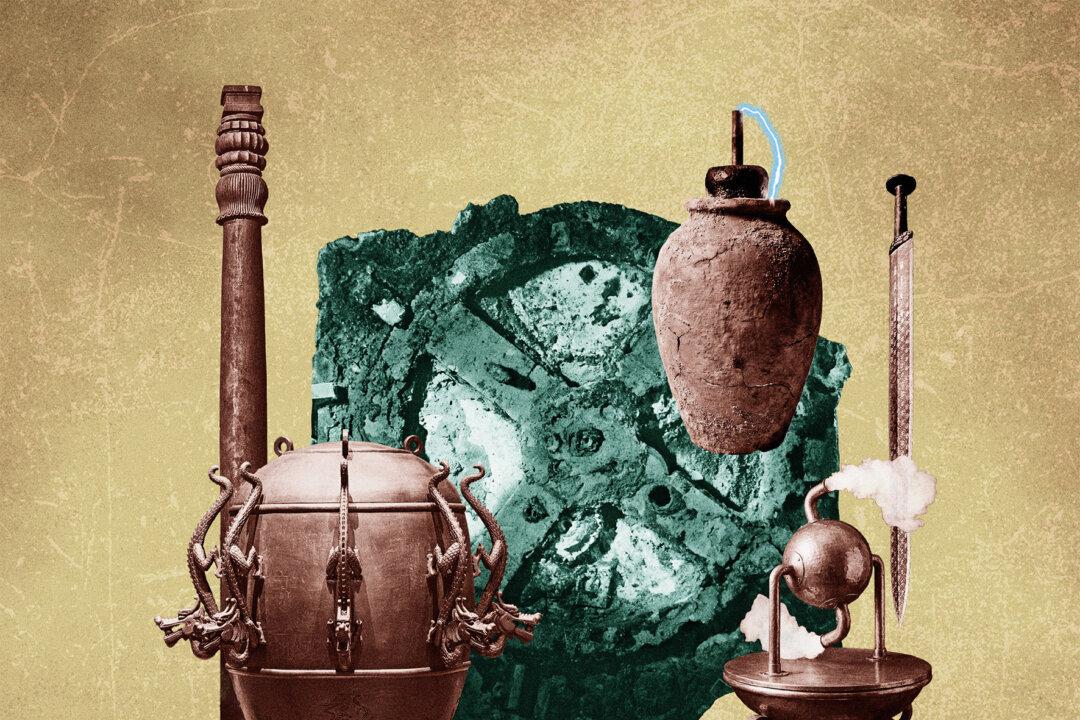
Earthquake monitoring, steam engines, surgery, and advanced materials: A journey through ancient inventions that were ahead of their time—and did not survive.
From a 1730s Philadelphia anecdote to modern lab experiments: How asking for a small favor flips the logic of give-and-take and fosters emotional connection.

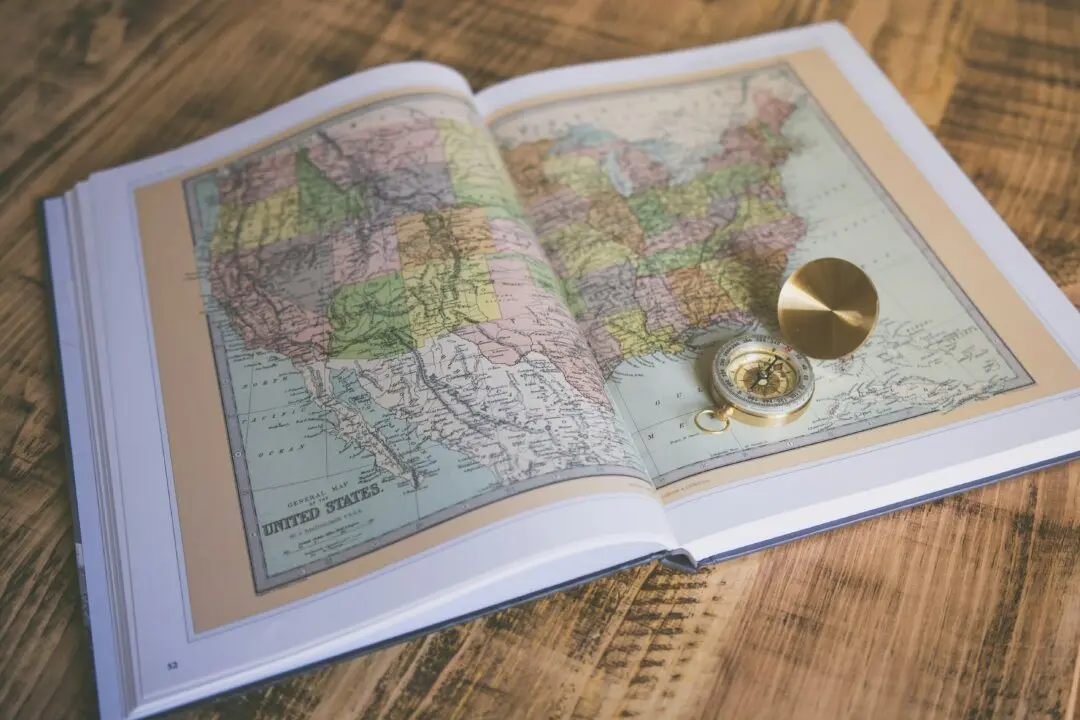
An education in Latin and Greek led the Founders to read ancient works that promoted liberty and virtue—the groundwork for the great American republic.

Nearly a century ago, Picard diagnosed a culture drifting away from depth, silence, and essence—with a striking clarity that still resonates powerfully today.

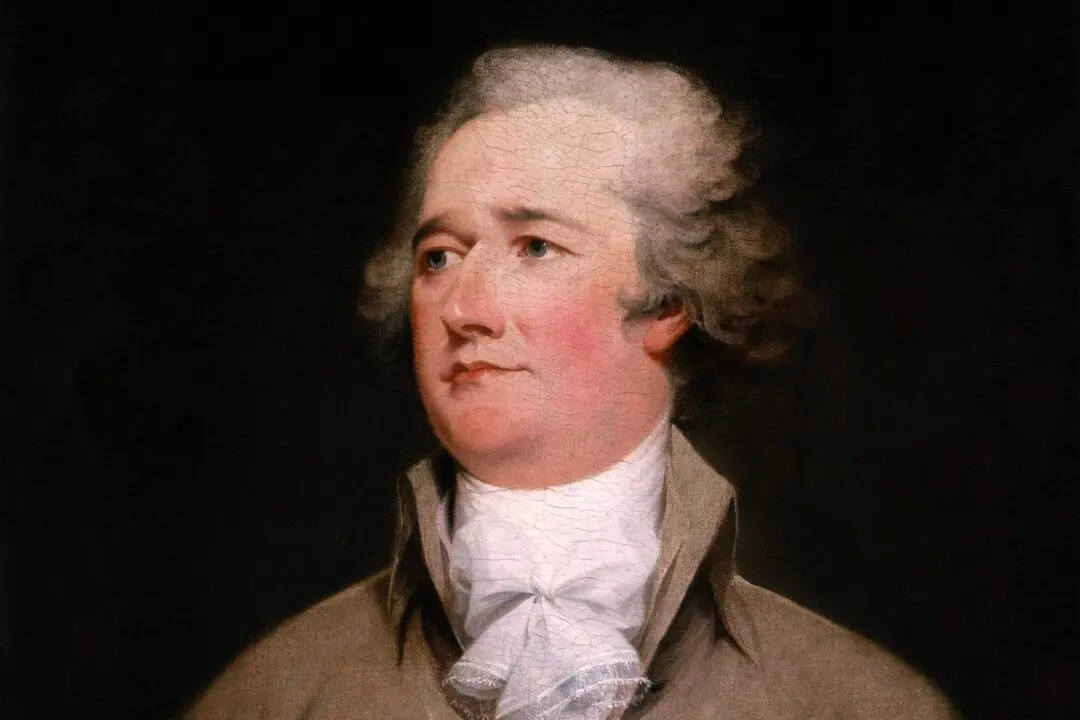
Despite their bitter parting, Hamilton and George Washington reconciled and became close allies, renewing one of the greatest alliances in American history.
From childhood voices and brain science to muses, prophets, and literary demons, history and science suggest our thoughts may not be as ‘ours’ as we believe.

Lisa Miller, a clinical psychologist whose spirituality research is published in top journals, shares how to make children more resilient to life’s challenges.

Studies show we can consciously control—and to some extent even forget—unwanted thoughts and memories.

Covering most of America’s history, here are 10 single-volume books discussing the most important eras in US history.
Timeless paradoxes—social media’s tolerance dilemma, democracy’s ‘inevitable’ decline, the search for universal beauty—continue to shape how we think and live.

Thinking of complaining? Think again. Philosophers have long shown why it’s wiser to see the good in others, even when they treat us badly.

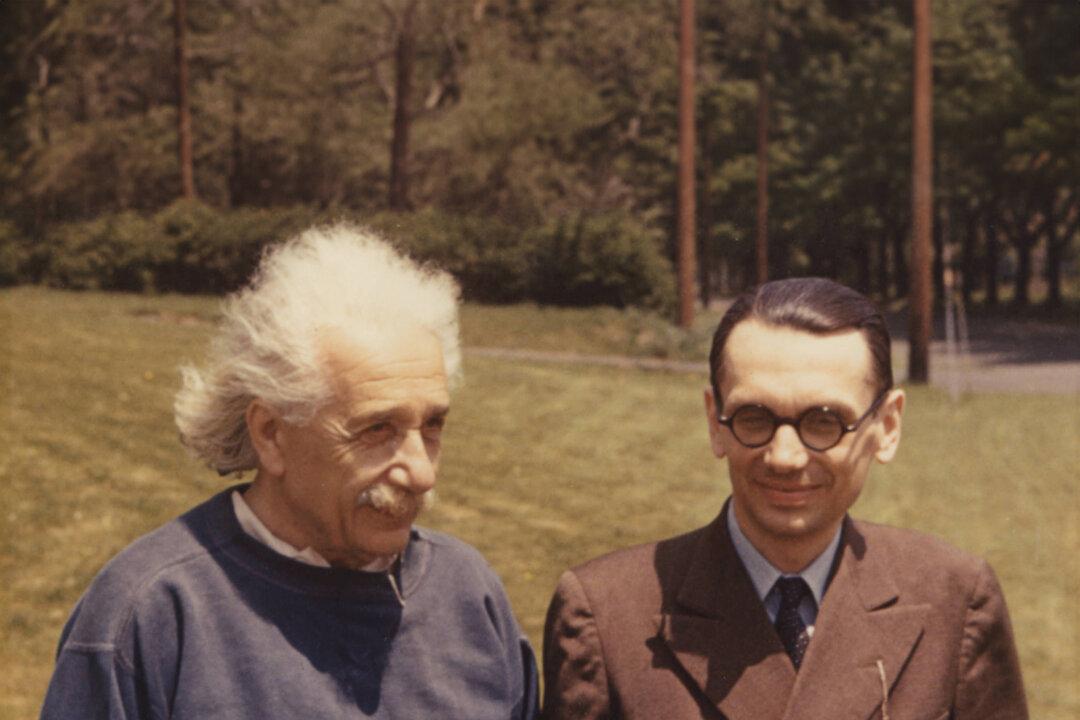
Renowned mathematician Kurt Godel believed the afterlife exists so we can deepen the learning process that begins in this world and reach our full potential.
Evil’s most reliable allies are not hatred or malice, but weakness, fear, and conformity—the silent forces authorities use to marshal obedience.

They are over 80, 90, and even 100, yet their minds are as sharp as those of people decades younger. Superagers challenge everything we assume about aging.

A series of U.S. Navy studies explores how heart–brain harmony can support peak performance under pressure.

Acknowledging mortality doesn’t just liberate us; it shapes our values. By recognizing death’s inevitability and learning not to fear it, we live fuller lives.

New archaeological evidence suggests humanity’s story might be far older than previously imagined.

Journalist Charles Duhigg set out on a journey to uncover the shared traits of people who are superb at communicating and connecting with others.
Dr. Jill Bolte Taylor says we can take control of our thoughts and emotions instead of letting them control us.