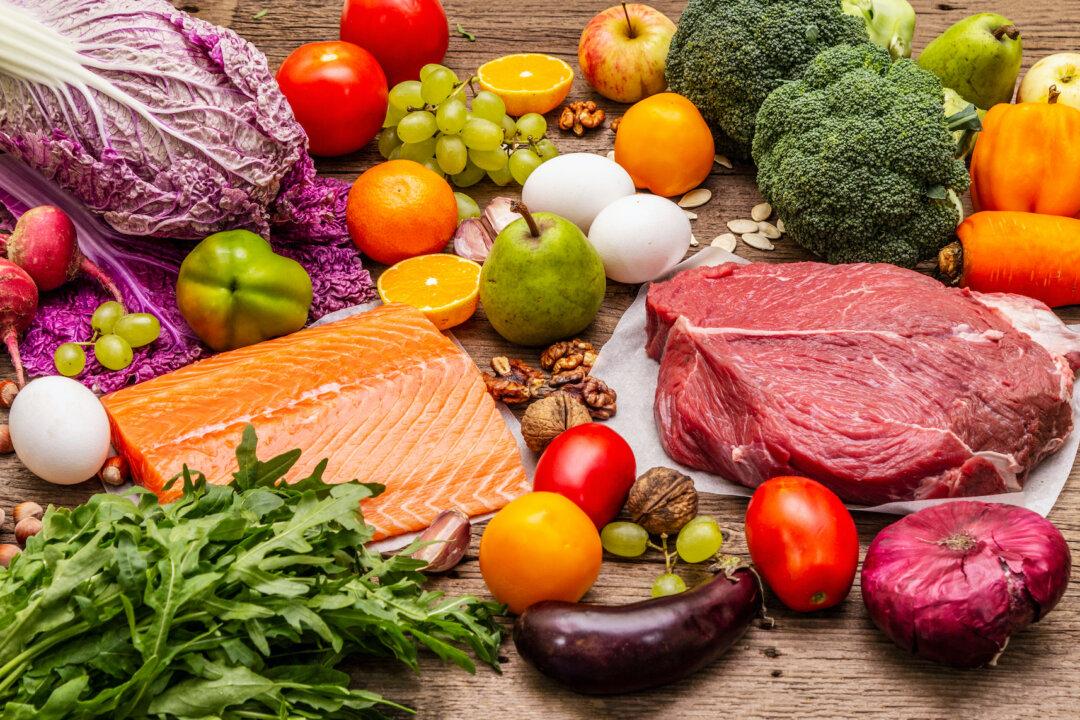
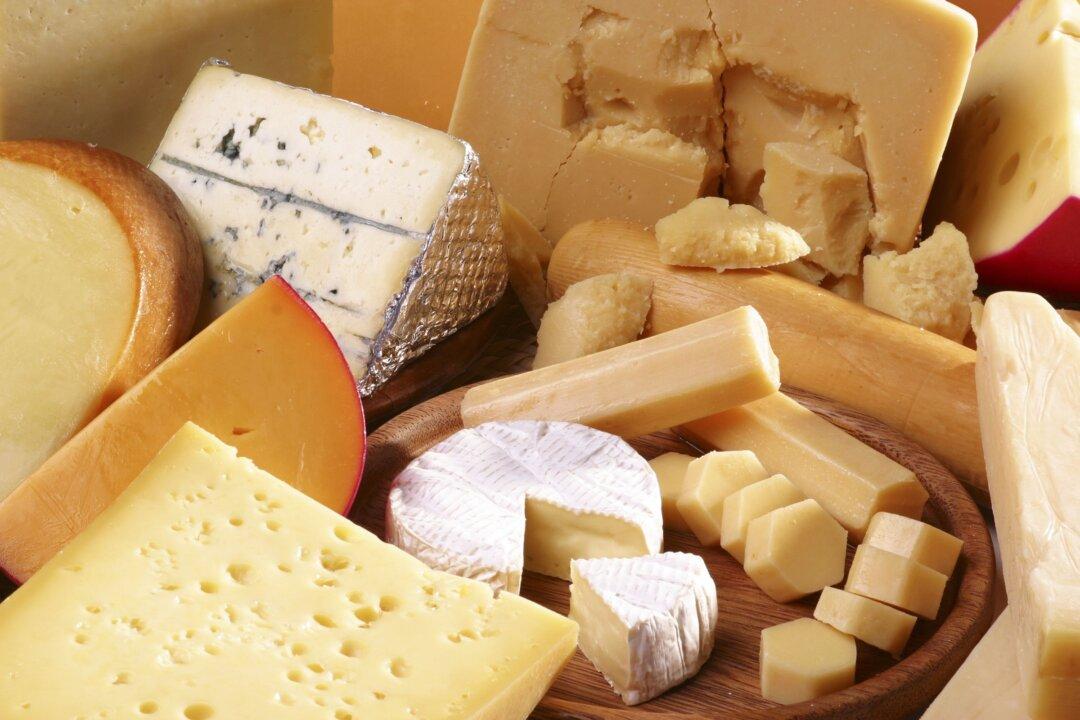
Real cheese, made from milk from cows that graze on green pastures, is loaded with nutrients and one of nature’s best providers of goodness for the body.
A new study adds to research showing the benefits of L. reuteri for improving social functioning in children with autism.

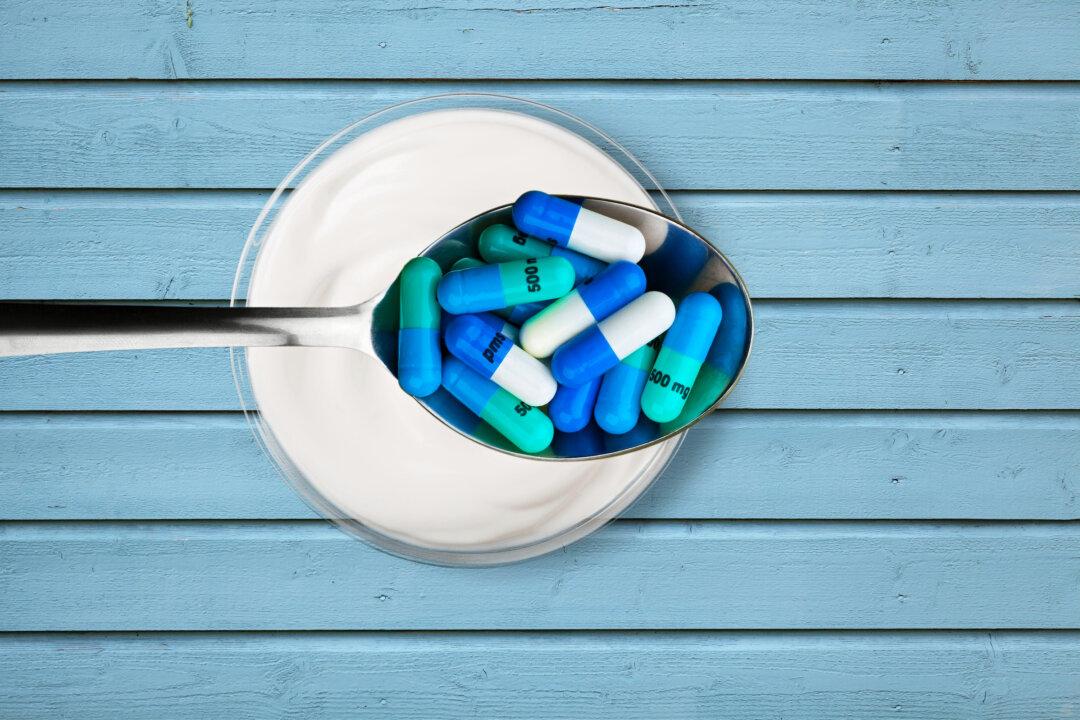
Probiotic use is largely misunderstood by consumers and even researchers. The result is that the various benefits of probiotics are often overstated.
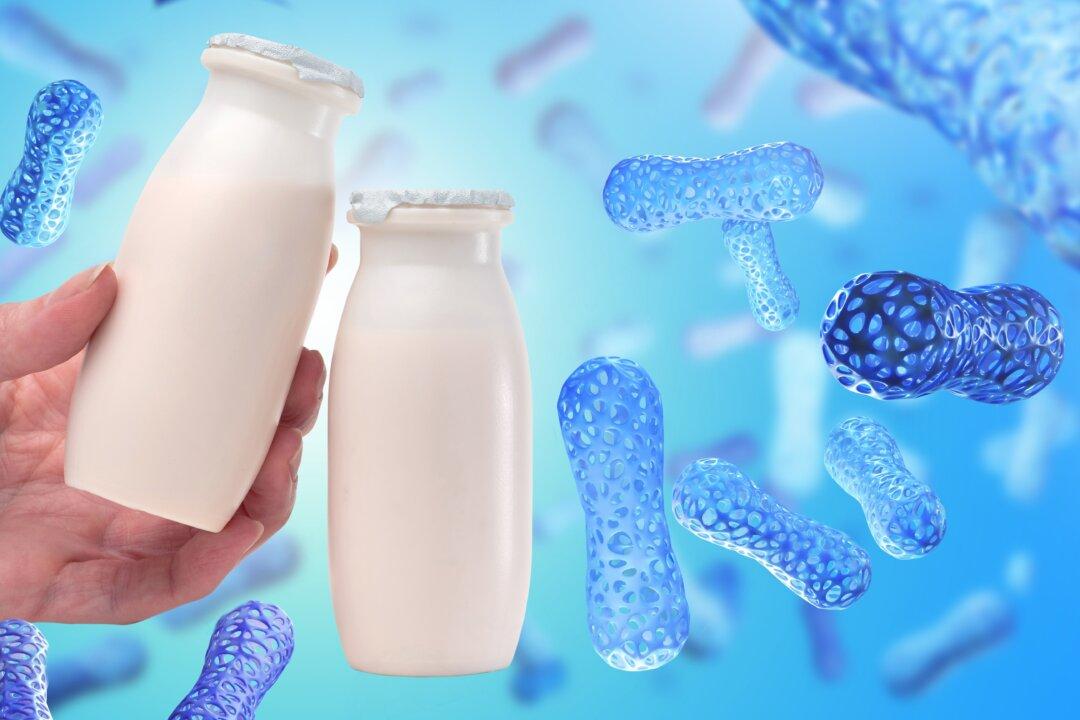
Two ancient practices tracing back to B.C. still thrive today—for both culinary enjoyment and health benefits.

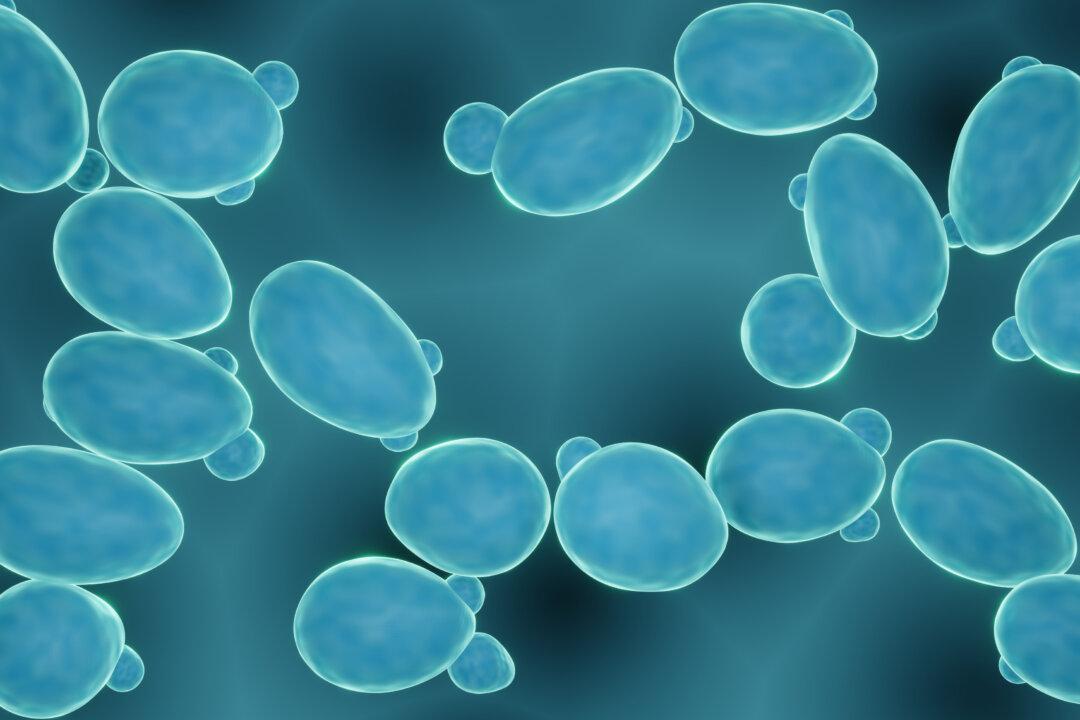
A small clinical trial shows big benefits for patients with multiple sclerosis who took Saccharomyces boulardii probiotic for four months.
The FDA issued a warning on probiotics for certain infants.

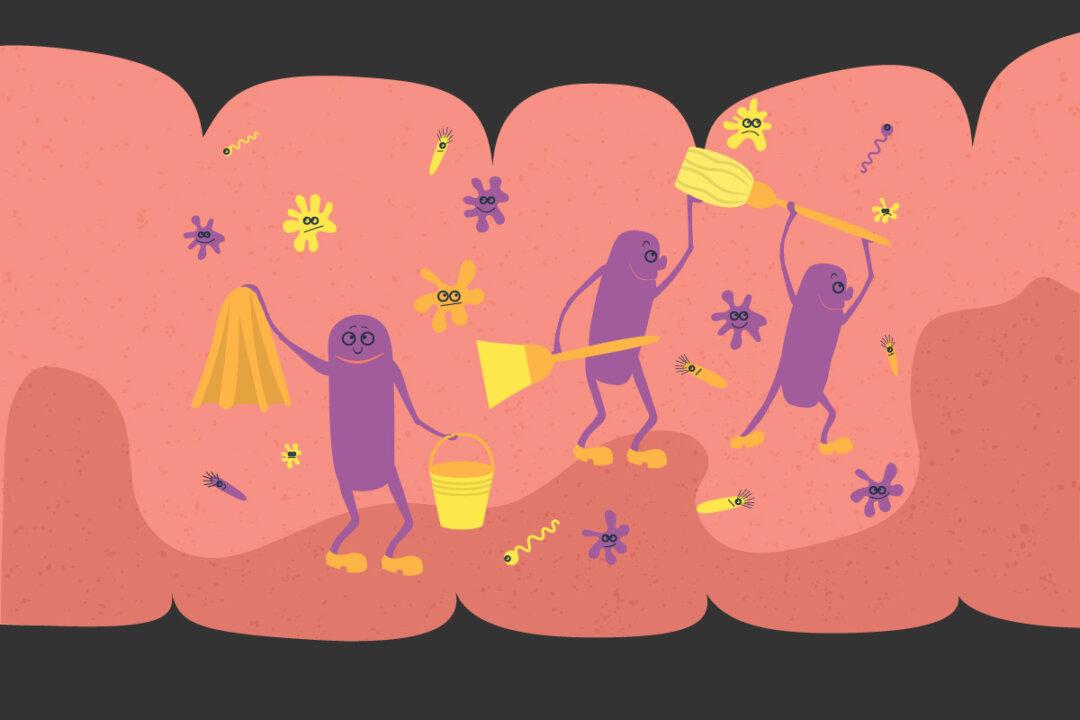
Probiotics can help maintain a balanced gut microbiota, but did you know that the foods you eat may be destroying your intestinal probiotics?

A turning point in research offers promise for easing anxiety and depression through the gut microbiome.

Experts often tout probiotics as knights in shining bottles when it comes to gut health. But too much of a good thing can turn hero to villain.
Dr. Steven Templeton is the author of “Fear of a Microbial Planet: How a Germophobic Safety Culture Makes Us Less Safe.”