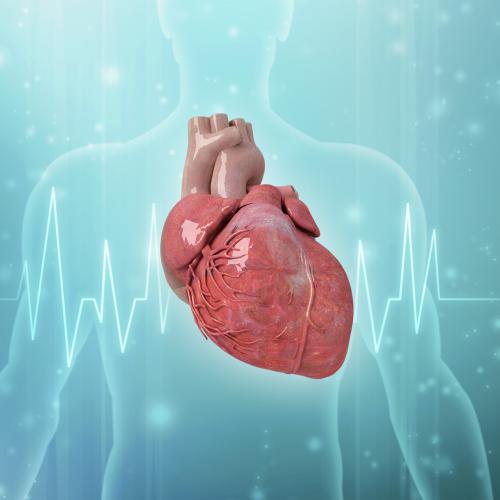
Learning to curb negative emotions, particularly anger, may reduce your risk of cardiovascular disease, stroke, and even cancer.

Recognizing what makes us angry may help us realign misplaced affections.

The technique helps to explain the cathartic nature of hakidashisara—a Japanese festival where one writes frustrations on plates and smashes them.

People recalling memories that made them feel angry for eight minutes had impaired blood vessel dilation for up to 40 minutes after doing so, a new study found.

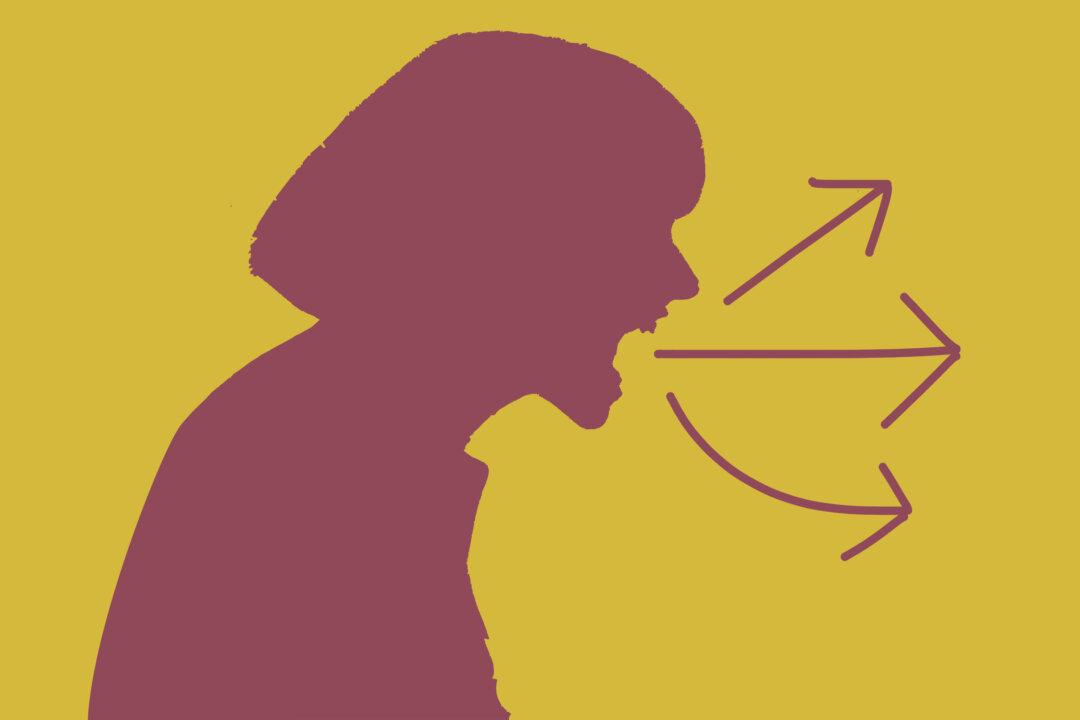
Venting anger through hitting punching bags or rage rooms is ineffective and can increase aggression, according to research.
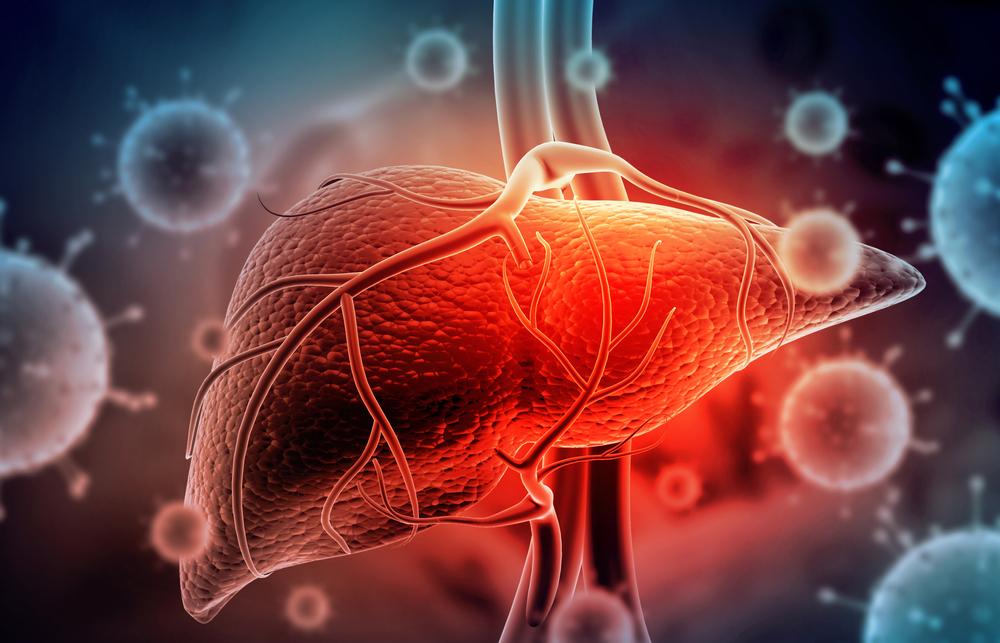
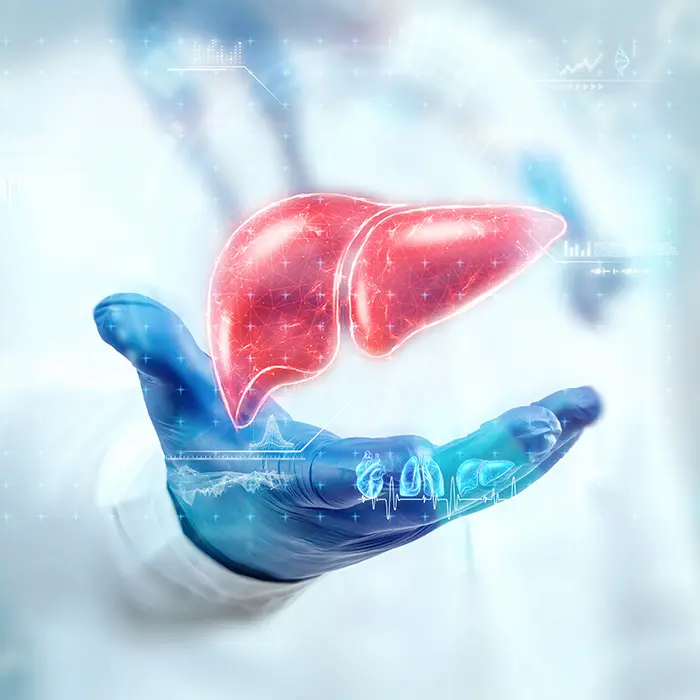
From the perspective of traditional Chinese medicine, the liver is considered a high-ranking commander-in-chief, leading troops into battle.