The Root Causes of Bitter Taste in TCM
According to TCM, bitterness in the mouth is frequently associated with issues concerning the liver and gallbladder.Dr. Yang Jingduan, a board-certified psychiatrist and a fifth-generation practitioner of TCM, shared a case in an interview with The Epoch Times. A 40-year-old man experienced a bitter taste in his mouth every morning. After examination, his liver function was found to be slightly abnormal, and a gallbladder ultrasound revealed bile congestion.
TCM Patterns Behind the Bitter Taste
A bitter taste often signals internal imbalance. Several patterns may help explain what your body is trying to tell you.Excess Liver Fire
In TCM, “excess liver fire” refers to a state of intense internal heat affecting the liver system. It’s not a literal fire, but rather a metaphor used to describe an overactive, overheated, and irritated internal state—particularly tied to the liver’s role in managing emotions, energy flow, and detoxification.This heat disrupts bile flow, causing it to reflux and produce bitterness in the mouth. Other symptoms may include dry mouth, irritability, headaches, red eyes, or a flushed face.
Deng Zhengliang, director of Taiwan Zhengliang Chinese Medicine Clinic, said that people with liver fire have a darker tongue color, usually bright red and spreading to the tongue’s edges. To clear liver and gallbladder fire, he recommends herbs such as Chinese scullcap (Scutellaria baicalensis), gardenia (Gardenia jasminoides), and gentian (Gentiana scabra).

Recipe: Celery Porridge
This simple, soothing porridge helps clear excess liver heat and gently supports digestive balance.150 grams celery
100 grams medium-grain rice
- Wash the rooted celery, chop it, add water, and boil.
- Take the resulting fluid and cook it with medium-grain rice into porridge.
- Eat twice a day, for breakfast and dinner.
Recipe: Chrysanthemum, Coix Seeds, and Winter Melon Sweet Soup
Light and cooling, this traditional sweet soup helps clear liver and stomach heat while supporting hydration and digestion.15 grams chrysanthemum
30 grams coix seeds
100 grams winter melon
15 grams white sugar
- Rinse the chrysanthemum. Peel, deseed, and cube the winter melon.
- Rinse the coix seeds and soak them for 40 minutes.
- Add coix seeds and 1 liter of water to a pot. Bring to a boil over high heat, then reduce to low and simmer for 1 hour.
- Add chrysanthemum and simmer for 10 more minutes.
- Strain out the solids. Add winter melon cubes and cook until soft.
- Stir in sugar before serving.
Liver Blood Deficiency
In TCM, “liver blood deficiency” refers to a lack of nourishing, vital blood—particularly the blood associated with the liver system. It’s not the same as anemia or liver disease in Western medicine. Instead, it’s a functional diagnosis based on how “qi” (energy) and blood circulate through the body.- Storing blood and distributing it to the body when needed (especially for muscles, eyes, and menstruation)
- Supporting emotional balance
- Ensuring the smooth flow of qi
Chronic sleep deprivation or stress can weaken the liver and contribute to bitter taste.
Deng said that staying up late for a long time or reversing day and night cycles disrupts the blood’s return to the liver. Over time, this weakens the liver and may lead to deficiency.
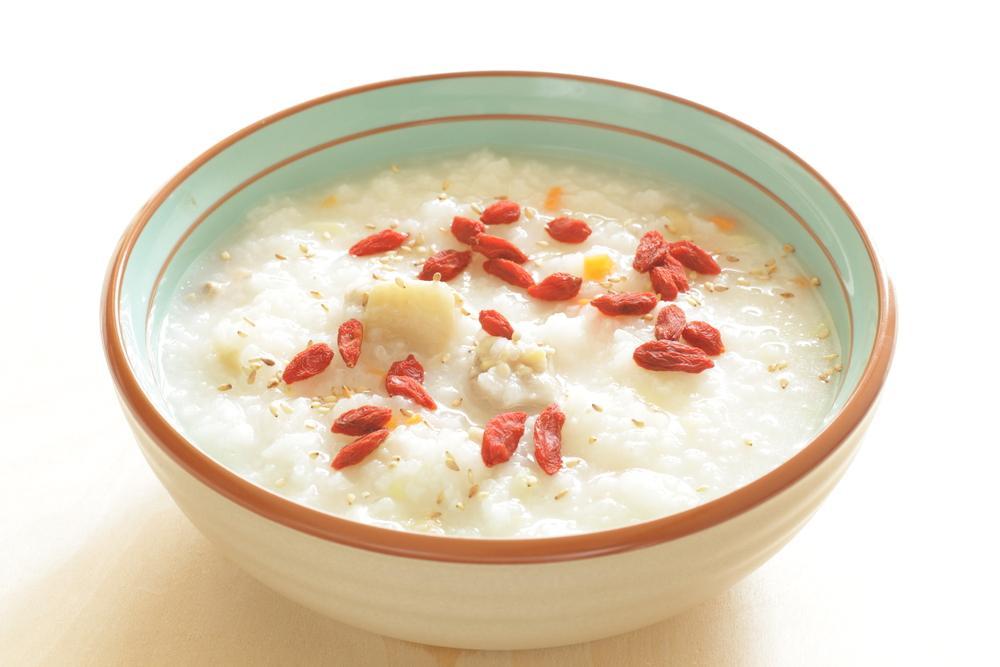
Recipe: Goji Berry Porridge
This nourishing porridge supports liver and kidney function, replenishes blood, and gently enhances eyesight over time.30 grams goji berry
100 grams medium-grain rice
- Wash the goji berries and combine with rice in a pot.
- Add 1 liter of water and cook into porridge.
- Eat twice a day for breakfast and dinner.
Stomach Fire
In TCM, “stomach fire” is a metaphorical term used to describe an excess of heat and digestive energy in the stomach system. It’s not an actual fire, but rather a state of internal imbalance that manifests through physical symptoms.Like an overheated engine, your stomach can become overstimulated by poor diet and lifestyle habits. TCM views the stomach as a central organ responsible for digesting food and sending nutrients throughout the body. When this system is overstimulated or irritated, it generates too much “heat,” which disrupts normal digestion and affects other parts of the body—especially the mouth and upper gastrointestinal tract.
Poor diet, overeating, or spicy foods can build up stomach fire, causing acid reflux, a burning sensation, and bitterness in the mouth.
Nutritional deficiencies, such as low zinc and vitamin B6, may also alter taste perception, leading to a preference for heavily flavored foods that can then cause a bitter taste in the mouth. Yang suggested eating more green vegetables and fruits, such as spinach, broccoli, asparagus, sweet potato leaves, guava, and kiwi.
Recipe: Chrysanthemum Tea
Delicate and floral, this tea helps dispel excess stomach heat and ease bitterness in the mouth.10 chrysanthemum flowers
- Brew 10 pieces of chrysanthemum flowers with 300 milliliters of boiling water.
- Steep for 10 minutes before drinking.
Acupressure for Bitter Taste Relief
Acupoint massage, a core component of TCM, can effectively improve the symptoms of bitter taste in the mouth. TCM believes that different meridians in the human body correspond to certain internal organs, and the qi of the internal organs circulates throughout the body via the meridians. If the organs have any symptoms, the sites along the meridians will also feel discomfort.Points on the meridians with special functions are called acupoints. By stimulating the corresponding acupoints through pressing, massaging, and similar methods, the corresponding internal organs can be treated.
Massaging specific acupoints on the stomach and liver meridians can help reduce stomach heat, nourish the liver, and promote blood nourishment, said Jonathan Liu, a professor at the Canadian College of Traditional Chinese Medicine and director of Kang Mei Chinese Medicine Clinic. The liver mentioned in TCM is more than the organ liver itself and includes the organs along both sides of the liver that the liver meridians pass through. The same is true for the stomach meridian.
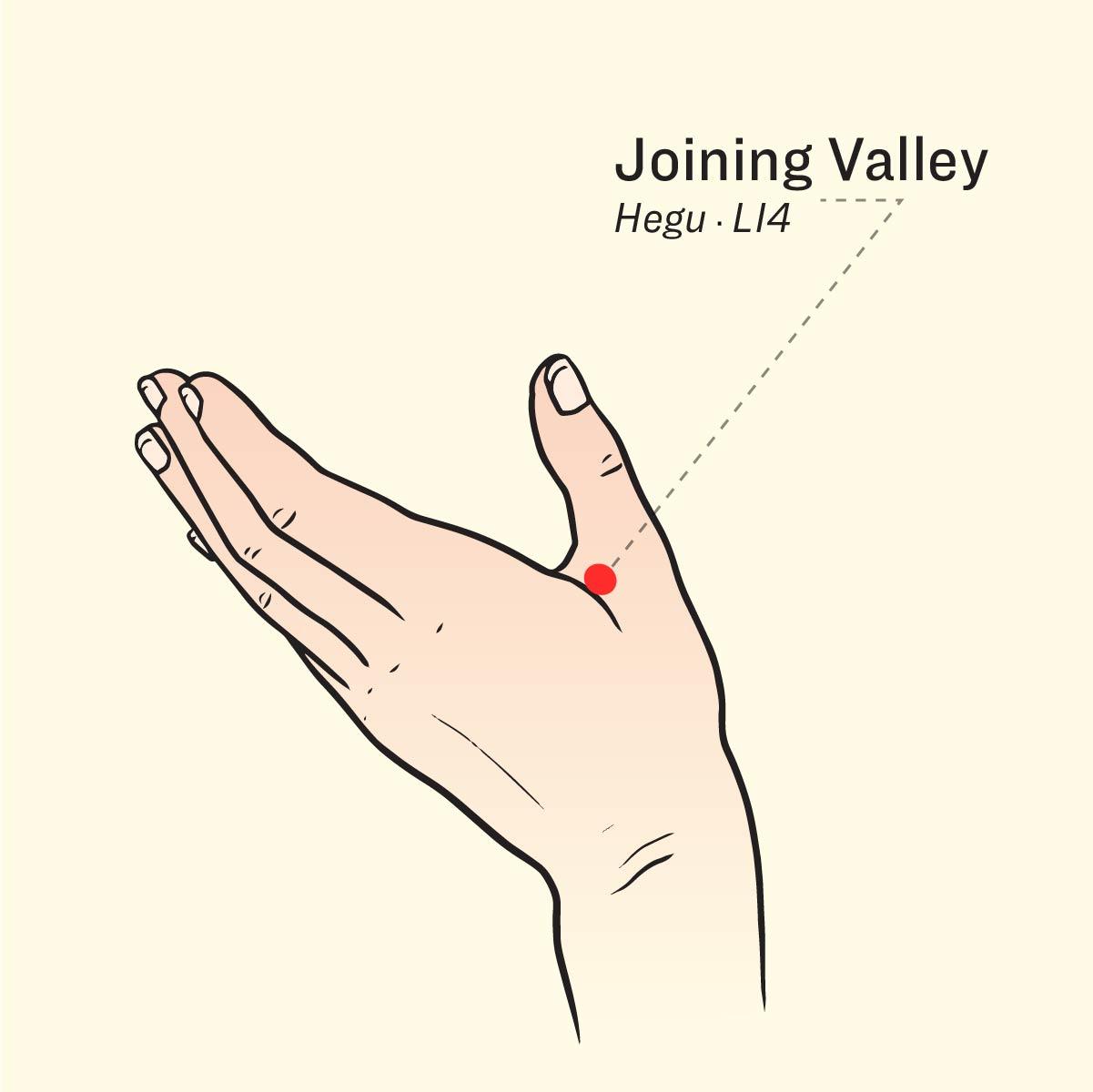
- Hegu acupoint (Joining Valley, L14): Located between the thumb and index finger. Pressing 100 times can clear away heat and fire, nourish blood, and enhance immunity.
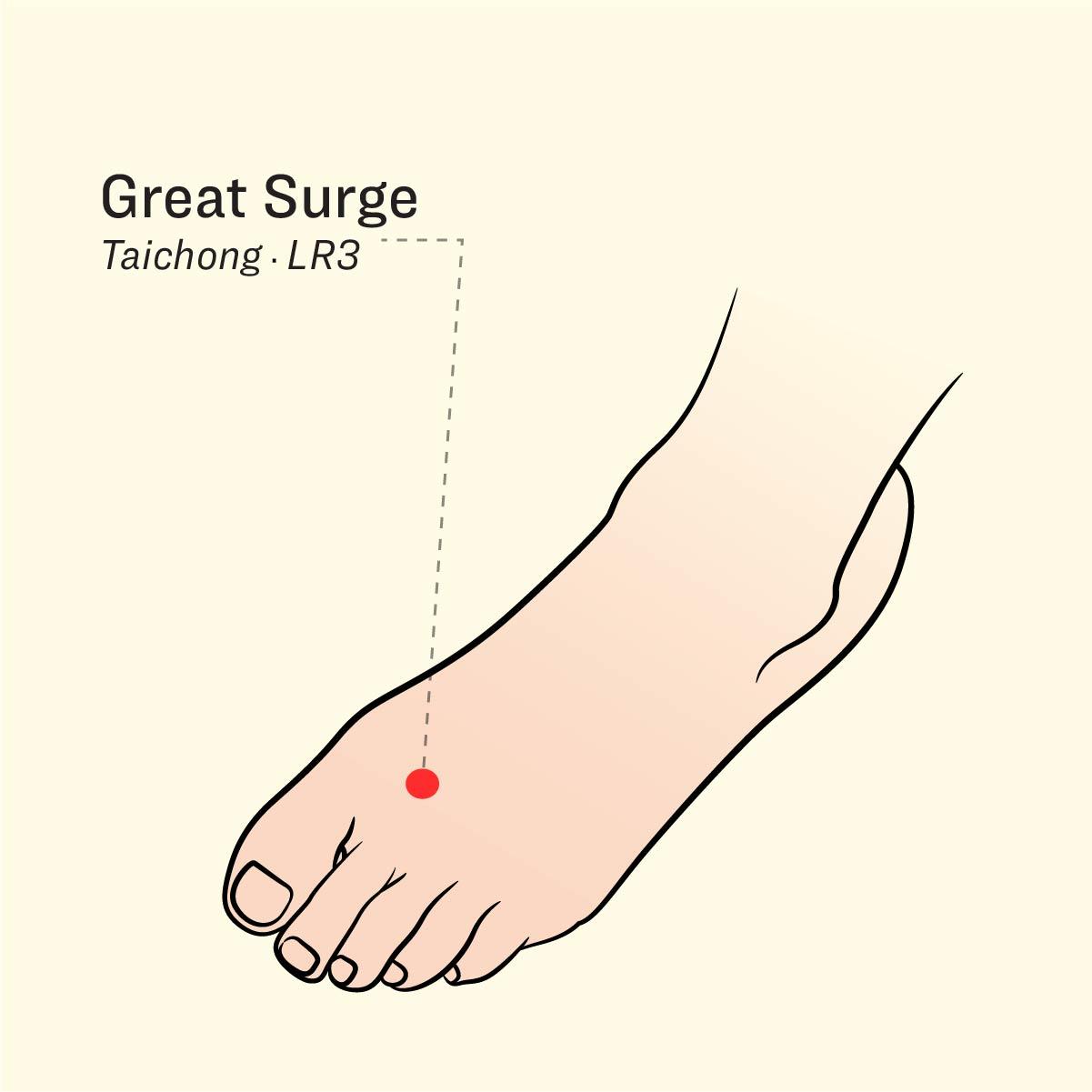
- Taichong acupoint (Great Surge, L3): Located on the top of the foot, between the first and second toes, about a thumb’s width upward. Gently rub and press about 100 times to soothe the liver and gallbladder, clear away heat, and detoxify. This is particularly suitable for people who are under intense pressure who often stay up late.
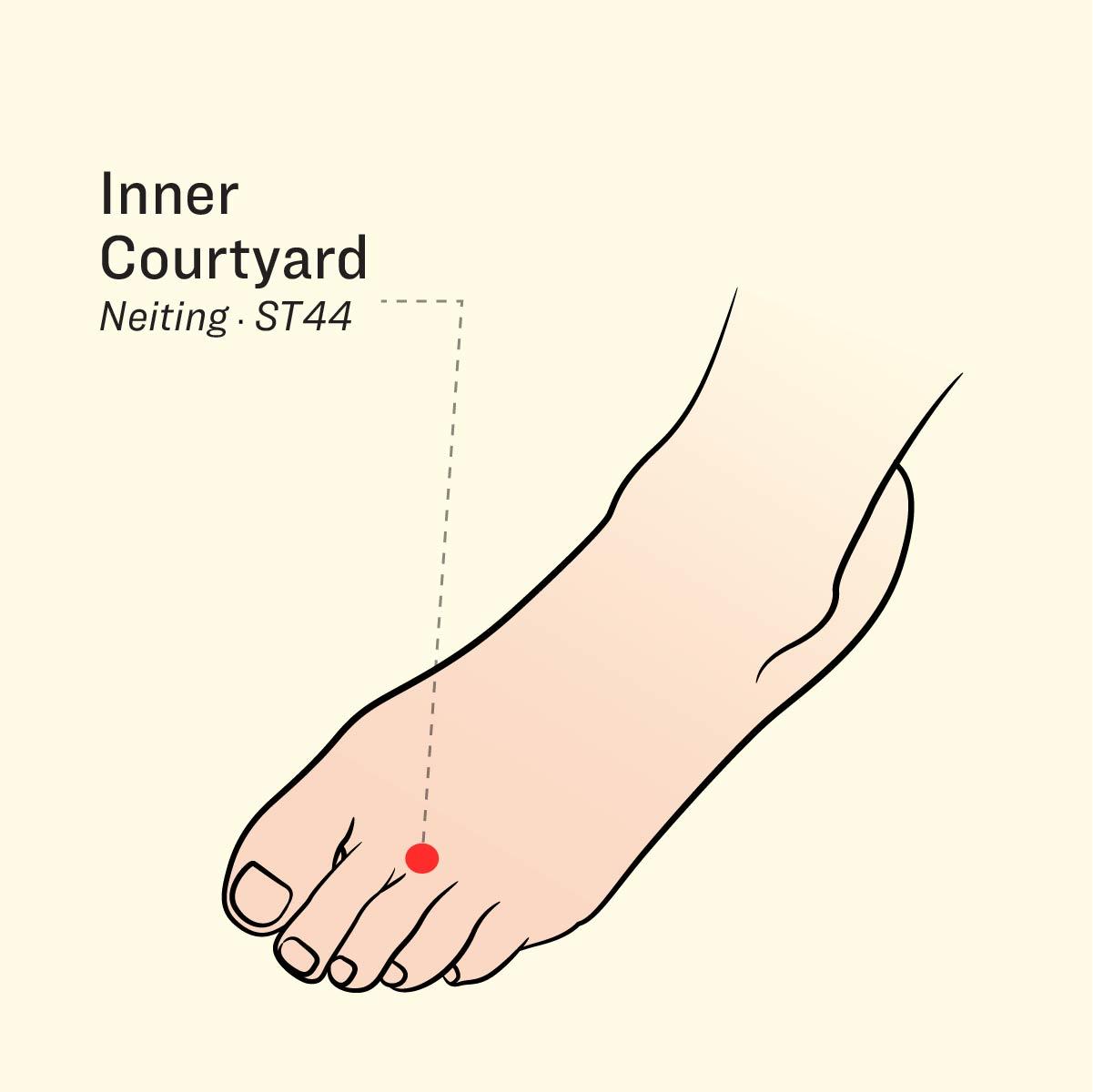
- Neiting acupoint (Inner Courtyard, ST44): Located on the top of the foot between the second and third toes behind the toe web. Pressing 100 times can help reduce stomach heat.
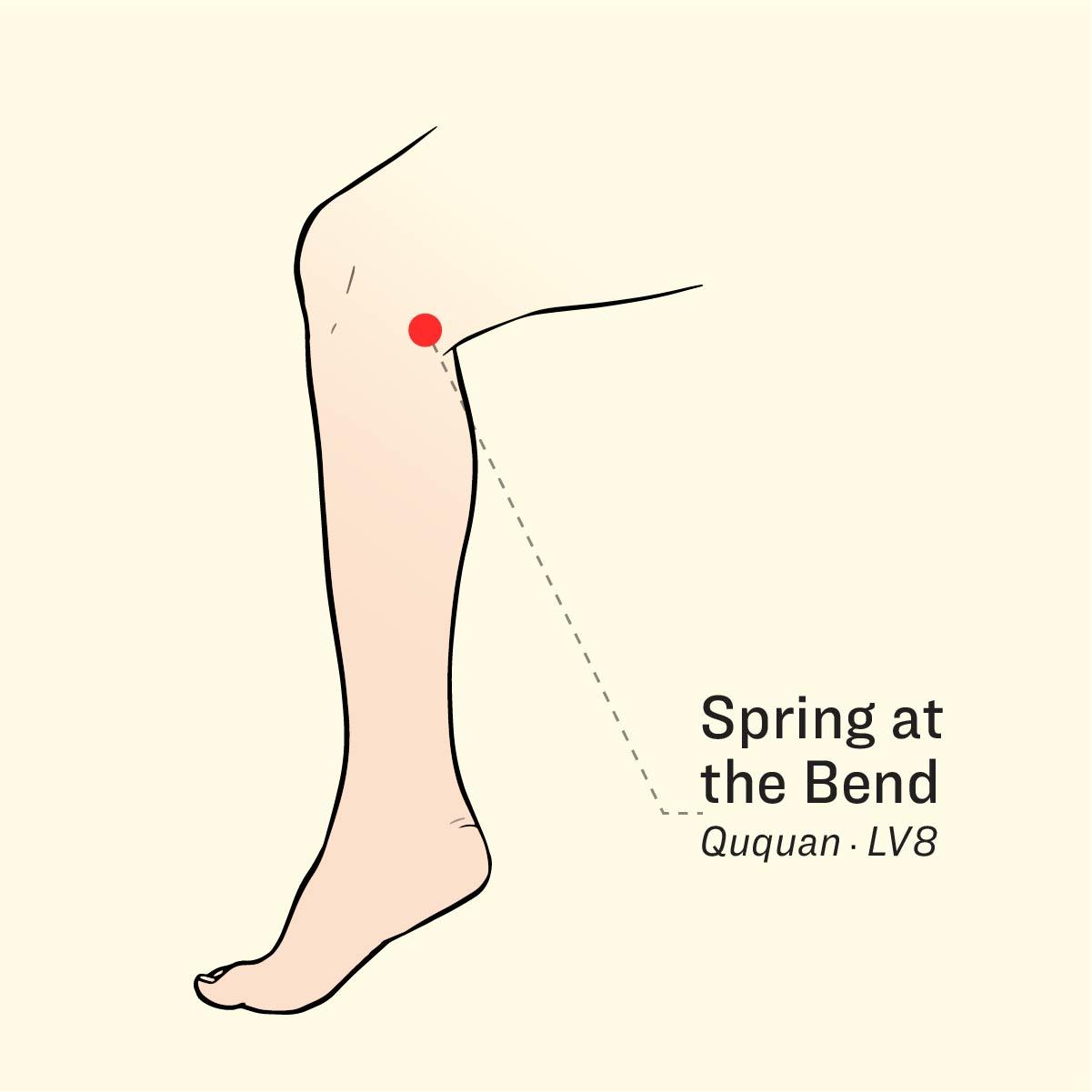
- Ququan acupoint (Spring at the Bend, LR8): Located on the inner side of the knee joint. Pressing 100 times can nourish the liver and replenish blood.
Other Factors Causing Bitter Mouth
Modern lifestyles often lead to increased stress and irregular sleep, both of which can affect taste perception. Yang noted that chronic anxiety and insomnia are closely linked to changes in taste.Yang emphasized the importance of regular sleep—especially between 11 p.m. and 3 a.m.—to support liver and gallbladder repair.
Managing emotions and avoiding prolonged negative feelings like resentment or anger also contribute to overall well-being and can alleviate symptoms.
Medications and their ingredients can also be released into saliva and contribute to a bitter taste.
A persistent bitter taste may signal underlying health conditions such as cancer, kidney disease, liver disease, and other metabolic disorders, which can disrupt taste perception. People with taste disorders often feel that all foods taste metallic, sweet, sour, or bitter.
Yang noted that if the bitterness lasts only a few days, it often resolves with better diet and stress management. However, if it persists, it’s best to assess liver and gallbladder function, digestive health, and any medication side effects.