Forgetfulness in midlife is often chalked up to stress or age. However, research shows that blood pressure may be one of the clearest predictors of how well the brain is holding up.
The Silent Threat to the Brain
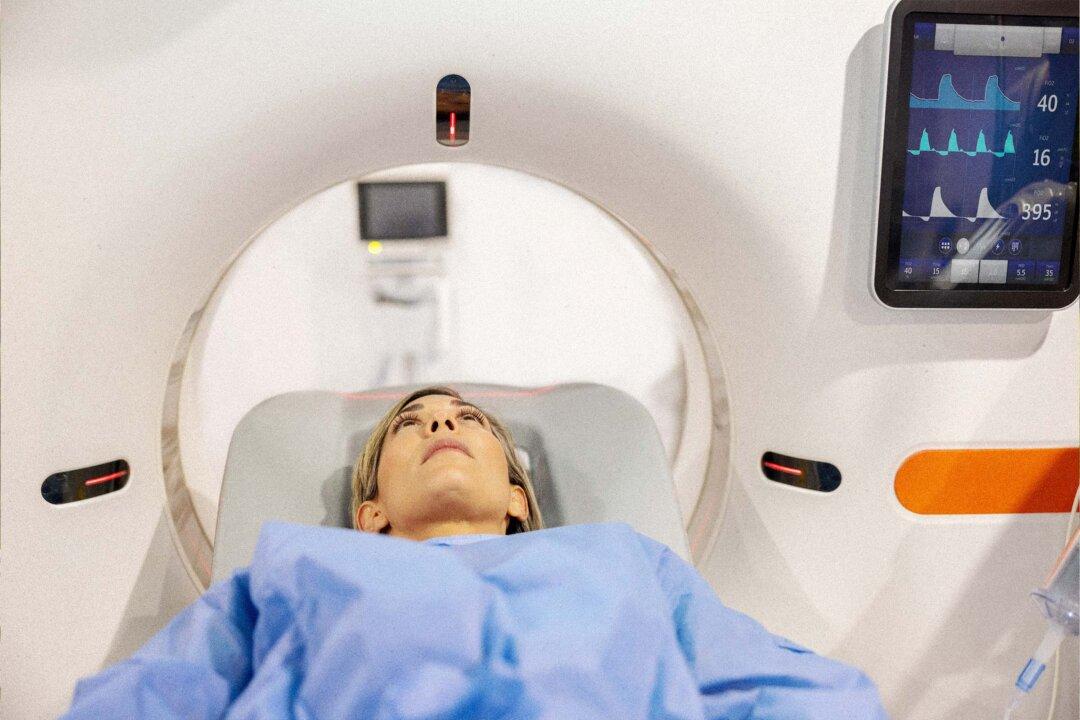
High blood pressure scars the brain’s white matter, changes that appear on MRI scans decades before memory loss. These hidden injuries are among the strongest predictors of dementia.“High blood pressure sends force into the brain’s smallest arteries,” Prabhakaran said. “They’re not designed to handle it, so they thicken, break, or leak. That leads to silent strokes, white matter damage, even microbleeds—long before memory problems appear.” A silent stroke is one that causes real brain damage but no obvious symptoms at the time.


A Shift Toward Earlier Action
The cutoffs for high blood pressure have not changed: Below 120/80 is normal, 130 to 139/80 to 89 is stage 1 hypertension, and 140/90 or higher is stage 2. What’s new is how doctors are told to respond when numbers slip into the “borderline” stage 1 range.When Lower Isn’t Always Better
Lowering blood pressure isn’t always a win, especially for older adults. A 2020 study found that seniors who struggled to walk 20 feet actually lived longer when their pressure ran a bit higher. While the landmark SPRINT trial showed benefits of stricter targets, it also revealed more kidney injury, mineral imbalances, and fainting in those treated most intensively.Some physicians, such as Dr. Kenny Lin, associate director of the Lancaster General Hospital Family Practice residency program and an author of the 2022 AAFP Hypertension guideline, say those numbers don’t translate to the real world.
In a typical 15-minute visit, doctors are managing not just blood pressure but diabetes, obesity, sleep apnea, and depression. Following research protocols—patients resting quietly for five minutes on an empty bladder before an automated check—would take up half the appointment.
Even getting patients below 140/90 can be difficult. Pushing them toward 120 or 130 usually requires second or third drugs, raising costs, side effects, and risks from multiple medications. The most common complications are dizziness and acute kidney injury. Kidney function often recovers, Lin said, but not before causing patients and doctors considerable stress.
The gains from driving numbers lower are real but limited, preventing a small number of heart attacks but often at a cost. That’s why some physicians argue that treatment should be tailored, not dictated by a rigid cutoff. Dr. Andy Lazris, a primary care geriatric physician and author of “Curing Medicine,” said guidelines often overlook the complex issues that older patients face.
Lifestyle As the 1st Prescription
The guidelines stress that the first prescription for high blood pressure isn’t a pill, but daily habits. Doctors urge patients to manage weight, eat more plants, cut back on salt, stay active, sleep well, ease stress, and limit alcohol.Even small changes can pay off. Cutting 1,000 milligrams of sodium a day—most of it from processed foods—can lower blood pressure by about five points. Increasing potassium also lowers blood pressure, relaxing the vessels and reducing strain. For the first time, the guidelines recommend potassium-based salt substitutes at home, although they aren’t safe for everyone.
“Patients with kidney disease, and especially diabetics, may have an impaired ability to secrete potassium, and this is further complicated by some of the medications that are recommended,” Dr. Stephen Fadem, a nephrologist and chair of the American Association of Kidney Patients medical advisory board, said in a previous email to The Epoch Times.
Sleep adds its own protection, helping the brain clear Alzheimer’s-linked proteins, while stress management keeps cortisol from damaging blood vessels and cognition.
When lifestyle changes aren’t enough—or when risks are high from the start—medication is added. Most people with readings of 140/90 or higher will need it. For lower-risk patients, doctors recommend three to six months of daily changes first, then drugs if pressure stays above 130/80.
Tools for the Clinic and Home
The guidelines highlight new tools for prevention. One is the PREVENT calculator, introduced in 2023, which estimates heart disease risk in 10 years and again three decades later, starting at age 30.Unlike older models, it factors in heart failure along with heart attack and stroke, and uses familiar health measures such as blood pressure, cholesterol, blood sugar, and kidney function—plus age, sex, and even ZIP code. Doctors may soon use it in routine visits to give patients a better sense of long-term risk.
Checking blood pressure at home works only if patients have support through education or telehealth sessions that help them understand the numbers. A blood pressure cuff on its own, without follow-up from a provider, rarely makes a difference.
From Numbers to Daily Life
The new targets are clear—few people meet them. Only one in four adults with high blood pressure has it under control, according to the Centers for Disease Control and Prevention, with rushed doctor visits, poor diets, and lost sleep among the reasons.For patients, the advice is simple: Know your numbers, check them at home, and act even if you feel fine. High blood pressure awareness isn’t just about avoiding stroke or heart attack. Controlling it can help people stay sharp, keep driving, and live independently longer.
“Framing this around brain health may motivate people to take blood pressure more seriously, especially in midlife,” Prabhakaran said. “No one wants to lose independence or quality of life later on. Controlling blood pressure is really a preventive, anti-aging strategy for the brain.”
Too often, he added, people imagine they can wait until they are older, when the threat feels more immediate. “But brain health is about the future we all care about—being able to enjoy life and stay independent in later years,” Prabhakaran said.