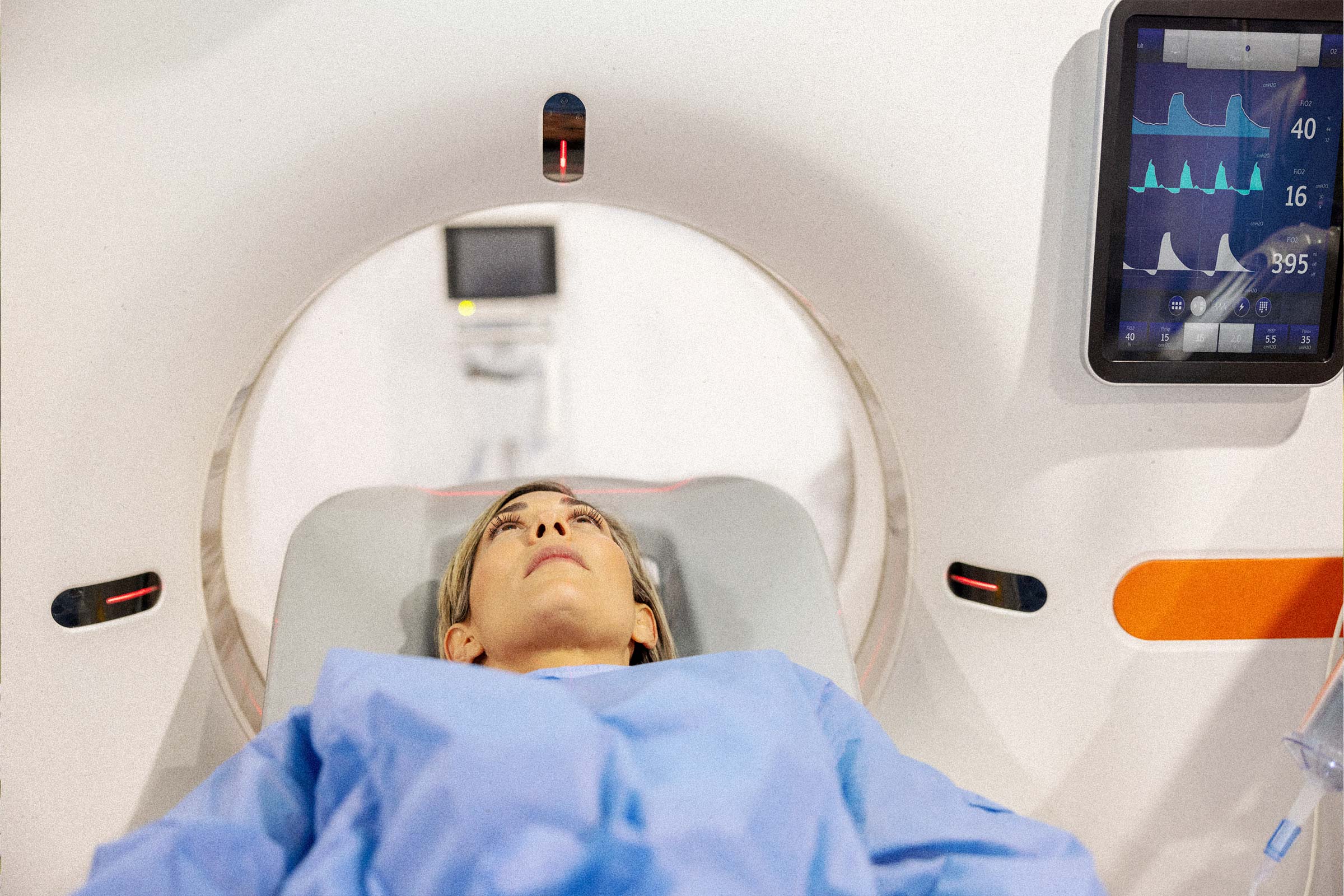

Regina Chennault felt the burning the moment the contrast entered her vein. The MRI came after a devastating car crash on the way to MD Anderson Cancer Center. She and her 12-year-old son, who was battling Stage 4 cancer, had been driving to his treatment when a drunk driver slammed into their car. Chennault, a trauma surgeon, lost movement in her right arm and suffered multiple spinal injuries.
Over the next several years, she underwent 15 MRIs, 12 with gadolinium-based contrast. As her symptoms worsened, doctors ordered more tests, including CT scans with iodinated contrast. Her thinking became clouded. Simple tasks, such as tracking her son’s medications, became difficult. Her skin burned. Her hair fell out in clumps. Her kidneys slowed.
“I was told in medical school that gadolinium was safe, like ultrasound,” Chennault, who trained at the Texas Medical Center, told The Epoch Times. “That was a lie that lasted 25 years.”
Every year, millions of people undergo CT and MRI scans with contrast agents. These are not simply dyes but drugs, each with its own risks, clearance timeline, and trade-offs. Yet most patients leave the imaging center knowing almost none of this.
With CT Contrast, Risks Come Early
For most people with healthy kidneys, iodinated CT contrast is eliminated rapidly—nearly all of it leaves the body in urine within about 24 hours, according to the American College of Radiology. The main concern is not long-term retention but whether the kidneys can handle the temporary load and whether an allergic reaction occurs.Those at higher kidney risk include people with chronic kidney disease, diabetes-related kidney damage, dehydration, heart failure, advanced age, or several contrast scans in a short period, Dr. Richard Semelka, a radiologist who has published extensively on MRI safety, told The Epoch Times. Common nonsteroidal anti-inflammatory drugs such as ibuprofen and naproxen can add further strain to the kidneys.
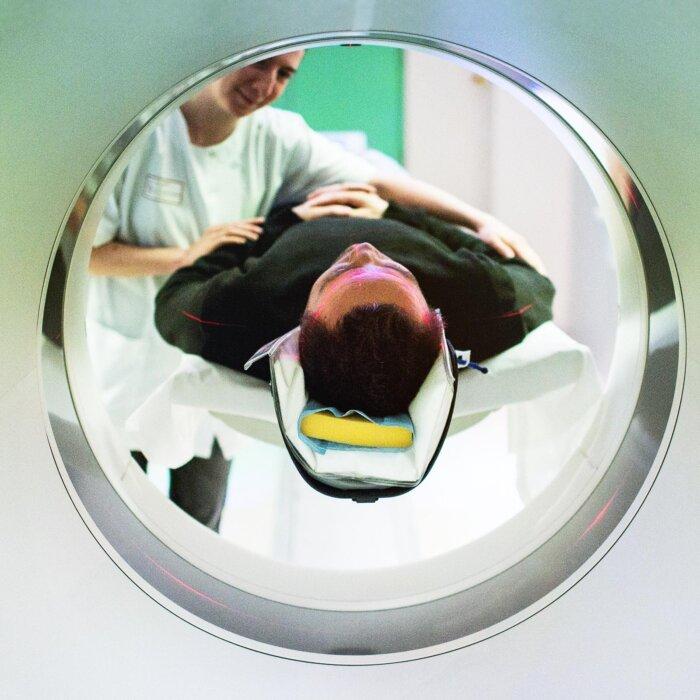
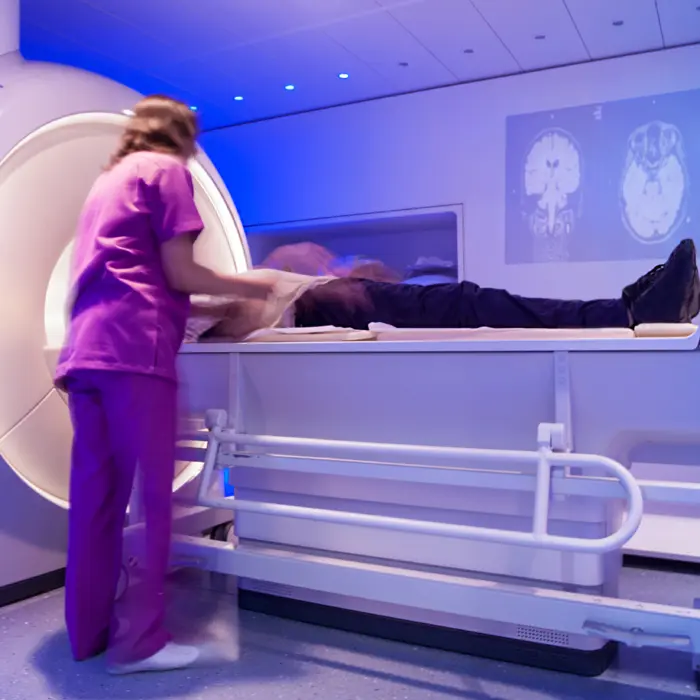
The injection itself can feel strange. Patients may notice warmth—often in the pelvis—along with a metallic taste or mild nausea, Dr. Donald Frush, a pediatric radiologist at Duke University, told The Epoch Times.
MRI Contrast Is Complicated
MRI contrast is usually gadolinium-based. Most of it leaves through the kidneys, often within about a day. However, the Food and Drug Administration (FDA) has said trace amounts can remain in the brain, bones, and skin, even in people with normal kidney function.Still, the FDA advises doctors to consider which agent they use, especially for patients who may need many MRIs over a lifetime, pregnant women, children, and those with inflammatory conditions.
The American College of Radiology has stated that although retention occurs, harmful effects have not been proven. Most people feel fine. Some do not. They report symptoms such as burning pain, brain fog, muscle twitching, and bone aches, which may be temporary or long-lasting for some.
Yet newer agents have not settled the broader debate. Some patients report persistent symptoms after gadolinium exposure, and experts still disagree about how often the contrast itself is the cause.
Gadolinium differs from many other heavy metals because of how it enters the body, Semelka said. Exposure to lead or mercury is often gradual, filtered through the lungs, gut, or skin. Gadolinium contrast is injected directly into the bloodstream, which he said may help explain why some patients describe sudden, body-wide symptoms after exposure.
Before the Scan
The best time to ask about contrast is when the scan is first ordered—ideally during the visit with the doctor requesting the imaging—not when you are already on the table, Frush said.“Asking at the time of the scan will often be met with, ‘I just do what was ordered,’” he said. “It is not the technologist’s role to decide whether contrast is appropriate.”
- Was contrast planned?
- Is it iodinated (for CT) or gadolinium-based (for MRI)?
- What is the exact name and dose?
- Has my kidney function been checked recently? Since contrast agents exit through the kidneys, doctors may need to know whether your kidneys can clear them safely.
Contrast can reveal critical details that might otherwise be missed. However, a clearer image is not always a more useful one. The key question is not “Will it show more?” but “Will what it shows change what we do next?”
Contrast is easiest to justify when the result could change the next step: finding an abscess that needs drainage, bleeding that requires urgent treatment, or cancer that needs staging. But when the clinical plan would likely be the same either way, patients can reasonably ask whether a noncontrast scan, an ultrasound, or watchful waiting might be an option.
Radiologists sometimes adjust protocols after reviewing the case, including by switching between contrast and noncontrast exams, although the process varies by institution and state rules. Frush noted that the goal is not simply a prettier picture, but more useful information.
Semelka advised a direct question: “What might we miss without contrast, and would that change what we do?” Both halves matter. The first asks whether contrast adds information. The second asks whether that information changes care.
Those who believe that they were harmed by gadolinium often take a firmer stance.
“I never needed the gadolinium,” Chennault said.
After the Scan
For most patients, no special detox is needed. The goal is to support the body’s natural clearance.Semelka advised a modest approach: Drink a little more water than usual, not gallons. Fluids support normal urine flow, the main route by which most contrast agents leave the body. A normal meal and gentle movement, if you feel well, are less about detoxing than helping the body recover without adding stress.
What is less helpful is responding with extremes: hard workouts, long sauna sessions, fasting, laxatives, alcohol, or a stack of new supplements. Those measures may sound like detox, but they can dehydrate the body or shift electrolytes, making people feel worse, Semelka said.
Patients with kidney concerns or heart failure should ask their doctor about fluid intake and temporarily avoiding nonsteroidal anti-inflammatory drugs.
What to Watch For
Most people feel normal after contrast. Mild, short-lived effects such as warmth, headache, or fatigue are common and usually resolve quickly.Seek immediate medical attention for difficulty breathing, throat swelling, chest pain, fainting, or sharply reduced urination.
Symptoms that show up later deserve more attention, especially after gadolinium. Semelka watches for what he calls the “big five”: brain fog, burning skin pain, muscle twitching, pins and needles sensations, and bone pain. The cluster matters, he said, because it may point to a broader reaction rather than a passing side effect. Some patients also report skin changes, tinnitus, unusual head pain, heart rhythm symptoms, or digestive problems.
What About Chelation?
Some patients with persistent symptoms turn to chelation, a treatment that uses a drug to bind certain metals so they can exit the body in urine. Semelka uses intravenous DTPA, a chelating drug, in carefully selected patients he believes have gadolinium deposition disease, a term for a pattern of symptoms after gadolinium exposure in patients with normal kidney function. However, chelation is not standard post-MRI care. The evidence remains limited and debated.The practical point is simple: Do not try to chelate yourself. Chelation can deplete essential minerals and requires experienced medical oversight. It is a medical treatment, not a cleanse.
The Best Protection Is Knowing What You Got
Contrast agents are medications, not simply dyes. The strongest protection is asking informed questions before the scan.The best support afterward is simple: modest hydration, normal food, gentle movement, and avoiding extremes. For those who react, details matter—know the agent, document the dose and date, record unusual symptoms, and make sure that the reaction is added to your medical record.
Before the next scan, ask the question that matters most: Will contrast change what we do next?