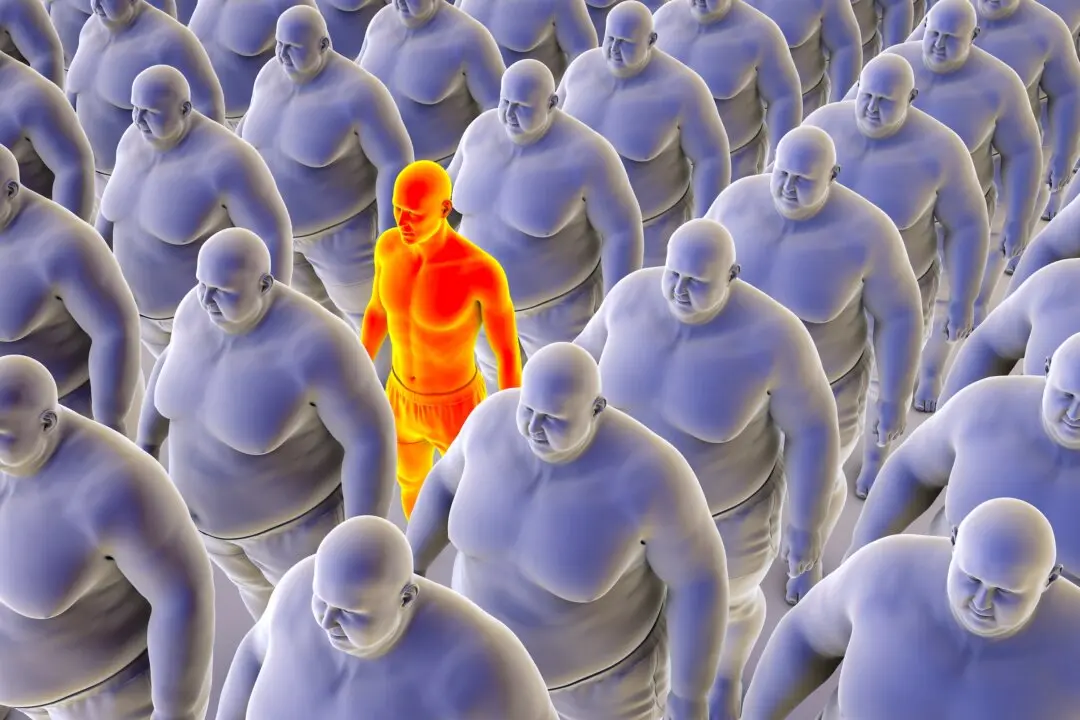
Endocrine-disrupting chemicals are linked to cognitive deficits, obesity, diabetes, male and female reproductive dysfunction, birth defects, cardiovascular disease and other chronic diseases.
STORY AT-A-GLANCE
- Endocrine-disrupting chemicals (EDCs) are linked to many negative health effects and it is important to avoid exposure as much as possible
- EDCs lurk in food packaging, nonorganic food, nonstick cookware, detergents, cosmetics, medicines, fabrics, pesticides, carpets and furniture that are treated with flame retardants
- An endocrine-disrupting chemical that exerts permanent and even transgenerational changes to fat cells is sometimes called an obesogen
- Research shows obesogens are highly correlated with obesity and diabetes
- There are many practical, commonsense ways to avoid exposure to endocrine-disrupting chemicals and obesogens
EDCs are not just harmful — they are also found almost everywhere and hard to avoid. They lurk in food packaging, nonorganic food, nonstick cookware,(2) detergents, cosmetics,(3) lotions, products with fragrance, antibacterial soaps,(4) medicines, toys,(5) fabrics, carpets, furniture, construction materials treated with flame retardants, pesticides and more.(6)
When an endocrine-disrupting chemical exerts permanent and even transgenerational changes to fat cells it is sometimes called an obesogen. Experts believe obesogens encourage the growth of fat cells and fat accumulation through metabolic and appetite alterations that increase the number and size of adipose cells.
Top Five Tips to Avoid Dangerous Chemicals
Here are my five tips, adapted from Trasande’s article:- Beware of certain cookware — Nonstick pans contain perfluoroalkyl substances, or PFAS, chemicals that slow the metabolism rate and cause weight regain.(7) Cast iron and stainless steel cookware are good alternatives. Use glass to store your food and reusable storage bags at home and to bring food home from the grocery store.
- Fight indoor pollution — Flame retardants used in mattresses, carpets, furniture and electronics accumulate in household dust, impairing thyroid function. Open windows and use a wet mop to diminish them. Check if your upholstery has added flame retardants.(8)
- Eat organic and avoid canned foods — Organic food is free from GMOs and pesticides, which may disrupt the thyroid, impair cognition and cause cancer.(9) Choose grass fed, humanely raised meat and dairy products.
Canned foods may contain bisphenols, which are estrogenic and make fat cells larger. They persist in the environment, double Type 2 diabetes risk and likely pose toxicity to embryos.(10)Don’t use pesticides on your lawn, and remove shoes when you enter your house. - Don’t microwave, and avoid packaged goods — A “microwave safe” label is misleading because microscopic polymers break down and get into food.(11) Processed and packaged foods contain high fructose corn syrup, artificial sweeteners, pesticides and other obesogens. Phthalates in food packaging and take-out containers can impair lipid and carbohydrate metabolism and increase weight.(12)
- Avoid vinyl and plastic — Use a cloth shower curtain that can be machine washed. These stay cleaner and last longer than vinyl. Replace luggage and backpacks with products made of organic blend canvas.
Obesogens and Obesity Are Linked
Obesity has become a worldwide epidemic. Between 1980 and 2010 the rate of obesity in the U.S. doubled and, worldwide, the rate of obesity tripled.(13) Obesity in children is especially booming, almost always condemning them to life as obese adults.(14) Obesity, because of its association with Type 2 diabetes, cancer and cardiovascular disease, costs the U.S. approximately $200 billion a year.“Adult mice exposed to TBT [tributyltin, an obesogen] in utero displayed increased lipid accumulation in adipose depots, livers and testis and treatment of adolescent or adult mice, rats, goldfish and zebrafish led to increased fat deposition and hepatic steatosis …
“Prenatal exposure to environmental obesogens can produce lasting effects on the exposed animals and their offspring to at least the F4 generation. Recent results show that some of these transgenerational effects of obesogen exposure can be carried across the generations via alterations in chromatin structure and accessibility.”Apparently, obesogens not only can program organisms to accumulate fat; they can program their offspring to do the same.
What Causes the Fat Accumulation to Occur?
Researchers note in Basic & Clinical Pharmacology & Toxicology that cells exposed to an obesogen did not accumulate more fat than unexposed cells but differ in another way: they “did not respond to normal signalling processes.” Specifically, write the researchers, the cells:(18)“… expressed reduced levels of GLUT4 accompanied by lower glucose uptake. They produced lower levels of adiponectin mRNA and protein and showed elevated levels of molecular markers of inflammation and fibrosis. The … cells were impaired in their respiratory function, measured in vitro and, as might be expected, contained fewer mitochondria.”Like the research in Basic & Clinical Pharmacology & Toxicology Research, a paper in Pediatric Research seems to confirm that obesogenic effects are seen transgenerationally. Fetal exposure to phthalates, which are obesogenic, is correlated with obesity in the exposed children, write the researchers.(19)
“Higher concentrations of urinary MEP, MBzP, and ΣDEHP [phthalates] metabolites in pregnant mothers were associated with increased odds of their children being overweight or obese …
There Are More Obesity Links to Obesogens
Perfluoroalkyl substances, or PFASs, which are endocrine-disrupting chemicals that are obesogenic, have also been linked to obesity in the scientific literature. A 2018 study in PLOS Medicine found:(20)“In this diet-induced weight-loss trial, higher baseline plasma PFAS concentrations were associated with a greater weight regain, especially in women, possibly explained by a slower regression of RMR [resting metabolic rate] levels.
“Exposure to certain phthalates during pregnancy may be associated with long-term weight change in women. More studies on the effects of phthalate exposure during pregnancy on women’s long-term health are required.”
Endocrine Disrupting Chemicals Linked to Diabetes
Diabetes is a major public health concern in the U.S. and other countries and endocrine disrupting chemicals contribute to the problem. Research in the journal Environmental Health Perspective finds “positive associations between exposure to BPA and BPS and the incidence of Type 2 diabetes, independent of traditional diabetes risk factors.”(22)“This study is one of the few prospective studies on the association between exposure to BPA and the subsequent development of type 2 diabetes and the first one on diabetes that relies on repeated urinary bisphenols measurements to assess exposure, which is crucial given the short half-life of BPA in the body.
“Overall summary estimates indicated significant positive associations between BPA and fat weight … Findings from our systematic review suggest that early-life exposure to BPA may increase adiposity and circulating lipid levels in rodents …
The Endocrine Society Also Questions EDC Safety
The Endocrine Society, the world’s largest organization of endocrine clinicians and scientists, has also researched the risks of endocrine disrupting chemicals. The society says it:(27)“… defines an endocrine-disrupting chemical (EDC) as ‘an exogenous chemical, or mixture of chemicals, that can interfere with any aspect of hormone action’ …
Toxic Chemicals Are Everywhere
Toxic chemicals are all around; in your food, water, air and countless commonly used products and goods, and this onslaught is having a definitive effect — even when exposures are relatively low. Yes, plastics have made modern life more “convenient” but the harm they cause is not worth it. The dangers are especially pronounced during pregnancy and early infancy.The idea that chemicals affect your health should come as no surprise. What may be surprising is the extent of your exposure. Most of us go about our day, touching, eating, drinking and breathing with few concerns about what we’re actually coming into contact with.
As you saw above in the different scientific studies, the obesogenic effects of EDCs are especially clear, causing obesity and other metabolic problems. Obesity, in turn, is linked to other diseases like diabetes, high blood pressure and certain cancers.(28) But the damage from EDCs and obesogens can be reduced through commonsense lifestyle choices.