Recent research has found that not all plant-based foods are healthy. Ultra-processed foods, even those made from plant-based ingredients, can be detrimental to health and increase the risk of cardiovascular disease (CVD) and mortality.
A plant-based diet encourages the consumption of plant foods and is characterized by minimal or no intake of meat, fish, eggs, or dairy products. However, as ultra-processed foods become more ubiquitous, so do ultra-processed plant-based foods. These include items such as vegan sausages, nuggets, and burgers, as well as plant-based beverages such as soy and plant milks and sugary drinks. Snacks and candies made from processed plant ingredients are increasingly prevalent.
Ultra-Processed Plant-Based Foods Increase Risk of CVD
In June, The Lancet Regional Health–Europe published a study indicating a positive association between the intake of ultra-processed plant-based foods and the risk of CVD and mortality. Conversely, consuming non-ultra-processed plant-based foods was negatively associated with these risks.The study, which analyzed data from nearly 127,000 individuals aged 40 to 69 in the UK Biobank with a median follow-up of nine years, found that each 10 percent increase in the proportion of total energy intake from ultra-processed plant-based foods was associated with a 5 percent increase in the risk of CVD and a 6 percent increase in the risk of coronary heart disease. The risk of mortality from CVD increased by 12 percent.
The study also indicated that for every 10 percent increase in the proportion of total energy intake from non-ultra-processed plant-based foods, the risk of CVD decreased by 7 percent, and the risk of coronary heart disease decreased by 8 percent. The risk of mortality from CVD decreased by 13 percent, while the risk of mortality from coronary heart disease decreased by 20 percent.
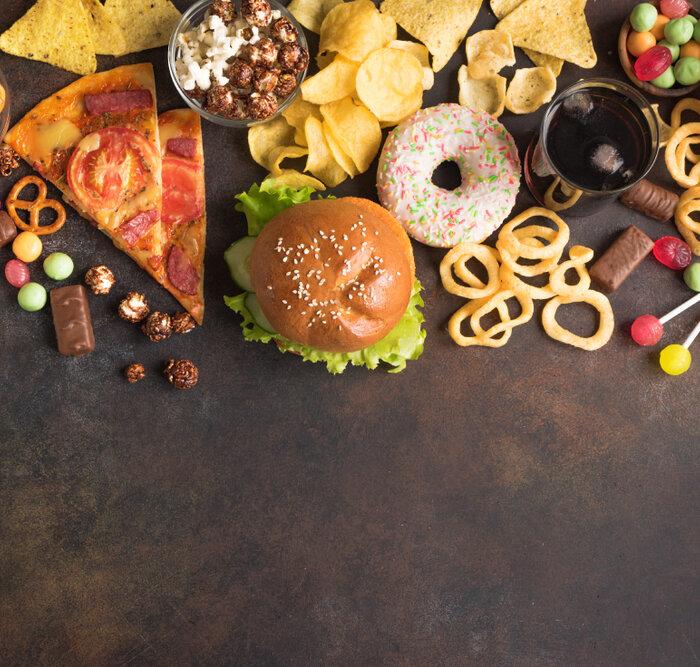

“While ultra-processed foods are often marketed as healthy foods, this large study shows that plant-based ultra-processed foods do not seem to have protective health effects and are linked to poor health outcomes,” Eszter Vamos, co-author of the study and a member of the School of Public Health at Imperial College London, said in a statement.
This is because ultra-processed foods contain not only high levels of salt, fat, and sugar but also various additives.
Fernanda Rauber, the study’s lead author and a researcher at the University of São Paulo in Brazil, said in the statement: “Despite being plant-based, these foods can contribute to risk factors such as dyslipidaemia and hypertension due to their composition and processing methods. Food additives and industrial contaminants present in these foods can cause oxidative stress and inflammation, further aggravating the risks.
“Therefore, our results support the shift towards plant-based food choices that consider the degree of processing to improve cardiovascular health outcomes.”
For the first time, this study provides evidence that the effects of ultra-processed plant-based foods on CVD are significant and should not be overlooked. Therefore, the researchers call for dietary guidelines promoting plant-based diets to focus not only on reducing the intake of animal-sourced foods but also emphasize the importance of limiting the consumption of ultra-processed products.
Higher Consumption of Ultra-Processed Plant-Based Foods Among Vegans
Plant-based foods are generally nutritious and beneficial for health. However, if the degree of processing is overlooked, these foods can become detrimental. Research has found that as industrialized plant-based meat and dairy substitutes become more prevalent, vegetarians may consume more ultra-processed foods than meat-eaters.The study followed more than 20,000 participants with an average age of 56 for five years. Researchers found that among four dietary groups, vegans had the highest intake of ultra-processed foods. The proportion of total energy intake from ultra-processed foods was 33 percent for meat-eaters, almost 33 percent for pesco-vegetarians, 37 percent for vegetarians, and close to 40 percent for vegans.
Japanese Diet Reduces CVD Risk and Extends Lifespan
Japan has one of the longest average life expectancies in the world. According to data released by the Japanese government, the average life expectancy for men is 81.5 years and 87.6 years for women. In 2019, approximately 2.06 million people were older than the age of 90. In 2023, The Japan Times reported that the country had surpassed 90,000 centenarians. The longevity of the Japanese population is closely linked to their dietary patterns.5 Food Categories of Japanese Diet
- Grains, such as rice, bread, and noodles
- Vegetables, such as green vegetables, mushrooms, potatoes, sweet potatoes, yams, and seaweed
- Fish, meat, and protein, including eggs and organic soy products
- Dairy, such as milk, butter, and cheese
- Fruits, such as oranges, apples, persimmons, pears, grapes, and peaches