Japanese matcha production has almost tripled over the past decade—but it’s still far from enough to meet demand.
With health fiends and trendy influencers touting the drink on social media, consumption has skyrocketed. Social media has transformed a beverage once reserved for tranquil tea ceremonies into a fashionable, on-the-go caffeine fix—a trend that Japanese producers of quality matcha cannot keep up with.
The Japan Times reported in February that farmers of matcha tea struggle to meet the demand of global customers. Some quality tea producers have even declared a limit on the output of their ground tea.
Now, coffee shops and grocery stores are trying to keep up by selling matcha sourced from China, but problems abound, including impure and potentially hazardous counterfeit products.
Matcha Availability Crisis
Japanese farmers can’t easily increase their yield. A tea tree takes five years to reach maturity, and growing and harvesting matcha leaves requires special effort. The plants are shaded for weeks before the spring harvest, the tender first crop—called tencha leaves—is hand-picked, and the leaves are then carefully stone ground into the distinct green powder that makes ceremonial-grade matcha.Japan’s inability to meet demand has opened the matcha market to competitor teas from other countries, primarily China, which accounts for nearly 50 percent of the global tea market by volume.
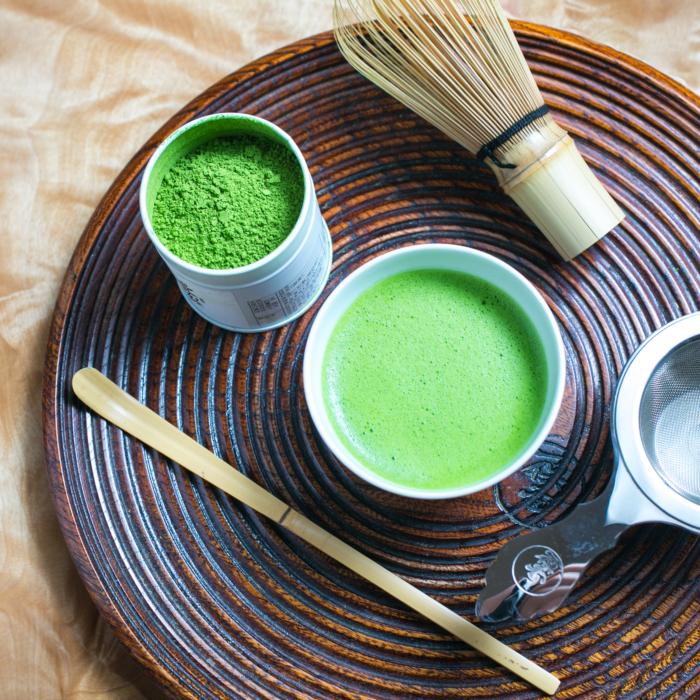
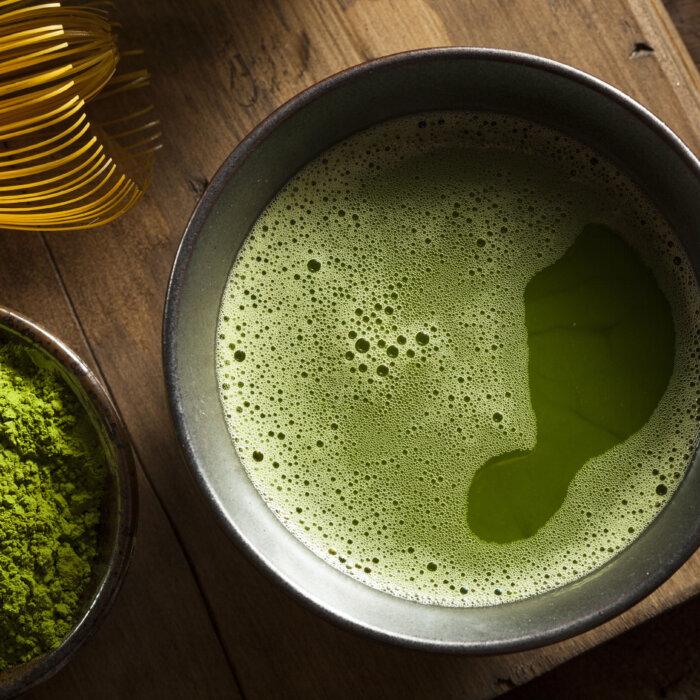
Customers can discern the quality of their matcha tea by examining its color and focusing on the pure taste of the product. A vibrant jade-green or emerald hue, combined with a silky texture, minimal bitterness, and a noticeable umami flavor, is what consumers should watch for.
Contamination in Tea
Researchers in a 2023 study published in Toxics reviewed 227 published papers on heavy metals in Chinese tea. They analyzed results from 34 tea-growing provinces and found cancer-causing metals in the tea, including arsenic, cadmium, chromium, copper, mercury, and lead.Samples from southwest China, Anhui province, and Shaanxi province were found to be beyond the acceptable safe range and extremely carcinogenic, or cancer-causing. The researchers recommended stricter control of heavy metal pollution in tea from these regions.
Pesticides such as neonicotinoids—an insect neurotoxin—are also frequently used on Chinese tea farms. Most studies focus on detection methods and how residues behave, but very little research examines the potential health risks from these treatments.
The researchers investigated 1,017 herb samples and found relatively high levels of insecticides in tea leaves and other above-ground parts of the plant.
Healthy US-Grown Alternatives
Several tea farms in the United States carry USDA organic certification, and some even produce matcha.Regular Green Tea
Did you know that the tea plant used to produce matcha also makes regular green tea? Its scientific name is Camellia sinensis, a small shrub of the Theaceae plant family. It grows best in acidic soil, humid weather, and mild temperatures—conditions you might even be able to recreate in your garden.The main difference between matcha and green tea comes down to the type of leaves used and the timing of the harvest, both of which influence their chemical makeup.
Moringa
Moringa oleifera is a short-lived tree native to India and Asia, often called the “miracle tree” or the “tree of life.”Moringa is sometimes compared with matcha in what has been called the “battle of the superfoods.” While its composition is somewhat different, the two share several qualities: Both have antioxidant properties, help fight inflammation, boost cardiovascular health, and strengthen immune function.
Spinach Powder
Everyone knows spinach, but have you considered its health benefits compared with matcha? While the green leaves of spinach cannot match the concentrated antioxidant levels found in matcha (similar to green tea), spinach still delivers plenty of nutritional value.You can find organic spinach powder made from freeze-dried or dehydrated leaves in health food stores or online.
The great thing about moringa, spinach, and matcha is that you can combine them, and they complement each other well. For a one-teaspoon matcha latte, simply use half a teaspoon of matcha and substitute the other half with moringa powder or a mix of moringa and spinach. Experiment with different mixes to find your favorite flavor. Add in your preferred milk, cream, or sweetener, and you’ve got a delicious and nutritious drink.