In much of the Western world, breakfast has become a rushed ritual of sugary cereals, flavored yogurts, and white toast. These habits may feel normal, but they’re far from harmless.
Problems With Common Breakfasts
The biggest concerns with common breakfast items such as cereals, pastries, granola bars, or instant oatmeal packets are that they’re often high in sugar and low in protein and fiber. This combination can lead to blood sugar spikes and crashes, Mary Curristin, a nutritionist at ART Health Solutions, told The Epoch Times.“These types of breakfasts can cause an initial energy boost followed by a crash, leading to irritability, poor focus, and increased hunger or cravings,” Curristin said.
Misconceptions About Breakfast Foods
People often choose sugary or processed breakfast items because of fixed ideas about what breakfast is “supposed” to look like. Many Americans view foods such as toast, cereal, and pancakes as the only acceptable breakfast options, while more nutritious foods are typically eaten at lunch or dinner. This mindset can limit healthier choices at the start of the day.In addition, many popular breakfast foods became staples not because they’re nutritious, but because of powerful advertising campaigns.
Thinking About Skipping Breakfast?
Some might wonder, why not just skip breakfast altogether? However, skipping breakfast may come with more downsides than you think.The Importance of a Healthy Breakfast
Why does breakfast matter so much? One reason may be its role in supporting mental clarity and emotional balance.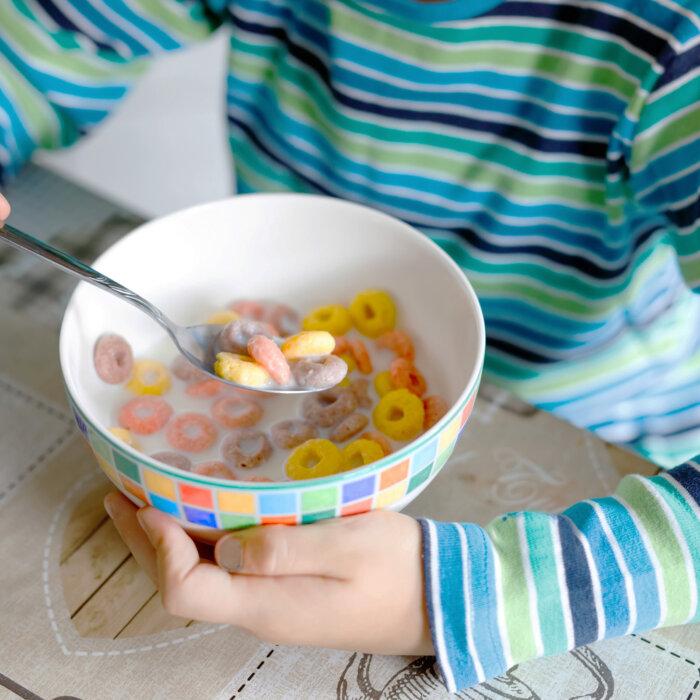

After a night without food, your body’s stored energy, or glycogen, is running low. Eating breakfast helps refill those stores, giving your brain the glucose it needs to function. That glucose also supports the production of tryptophan, which helps create serotonin—a brain chemical that influences mood, focus, and well-being.
While eating breakfast alone may not lead to weight loss, it seems to support healthier habits such as better eating patterns throughout the day.
Breakfast Quality Counts
It’s not just whether you eat breakfast that matters, but what’s on your plate.In fact, fiber intake at breakfast, especially around 1.5 grams, has been linked to better dinner quality.
What a Healthy Breakfast Looks Like
So what does a healthy, balanced breakfast look like in real life?- Greek yogurt with whole-grain oats, berries, and nuts
- Eggs on whole-grain toast with avocado
- Overnight oats with chia seeds and fruit
“These are all easy grab-and-go options that offer better nutrition than a sugary pastry or processed bar,” she said.
Mroz-Planells said even leftovers from dinner, such as a vegetable stir-fry with tofu or a whole grain bowl with beans, can make a perfectly balanced and satisfying morning meal.
If you go for cereal, Curristin suggested reading the label carefully:
Choose cereals with at least 3 grams of fiber and less than 5 grams of sugar per serving. Look for whole grains, minimal additives, and ideally 3 to 5 grams of protein. Fortification with iron, B vitamins, and vitamin D is also a plus.
“It’s important to aim for something nourishing, even if it’s small,” Curristin said.
“Your first meal sets the tone for the day—focus on stable energy, satiety, and nutrient density.”