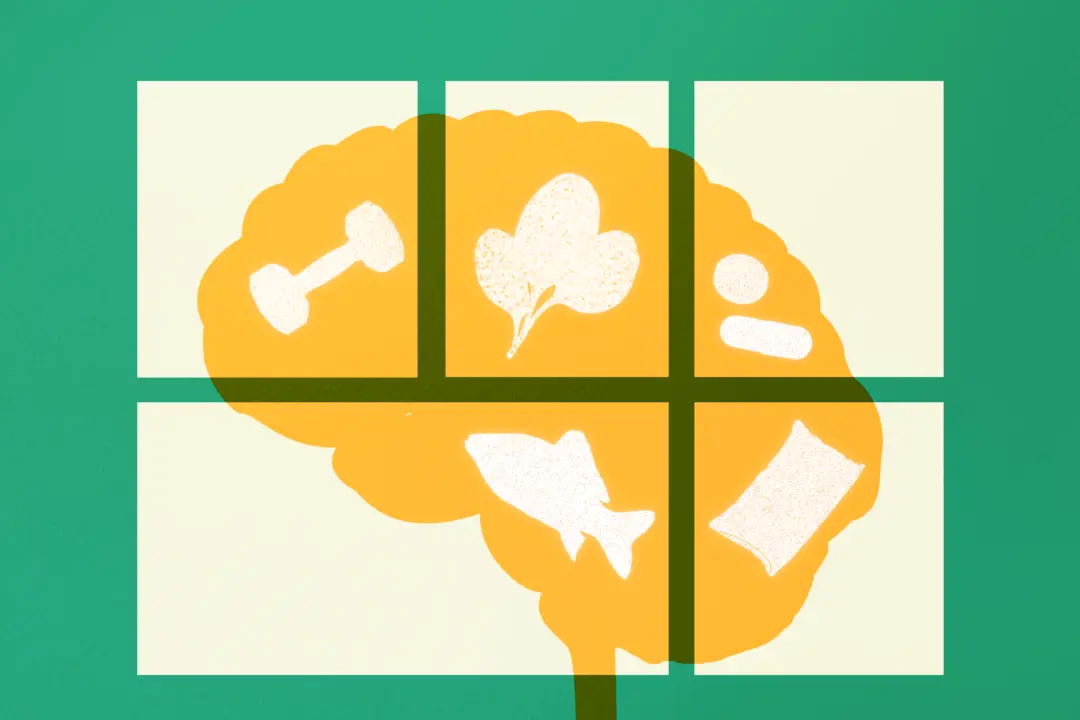
The conditions that doctors treat as separate problems—obesity, Type 2 diabetes, Alzheimer’s, heart disease, and even polycystic ovary syndrome—may share a single underlying driver: insulin resistance.
What Insulin Does
After we eat carbohydrates or sugar, glucose enters the bloodstream, triggering the release of insulin—a hormone that helps move sugar out of the blood and into the muscles and liver, where it can be used for energy or stored for later.When this system is working well, blood sugar rises briefly after a meal and then returns to normal.
“Without insulin working properly, sugar stays in the bloodstream instead of getting into the cells that need it,” Chantelle van der Merwe, a registered dietitian, told The Epoch Times.
Think of the body as a house made up of many rooms—your cells—and of sugar as the fuel that keeps everything running, she said. Insulin acts like a key that unlocks the doors of those rooms, allowing the fuel to enter and be used.
“If there’s extra sugar, insulin helps store it in the liver and muscles for later—like putting leftovers in the fridge,” van der Merwe said.
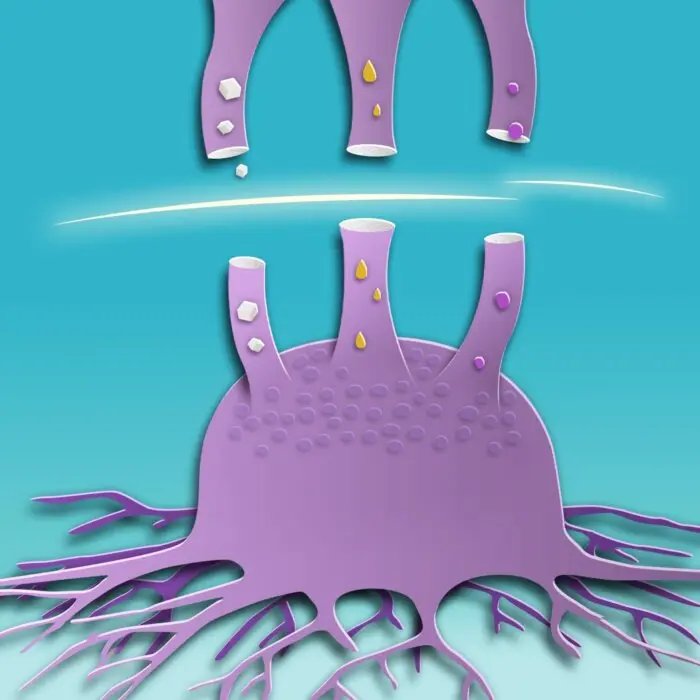

However, insulin does far more than manage blood sugar. It plays a central role throughout the body, influencing how cells grow, how they use energy, the production of other hormones, and even whether cells survive or die.
“Insulin is a master metabolic hormone influencing virtually every tissue in the body,” Dr. Sunil Kumar, a lifestyle medicine physician, told The Epoch Times.
The Conditions Insulin Drives
When blood sugar rises repeatedly, insulin is released more often. Over time, this constant demand can cause cells to become less responsive, a state known as insulin resistance. The body compensates by producing even more insulin, and a damaging cycle takes hold.Because insulin plays such a central role across multiple systems, the brain is especially vulnerable when insulin signaling breaks down, van der Merwe said. Brain insulin resistance refers to the failure of brain cells to respond properly to insulin, which can impair cognition.
Finally, insulin resistance affects how the body stores fat and responds to diet and exercise. In insulin-resistant states, fat breakdown is impaired, more fat is stored in organs, and weight and fat loss become harder to achieve, regardless of effort, she said.
Improve Insulin Sensitivity
The encouraging part is that insulin resistance is not fixed, and daily habits play a much bigger role than many people realize.Exercise is one of the most powerful tools for improving insulin sensitivity. Both aerobic activity—such as walking, cycling, or swimming—and resistance training help muscles absorb glucose without needing insulin.
“Doing calisthenics or light weights for 10 to 15 minutes a day is enough to start noticing change,” Sandra Arévalo, a registered dietitian nutritionist, told The Epoch Times. “There’s no need for a gym—you can do it at home with light dumbbells, or even water bottles.”
What we eat matters, too. “Fiber, fiber, and more fiber,” is the dietary change that van der Merwe sees making the biggest difference. “It’s also one of the biggest things missing in the diets of people struggling with insulin resistance,” she said.
Fiber slows glucose absorption and improves insulin response. Vegetables, legumes, whole grains, nuts, seeds, and fruit are all important sources—but quantity matters.
“People often say they eat these foods,” van der Merwe said. “The issue is they’re not eating enough of them to have a meaningful metabolic effect.”
Women younger than age 50 need at least 25 grams of fiber per day, while men need about 38 grams, and it’s only slightly less for those older than 50, she said.
“One cup of cooked vegetables provides roughly 5 grams of fiber, meaning a single salad or one serving of vegetables a day is nowhere near enough,” van der Merwe said.
She recommends pairing carbs with either protein or healthy fats, as they will slow the absorption of carbs, thereby reducing the need for excessive insulin production. Refined carbohydrates and liquid calories—sugary drinks, including fruit juices—should be limited, as they cause rapid insulin spikes without satiety.
Timing Is Also a Factor
One often-overlooked dimension is when we eat. Insulin follows a natural daily rhythm, rising in the morning and falling later in the day. What one eats upon waking has a greater impact on insulin control than does the same food eaten in the evening.“Insulin resistance is not a life sentence,” Kumar said.
Ultimately, the goal is not dietary perfection but physiological alignment, meaning building habits that work with the body’s natural metabolic rhythms rather than against them.