Inside your body, a slow-moving process may already have been underway for years—one that standard tests largely miss.
Early Warning Signs
Some early signs and patterns of insulin resistance are easy to overlook or are attributed to other causes.Skin changes, such as darkened patches on the neck or underarms—called acanthosis nigricans; increased hunger—even when you’ve eaten enough; low energy or fatigue from reduced glucose entering the cells; and brain fog or reduced mental clarity can all be early warning signals, Chantelle van der Merwe, a registered dietitian, told The Epoch Times.
If you’re carrying extra weight around your midsection or your blood sugar is crashing after meals, those are signs to pay attention to, Kumar said. Belly fat is often linked to fat around the organs, which can make cells less responsive to insulin. People with a family history of Type 2 diabetes need to be especially mindful.
Testing Insulin Is Complicated
You might think testing insulin levels would be the best way to spot insulin resistance—but it’s not that simple.
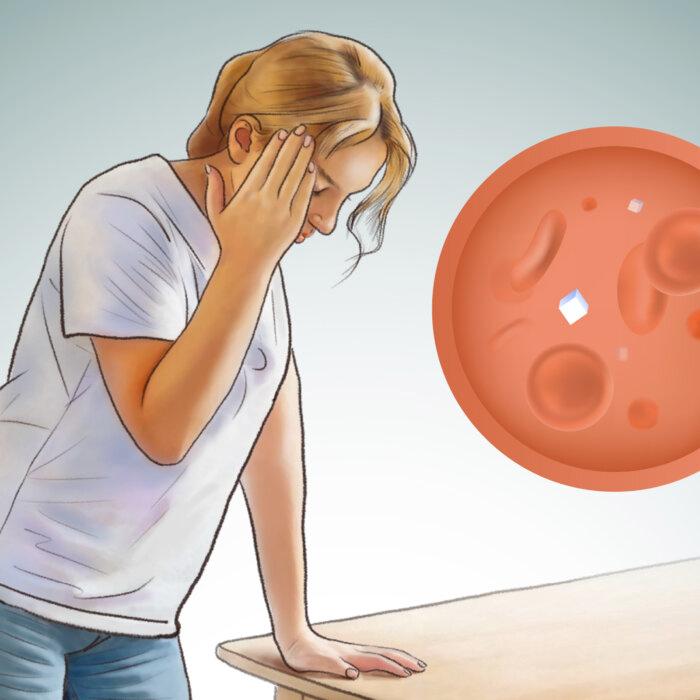
Measuring insulin on its own is unreliable, van der Merwe said, because there’s no standardized normal range. Unlike glucose, insulin tests can vary between labs, making a single reading hard to interpret. Insulin secretion also differs widely from person to person. Some people’s bodies compensate for insulin resistance by producing very high levels of insulin, while others, especially those with beta-cell dysfunction—a failure of the pancreas to make enough insulin—have impaired insulin secretion despite significant insulin resistance.
Because some people’s bodies compensate for insulin resistance by producing extra insulin, normal insulin levels don’t automatically mean you are insulin sensitive—meaning your body is responding properly to insulin. Likewise, a high insulin level doesn’t automatically indicate insulin resistance, van der Merwe noted.
Insulin also fluctuates throughout the day depending on recent meals, particularly carbohydrate and protein intake, stress hormones, sleep, exercise, and illness. Carbs raise blood sugar quickly, while protein triggers a slower, smaller insulin release.
“This is why a single fasting insulin value may not reflect true metabolic status,” van der Merwe said.
Beyond Carbs
Understanding that insulin can behave differently from person to person naturally raises a practical question: Should everyone cut carbohydrates to protect their health? Not necessarily.“Two people eating the same bowl of pasta can have completely different responses,” Kumar said.
Beyond insulin sensitivity, carbohydrate tolerance is shaped by factors such as muscle mass, physical activity, sleep quality, circadian rhythm alignment, stress, gut microbiota composition, and hormonal status.
Rather than assuming that carbohydrate restriction is the answer, dietary choices should match one’s metabolic capacity, lifestyle, and physiology, Sandra Arévalo, a registered dietitian, told The Epoch Times. Personalized nutrition—rather than blanket carbohydrate rules—is important.
“Instead of reacting once problems show up,” van der Merwe said, “early signals should be noticed—when there’s still plenty you can do to support your health.”