The expensive protein powders on the market offer an amino acid that your great-grandmother got for free—from the parts of the animal nobody wanted.
Bone broth simmered for hours, fall-off-the-bone lamb shank, rich slow-cooked meats, buttery bone marrow spread onto toast—these foods weren’t delicacies; they were once regular meals. Without knowing it, generations of home cooks were providing an overlooked nutrient—glycine.
What Glycine Does
Glycine makes up roughly one-third of all collagen, and it is structurally essential for skin, joints, tendons, ligaments, and fascia.“It’s far more than just a structural amino acid,” Jodi Duval, a naturopathic physician and owner of Revital Health, told The Epoch Times.
An Anti-Inflammatory
During periods of intense exercise, poor sleep, chronic stress, or inflammatory illness, demand for glycine rises because the body needs it for repair. When intake does not meet that demand, recovery suffers, Mpho Tshukudu, a functional nutritionist, told The Epoch Times.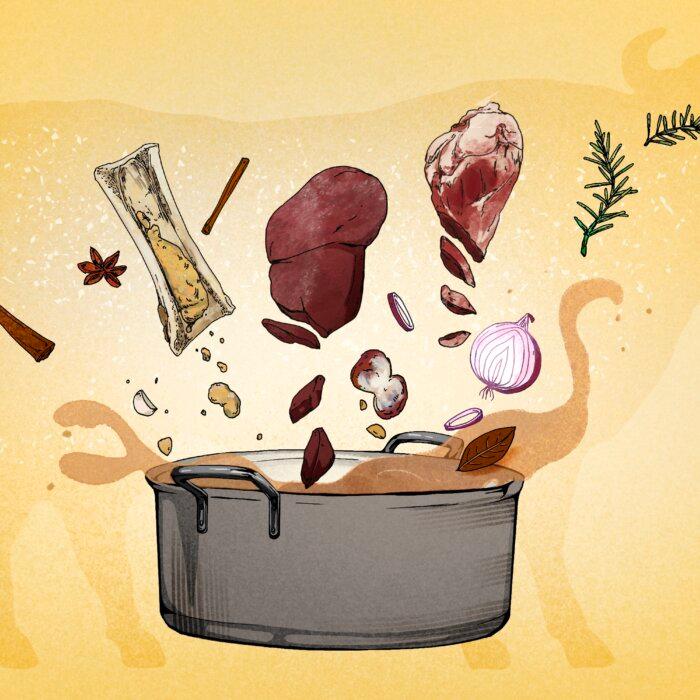

“Clinically, I often think of glycine as a buffering amino acid,” Duval said. “It helps create calm in inflamed systems, whether that’s the gut, brain, joints, or liver.”
Part of glycine’s anti-inflammatory effect appears to come from the way it helps regulate immune signaling. Glycine helps reduce the activation of inflammatory cytokines while also helping stabilize immune cell activity, she said.
How Modern Diets Created the Gap
The shift away from glycine-rich foods was not dramatic. It happened gradually, as convenience reshaped what we eat and how we cook.“Traditional diets naturally contained far more glycine because they made use of slow-cooked meats, bone broths, skin, cartilage, tendons, and other connective tissue, often through whole-animal or nose-to-tail eating patterns,” she said.
Modern diets, on the other hand, tend to focus more heavily on muscle meat such as chicken breast, steak, and protein powders, which are higher in methionine (an amino acid needed for growth and repair) but relatively low in glycine. Over time, this can create an amino acid imbalance, Duval said.
“The cuts, bones, and slow-cooked preparations that were culinary staples for generations are no longer common because they take longer to cook,” Tshukudu said.
How to Get More Glycine
Interestingly, rising food costs, growing interest in sustainability, and a renewed appreciation for nose-to-tail eating may be helping to shift this trend again, Tshukudu said.From a practical standpoint, Duval suggested starting with simple dietary changes—including bone broth a few times per week and adding slow-cooked meats such as osso buco, lamb shanks, or beef cheeks. More skin-on preparations and connective tissue–rich cuts, such as oxtail and chicken wings, can also help increase intake naturally because they contain more of the tissues where glycine is concentrated.
Tshukudu also suggested increasing foods such as slow-cooked soups made with bone-in cuts, cooked until the connective tissue breaks down, as well as oxtail and fish with soft edible bones such as sardines.
Hydrolyzed collagen powders added to coffee, smoothies, or porridge are another option. For plant-based eaters, pumpkin seeds, spirulina, sesame seeds, lentils, and soy can be included in soups, salads, smoothies, and stews.
“I also encourage people to cook culturally and traditionally,” Tshukudu said. “Many ancestral food practices across African, Asian, Mediterranean, and Latin cuisines naturally included nose-to-tail eating and long-simmered dishes, which provided glycine without anyone needing to think about supplements.”
Glycine levels are not usually checked as part of a regular blood test. If you want to measure glycine specifically, you generally need a more specialized test, such as a plasma amino acid test, which measures different amino acids in the blood. Some healthcare professionals may also use urine tests to assess how the body breaks down and uses amino acids.
Key Considerations
Before increasing glycine intake, it helps to understand that more is not always better, especially when the overall diet and lifestyle are not supporting recovery and repair.One of the most common mistakes people make, Tshukudu said, is reaching straight for a collagen peptide supplement instead of first improving overall dietary quality.
Collagen supplements can add glycine to the diet, but glycine does not work in isolation. It competes with other amino acids for absorption and relies on cofactors such as vitamin B6, folate, and choline to function properly. If the overall diet is lacking in these nutrients, supplementation alone may not be enough, she said.
“Glycine is a good example of how modern nutrition can focus on isolated nutrients while overlooking the food traditions that supported health for generations,” Tshukudu said. “Research is increasingly catching up with those older practices.”