Concerned that her child might bump their head while playing on the floor, a woman in her 30s covered her home with colorful plastic play mats. At times, the two would even take a nap on the mats.
However, after a while, something felt wrong. She began experiencing irregular menstrual cycles and unexplained discomfort. When doctors tested her urine, they found elevated levels of phthalate metabolites, markers of plasticizer exposure. Following her doctor’s advice, she removed the plastic mats from her home, and her menstrual cycle returned to normal.
Lin Shao-Cheng, director of Trinity Heart Integrative Medicine in Taiwan and a neurologist, shared this case with The Epoch Times. According to Lin, long-term exposure to endocrine-disrupting phthalates—chemical compounds used to make plastics—can cause hormonal imbalance, childhood asthma, impaired cognitive development, cardiovascular problems in adults, and may even increase the risk of certain cancers.
Children Face the Greatest Risk
“Pregnant women and children are the two groups most affected by plasticizers,” Tzung-Hai Yen, director of the Clinical Poison Center at Chang Gung Memorial Hospital in Taiwan, told The Epoch Times.Reproductive System Issues
Excessive exposure to phthalates may lead to early puberty in girls, while in boys, it can reduce the secretion of androgen or male hormones and result in feminizing characteristics.Asthma and Rhinitis
A study published in July, which analyzed data from more than 5,000 children in Australia, Canada, and the United States, found that early-life exposure to phthalates and bisphenols—another group of environmental hormones commonly found in plastics—may contribute to allergic conditions in children, including asthma and rhinitis. Rhinitis refers to irritation of the mucous membrane lining the inside of the nose and often causes a runny or stuffy nose in children younger than 5.Impaired Cognitive Development
Phthalates can cross the placenta and enter the fetus, interfering with neural tube development and affecting cognitive function.Attention-Deficit/Hyperactivity Disorder (ADHD)
Earlier research found that higher concentrations of phthalates in a pregnant woman’s urine were associated with an increased risk of ADHD in her children.Pediatric Bone Cancer
Phthalates are sometimes used in the manufacture of medication capsules.

Adults Aren’t Immune
In adults, excessive exposure to phthalates can also increase the risk of various chronic diseases and cancers. However, when symptoms arise, most adults never connect them to the effects of environmental hormone exposure.Cardiovascular Disease
A study published in July reported that more than 356,000 cardiovascular-related deaths worldwide in 2018 may have been attributable to phthalate exposure, accounting for more than 13 percent of all cardiovascular deaths among people aged 55 to 64.Dementia
Elevated levels of phthalates have been detected in the brains of some patients with dementia.Breast Cancer
A study published in Environmental Sciences Europe in March analyzed data from 5,563 participants in the U.S. National Health and Nutrition Examination Survey (NHANES) from 1999 to 2016. The study identified four types of phthalates associated with a higher risk of breast cancer. Among patients with the disease, those with greater phthalate exposure had a poorer prognosis.Menopausal Symptoms
Environmental hormones may also worsen menopausal symptoms.Chronic Pain
A 2023 study based on NHANES data found a positive correlation between higher levels of phthalates and chronic pain.How to Reduce Your Exposure
Phthalates can cause significant harm to the human body, but they are excreted relatively quickly. The half-life of phthalates in the body is about 12 hours. Although they are metabolized rapidly, repeated long-term exposure can still lead to cumulative health effects.1. Drink Plenty of Water
Phthalates are metabolized by the liver and excreted through the kidneys. Staying well-hydrated helps support metabolism and detoxification.2. Eat More High-Fiber Foods
High-fiber foods such as fruits, vegetables, and whole grains support gut health and help eliminate toxins through the digestive tract.3. Load Up on Colorful Produce
Since phthalate toxicity is linked to oxidative stress, antioxidant-rich foods may help counteract its effects. Reach for tomatoes and watermelon (lycopene), pumpkin and sweet potatoes (beta-carotene), dark leafy greens (chlorophyll and lutein), and grapes and plums (anthocyanins and vitamin C).4. Choose Organic Soy Products
This is particularly relevant for women. A 2023 meta-analysis from Johns Hopkins University involving 11,837 women found that soy compounds were associated with a 26 percent reduction in the risk of breast cancer recurrence.5. Limit High-Fat Foods and Organ Meats
Most environmental hormones are fat-soluble and tend to accumulate in the food chain. Foods high in fat—such as grilled meats, fatty cuts, chicken skin, and cakes—are best eaten in moderation.6. Avoid Heating Plastic Containers
Some food containers, plastic wrap, and plastic bags may contain phthalates. Avoid exposing them to high temperatures. When using a microwave, reduce heating time by half to lower the risk of plasticizer release.7. Wash Hands Before Eating
Always wash your hands before meals. Children should avoid eating while playing with toys to reduce ingestion of environmental hormones.Phthalates may be present in some plastic coffee cups or in the lining of paper cups, particularly those made with polyvinyl chloride or PVC, Yen noted. For cosmetics, it is advisable to choose products that are unscented or made with natural ingredients.
Additionally, when purchasing goods or food products, it is important to develop the habit of reading ingredient labels and selecting items with clear sourcing and trustworthy branding.
- Fragrance or parfum
- PVC or plastic
- Di(2-ethylhexyl) phthalate or DEHP
- Dibutyl phthalate or DBP
- Butyl benzyl phthalate or BBP
- Diisononyl phthalate or DINP
- Diisodecyl phthalate or DIDP
- Bisphenol A or BPA
- Bisphenol S or BPS
- Synthetic musk or artificial fragrance oils
TCM Approaches to Detoxification
In traditional Chinese medicine (TCM), herbal teas and acupoint massage are often used to support detoxification. Yi Min Tien, director of Dr. Tien’s Clinic in Taiwan, shared the following detoxification methods in an interview with The Epoch Times:Drinking Rose Tea
Rose petals contain natural polyphenols that help support the body’s metabolic functions. Choose organic products or those tested and confirmed to be free of pesticide residues to avoid unnecessary exposure.Massaging Acupoints
TCM holds that the human body has an inherent ability to heal itself, and acupoint massage can help enhance the body’s natural immune function.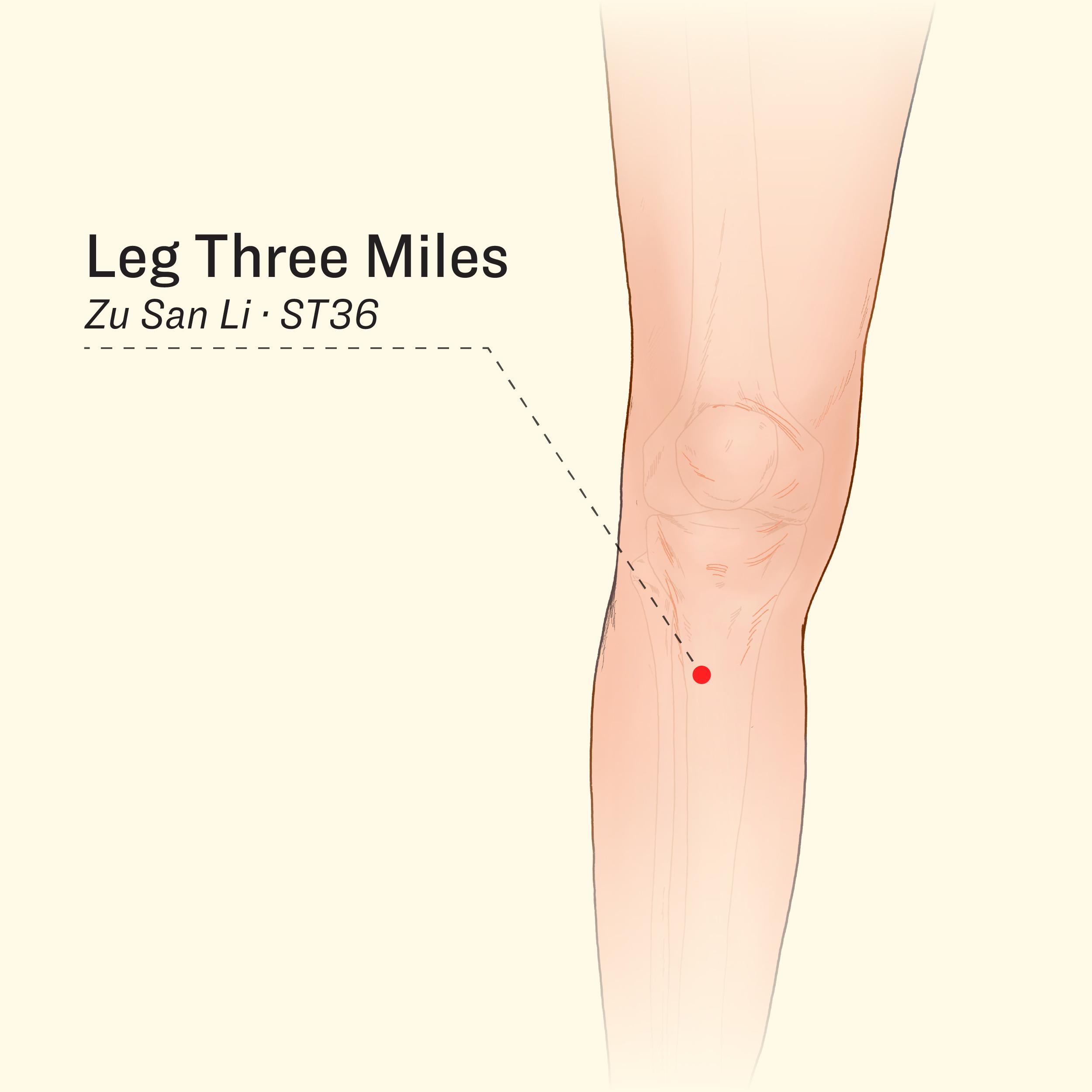
- Use your thumb or knuckle to press firmly into the point.
- Apply circular pressure for one to two minutes on each leg.
- Expect mild soreness or a warm, spreading sensation—this is normal and indicates proper stimulation.
- Repeat one to two times daily, especially when feeling fatigued or rundown.
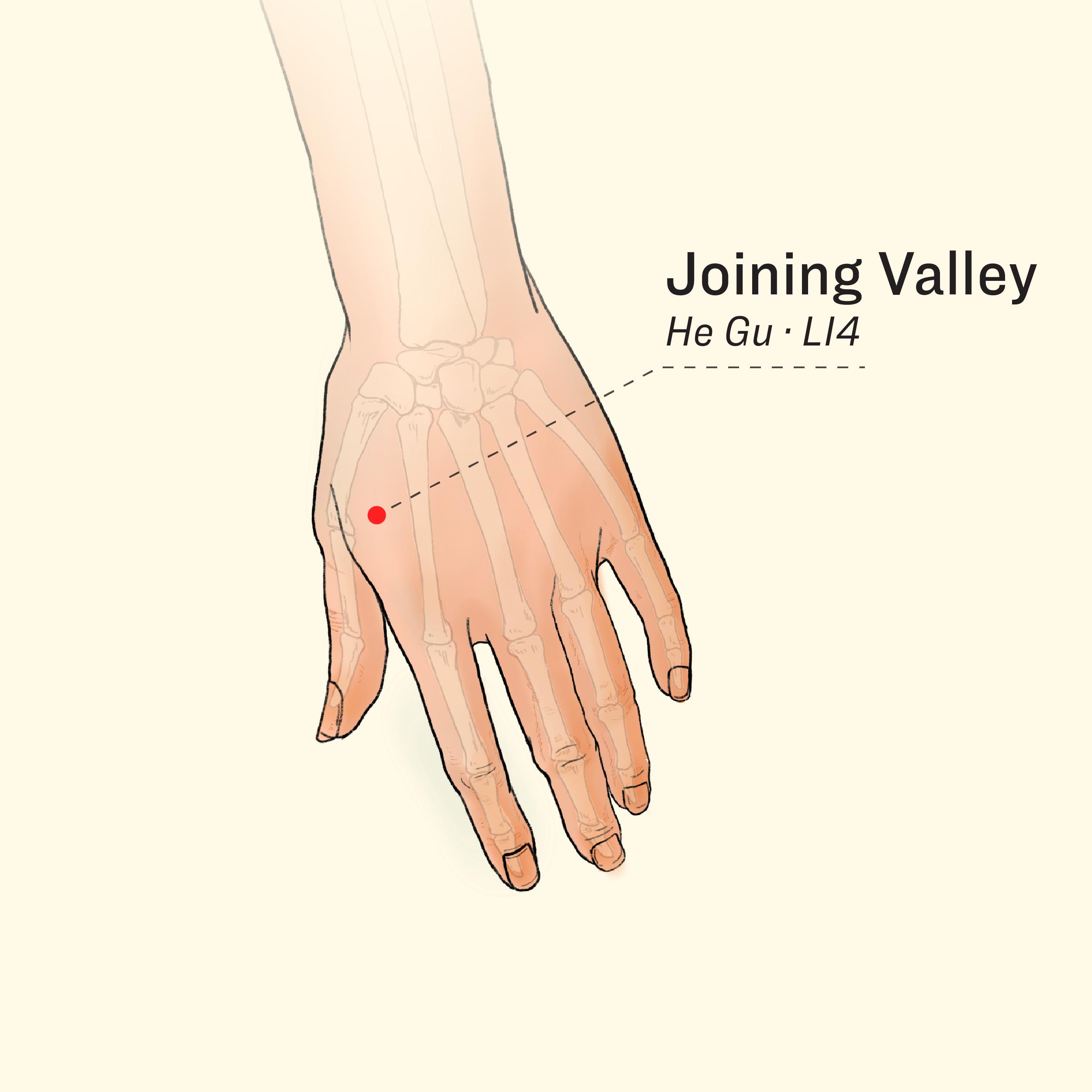
- Use the thumb of the opposite hand to press down and inward toward the center of the palm.
- Apply steady pressure for 30 to 60 seconds, then release.
- Repeat three to five times on each hand.
Maintaining a Healthy Daily Routine
According to TCM, the body has multiple energy pathways or meridians through which vital energy flows.The gallbladder meridian is most active from about 11 p.m. to 1 a.m., and the liver meridian from 1 a.m. to 3 a.m. The liver-gallbladder energy system plays a crucial role in detoxification and stress relief.
Missing sleep during these hours may cause the body to miss key opportunities for natural repair, clearing metabolic waste, and releasing emotional stress.
Tien noted that regular exercise, adequate protein intake, and maintaining a positive mood are also essential for supporting the body’s detoxification processes.