This copy is for your personal, non-commercial use only. Distribution and use of this material are governed by our Subscriber Agreement and by copyright law. For non-personal use or to order multiple copies, please contact The Epoch Times Reprints.
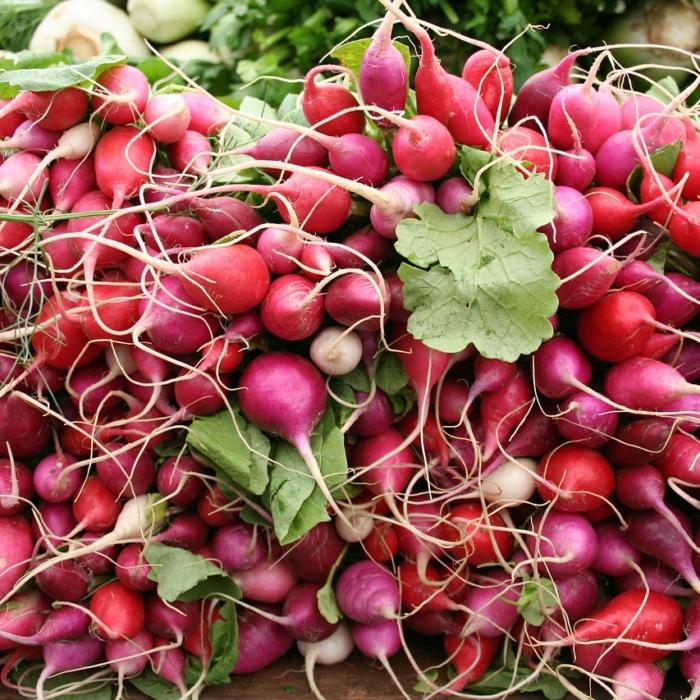
An ancient Chinese saying recommends we “Eat radishes in winter.” Is there any wisdom to this adage? In this article, we will explore these benefits and discuss precautions for eating them.
Radishes, with their pungent and peppery flavors, are packed with numerous beneficial nutrients. They are highly nutritious and low in calories, making them ideal for increasing a sense of satiety and aiding in weight control. In 100 grams of radishes, there are only 16 calories, with 3.4 grams of carbohydrates, 1.6 grams of fiber, and 0.68 grams of protein. Additionally, they contain vitamins C and A, potassium, calcium, and phosphorus, among other nutrients.
1. Anti-inflammatory and Antibacterial
Radishes exhibit anti-inflammatory properties. Many chronic diseases, including arthritis, cancer, atherosclerosis, and high blood pressure, are associated with chronic inflammation. Radishes belong to the cruciferous vegetable family, and research has found that extracts from cruciferous vegetables and their purified constituents possess anti-inflammatory properties.
The medicinal compounds found in radishes include glucosinolates, isothiocyanates, and polyphenols. Research has revealed that isothiocyanates exhibit a remarkable antibacterial effect, with an activity rate of up to 87 percent against drug-resistant bacteria. When combined with conventional antibiotics, this isothiocyanate compound significantly enhances the antibiotic’s effectiveness, while offering a potential solution against bacterial resistance.
In traditional Chinese medicine (TCM), radishes are considered to have a cooling nature, capable of clearing heat and toxins. This aligns with the Western medical concept of anti-inflammatory properties. In other words, there is a consensus between TCM and Western medicine in this regard.
2. Anticancer and Antioxidant
Radishes also possess anti-cancer properties. Research has found that the isothiocyanates in radishes can inhibit the proliferation and metastasis of tumors by regulating various proteins and signaling pathways. This, in turn, helps prevent the development of various types of tumors.
Additionally, the abundant vitamin C in radishes contributes to preventing and controlling the proliferation of cancer cells. The rich content of flavonoids, particularly anthocyanins, in radishes acts as an antioxidant with anti-cancer properties. A study suggests that anthocyanins can reverse multidrug resistance in cancer cells, demonstrating anti-tumor activity.
3. Antidiabetic
Radishes can also help manage blood sugar levels. Research has indicated that radishes enhance antioxidant defense mechanisms, reduce oxidative stress and lipid peroxidation, promote glucose uptake and energy metabolism, improve hormone-induced blood glucose regulation, and decrease glucose absorption in the gut, demonstrating potent anti-diabetic effect.
Another literature review suggests that bioactive compounds found in different parts of radishes, such as leaves, sprouts, stems, and roots, can act on multiple potential drug targets associated with conditions like cancer, inflammation, liver damage, and diabetes.
The abundant vitamin A in radishes serves as a crucial antioxidant beneficial for our vision. Additionally, the vitamin K in radishes plays a vital role in bone health and blood clotting. Radishes are also high in fiber, aiding in digestion.
Traditional Chinese medicine believes that radishes can regulate qi, soothe the liver, and promote digestion. This aligns with findings in modern medicine.
Why Eat Radishes in Winter?
According to TCM theory, most foods are categorized as having either cold, hot, or neutral properties. Eating cold-natured foods imparts a cooling effect, while hot-natured foods provide warmth. Therefore, maintaining equilibrium in the body involves balancing the intake of cold and hot-natured foods.
In TCM, radishes are considered “cold” in nature. Given that winter is already quite cold, why is there a saying that encourages eating radishes in winter?
The saying, “Eat radishes in winter,” refers to specific conditions. During the cold winter weather, people tend to preserve heat in their bodies and eat hot-natured foods, such as stewed lamb and beef. This can lead to excessive heat in the body. Incorporating radishes, known for their cooling nature, helps balance out the heat from other foods.
The abundance of nutrients in radishes contributes to enhancing our immune system and resistance to infections in winter. Additionally, eating radishes during winter aligns with the concept of “seasonal eating,” which advises against the consumption of vegetables and fruits that are out of season. TCM emphasizes the connection between human health and the environment, and seasonal produce is considered highly beneficial, providing optimal nutrition and energy for the body. Therefore, it is generally advisable to eat seasonally ripe radishes in winter.
Things to Consider When Eating Radishes
While radishes offer numerous benefits, there are some considerations to be made when eating them.
1. Eating raw radishes can potentially irritate the digestive tract. Individuals with conditions such as gastric ulcers or gastritis should be mindful and avoid eating radishes in their raw form.
2. People taking anticoagulants should moderate their radish intake due to the blood-clotting properties of vitamin K found in radishes.
In summary, from a Western medicine standpoint, radishes are recognized for their anti-tumor, anti-inflammatory, blood-sugar-lowering, and liver-protective properties. In traditional Chinese medicine, radishes are believed to clear heat, detoxify, dispel phlegm, suppress cough, moisten the lungs, and promote digestion. Therefore, apart from the specific groups mentioned above, incorporating radishes into your diet can offer significant benefits in terms of both energy and nutritional value. As the winter season approaches, consider adding some radish to your meals for overall health enhancement.
Views expressed in this article are the opinions of the author and do not necessarily reflect the views of The Epoch Times. Epoch Health welcomes professional discussion and friendly debate. To submit an opinion piece, please follow these guidelines and submit through our form here.
Jingduan Yang
M.D.
Dr. Jingduan Yang is a board-certified psychiatrist and fifth-generation classical Chinese medicine physician whose work bridges Western psychiatry, functional medicine, and ancient healing traditions. He is the creator of the ACES Model of Health and Medicine—a four-dimensional framework spanning anatomy, chemistry, energy, and spirit—and the author of “Facing East” and “Clinical Acupuncture and Ancient Chinese Medicine.” As a principal founder of the Northern School of Medicine and Health Sciences, he advances whole-person care grounded in science, ethics, and humanity.