Parents may be surprised that everyday foods they feed their children—including cereals, chips, pastries, pudding mixes, and soups—contain a synthetic yellow dye. This dye can be present even if the foods aren’t bright yellow.
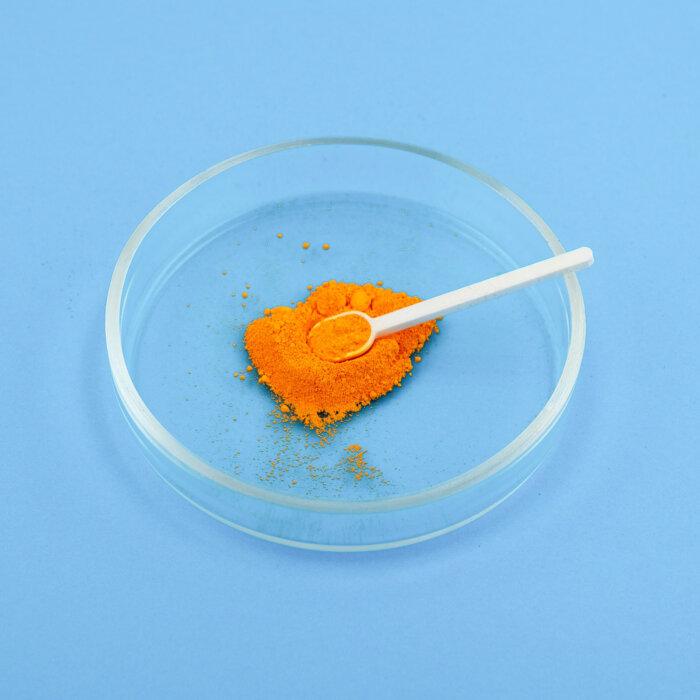
Tartrazine, or yellow 5, is a dye derived from coal tar that is often added to make foods look more appealing. The dye is also found in a number of non-food products such as medications, art supplies, beauty products, and fragrances.
Among the Top Food Dyes
Yellow 5 and 6 and red 40 are all azo dyes—synthetic colorants without nutritional, health, or food preservation benefits.“They also happen to be the top three dyes used in foods in the United States, accounting for more than 90 percent of dyes certified for use in food,” Lisa Lefferts, environmental health consultant, told The Epoch Times in an email.

The Case for Banning
In a study published in the Journal of Pediatrics in 1994, 34 children aged between 2 and 14 were randomly given six different doses of tartrazine each morning for six weeks while 20 control subjects were given a placebo. Their behavior was recorded by parents, and 24 of the children were found to be “clear reactors,” experiencing symptoms such as irritability, restlessness, and sleep disturbances at all dose levels. Doses above 10 milligrams were associated with a prolonged effect.“This kind of ‘dose-response’ relationship is considered strong evidence of a true effect, as opposed to a random/spurious finding,” Lefferts said. “Most of the clinical trials of dyes only tested one dose, and we now know that many of those used doses that were rather low compared to what some children consume. So while I’d like to see all synthetic food dyes banned, the case for banning yellow 5 is particularly strong.”
In his video, Kennedy doesn’t explicitly state that he or Trump would ban tartrazine. Kennedy noted that while he was highlighting tartrazine, he could easily have made the video about red 40, potassium bromide, or as many as 100 chemical food additives. He did not respond to an interview request from The Epoch Times.
“If just one chemical can cause all these problems, imagine what they are doing in combination,” Kennedy said. “That’s never been studied.”
- Hyperactivity
- Inattentiveness
- Restlessness
- Sleeplessness
- Irritability
- Aggression
How Dyes Get Banned
While the FDA has previously approved azo dyes, the agency has authority to remove them from its food additive list. It can be the result of public petitions or an internal review.In 2018, the FDA banned seven synthetic food flavorings and enhancers as a result of a petition. Six of them caused cancer in animal studies, and according to a clause added to the Federal Food, Drug, and Cosmetic Act in 1958, any food additive that causes cancer in humans or animals at any dose cannot be approved.
Meeting FDA Standards
Sarah Gallo, senior vice president of product policy at Consumer Brands Association, told The Epoch Times in an emailed statement that the organization supports the “proven, science and risk-based process established by the FDA to review the safety of food additives.”The Consumer Brands Association represents the packaged goods industry. Members include General Mills, Inc., Coca-Cola, and WK Kellogg Co., which was recently targeted with a petition to remove food dyes from its cereals and other products.
“To outright ban ingredients that have been proven safe would overstep the FDA scientific review of these additives and create significant regulatory uncertainty and unnecessary confusion for consumers,” Gallo said. “Consumer Brands will continue advocating for oversight from qualified experts, scientists and regulators to support public health, build consumer trust and promote consumer choice.”
Among the reasons it cites is the FDA’s role in ensuring that dyes are safe, including safety assessments.
“All color additives allowed for use in the US and the EU have been extensively studied, which translates into the ability to always assure that colors, enjoyed under their intended use, are safe for the consumer,” the website states. “There are a multitude of published studies focused on color additive safety that are accessible to the public for review.”
‘All Relevant Studies’
Lefferts said it’s true that some studies have failed to find an association between dyes and behavioral symptoms. An examination of the issue, however, should include an evaluation of all relevant studies, she said.“That’s just what California’s OEHHA did,” Lefferts said. “They scrutinized all of the evidence. And, as the OEHHA report found, most studies in children do find that dyes impact neurobehavior. Plus, OEHHA found that higher-quality studies in children were more likely to find effects.”