Grinding through mentally demanding work without pause is the physical equivalent of sprinting nonstop for an hour.
The 7 Rest Profiles
Dr. Saundra Dalton-Smith, author of “Sacred Rest” and a board-certified internal medicine physician, has identified seven types of rest after treating patients with normal bloodwork, sleeping well, and no underlying medical cause for their exhaustion. The culprit was simpler than most expected, she found.“The majority of the work most of us do is not physically demanding. We’re sitting on our behinds all day long,” she told The Epoch Times. “Often the work is creatively demanding. We’re constantly using that kind of energy, but we don’t think about it as being energy that we’re depleting.”
1. Creative
Deficits in creative rest can manifest as a lack of inspiration or difficulty brainstorming, thinking outside the box, or being innovative.You can counter the effects of creative exhaustion by taking in creativity, rather than being a creator. Spend time in nature, watch the sunset or sunrise, listen to music, or appreciate architecture.
2. Mental
Signs of cognitive overload include trouble concentrating or clearing the mind, ruminating thoughts, and constant mental chatter.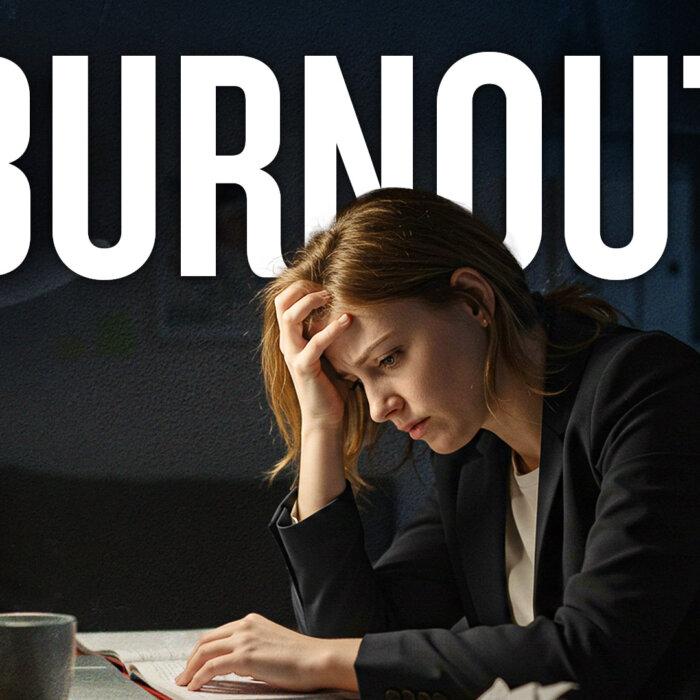

3. Emotional
An emotional rest deficit can cause anxiety, depression, people-pleasing tendencies, or a creeping sense of disconnection from yourself and others.4. Spiritual
Becoming spiritually tired can lead to a lack of motivation or moving through life without purpose or meaning.Depending on your beliefs, prayer or meditation might help. Volunteer work, service, and meaningful connections with nature or other people are other options.
5. Social
Social rest works differently depending on your personality. For extroverts, depletion can come from too much time alone. For introverts, it can come from too much time with people who need something from them. Either way, the signs are similar: feeling unappreciated, lonely, used, or taken for granted.6. Sensory
Overstimulation shows up as irritability around excessive noises or smells or difficulty enjoying sensory-rich experiences, such as a concert, that used to bring pleasure.7. Physical
Physical exhaustion can cause swelling, pain, tightness, or tension in the area that’s been overused or physical symptoms with no medical explanation.Recognizing the Rest You Need
Most people are surprised where their deficits show up and realize that, when they follow through with the restorative practices, Dalton-Smith’s suspicions were spot-on. The reason is that most of us aren’t intuitive about our mind-body connections or our own needs.Addressing deficits one at a time, starting with the most depleted, can be enough to reverse early burnout and keep it from returning, she said.
“A lot of people are able to be self-sufficient even in their burnout. They’re what I call functional burnouts. They’re showing up every day. They’re producing. They look successful sometimes,” Dalton-Smith said. “The world’s like, ‘Wow, look how much they accomplished,’ but they’re accomplishing at the sake of their own satisfaction.”
For Tina Haisman, experience proved to be the best teacher for creating the right type of rest in her life two decades ago. Before she was a life coach, she was a stay-at-home mom, yet she wrestled with high stress despite living the life she’d always wanted.
“I didn’t like who I was,” she told The Epoch Times. “My friends were like, ‘Get a massage,’ and so I did.”
The experience was amazing, Haisman said, as it offered physical and emotional relief. But when she returned home to needy, crying children, her stress quickly returned and took a toll on her health—exhaustion, dissociation from her body, and emotional turmoil.
Redefining Rest
Dr. Tommy Wood, a neuroscientist and performance consultant, makes an important distinction: Rest cannot substitute for sleep, which is essential for basic brain restoration and day-to-day functioning. However, rest is as vital in its own right.“You need a period of rest so that you can go and do it again, just like if you’re doing sets at the gym,” Wood said.
His recommendation is to break rest into short periods throughout the day—either pausing activity entirely or shifting to something that gives the brain a break from its repetitive demands. His preferred method is simple, slow-paced breathing done once an hour or so.
“When you’re breathing out for longer than you’re breathing in, that has a relaxation effect on the body and brain,” Wood said. “You can achieve that in a few minutes.”
“Whether we are physically pouring out—or mentally or relationally—we feel the difference,” Dalton-Smith said. “We can tell that we’re not our best.”