This new information not only underscores the importance of men’s dietary choices for their own well-being but emphasizes that they may have a more substantial role in shaping the well-being of future generations than previously believed.
How a Father’s Diet Affects Future Offspring
More research and human studies are needed to fully understand the extent of a father’s diet’s effect on his offspring. However, substantial evidence supports the correlation between pre-conception food intake and offspring health outcomes.The recent study, published in Nature Communications in April, highlighted the proportion of macronutrients male mice consumed and their gender-specific effects on their offspring. The proportion of fat in the male mice’s diet had the greatest effect on female offspring, and the effects of the interaction between carbs and protein were only witnessed in male offspring.
Male mice that consumed a high-fat diet had “larger subcutaneous fat deposits and smaller brown fat deposits.” The percentage of fat in the father’s diet directly correlated to their female offspring’s body fat. The female offspring also exhibited early indicators of metabolic disease, such as Type 2 diabetes. The dietary fats in the study were kept consistent across all groups by maintaining the proportion of saturated fats to the total fat content and keeping the amount of omega-3 to omega-6 fatty acids at a consistent ratio.
The fathers fed a high-protein diet had female offspring with reduced blood glucose levels. The mice given less protein and more carbs sired more anxious sons who chose to spend their time in the safer, less risky areas of the maze. Of note, the male mice eating a low-protein diet ended up eating more food overall. The new study suggests that the macronutrient composition of a father’s diet is just as important as the total caloric intake, if not more so.

What Is Epigenetics?
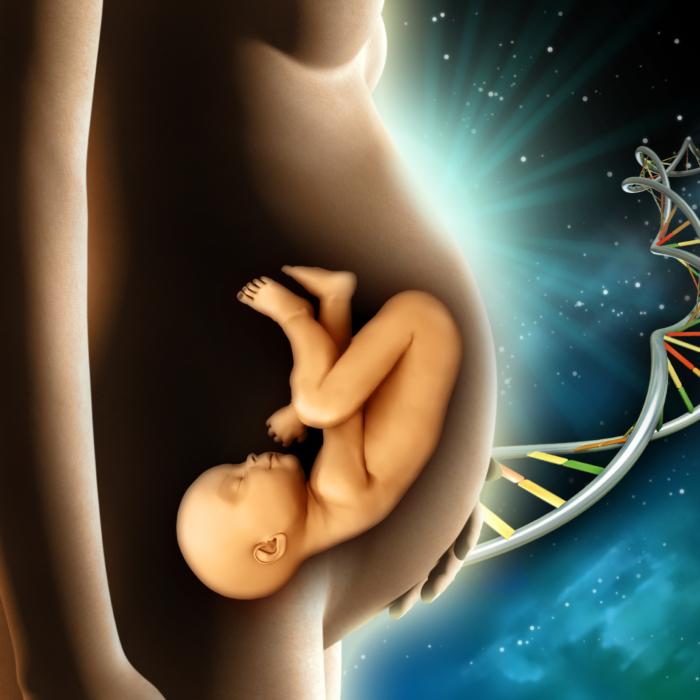
In short, epigenetics is nature’s on/off switch. Epigenetics is the study of changes in gene function that occur without a change in the DNA sequence. Dr. Kevin Huffman, chief executive officer and founder of AmBari Nutrition, told The Epoch Times in an email, “DNA is the code of life, but epigenetics is the layer of instruction manuals that tell the cells how to express the genes.”These changes, influenced by factors such as environment, diet, and lifestyle, can modify the way genes are expressed, turning them on or off, akin to a light switch. This flip can significantly affect an individual’s health and development. Some epigenetic changes can be passed down from one generation to the next, meaning that the lifestyle choices of parents can affect the health of their children and grandchildren.
“You can think of it as changing the dials on a piece of equipment, tweaking how certain genes get expressed in the developing child,” explained Dr. Huffman, who is a doctor of osteopathic medicine and a board-certified bariatric physician. “It is important to maintain a healthy weight and manage your stress level. Obesity is related to poor sperm health, so reaching an ideal healthy weight and staying active can help.
“A father with a diet full of processed foods, saturated fats, and added sugars can make his children more likely to be obese or have metabolic disorders. He can pass along epigenetic changes that could affect how his children’s bodies process nutrients and store fat, making them more susceptible to weight gain and metabolic problems down the road.”
Dietary Suggestions for Fathers-to-Be
So what should future fathers eat to ensure the health of their offspring? Dr. Erik Natkin, an osteopath and medical director of R2 Medical Clinic, provides evidence-based dietary suggestions. He told The Epoch Times in an email: “Diets rich in folate, found in leafy greens, can help in methylation processes that play a significant role in genetic expression. Furthermore, antioxidants found in fruits and vegetables can protect sperm DNA from oxidative stress, potentially reducing the risk of mutations being passed to the next generation.“Studies show that diets high in processed foods and trans fats can negatively affect sperm quality and might alter gene expression in ways that could be passed on to offspring. In practical terms, this means advising future fathers to include foods like nuts, seeds, fish, and a variety of vegetables and fruits, which are not only good for their own health but may also benefit their future children.”
This research suggests that future fathers who maintain a healthy diet and active lifestyle can potentially mitigate the health risks associated with their dietary choices, ensuring a healthier future for their children.