A 40-year-old woman went to a traditional Chinese medicine (TCM) practitioner with a complaint of neck pain. As the owner of a company, she was subject to persistent high stress in her daily work, and paid little attention to her diet. Her abdomen was starting to bulge as a result.
The TCM practitioner first took her pulse using traditional diagnostic methods and found that it felt like a “violin string,” indicating high blood pressure pings against the blood vessel walls. Blood pressure measurements revealed a systolic pressure of 160 mmHg and a diastolic pressure of 95 mmHg. At only 40, she could hardly imagine having hypertension.
With combined acupuncture and herbal medicine, the woman’s blood pressure decreased, and her neck felt more relaxed and comfortable. Currently, she is still receiving TCM treatment and does not need to take antihypertensive medication.
Jonathan Liu, director of the Liu’s Wisdom Healing Centre in Ontario, Canada, and an Epoch Times contributor, recounted this patient’s case on “Health 1+1,” on NTD, a sister outlet of The Epoch Times. He pointed out that neck pain may be an early sign of hypertension, and abdominal obesity is also prone to many cardiovascular diseases.
TCM Views on the Causes and Treatment of Hypertension
From a TCM perspective, hypertension reflects an energy imbalance in the body, particularly involving the liver’s energy system. In TCM, the liver refers not only to the anatomical organ but also to the energy system centered around it, which regulates energy flow throughout the body and influences blood circulation.
1. High Stress
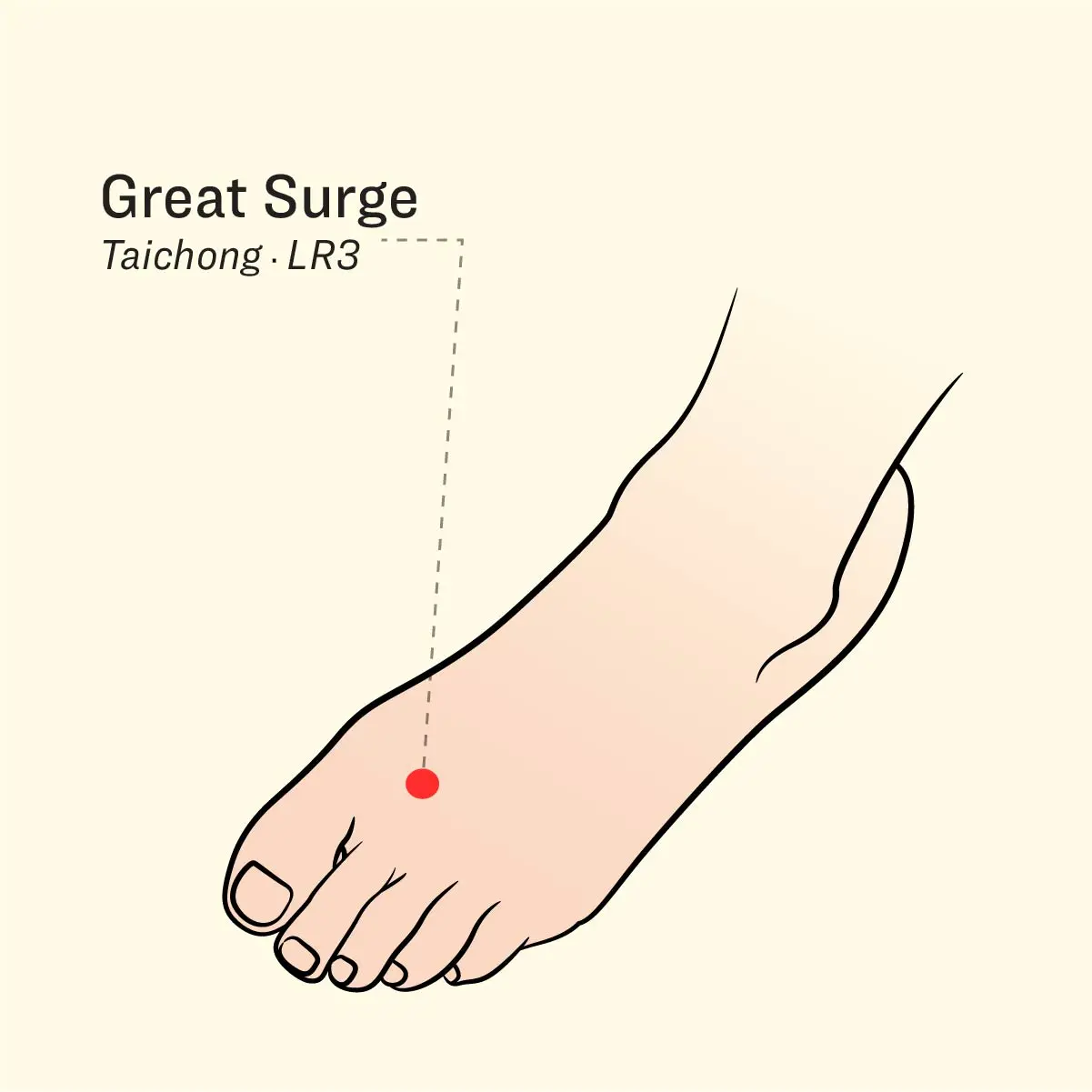
The most common cause of hypertension is stress. People with high-stress jobs often experience “liver fire,” with symptoms including dizziness, headache, and irritability. In this case, it is recommended to massage the Taichong (LR3) acupoint on the top of the foot daily.Taichong lies on the liver meridian, which can regulate the sympathetic system and relieve the increased heart rate and blood pressure caused by stress.
2. Prolonged Sitting and Neck Pain
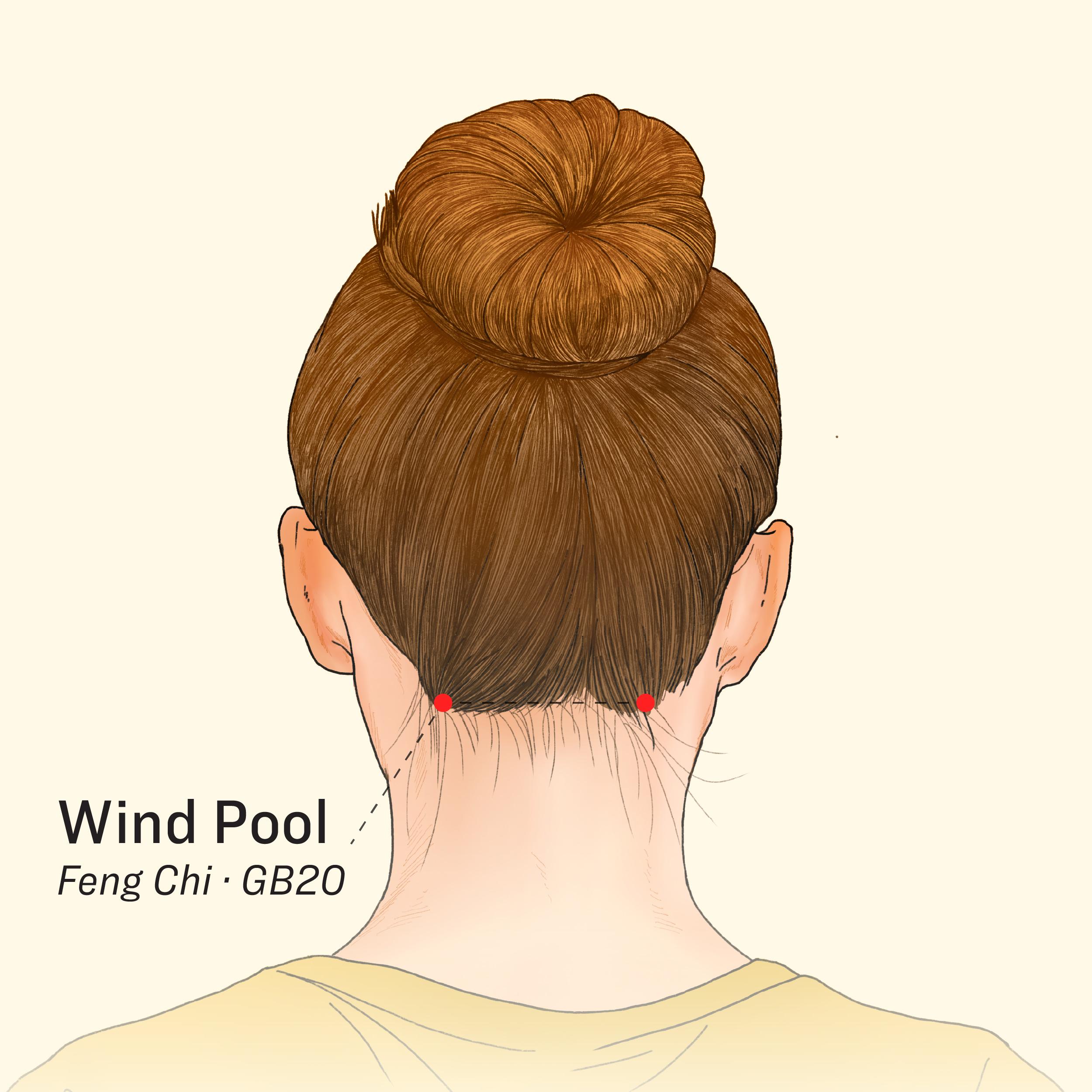
Many jobs require sitting for prolonged periods, damaging the energy of their internal organs, and are also a major cause of hypertension, referred to in TCM as “liver and kidney yin deficiency.” As they often use computers and mobile phones, they are likely to experience neck discomfort and dizziness, which are related to insufficient blood supply to the brain.It is recommended to massage the Fengchi (GB20) acupoint on the back of the neck daily, which can quickly improve cerebral blood supply, relieve dizziness and headaches, and help lower blood pressure.
Severe cervical spondylosis can also increase the risk of hypertension, Liu said. It is recommended that cervical spine problems be treated first, as this can also help lower blood pressure.
3. Oily and Heavily-Flavored Diet
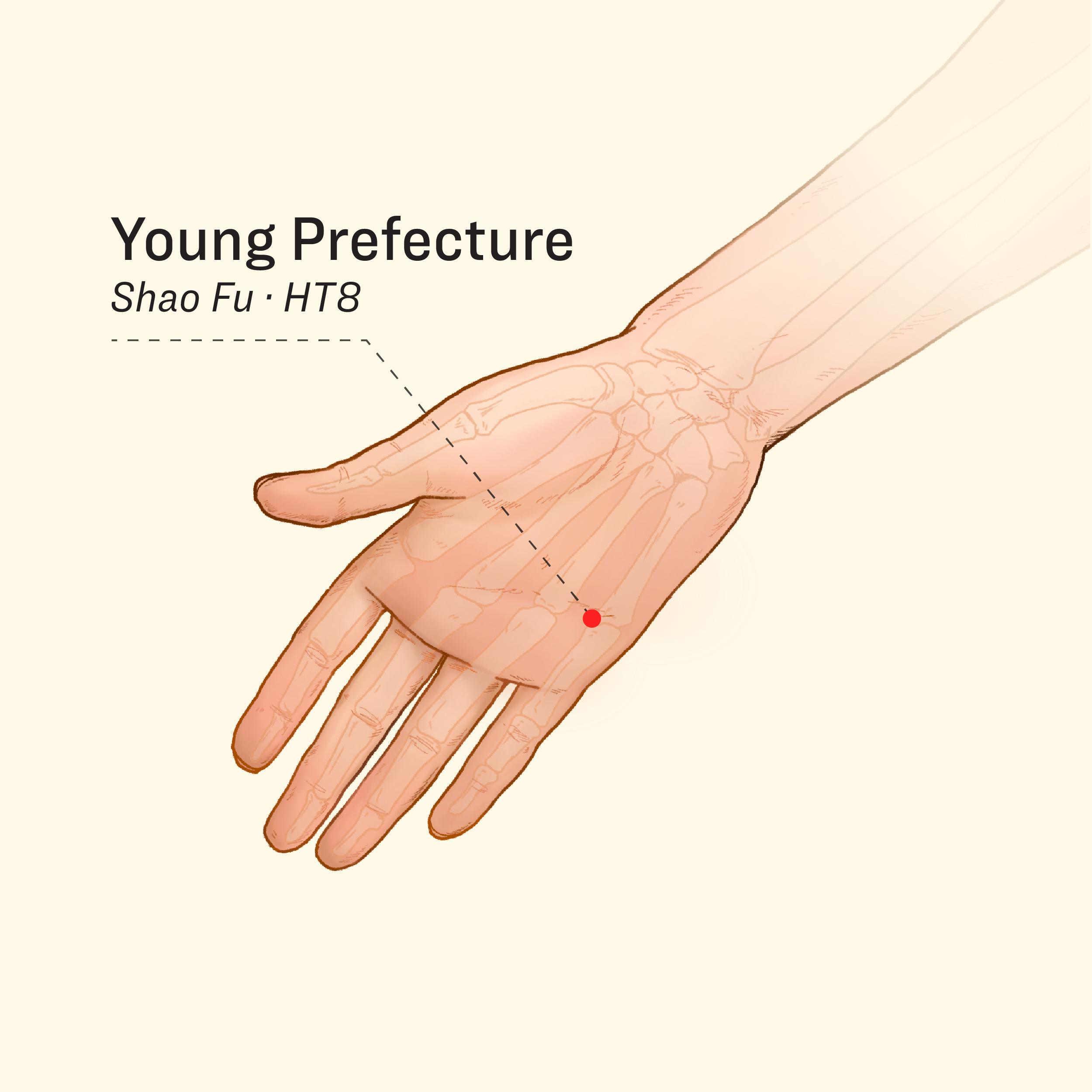
Ancient medical literature indicates that frequently eating “rich and greasy” foods is a major factor in disease, a pattern we now associate with a high-fat, high-sugar, high-salt diet and refined carbohydrates—and with hypertension.People who favor oily and heavy-flavored diets, especially those who eat out frequently, often have a thick, greasy tongue coating, bitter taste in the mouth, and bad breath, Liu said. In TCM, these symptoms relate to “damp-heat in the liver, gallbladder, spleen, and stomach.” Damp-heat refers to the accumulation of metabolic waste, which leads to inflammation. It is recommended to massage the Shao Fu (HT8) acupoint on your hand daily, which is convenient to do in any environment.
Dietary Recommendations for Lowering Blood Pressure
In addition to acupoint therapy, diet is also a crucial aspect of improving high blood pressure.Huang Yiling, a nutritionist at Koii Nutrition Taiwan, stated “Health 1+1” that unhealthy dietary habits leading to high blood pressure include excessive salt intake and potassium deficiency, affecting water metabolism; excessive refined sugar intake, leading to excessive insulin secretion, which indirectly raises blood pressure; insufficient dietary fiber intake, increasing the risk of high cholesterol; or excessive intake of omega-6 fatty acids, leading to vascular inflammation and oxidation. High cholesterol and arteriosclerosis are both risk factors for high blood pressure.
Huang said that patients with hypertension should take extra care to maintain certain dietary habits:
She suggested occasionally scheduling two to three “light diet days,” similar to intermittent fasting, focusing on unprocessed foods such as plenty of fruit and milk to reduce reliance on strong flavors.
Huang recommends the Dietary Approaches to Stop Hypertension (DASH) diet to lower blood pressure. Its main attributes are high potassium, high calcium, high magnesium, high fiber, low saturated fat, and a high proportion of vegetables, fruits, and whole grains.
TCM Dietary Therapy and Teas for Lowering Blood Pressure
Liu recommended three dietary recipes for lowering blood pressure:1. Corn Silk Soup
Ingredients- 2 ounces fresh corn silk
- Enough water to cover the silk in a small pot
Bring water and corn silk to a boil, reduce heat and simmer for five minutes. Drink.
2. Peanuts Soaked in Vinegar
Ingredients- 18 ounces raw peanuts (with skins)
- Enough rice vinegar or apple cider vinegar to fully submerge peanuts (about 2 to 3 cups)
Place peanuts in a clean, wide-mouth glass jar. Pour vinegar over the peanuts until fully covered. Seal and store at room temperature for 7 days.
Eat 10 peanuts each morning and evening.
3. Cassia Seed and Chrysanthemum Tea
Ingredients- 5 grams chrysanthemum flowers
- 10 grams roasted cassia seeds
- 5 grams goji berries
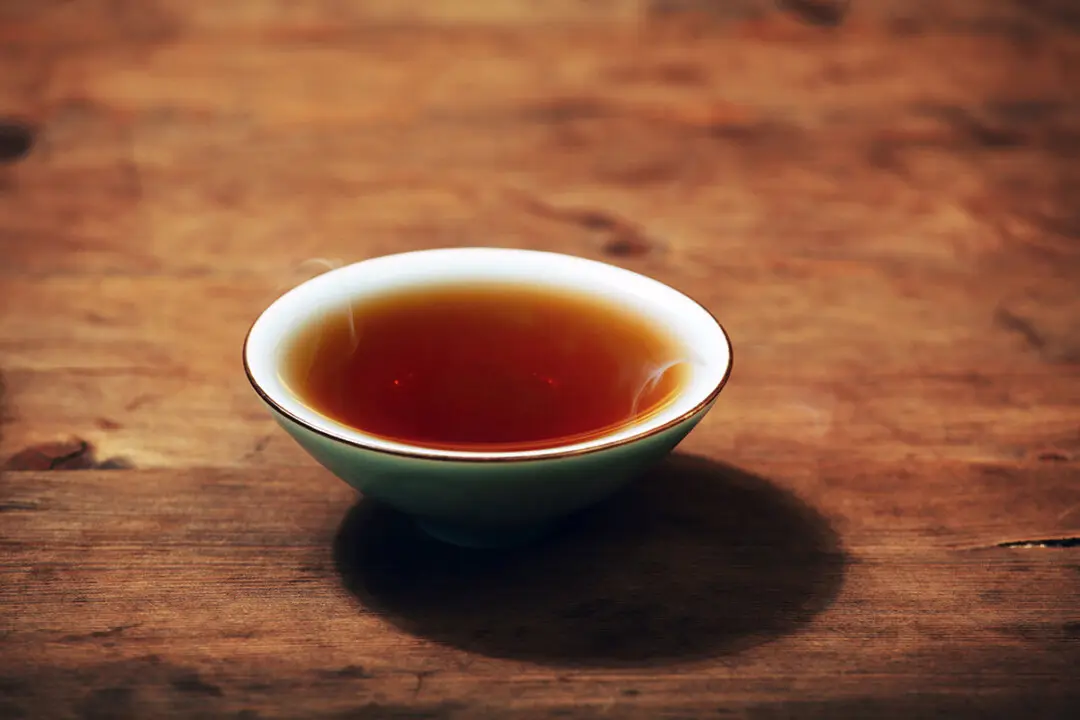
Place all ingredients in a teapot, pour in hot water, and steep for 10 to 20 minutes.
Drink one to two cups daily.
Cassia seed and chrysanthemum tea is especially suitable for people who frequently eat out or attend gatherings and are prone to damp-heat in the spleen and stomach, Liu said. It is also suitable for people under stress, with a short temper, and who are often anxious.
Hypertension often develops quietly, with subtle warning signs such as neck stiffness, stress intolerance, or abdominal weight gain appearing long before a formal diagnosis. By combining early detection, lifestyle changes, and, when appropriate, TCM-based interventions such as acupuncture, dietary therapy, and stress regulation, many people may successfully restore healthier blood pressure levels and reduce long-term cardiovascular risk.