“Mei” worked long hours and spent much of her day commuting. Each day, when she returned home from work, she cooked and cared for her children, leaving herself almost no time to rest. Her sleep was short and fragmented, and she relied on coffee to stay awake.
After giving birth, Mei’s weight increased rapidly. The added stress of child care led to hormonal imbalances, making it difficult for her to lose the extra pounds. She also began experiencing angular cheilitis (painful cracks at the corners of the mouth), hair loss, migraines, and irregular menstrual cycles.
When she realized her body was reaching its limit, she turned to a traditional Chinese medicine (TCM) practitioner for help.
“You seem to be constantly running on empty—giving without ever replenishing yourself,” the practitioner told her. “You need to set aside time and space just for yourself—to tune in to your own needs and to care for your body mindfully and gently.”
When Fatigue Lasts for Months, It’s a Warning Sign
When fatigue persists for more than three months, it is important to pay attention to the body’s distress signals. Common signs of chronic fatigue include:- Poor Sleep Quality: Feeling tired and unrested regardless of how long you sleep.
- Physiological Imbalance: Unexplained chronic pain, such as headaches or stiffness in the shoulders and neck. For women, this may also manifest as significant hair loss, irregular menstrual cycles, or recurring menstrual pain.
- Low Mood and Motivation: A persistent lack of energy, drive, or sexual desire.
- Changes in Eating Habits: A tendency to crave heavily seasoned or salty foods.
Borrowed Energy: A Path Toward Chronic Fatigue
When fatigue sets in, many people turn to coffee, vitamin B supplements, or energy drinks to boost alertness. However, Lu said that while occasional use is generally harmless, relying on stimulants long-term is, in essence, “borrowing energy” from the body.“Our body’s energy reserves are limited,” Lu said. “These stimulants make us believe that our energy is inexhaustible, but over time, this constant borrowing can deplete our kidney qi and eventually lead to chronic fatigue syndrome.”


From the perspective of TCM, the kidneys are the “congenital foundation”—the body’s innate source of vitality. When kidney energy, or kidney qi, is continually depleted, the immune system can weaken, leading to chronic inflammation.
In TCM theory, the kidneys are responsible not only for fluid metabolism but also for governing growth, reproduction, bone health, mental vitality, and hearing. This concept parallels the medical understanding of the adrenal glands, which regulate metabolism and other vital bodily functions.
In TCM, roasted coffee is viewed as having a warming and drying nature, Lu said—an important consideration for people with chronic fatigue who habitually rely on coffee to stay alert. Although coffee contains specific anti-inflammatory nutrients, excessive and long-term consumption—such as drinking two or more cups per day—can accelerate the depletion of kidney qi and may even increase the risk of cardiovascular disease.
Restoring Energy Instead of Borrowing It
To restore the body’s energy—rather than simply borrowing from it—we need adequate rest and a balanced, nutritious diet. Lu recommended incorporating a variety of colorful fruits and vegetables, along with healthy oils rich in omega-3 fatty acids, as these foods have natural anti-inflammatory properties.Anti-Inflammatory Foods That Rebuild Energy
Colorful Fruits and Vegetables
Fruits and vegetables of different colors contain different phytochemicals. In nature, these nutrients help plants resist drought and cold. When eaten, they “help the body combat inflammation and may even reduce cancer risk,” Lu said.Healthy Oils
Oils rich in omega-3 unsaturated fatty acids include fish oil and flaxseed oil. Research has found that a higher intake of omega-3 can help manage inflammation-related chronic diseases and reduce the risk of mortality from cardiovascular disease.Herbal Remedies to Restore Vitality
Certain herbal ingredients—such as burdock root and ginseng—can be steeped in water as a coffee substitute to help boost energy.Burdock Root
In TCM, burdock root is believed to nourish the spleen and kidney meridians, which, in turn, help regulate digestion and strengthen kidney qi, Lu said. Drinking burdock tea may help support energy recovery and relieve fatigue.Ginseng
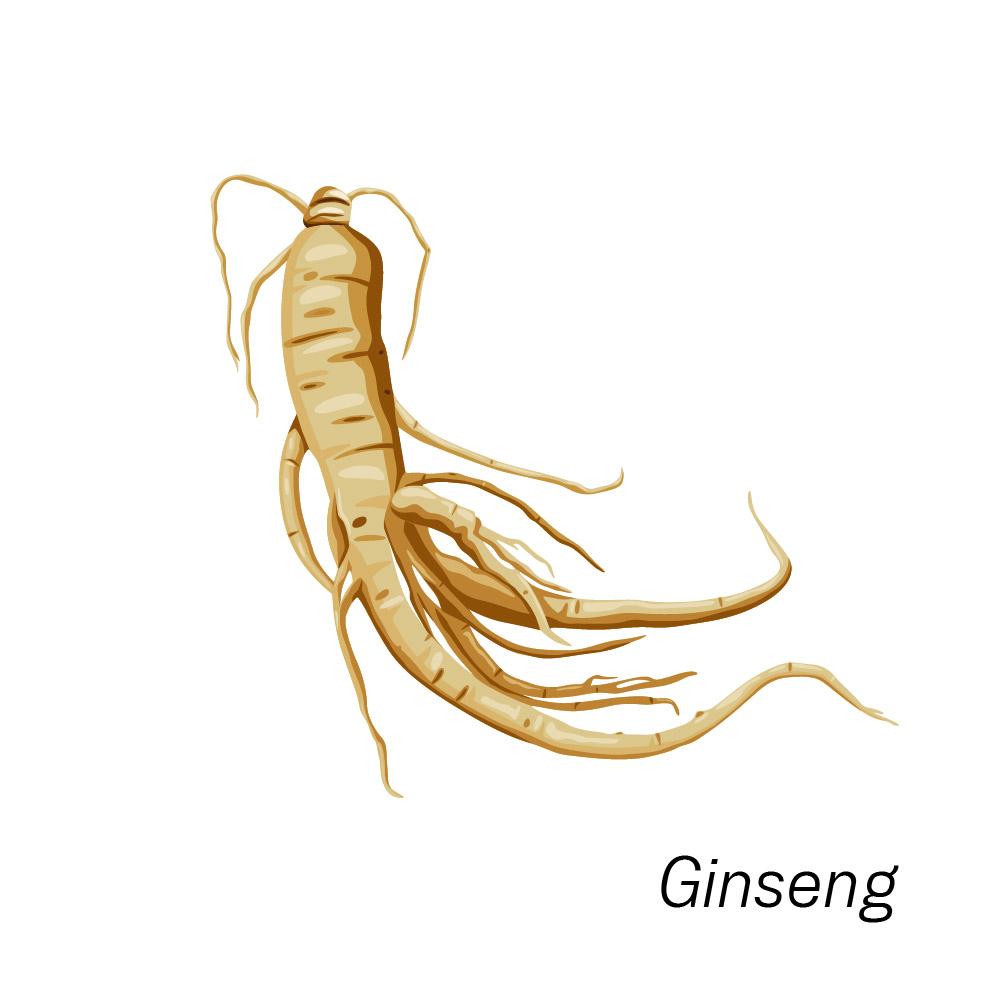
Ginseng is widely recognized for its benefits in supporting adrenal fatigue. Common varieties include Asian ginseng (Panax ginseng) and American ginseng (Panax quinquefolius).Lu noted simple ways to use ginseng: When feeling fatigued, place a few thin slices under the tongue, or add two to three slices to a thermos of hot water to make ginseng tea. The same slices can be re-steeped until the flavor dissipates.
Several other herbs with effects similar to ginseng—such as ashwagandha (Withania somnifera), Siberian ginseng (Eleutherococcus senticosus), and golden root (Rhodiola rosea)—can also be steeped in hot water and enjoyed as tonic beverages.
Illness Has a Progression—Stop the Cycle Early
In today’s fast-paced world, many people are so focused on efficiency that they continuously ignore their body’s signals—using energy drinks to suppress fatigue or painkillers to dull discomfort. However, these signals may be the body’s way of reminding us to reconnect with ourselves.In such cases, adjusting one’s diet alone is not enough to overcome fatigue. It is equally important to become aware of the body’s messages and rebuild a connection with it.
- Disconnection: Losing touch with the body—becoming unaware of fatigue or pain and suppressing these signals in various ways.
- Disheartenment: Becoming estranged from one’s emotions—feeling depressed or anxious without understanding the cause.
- Dysregulation: The body’s systems, such as the autonomic nervous and digestive systems, begin to fall out of balance.
- Disease: Ultimately, physical and mental illnesses develop.