If you’ve been battling unexplained lower back pain, uneven shoulders, or an increasingly unsteady gait, your body may be signaling a deeper structural problem: Your spine could be drifting out of alignment. Many people dismiss these subtle symptoms, yet experts warn that scoliosis often progresses quietly, sometimes until breathing becomes difficult or nerve function is compromised.
The good news? When detected early, even moderate scoliosis can usually be stabilized or improved, and Traditional Chinese Medicine (TCM) offers a gentle, muscle-focused approach that many patients find surprisingly effective.
Scoliosis is far more common, and far more overlooked, than most people realize.
“Many people don’t notice anything is wrong until their condition becomes severe,” said Xie Bingxian, attending neurosurgeon at National Yang Ming Chiao Tung University Hospital, in an interview with The Epoch Times.
What Scoliosis Does to the Body
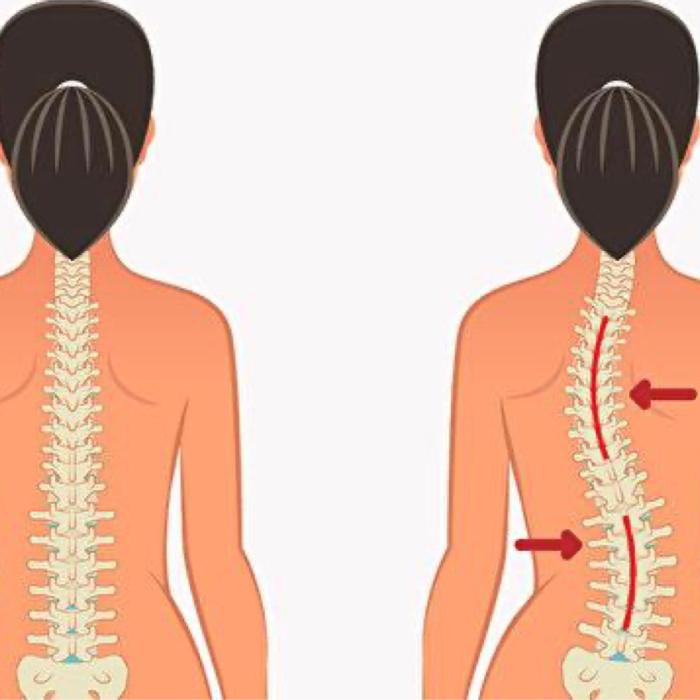
A healthy spine is naturally straight, allowing free movement and an aligned posture. However, when scoliosis exceeds a critical angle, it can trigger respiratory distress, arrhythmias, lower limb paralysis, or severe pain.1. Respiratory Distress and Declining Cardiopulmonary Function
“Severe scoliosis directly affects the structure of the thorax [the upper area of the trunk between the neck and the abdomen],“ Xie said. ”When the spinal curvature exceeds 40 degrees, the chest cavity is compressed, restricting lung expansion—breathing can feel as if a tight belt is cinched around the chest.“The thoracic spine acts as natural armor protecting the heart and lungs—once severe scoliosis occurs, it directly threatens life.”
2. Chronic Pain
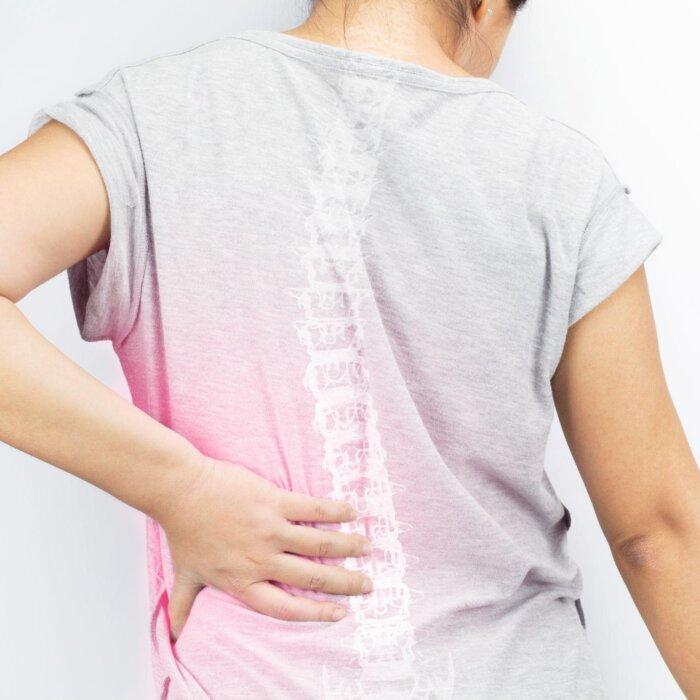
The most immediate effect of scoliosis is pain, according to Xie. A curved spine forces the surrounding muscles to work unevenly; one side becomes excessively tight while the other is overstretched, like an imbalanced machine that accelerates wear and tear. Discomfort can radiate to the hips and legs and may even progress into nerve compression pain. Chronic pain affects the mood, and in turn, a negative mindset can intensify pain.3. Psychological Stress and Risk of Depression
Prolonged pain may also impose a psychological burden, creating a vicious cycle. Studies have found that people with scoliosis have a depression rate twice that of the general population.4. Reduced Lower Limb Strength and Nerve Compression
In addition to supporting the body, the spine also protects the nervous system. Severe scoliosis can narrow and distort the spinal canal, compressing spinal nerves and causing abnormal sensation in the lower limbs, muscle weakness, or even urinary and fecal incontinence.Why Early Detection Matters Most
Xie recommended that children undergo annual spinal screenings, particularly during the rapid growth period between the ages of 9 and 14. Missing this critical window of correction makes recovery far more difficult once the bones have fully matured. In daily life, maintaining proper sitting and standing posture while regularly strengthening core and back muscles is crucial for maintaining a stable, healthy spine.Chen Chaolong, director of We-Care TCM Clinic in Taiwan, told The Epoch Times that when a spinal curve is between 20 degrees and 40 degrees, wearing a brace for at least 20 hours per day, including overnight, is usually recommended. Bracing works best when the correction is gentle and gradual, supporting both the body’s internal balance and its external alignment. Results depend on the curve’s size, the person’s age, and how consistently the brace is worn. Progress takes time, and trying to force quick changes can slow things down. Curves greater than 50 degrees are often considered for surgical treatment.
Correcting Scoliosis With Gentle and Effective TCM
Many patients are turning to TCM because its approach is gradual yet powerful, addressing both structural alignment and internal balance.- Unblocking qi (vital energy) and blood to reduce pain and inflammation
- Relaxing tight tendons and fascia
- Strengthening weakened supporting muscles
- Harmonizing bones, sinews, and organ systems
Japanese TCM practitioner Ritsugaku Ken told The Epoch Times that “bones are passive; muscles are active.” This means that spinal alignment depends on restoring balanced strength and flexibility to the muscles along the spine. As posture improves, the spine often realigns naturally.
1. Lung Transport Acupoint (Fei Shu, BL13)
Location: On the back, specifically at the level of the lower border of the spinous process of the third thoracic vertebra (T3), about two finger widths away from the midline.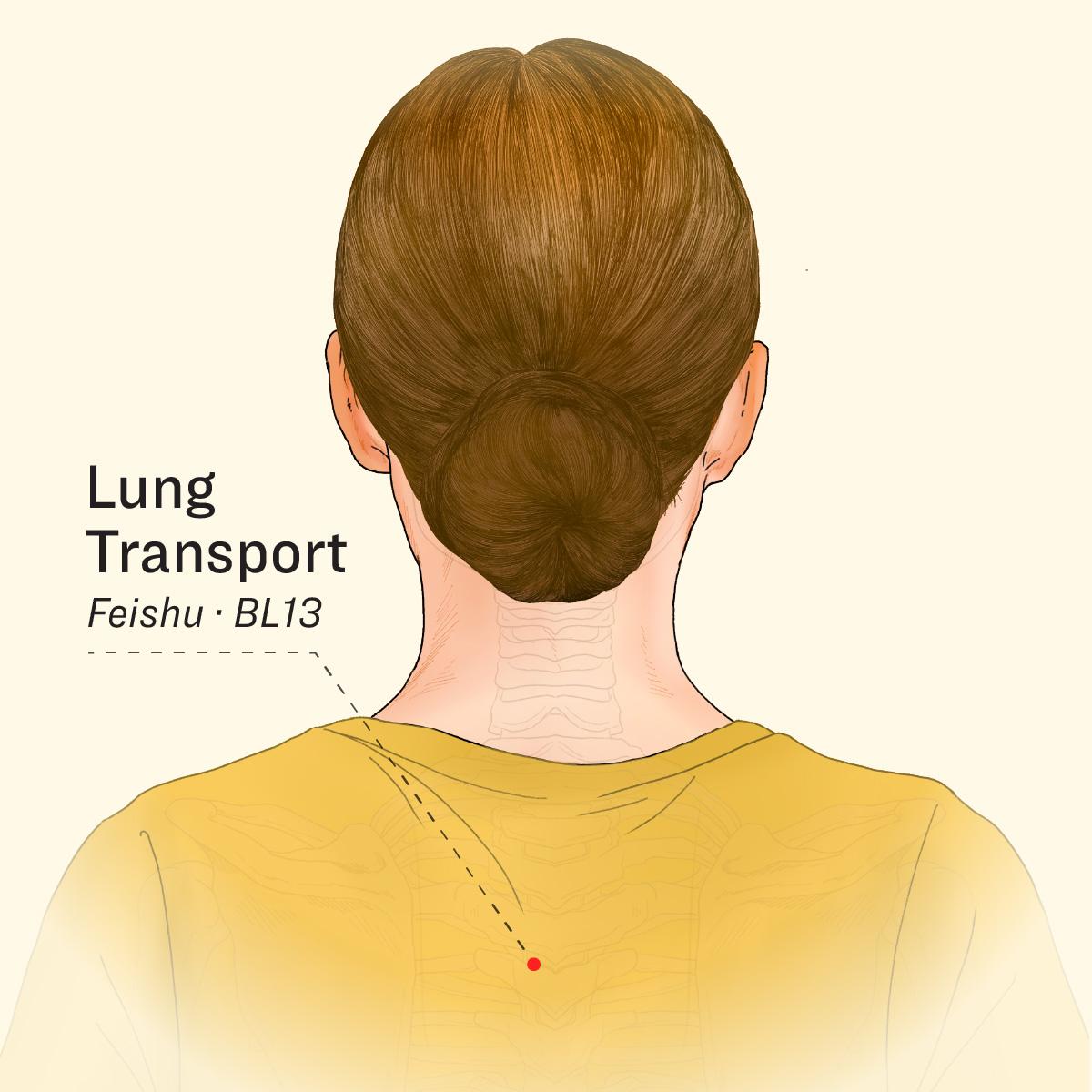
2. Kidney Transport Acupoint (Shen Shu, BL23)
Location: Below the spinous process of the second lumbar vertebra (L2), about two finger widths away from the midline.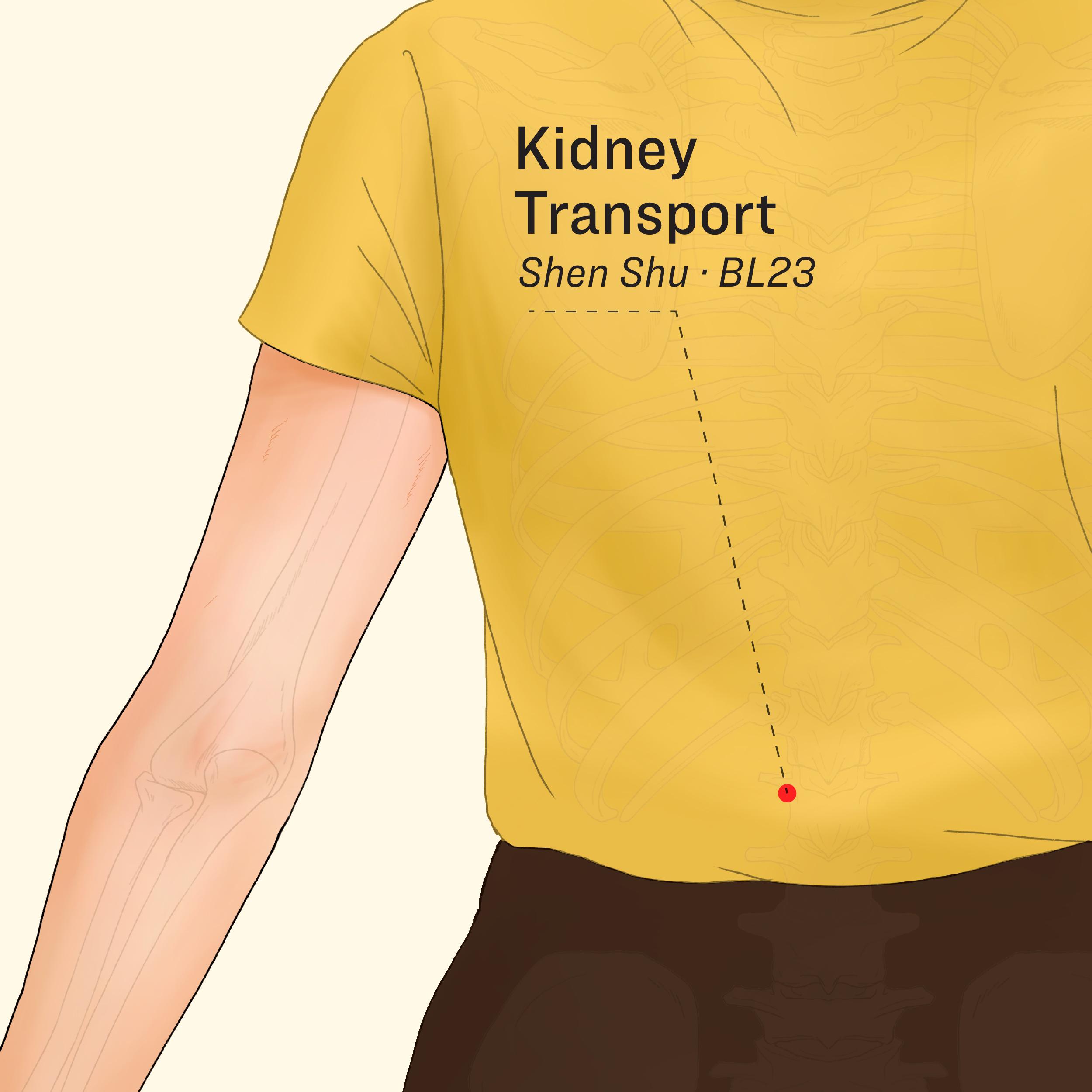
3. Large Intestine Transport Acupoint (Da Chang Shu, BL25)
Location: At the level of the lower border of the fourth lumbar vertebra (L4) spinous process, about two finger widths away from the midline on both sides.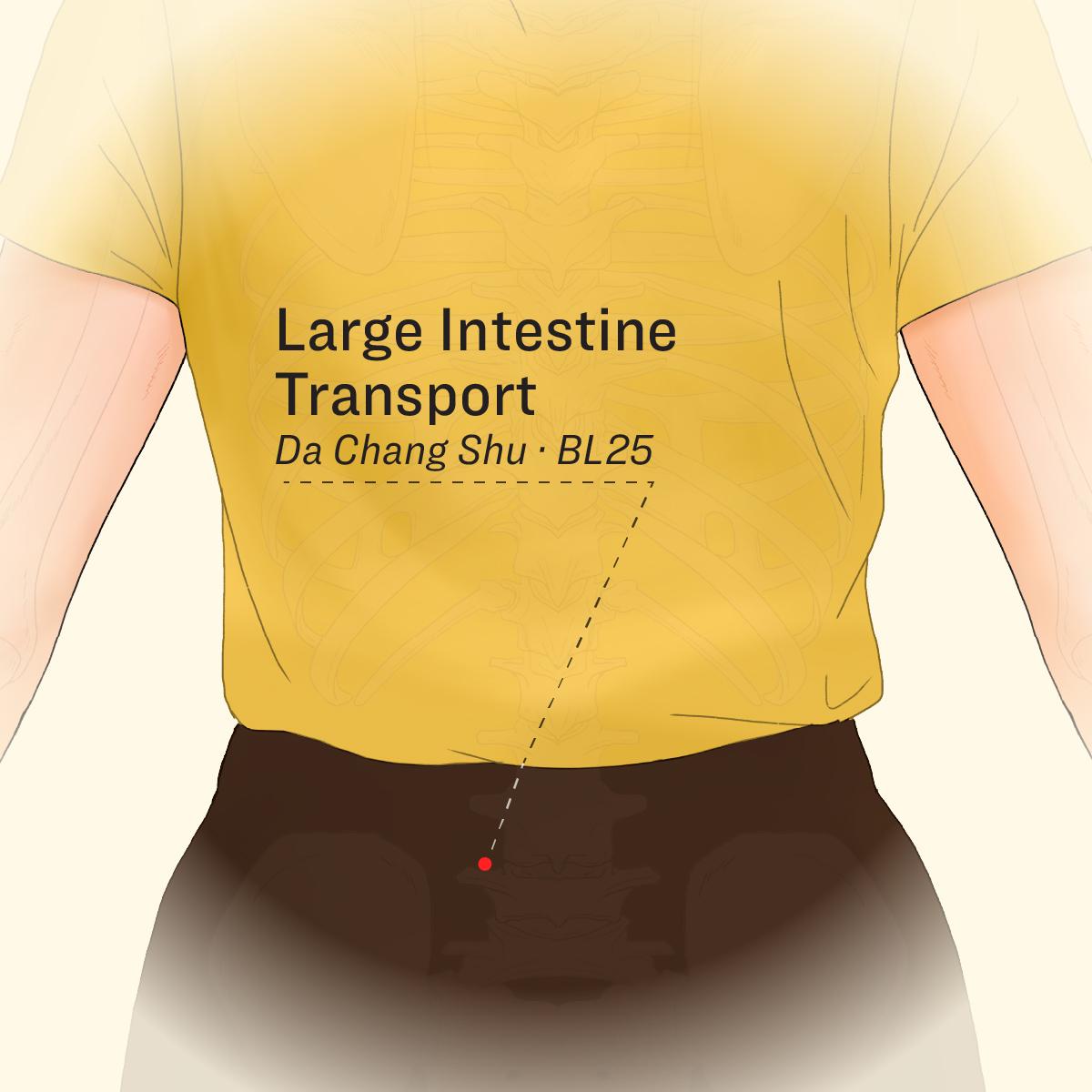
4. Leg 3 Miles Acupoint (Zu San Li, ST36)
Location: On the outer side of the lower leg, about four finger widths below the lower border of the patella (kneecap) and one thumb width away from the front border of the tibia (shin bone).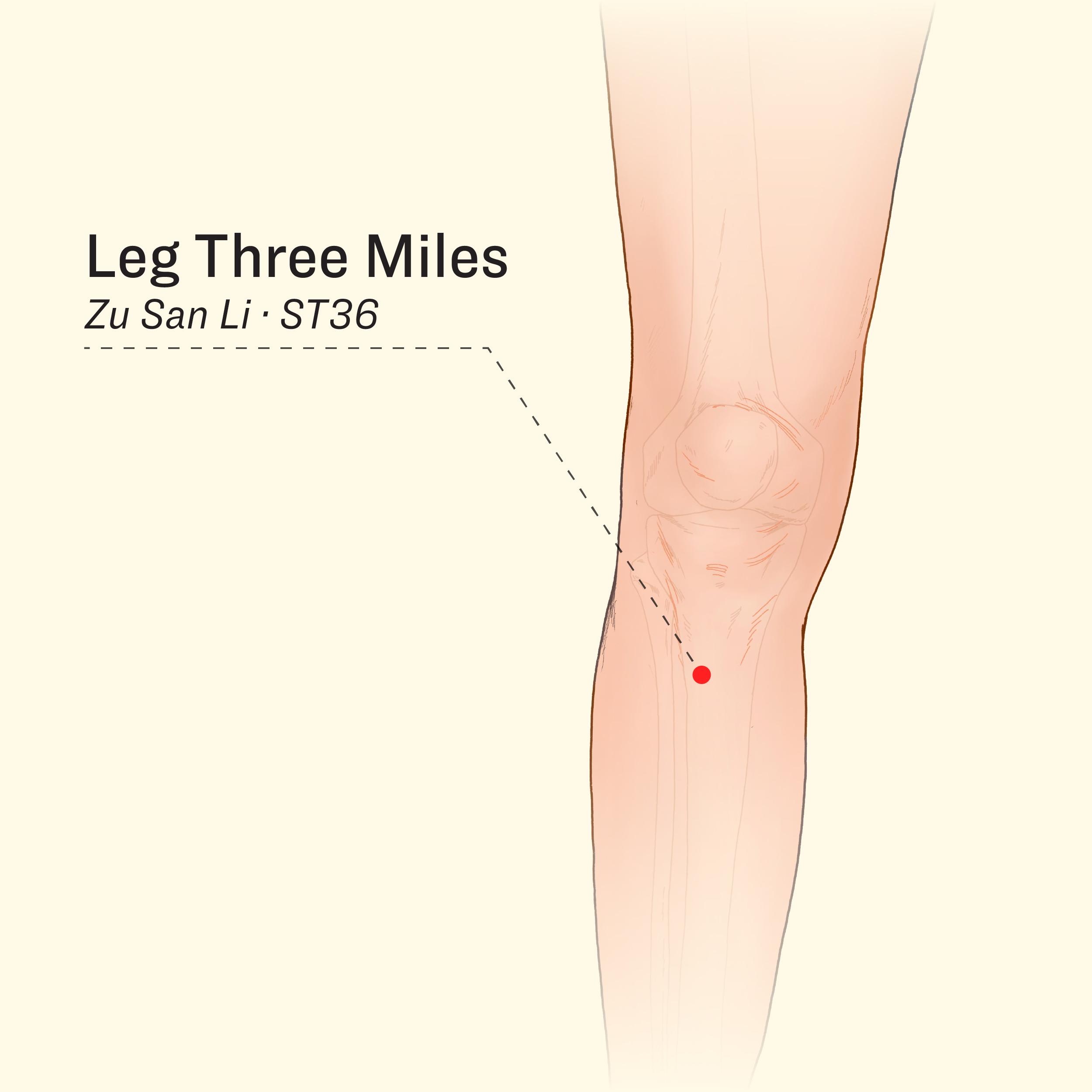
Early Self-Check: Subtle Signs You Should Not Ignore
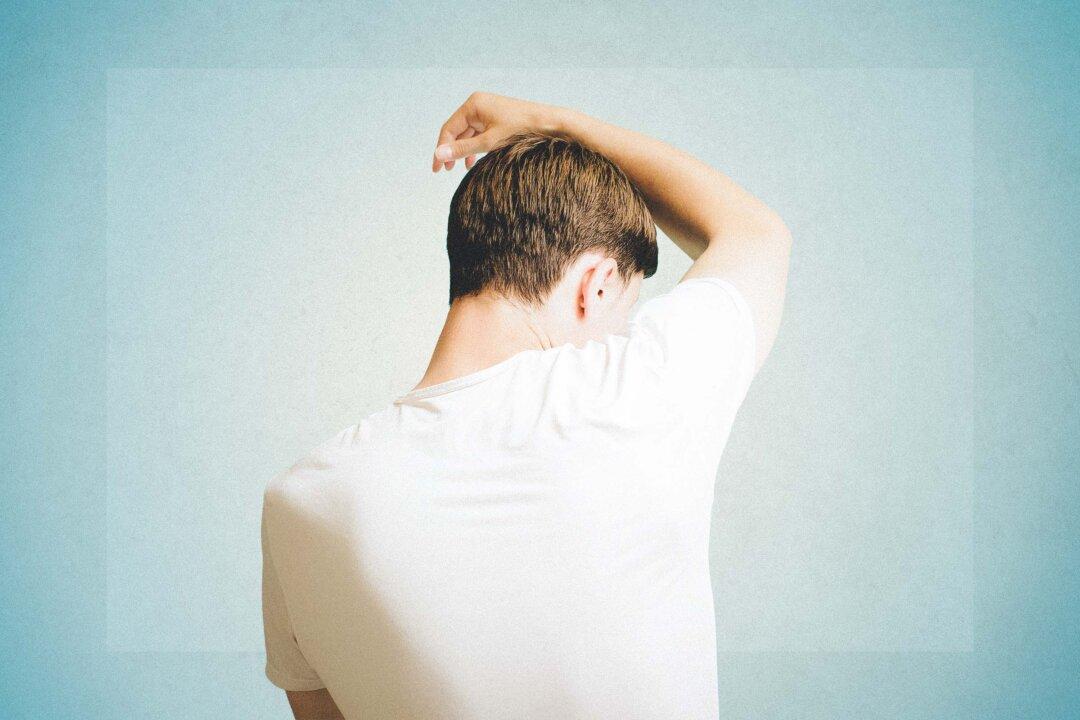
Ken encouraged everyone to perform simple at-home checks for scoliosis; catching it early can make all the difference.If you notice any of these subtle signs, seek professional medical evaluation right away. A simple X-ray or clinical exam can confirm the diagnosis and open the door to early, effective treatment.