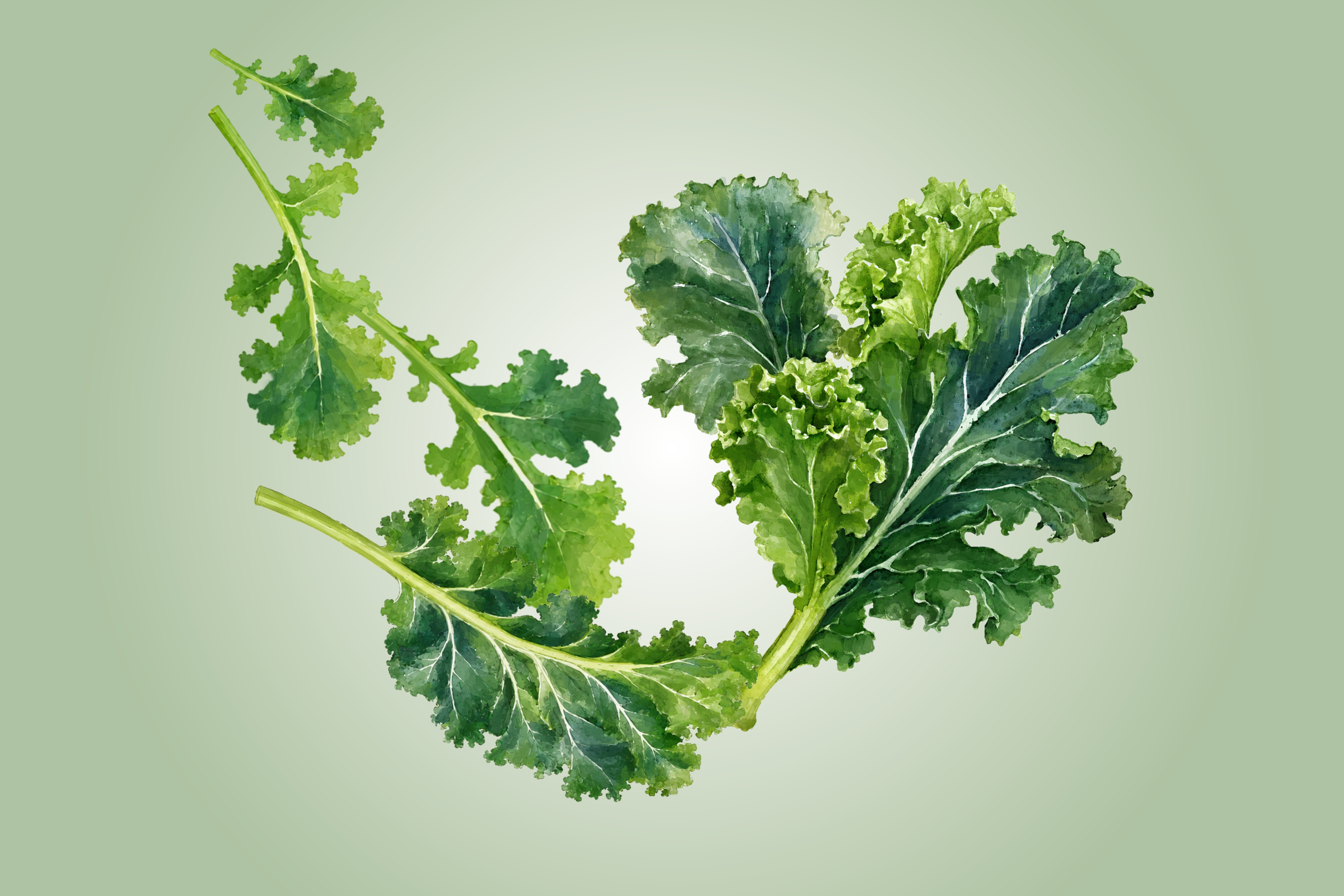

For decades, kale has been considered a superfood and loved by many while also shunned by others for certain compounds it contains and its roughness, toughness, and bitter taste. However, the real issue is not the vegetable itself—it is how it is prepared. With the right preparation, not only can kale live up to the wellness hype, but it can also become a tasty and tender part of any meal.
Key Nutrients
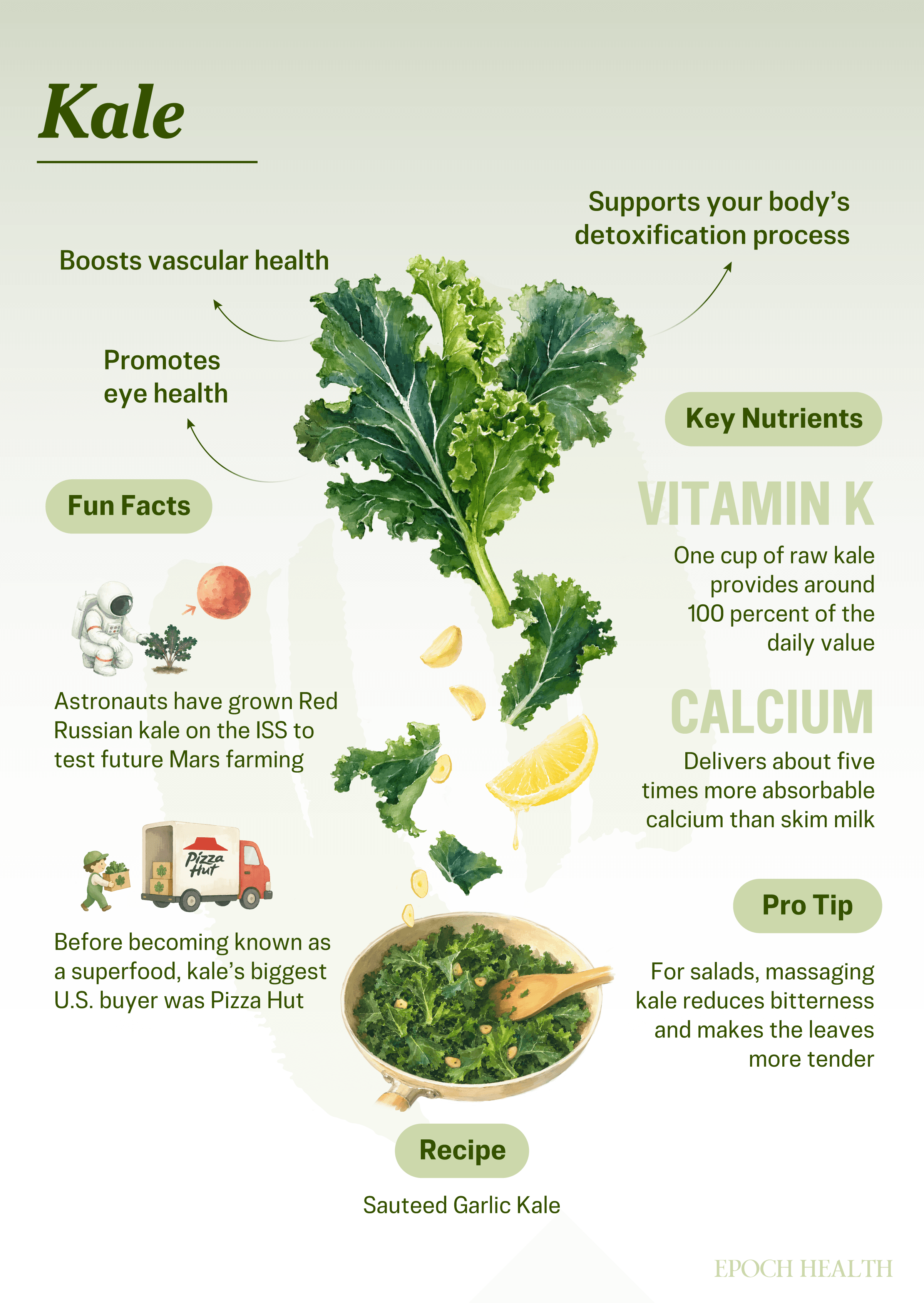
By weight, kale ranks highly in a Centers for Disease Control and Prevention analysis of fruits and vegetables in nutrient density.- Vitamin K: One cup of raw kale provides 94 percent of the daily value.
- Vitamin A: Kale supplies close to 30 percent of the daily value, primarily as beta-carotene, which the body converts into vitamin A as needed.
- Vitamin C: A one-cup serving contains more than 100 percent of the daily value.
- Calcium: Most leafy greens, such as spinach, contain high levels of oxalates—anti-nutrients that prevent calcium absorption—but kale is very low in oxalates. A 2024 analysis published in Food Research International examined 25 plant foods and found that kale was the top plant-based source of bioaccessible calcium. Researchers found that one 80-gram serving of kale—about a generous salad portion or sautéed side dish—could provide more than 50 percent of an adult’s daily calcium needs and deliver about five times more bioaccessible calcium than a serving of skim milk.
- Fiber: Kale contains dietary fiber that supports digestion and healthy blood sugar regulation.
- Phytonutrients: Kale contains glucosinolates, lutein, zeaxanthin, and flavonoids, bioactive compounds associated with eye, vascular, and cellular health.
Health Benefits
A growing body of evidence links kale to cardiovascular, eye, and cellular health, mostly driven by its mix of bioactive compounds that act across multiple systems throughout the body.Boosts Vascular Health
A review published in Nutrients found that kale and other cruciferous vegetables contain compounds associated with cardiovascular benefits, including fiber, carotenoids, and glucosinolates. Kale stood out as one of the richest sources of fiber in the group and is especially high in beta-carotene and lutein, antioxidants that may help reduce oxidative stress involved in vascular disease.Promotes Eye Health
“Kale is one of the best dietary sources of lutein,” Carol Holland, a registered dietitian, told The Epoch Times.
Supports Your Body’s Detoxification Process
Kale may also support your body’s detoxification processes. A recent review found that kale and other cruciferous vegetables contain isothiocyanates—sulfur-rich compounds that help activate one of the body’s key pathways involved in antioxidant defense and detoxification. When activated, this pathway increases production of enzymes that help neutralize oxidative stress and process potentially harmful compounds.Additional Benefits
Kale may also balance cholesterol. In a 12-week study in men with high cholesterol, drinking 5 ounces of kale juice daily was associated with a 27 percent increase in HDL cholesterol, a 10 percent decrease in LDL cholesterol, and an improved HDL-to-LDL ratio.How to Increase Absorption
As mentioned earlier, kale stands out among plant foods for its relatively high calcium bioavailability, especially compared with spinach.Unlike in spinach, where calcium is locked by oxalates, calcium is highly accessible in kale. Although its low oxalate levels give it a head start, there is always room for improving nutrient absorption.
“Preparation methods significantly influence both nutrient availability and tolerability,” Katz said.
“Pairing kale with dietary fat is particularly beneficial because lutein, beta-carotene, and other carotenoids are fat-soluble and require lipid co-ingestion for optimal absorption,” Katz said.
Because this process activates compounds linked to the body’s natural detoxification pathways, finely slicing kale and letting it rest briefly may help preserve some of those effects.
For raw preparations, technique also matters.
“Massaging raw kale breaks down the tough cell walls and makes it more digestible,” Kuminski said.
Katz noted that massaging raw kale with olive oil, salt, and an acid such as lemon juice can enhance fat-soluble carotenoid absorption.
“Raw kale preserves vitamin C and enzyme activity but can be tougher to digest,” Katz said.
She said light steaming or sautéing is often ideal for maximizing nutrient absorption while improving digestibility.
Optimal Storage
Shredding kale can accelerate glucosinolate breakdown, so it is best to keep leaves whole and chop just before eating.Pro Tips
When it comes to cooked kale, sautéing is often the simplest path to a great result.“For cooked kale, I prefer sautéing over blanching, as it is, to me, the easiest and most reliable way to make a great kale side dish at home,” Jessica Randhawa, a chef and recipe creator, told The Epoch Times.
Blanching and shocking work well if you want to preserve the kale leaves’ bright green color and tenderize them without overcooking, she said.
Preparation can also play a role in whether kale is merely tolerated or actually enjoyed.
“I think a salad people actually want to eat is always better than a super healthy bowl of greens that no one finishes,” Randhawa said.
That often comes down to building flavor by adding acidity, healthy fats, texture, and seasoning rather than serving plain greens.
Choosing the right variety of kale for the dish also matters.
“I think a big difference can be made by matching the type of kale with the prep method of the dish,” she said. “For example, curly kale is great for sautéing, soups, and baked kale chips because it is a bit thicker and holds its curly texture well. Lacinato kale is my favorite for salads because the leaves are slightly flatter, slightly more tender, and thus a bit easier to eat raw.”
For raw kale salads, a little prep goes a long way. Randhawa recommends removing the stems, chopping the leaves into smaller bite-size pieces, and briefly massaging them with a little olive oil and a pinch of salt.
Recipe
Courtesy of Jessica Randhawa of The Forked SpoonSautéed Garlic Kale
Prep Time: 10 minutesThe sautéed garlic and kale recipe is an easy, healthy side dish made with fresh kale, olive oil, and seasonings. It cooks fast in one skillet and pairs well with chicken, fish, pasta, grains, or any dinner.
- 1 bunch curly or lacinato kale, about 8 ounces chopped leaves
- 2 tablespoons extra virgin olive oil
- 3 cloves garlic, minced
- 1 teaspoon salt and ground black pepper
- 1 to 2 tablespoons fresh lemon juice
- Wash the kale bunch, remove the stems, and chop the remaining kale leaves.
- Heat the 2 tablespoons of olive oil in a large skillet over medium heat.
- Add the minced garlic and cook for about 30 seconds, only until it is fragrant.
- Add the kale, salt, and pepper to the pan, and cook it, stirring often, until the kale wilts and turns tender—about 5 to 7 minutes.
- Stir in the lemon juice at the end, and serve warm.
Precautions
Kale contains compounds that are often discussed in relation to thyroid function, kidney health, and nutrient interactions.Those who have iodine deficiency or existing thyroid disease should stick to a moderate kale intake and avoid concentrated sources such as kale juice, Holland said.
“If you are consuming large amounts of kale daily, have a mix of raw and cooked forms, and make sure you get enough iodine in your diet,” she said.
“Concerns around kale, particularly oxalates, goitrogens, and heavy metals, are often overstated in the context of a normal, varied diet,” Katz said.
Oxalates may contribute to kidney stone risk in susceptible individuals.
“People with malabsorption conditions like Crohn’s, or those who have had bariatric surgery, may need to be cautious as oxalate absorption can be enhanced,” Holland said.
Fun Facts
- Kale is one of the top crops studied by NASA for long-duration space missions. Astronauts have successfully grown Red Russian kale on the International Space Station, and it is being used to test the future of farming on Mars.
- Before kale exploded as a superfood in the 2010s, the biggest buyer of kale in the United States was Pizza Hut. They used the curly leaves exclusively as a garnish to decorate their salad bars and cover the ice between the bowls.
- Kale becomes sweeter after a frost.
- Kale was livestock feed until the early 2000s.
- There are more than 50 distinct varieties of kale commercially available today.
Tips for Kids
For kids, kale often goes over better when it’s prepared in familiar, flavorful ways to mask any bitterness. Try making “cheesy” kale chips by tossing torn leaves with olive oil and nutritional yeast, which gives a white-cheddar-like flavor, then baking at 300 F until crisp.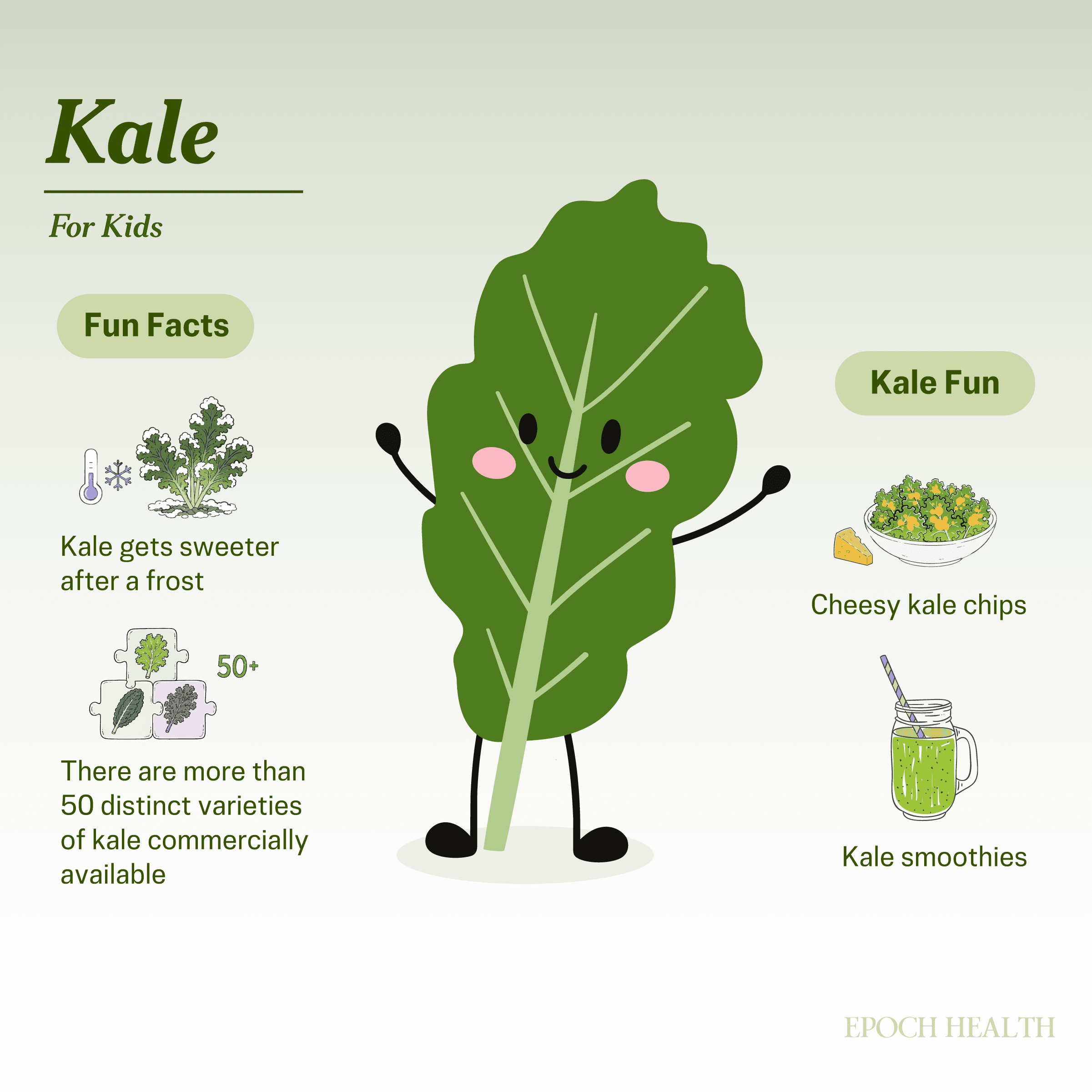
Kale also works well folded in small amounts into scrambled eggs or quesadilla fillings.
You can also blend kale into smoothies with banana and peanut butter to help mask any bitterness.
Finely chopped kale disappears easily into tomato sauce, chili, or mac and cheese, adding nutrients without much change to the dish.