The Science of Breathing and Anxiety
Consider a scenario where, despite using medication, altering your diet, and maintaining a positive outlook, anxiety persists because a crucial element—your breathing—hasn’t been addressed. It’s a viewpoint that author and journalist James Nestor holds dearly in his book “Breath: The New Science of a Lost Art.” He spent 10 years with experts—scientists, doctors, yogis, and breathwork practitioners—to explore the profound effect of breathing practices on health; it positioned them as a key tool for managing anxiety.Which Comes First?
The question arises: Which comes first—altered breathing or anxiety? Research indicates that changes in breathing can be both a result and a trigger of anxiety. This suggests that while anxiety may lead to changed breathing patterns, such patterns can also inadvertently heighten anxiety by signaling the brain to perceive a threat.The bidirectional relationship between our breathing patterns and the autonomic nervous system (ANS) showcases how breath can significantly affect our anxiety levels. The sympathetic branch of the ANS, known for triggering the “fight or flight” response, primes our bodies for action through elevated heart rate, blood pressure, and rapid breathing in the face of perceived threats.
The Carbon Dioxide Connection
Breathing’s effect on anxiety goes beyond the nervous system’s scope. Justin Feinstein’s research spotlights the amygdala—a part of the brain known for managing our emotional responses—and its crucial interaction with carbon dioxide (CO2) levels in anxiety disorders. He found that anxiety sufferers often exhibit a reduced tolerance for CO2 in their blood.

The research reveals a cycle wherein anxiety or fear of a panic attack leads people to adopt ineffective breathing patterns such as hyperventilating or mouth breathing. These techniques worsen the problem by decreasing CO2 tolerance. And an increase in CO2 levels, often seen during panic or asthma attacks, frequently triggers anxiety.
“It is no coincidence that people with severe anxiety, agoraphobia, anorexia, and other fear-based diseases can oftentimes only hold their breath for 5–6 seconds,” Mr. Nestor says in his course.
He points out that these individuals are in a chronic state of hyperventilation. “Even the slightest peak of carbon dioxide scares them,” he says. This ongoing hyperventilation stimulates a sympathetic response, further impairing both physical and mental health.
5 Breathing Techniques to Ease Anxiety
Breathing slowly, easily, and less is a cornerstone strategy for easing anxiety. It’s not about taking more breaths but about making each breath count toward calming the nervous system and reducing stress.Erik Peper of the Institute for Holistic Health Studies at San Francisco State University emphasizes the critical role of breathing in connecting the mind and body, promoting tranquility, and healing. By engaging in slower abdominal breathing—approximately six breaths per minute—we can stimulate the parasympathetic system and reduce our body’s panic response. Mr. Peper notes that transitioning from quick, shallow chest breaths—typical of anxious states—to deeper, slower breathing can markedly lessen anxiety and the physiological reactions to fear.
1. Alternate Nostril Breathing
This technique involves closing off one nostril at a time while breathing in and out through the other. It helps balance the left and right hemispheres of the brain, promoting relaxation and mental clarity.2. Diaphragmatic Breathing
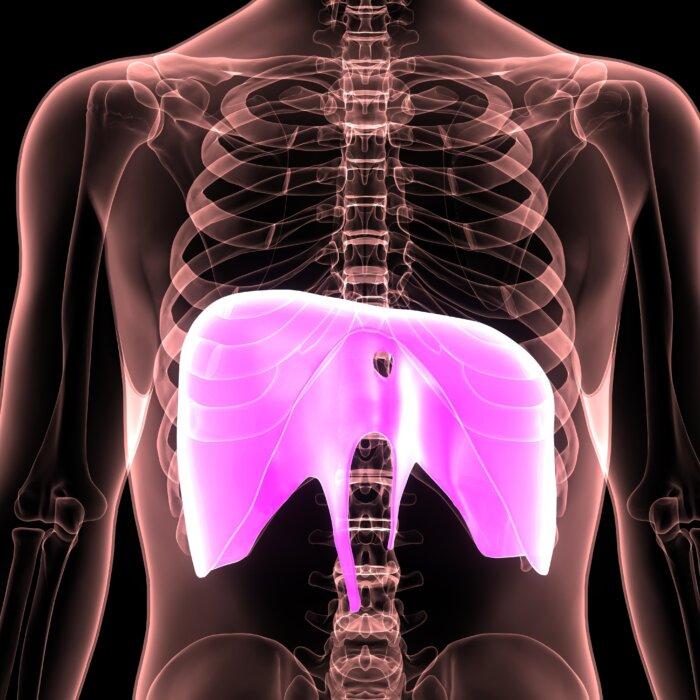
Also known as deep belly breathing, this method encourages full oxygen exchange and can significantly lower cortisol levels, reducing the body’s stress response.3. Inner Nourishing Qi-Gong
As described by Mr. Nestor, this practice combines breathing with the repetition of calming phrases. As you inhale deeply into your belly, think, “I am.” Hold your breath briefly while thinking, “calm,” then exhale slowly with the thought, “and relaxed.” This method fosters a deep sense of inner peace.4. Buteyko Breathing
This method focuses on shallow breathing and holding the breath to increase CO2 tolerance. By encouraging gentle breaths through the nose and minimizing breath volume, Buteyko breathing helps to relax the nervous system and reduce anxiety symptoms. The idea is to create a mild air hunger, thus improving CO2 tolerance and helping to diminish anxiety symptoms over time.5. Coherent Breathing
This technique involves breathing at a rate of five to six breaths per minute, synchronizing the heart, mind, and body for optimal balance and relaxation. By inhaling and exhaling slowly and deeply, coherent breathing helps to maximize oxygen intake and reduce stress, making it an effective tool for managing anxiety.Consistency Matters
Consistent practice of breathing techniques is key to overcoming anxiety. Similar to how sporadic exercise won’t make you fit, regular dedication to these breathing practices is crucial.“When we’re practicing these breathing habits, they may start to feel really redundant. That is done on purpose,” Mr. Nestor says. “You have to do these things over and over and over again to get the true benefit.”