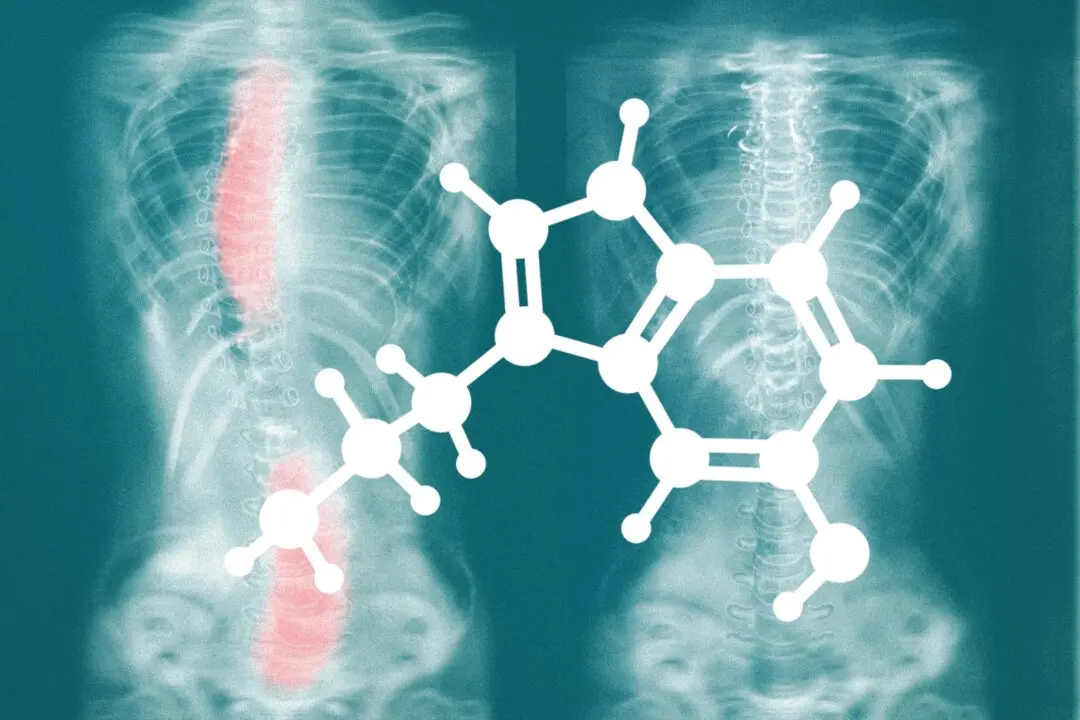
The brain’s chief principal inhibitory neurotransmitter is GABA. It slows down nerve activity and calms you.
“GABA is a reflection of our rest, rhythm, and regulation,” Mpho Tshukudu, functional nutritionist, told The Epoch Times.
Low levels of GABA are linked to anxiety and disrupted sleep.
Why GABA Matters
GABA, short for gamma-aminobutyric acid, plays an important role in regulating brain activity. It acts as the brain’s main brake system.What causes this essential calming neurotransmitter to fall out of balance? A range of factors—including chronic stress, trauma, chronic inflammation, nutrient deficiencies, and gut imbalances—play a role.


“High levels of circulating stress hormones not only reduce GABA production—by interfering with enzymes and shrinking GABA-producing neurons—but also reduce the sensitivity and number of GABA receptors,” Dr. Priyal Modi, an integrative medicine and advanced breathwork practitioner, told The Epoch Times.
Unresolved trauma can deepen the problem.
“In a chronically activated stress state, the nervous system stays on high alert,” Modi said.
Trauma overactivates the amygdala, the brain’s fear center, and reduces the functioning of the prefrontal cortex, the part responsible for calm thinking and regulation. Decreased functioning disrupts GABA signaling and alters how GABA receptors are expressed in the brain, Modi added.
Boost GABA Naturally
“The gut microbiota influence GABA production and receptor expression,” Jodi Duval, naturopathic physician and owner of Revital Health, told The Epoch Times.Certain gut bacteria, such as Bifidobacterium and Lactobacillus, are specifically known to produce GABA. These bacteria can be found in fermented foods.
Diets rich in fiber, prebiotics, polyphenols from colorful whole foods, and fermented foods help support microbial diversity and encourage the growth of GABA-producing bacteria, she said.
Certain foods also provide the raw materials the body needs to make GABA.
Glutamate is the main building block for GABA, and foods such as broccoli, brown rice, spinach, and sweet potatoes are natural sources of glutamate, Tshukudu said.
Rebalance GABA With Mindfulness
“GABA balance isn’t fixed—it’s trainable,” Modi said.Just as food shapes GABA levels, so do our experiences, especially those that help regulate the nervous system.
The brain has the ability to rewire itself based on repeated experiences, a concept known as neuroplasticity. When practiced consistently, techniques that calm the nervous system can strengthen GABA production and signaling over time.
Practices such as breathwork, meditation, somatic therapies, tai chi or yoga, good sleep hygiene, exercise, and trauma-informed stress management all work together to restore balance to the nervous system, Modi said.
“In my clinical experience,“ Modi said, ”combining these practices and lifestyle changes creates the deepest, most sustainable improvements in calm and clarity, increasing brain GABA levels.”