Sweeteners Can Lead to Overeating
Nonsugar sweeteners are effective at stimulating the sweetness taste receptors on the tongue, which may increase sugar cravings that can lead to overeating, according to the Endocrine Society.“However, the amount that these cravings occur is dependent on each individual and their own brain chemistry, as well as their diet and metabolism as a whole,” Emily Harland, a registered dietitian specializing in clinical nutrition with Worley Nutrition Group, told The Epoch Times.
“When trying to be healthy and lose weight, it’s often really a balance of how much satiety or fullness or satisfaction you get,” said Benjamin White, registered dietitian and nutrition director at Structure House, a holistic residential weight-loss center. One challenge, he said, is that “non-nutritive sweeteners—the plant-based ones and the artificial ones—taste a lot sweeter than sugar, which makes it harder to feel satisfied with natural sugars in the forms of fruit and vegetables.”
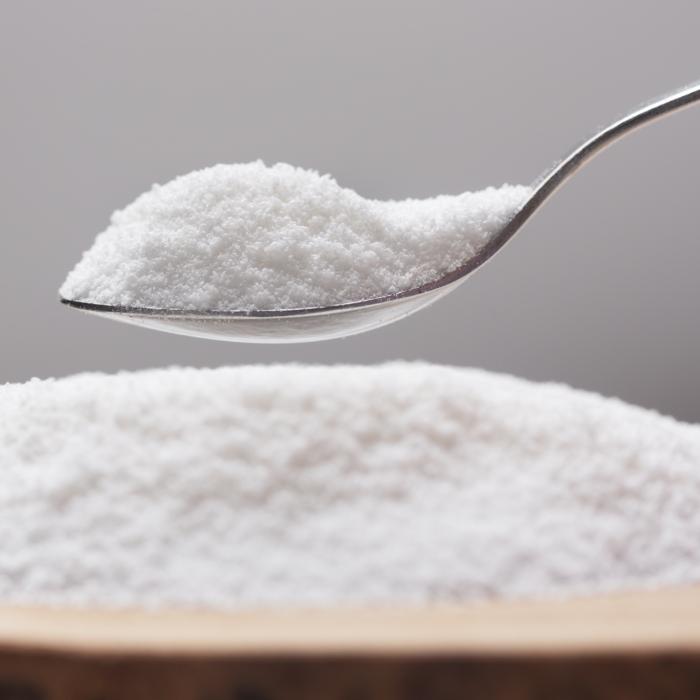
Artificial substitutes and nonsugar sweeteners are often 100 to 700 times sweeter than regular sugar, with fewer or no calories. Because of their excess sweetness, according to Ms. Harland, “they tend to be used in lesser amounts.”

Taste Buds in the Gut Regulate How Much Food You Eat
Over the past several years, researchers have found these taste sensors throughout the body, such as in the stomach, intestines, and other internal organs. Further research discovered how these taste receptors play a crucial role in coordinating digestion and regulating what kind of foods and how much one eats.As the Market for Sweets Grows, So Do Concerns
According to an analysis by Mintel, a market research firm, the number of food products containing artificial sweeteners and sugar substitutes has surged in the past several years due to consumer demand. The market is expected to continue to grow.Some substitutes are synthetic, like aspartame, sucralose, saccharin, neotame, and acesulfame potassium. Others, like allulose, stevia, and monk fruit extract, are often referred to as “naturally occurring” because they’re derived from plants.
“Overall, sweeteners should be reduced in the diet,” Mr. White said. “Most Americans, nowadays, should eat more natural sugar in the form of fruits and vegetables, and some natural dairy, too.”
But many Americans find this difficult to achieve due to the prevalence and variety of nonsugar sweeteners.
Small Dietary Changes Make a Difference
“Some people actually feel that a diet drink helps them to not indulge later. On the other hand, others report that when they have artificial sweeteners, they start craving more, they are hungrier, and they eat more later,” said Mr. White.Since some evidence suggests that natural sugar, like that in fruits and vegetables, can help replace cravings for excessive sweeteners, eating a couple of pieces of fruit each day is an excellent place to start. It may be easier for others to add other naturally sweet foods to their diet, such as yogurt, sweet potatoes, or dried fruit, to satisfy cravings.
To reduce overall sweetness, Ms. Harland recommends checking the ingredients label to determine what type of sweetener is used and looking at the “total added sugars” row on a nutrition label.
“The most evidence-based behavior change is to really go for the next manageable small thing that someone feels capable and ready to do,” Mr. White shared.
If you haven’t already, gradually add more lean protein, whole grains, and healthy fats to your diet. If you need added sweetness, try a low-glycemic option, like date sugar or yakon syrup.
The goal is to reduce the need for sweet substitutes and sweetness overall, but gradual changes are key to avoiding the trap of “all or nothing,” according to Mr. White. He added: “Don’t let the perfect be the enemy of the good.”