Your brain needs a steady flow of blood to stay healthy, just as a garden needs water to grow. However, when blood pressure is too high, it can damage the blood vessels—much like an irrigation system under too much pressure can harm plants. Over time, this damage could increase the risk of Alzheimer’s disease.
How Blood Pressure Affects the Brain
Having high systolic blood pressure is associated with an 8 percent to 11 percent higher risk of Alzheimer’s disease.Systolic blood pressure measures the force of blood when the heart beats, while diastolic pressure measures the pressure when the heart rests between beats. For instance, if a person’s blood pressure is 120/80, the first number is the systolic pressure and the second number is the diastolic pressure.
High blood pressure can lead to brain shrinkage and blood vessel damage, reducing blood flow and increasing the risk of brain changes associated with Alzheimer’s disease.
It also triggers changes in the brain, including the buildup of beta-amyloid due to impaired clearance of waste products from reduced blood flow. Beta-amyloid is a sticky protein that clumps together, disrupts communication between brain cells, and promotes the development of plaques and tangles—twisted strands of tau protein that interfere with how cells work.


Small Changes, Big Effect
Even late in life, treating high blood pressure with medications has been shown to be effective.It’s important to know whether treatment is working, which requires regular monitoring with a reliable device. If blood pressure remains high despite treatment, it may be time to revisit the approach. A health care provider can help assess whether the current medication is the right fit, whether the dose needs to be adjusted, or whether a different combination might work better.
Lifestyle choices can also have a powerful effect.
“Cognitive decline isn’t an inevitable consequence of growing older, but rather a process that may be prevented through early interventions,” Lilianne Mujica-Parodi, a brain-aging expert and chair of metabolic neuroscience at Stony Brook University, told The Epoch Times.
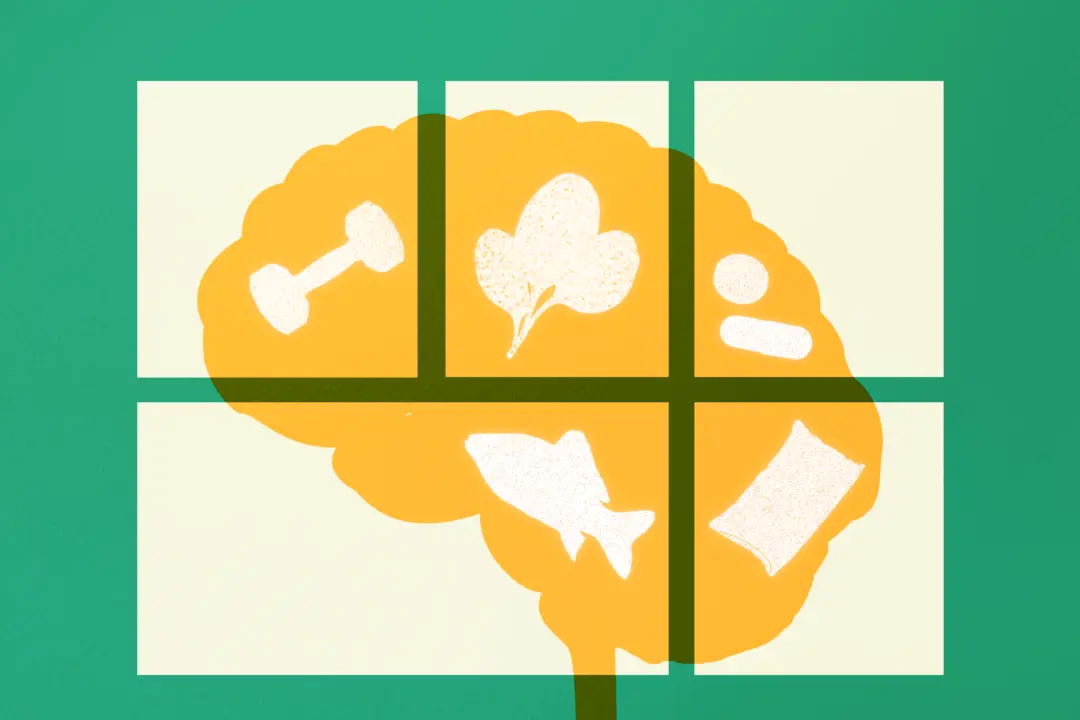
- Eating a diet low in sodium and rich in fruits, vegetables, and whole grains
- Engaging in regular physical activity
- Managing stress through practices such as mindfulness or deep breathing
One of the best-studied approaches is the DASH diet, short for Dietary Approaches to Stop Hypertension.
The diet emphasizes whole foods, plenty of fruits and vegetables, low-fat dairy, lean proteins, and limited sodium, sugary drinks, and processed foods.
Those who followed the DASH diet with low sodium saw their systolic blood pressure drop by 7.1 mmHg without hypertension and by 11.5 mmHg with hypertension.
The Role of Exercise and Stress
Physical activity is another powerful intervention.Stress also has a measurable effect on the body. During moments of acute stress, systolic blood pressure rises by an average of 1.54 mmHg, diastolic by 0.79 mmHg, and heart rate by 1.53 beats per minute.
Even without immediate stress, higher baseline stress levels are linked to elevated blood pressure and heart rate.
The most effective approach involved taking fewer than 10 breaths per minute—about six breaths—for 10 minutes, twice a day, over a period of four weeks.
“Even modest changes can make a big difference,” Mroz-Planells said.
“It’s about progress, not perfection, and the sooner you start, the more you can protect your brain and lower your risk of Alzheimer’s.”