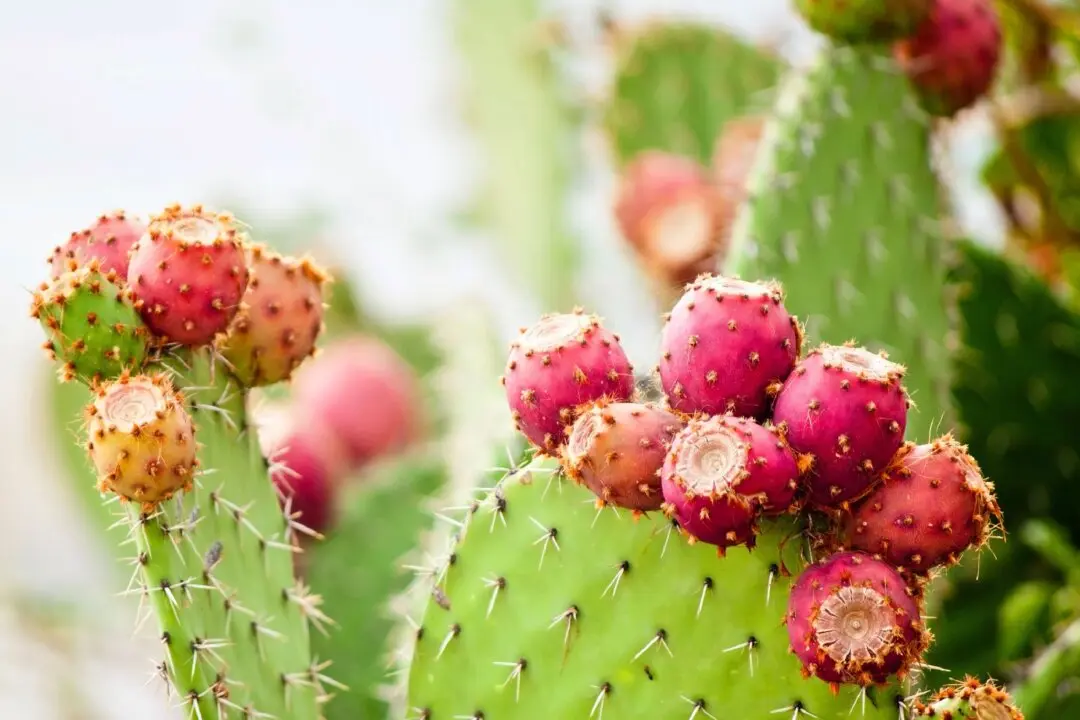
Although guava, Psidium guajava, originated in Central America, it is now grown in many tropical and subtropical regions worldwide. The small oval shape of the guava fruit is covered with light green or yellow skin. Inside are many tiny edible seeds surrounded by white, pink, or red flesh. The fruit is delicious and the leaves make a health-promoting tea. However, it is the leaf extract that is becoming important for numerous therapeutic uses.
History
Guava has been used for years to treat many ailments, particularly in the tropical regions where they grow. In the rural areas of India, Ayurvedic practices have used guava successfully for treating infections, malaria, diabetes, hypertension, cancer, malnutrition, pain, and fever.Benefits
Today, guava’s nutrient content and medical applications are becoming increasingly recognized. The fruit, bark, seeds, and especially the leaves have phytochemicals, giving them medicinal properties including antioxidant, anti-inflammatory, antimicrobial, antidiabetic, and anticancer.Research confirms the worldwide potential of guava leaf extracts for the treatment of diabetes, cancer, cardiovascular diseases, parasitic infections, and the regulation of glucose levels. These are the most prevalent conditions threatening the world’s health today.
Heart
Studies have shown that guava leaves may help protect the heart from damage by free radicals due to their high levels of antioxidants and vitamins.A six-week study in 2016 found similar results using guava fruit. Forty-five healthy college students were given guava fruit with and without the peel. Results showed that guava fruit without the peel was more effective in lowering blood pressure and glucose. Total serum cholesterol, triglycerides, and LDL (low-density lipoprotein) were also lowered while HDL (high-density lipoproteins) levels increased.
Brain
Micronutrients such as vitamin C, potassium, magnesium, and vitamins B3 and B6 found in guava can impact the psychological health of the brain. For example, a study of vitamin C levels in 139 male students showed that the higher the level, the better the overall mood of the student. Conversely, lower levels of vitamin C were associated with depression, confusion, and anger.A similar study was done with 214 healthy adults comparing vitamin C levels to mental vitality. They found that low levels of vitamin C correlated with decreased ability in work motivation and attention. In contrast, higher levels indicated better performance of cognitive tasks that required concentrated focus and attention.
Vitamins B3 and B6 help relax the nerves and increase blood to the brain, thus improving brain function and cognition. Guava’s magnesium helps lower anxiety while improving mood.
Cancer
Guava and its leaf extract have been involved in many cancer studies, including lung, colon, squamous cell, myeloma, cervical, and gastric cancers. Guava’s powerful antioxidants, especially lycopene and quercetin, neutralize free radicals, thus inhibiting cancer cell proliferation. Other studies indicate that leaf extract lowers the risk of prostate cancer as well as inhibits the growth of breast cancer cells.Kidneys
Although guava’s vitamin A and phytonutrients lutein and lycopene can help kidney cells against oxidative stress, the high potassium of guava can be detrimental to those with chronic kidney disease, according to nephrologist Dr. Rajesh Goel of the Kidney Care Center in Delhi, India. The high level of calcium can also cause kidney stones.Skin
Guava leaf’s high astringent qualities cause skin cells to contract and tighten when applied topically in an ointment. A decoction of boiled leaves can help speed up the healing of wounds. Its antioxidants and vitamins A and C are good for keeping skin looking young while slowing down the aging process. Guava is also 80 percent water, which keeps skin hydrated.One study found that guava leaf extract effectively kills acne-causing bacteria due to its antimicrobial and anti-inflammatory properties.
Bone and Teeth
Guava contains both calcium and magnesium. Together, they help maintain strong bones and teeth. Eating guava helps in reducing the risk of osteoporosis and other bone-related conditions. One study using rats with either low bone density or bone injuries showed improvement in bone growth when fed guava leaf extract.

The anti-inflammatory and antibacterial properties of guava leaves help fight infection. Try guava leaf juice to treat toothaches and inflamed gums.
Diabetes
Both laboratory and clinical studies indicate that the polyphenols in guava leaf tea inhibit some of the body’s carbohydrate enzymes. This inhibition slows down the conversion of carbohydrates to glucose, reducing blood glucose levels by at least ten percent. Researchers suggested that drinking guava leaf tea with every meal might help pre-diabetic and diabetic patients control their glucose metabolism.Women’s Health
Many women suffer monthly from abnormal menstrual pain. In one clinical trial, guava leaf extract was given to 197 women with primary dysmenorrhea during their periods. Results showed that taking 6 mg of guava leaf extract daily significantly reduced their pain intensity, even better in some cases than traditional painkillers.Nutrition
Guavas are an excellent source of dietary fiber, which promotes healthy bowel movements and prevents constipation. Just one guava has 3 grams of fiber. See the complete table of guava nutrition at the U.S. Department of Agriculture FoodData Central.Risks
If you have the following conditions, consult your doctor before using guava leaf extract or eating the fruit:- Eczema: Guava leaf extract can irritate the skin if applied directly.
- Chronic kidney disease: High potassium and calcium can tax the kidneys or initiate calcium stones.
- Diabetes: Monitor glucose when eating guava as it naturally helps lower glucose levels.