Drinking water is essential to life, and just as important is ensuring that our water is clean and safe. Contaminants such as microplastics, bacteria, and harmful chemicals can enter your water through everyday habits or the wrong choice of container, posing real risks to your health.
Dr. Ming-Wei Chao, toxicology professor at Chung Yuan Christian University in Taiwan and a board-certified toxicologist, shared valuable insights on NTD’s “Health 1+1” program. Everyday drinking habits—such as reusing plastic bottles or storing water improperly—can compromise water quality and increase your exposure to microplastics, he said. Over time, these particles may build up in the body, contributing to inflammation, organ stress, or even cardiovascular disease.
To help you stay safe, Chao recommended following these four simple principles for healthier drinking water:
4 Principles for Safer Drinking Water
1. Choose safe containers. Opt for glass or stainless steel bottles, which are stable and safe materials. If you prefer plastic, select polypropylene containers, which are heat-resistant and suitable for warm liquids.Is Bottled Water Safe?
Chao said commercially bottled water is generally safe if it remains unopened and properly stored. However, certain practices can increase microplastic exposure: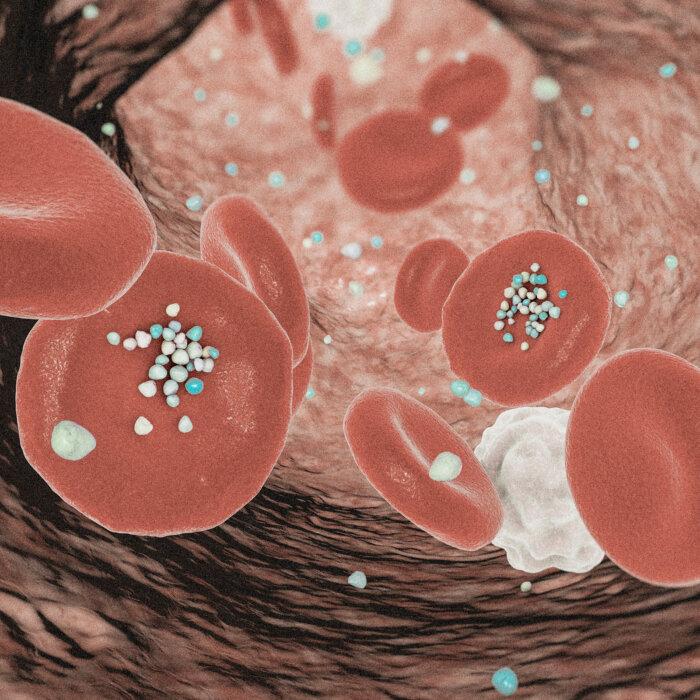

Microplastics in Tea Bags
Studies show that tea bags can release microplastics when steeped in hot water. Nylon, PET, and even many paper tea bags contain plastic fibers.Chao recommended switching to loose-leaf tea to avoid the risk. If you prefer tea bags, don’t steep them too long or reuse them.
Choose the Right Water Filter
Chao recommended filters that include activated carbon and reverse osmosis technologies for home use. Activated carbon absorbs many organic compounds and particles, while reverse osmosis removes bacteria, heavy metals, and other impurities.Can Our Bodies Metabolize Microplastics?
According to Chao, the human body can excrete small amounts of microplastics, but long-term or high-level exposure may lead to accumulation. Microplastics can penetrate tissues, enter the bloodstream, and lodge in organs or blood vessels.Small Changes, Big Impact
Drinking clean water daily can make a big difference.By making a few simple changes—such as choosing the correct container, being mindful of how you use tea bags, and filtering your water—you can significantly reduce your exposure to microplastics and take a meaningful step toward a healthier lifestyle.