From the moment that Jess Davidoff’s infant son transitioned from breast milk to baby formula, feeding became a source of distress—for both mom and baby. Every bottle of any U.S.-made brand seemed to trigger a bout of vomiting, his tiny body rejecting each feeding. Davidoff took to research, and against her doctor’s guidance, made the switch to a European-made formula. The vomiting stopped with the swap, granting a sliver of respite for both baby and mom.
“My pediatrician told me that I was ‘endangering’ him by using a European formula that wasn’t [Food and Drug Administration-approved],” Davidoff told The Epoch Times.
‘Good’ Formula
Choosing the best formula requires understanding labels and ingredients, regardless of its country of origin. Several critical factors come into play:Essential Nutrients
Infant formula serves as the primary source of nutrition for many babies during their first year, making its composition essential for healthy development. Key nutrients found in breast milk to look for in formula include:Quality
The quality of ingredients and how they are processed can affect the overall nutritional value and potential health effects of infant formula.
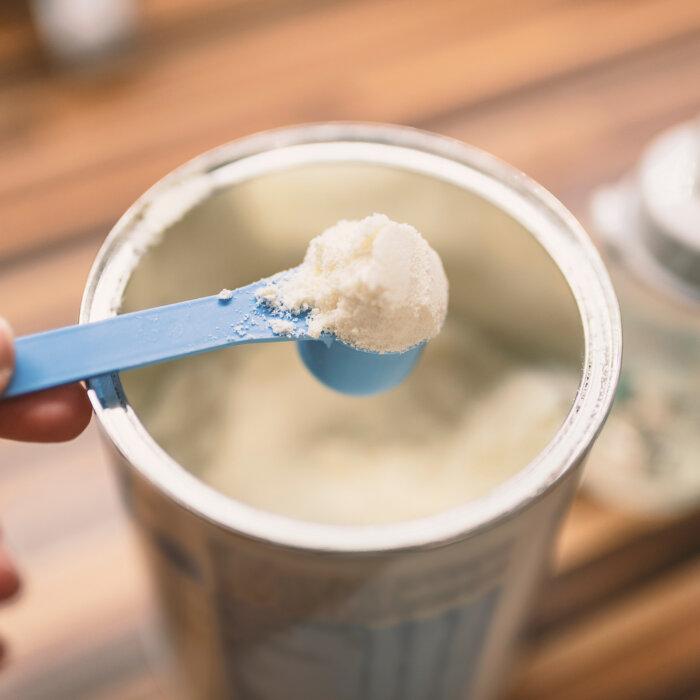
The organic market in the United States is growing, but conventional formulas produced from cows raised according to standard agricultural practices still dominate.
Macronutrient Content
When it comes to macronutrients, lactose is the primary carbohydrate used in both regions to mimic breast milk. It is generally well-digested by infants and supports the growth of beneficial gut bacteria. However, European standard formulas almost exclusively use lactose, while U.S. formulas use corn syrup solids, which may affect blood sugar, weight gain, and gut health. Because of these concerns, European regulatory bodies tend to be more cautious than the United States about allowing corn syrup solids in standard infant formulas.For Davidoff’s son, who regurgitated his formula, it turned out that he had a severe corn allergy and was reacting to the corn syrup solids in the U.S. formula.
According to Dr. Michelle Perro, an integrative pediatrician with more than four decades of experience, the corn syrup solids are highly processed, but there may still be residual corn protein in the formula. She told The Epoch Times that producing corn syrup involves extensive processing, which, in her view, may contribute to health issues in some children.
“We are seeing an explosion of food sensitivities, intolerances, and allergies—it is off the charts,” Perro said.
The corn allergy of Davidoff’s son manifested with multiple concerning symptoms, including thinning hair and nails, vomiting, eczema, and hernias—one of which required surgery. Thirty-two doctors dismissed Davidoff’s concerns about a food-related cause, but her mother’s intuition prevailed. She meticulously tracked her son’s food until the culprit revealed itself: U.S.-based formula containing corn.
“The sugar used has to change,“ Perro said. ”We cannot use the synthetic corn syrup derived from GMO corn.”
Proteins in formula—usually cow’s milk—aim to match breast milk’s whey-to-casein ratio. European formulas often match it more closely than U.S. varieties. Both markets offer formulas with partially or extensively broken down hydrolyzed proteins. Additionally, both the United States and Europe offer formulas made with goat’s milk or soy protein for infants with specific dietary needs. Regulations regarding these alternative protein sources and the extent of processing may differ by region.
Heavy Metals Are a Concern
Heavy metals can be present in baby formula in the United States and Europe. The European Union (EU) generally has stricter limits on heavy metals and contaminants in baby formula than the United States, and continuously updates its regulations to reduce allowable levels. The stricter regulations on heavy metals are a major reason that some parents prefer European formulas.“To think that the FDA is protecting us is a stretch,” she noted, voicing frustration over what she sees as inadequate action regarding contamination in infant formula.
Perro suggested that potential sources of toxic metals could include cow feed, processing methods, and environmental factors such as geoengineering—large-scale climate interventions such as solar radiation management. While further research is needed to pinpoint the source in the U.S. formula manufacturing system, the presence of these metals is alarming because of the potential health effects.
Perro said one of the most troubling effects of heavy metal exposure in infants is its effect on gut health and the subsequent lifelong repercussions.
She explained that toxic metals can disrupt the microbiome, potentially preventing babies from developing a healthy innate immune response. According to Perro, this kind of gut disruption could set the stage for conditions such as eczema, gut-induced asthma, autoimmune disorders, and food allergies, possibly leading to additional health challenges later in life.
The Realities of Importing Formula
The fundamental differences between U.S. and European formulas motivate many American parents to seek alternatives.A significant concern among medical professionals in the United States is the availability of “gray market” or imported formulas that are not cleared by the FDA. Unless explicitly imported under FDA oversight, these products are sold in the United States by third-party vendors and don’t fully comply with FDA labeling requirements.
Gray market formulas have not undergone the FDA’s safety and nutrient content review. The lack of regulation raises questions about whether these formulas meet the specific nutritional needs of American infants and adhere to U.S. safety standards. Parents purchasing these formulas often do so without the assurance of regulatory oversight.
What Can Parents Do?
Navigating the world of infant formula can feel overwhelming, but parents can empower themselves by being informed consumers. When choosing a formula, it’s best to prioritize options that follow the most stringent standards.“I tell parents to stick to organic whenever you can,“ Perro said. ”There might still be some toxic metals, but they'll get less pesticides.”
Seeking recognized certifications such as the U.S. Department of Agriculture organic seal for U.S. products or the EU organic logo for European formulas is key.
Beyond organic certification, it’s also crucial to read labels carefully. Pay close attention to the carbohydrate source, noting whether lactose is the primary ingredient and being mindful of the presence and amount of corn syrup solids. Scrutinize the list of additives. Perro also recommends being cautious of formulas containing any high fructose corn syrup.
“We are trying to induce change here, not fear and panic, so we do the best we can,” Perro said, highlighting an approach rooted in parental empowerment.
She advises parents to use the highest-quality formula they can find, while ensuring that their baby’s digestion is good and that they are eliminating regularly. She also strongly recommends using the best water filter you can afford to mix formula instead of using tap water, which may contain fluoride, lead, pesticides, or other potential contaminants, depending on your location.
In addition to education and empowerment, Perro said she is hopeful about the future of the formula market in the United States.
“People see the potential here for growth,“ she said. ”The companies are coming, and I think they’re going to be producing a better formula.”
Where there is a need, there is always an opportunity.
New U.S.-based formula companies are likely following suit, developing products that are free of unwanted additives. By demanding greater transparency and higher quality, parents can shape the future of infant formula in the United States.