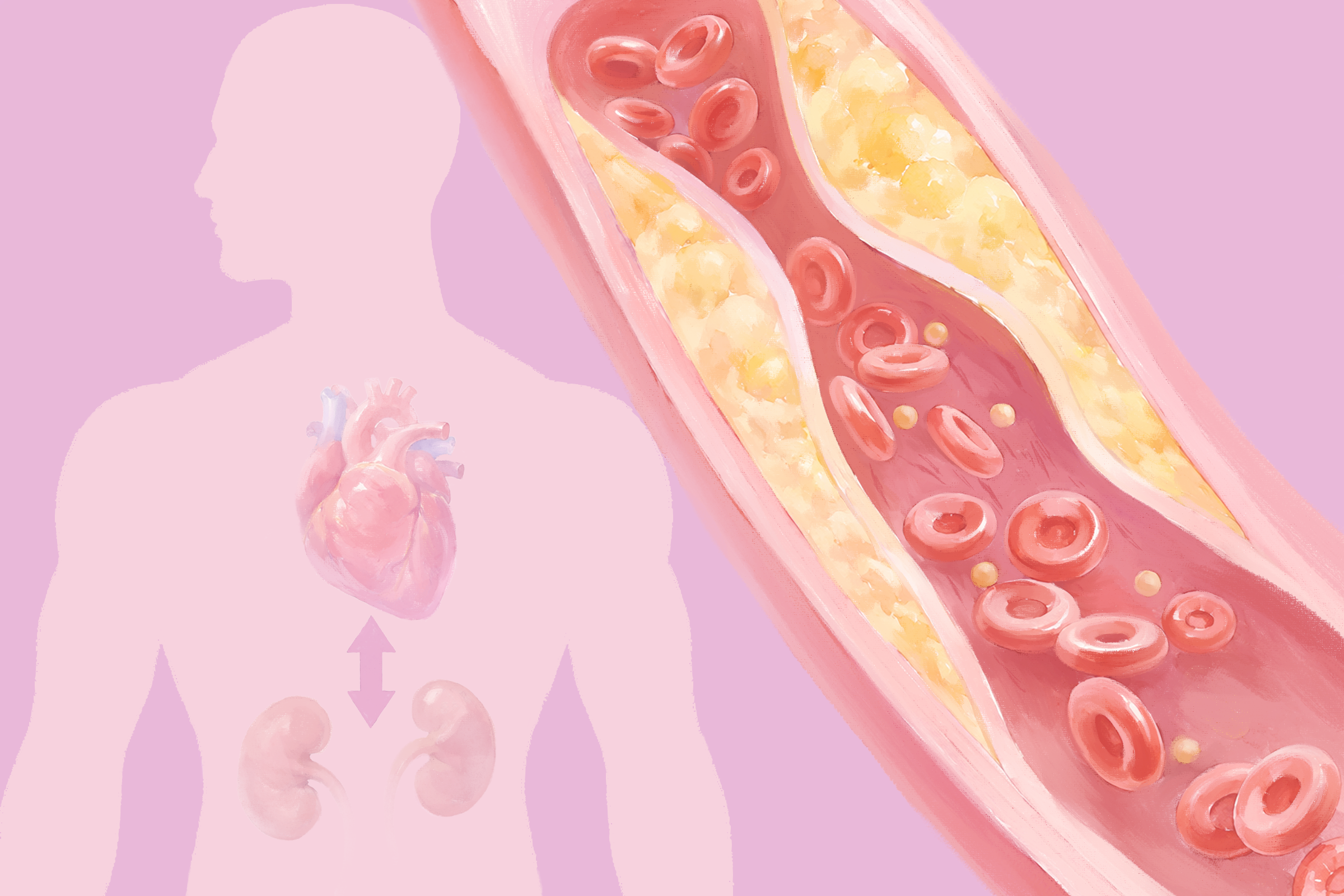

Before, obesity, Type 2 diabetes, chronic kidney disease, and cardiovascular disease were treated as entirely separate conditions.
The CKM framework recognizes these four conditions as interconnected, with each potentially contributing to the development and progression of the others.
Even among young adults, more than 8 out of 10 have at least one CKM risk factor, making this condition one of the most prevalent health challenges faced today.
What Are the Stages of CKM Syndrome and Their Symptoms?
CKM syndrome develops gradually, and doctors classify it into stages, each with different signs and symptoms.
You can move backward through the stages, not just forward, if the condition is caught early and managed well.


Stage 1: Excess Body Fat
People have excess body weight, store fat in unhealthy places (such as around their organs), or show early signs of blood sugar trouble, such as prediabetes. The body may be starting to develop insulin resistance.
This is also a stage with few, if any, warning signs. Some people may have sleep apnea, which is more common in people with obesity.
Stage 2: Metabolic Issues and/or Kidney Disease
At this stage, one or more metabolic issues may have appeared, such as high blood pressure, unhealthy cholesterol or triglyceride levels, Type 2 diabetes, or metabolic syndrome. A person may also have chronic kidney disease. These conditions put extra strain on the heart.
Many people still feel fine, but when symptoms appear, they might include:
Increased thirst or frequent urination, which can be signs of diabetes
Gout, which is linked to metabolic syndrome and kidney disease
Headaches related to high blood pressure
Swelling in the legs, ankles, or feet as kidney function declines
Stage 3: Subclinical Cardiovascular Disease
People experience symptom-free (subclinical) damage to the heart or blood vessels. Specialized tests or imaging can detect early warning signs, such as calcium buildup in the coronary arteries, narrowing of the arteries, or changes in heart structure. People with advanced kidney disease or a high predicted risk of heart attack or stroke also fall into this category.
Possible symptoms include chest discomfort during physical activity, shortness of breath, fatigue, reduced ability to exercise, or dry skin due to kidney dysfunction.
Stage 4: Cardiovascular Disease
Symptoms depend on the specific conditions involved and can include:
Chest pain
Shortness of breath
Fatigue
Weakness
Syncope, or fainting
Leg pain when walking
Swelling in the legs or feet
Wounds that heal slowly
What Causes CKM Syndrome?
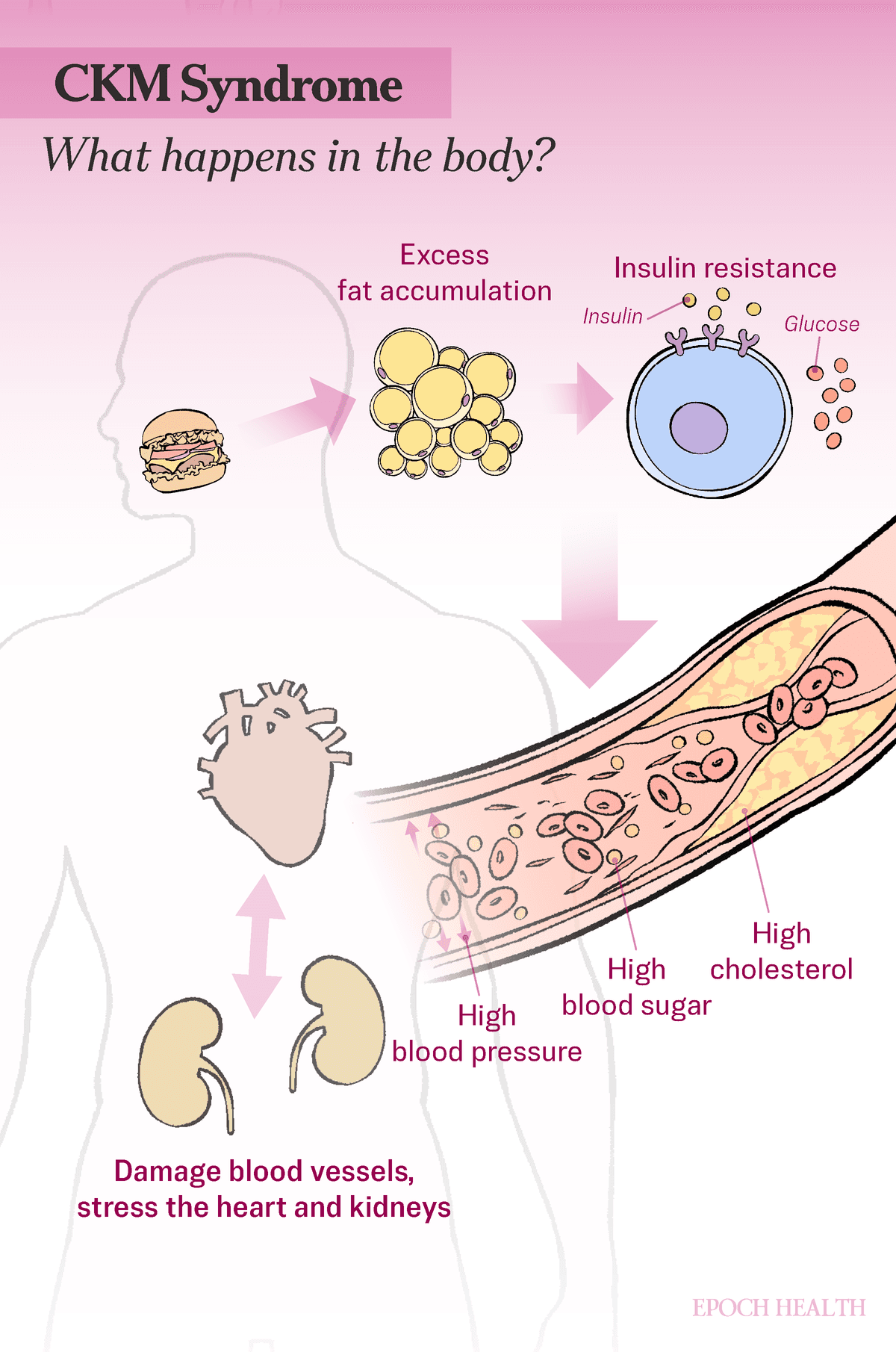
Early life factors—such as relying on takeout or highly processed foods, having limited access to fresh, nutritious foods, and having fewer opportunities for physical activity—can contribute to excess fat accumulation and metabolic changes.
Over time, these changes can cause abnormal cholesterol to contribute to plaque buildup in the walls of blood vessels, including those that supply blood to the heart, brain, and kidneys. These fatty deposits can narrow or block blood vessels and contribute to inflammation.
Additionally, excess body fat can trigger inflammation and insulin resistance, contributing to major metabolic risk factors including high blood pressure, Type 2 diabetes, chronic kidney disease, and metabolic syndrome.
High blood pressure and high blood sugar can damage the body’s blood vessels and strain the kidney. As a result, the renal system’s ability to remove waste from the blood and keep the body’s water and mineral levels balanced gets impaired.
At the same time, kidney dysfunction can cause fluid to build up and place extra strain on the heart.
Over time, these interconnected changes can create a harmful cycle.
Risk Factors
CKM syndrome includes medical conditions such as obesity, stroke, peripheral artery disease (reduced blood flow to the legs), and irregular heart rhythms.
The risk of advanced CKM syndrome increases with age, particularly among adults 65 and older. Other factors associated with CKM risk include:
Unhealthy Lifestyle Habits: Examples include not getting enough physical activity, smoking, eating a diet high in sodium, added sugars, and unhealthy fats, and not getting enough quality sleep.
Body Fat Distribution: Carrying excess weight around the belly is an independent risk factor—specifically, a waist circumference of 35 inches (90 cm) or more for men, or 31.5 inches (80 cm) or more for women.
Air Pollution: A 2025 study involving more than 4,000 participants found that air pollution, especially exposure to multiple pollutants at once, was a significant factor in CKM risk and progression.
Toxin Exposure: Cadmium, commonly used in rechargeable batteries, metal alloys, electroplating, solar panels, plastic stabilizers, and pigments for paints, plastics, and other products, can damage blood vessels and kidneys, increase inflammation, and worsen CKM syndrome. Lead raises blood pressure, damages blood vessels and kidneys, and it also increases mortality risk in people with CKM syndrome. Long-term exposure to arsenic can damage blood vessels, increase inflammation, and promote diabetes.
Family History: A family history of diabetes or kidney failure can raise your own risk of blood sugar, kidney, and cardiovascular problems.
Race and Ethnicity: Advanced CKM syndrome is more common among black adults (18.9 percent) than Hispanic adults (14.7 percent), white adults (13.8 percent), or Asian adults (11.4 percent) in the United States.
Social Risk Factors: A May study involving more than 28,000 people found that financial instability, unfavorable neighborhood conditions, limited educational opportunities, and weaker social and community support all increased the risk of CKM.
How Is CKM Syndrome Diagnosed?
CKM syndrome is identified through regular health screenings and risk assessments that evaluate key indicators of metabolic, kidney, and cardiovascular health.
Screening
For healthy adults, the AHA recommends having your body mass index and waist circumference checked at least once a year.
The frequency of other health checks depends on CKM stage:
Stage 1: Blood pressure every year; blood sugar, cholesterol and kidney function every two to three years
Stage 2 or higher: Blood pressure, blood sugar, cholesterol and kidney function at least every year
If you have Stage 2 CKM syndrome or higher, your doctor will likely check your kidney health every year. This usually includes a blood test to see how well your kidneys filter waste and a urine test to check albumin, a protein that can be an early sign of kidney damage.
Healthcare professionals use risk calculators to estimate your chances of developing cardiovascular disease over the next 10 or 30 years. The AHA developed a newer tool called the PREVENT risk calculator, which factors in social disadvantage rather than race, recognizing that differences in health are often related to people’s living conditions and access to resources.
Diagnostic Tests
Your doctor may use several tests to diagnose CKM syndrome and determine its stage, such as:
Blood Pressure Check: Measures the force of blood against your artery walls to determine whether you have high blood pressure. A healthy blood pressure is less than 120/80 mmHg.
Weight and Waist Circumference: Assesses body weight and the amount of fat carried around your waist. A healthy waist circumference is less than 34.6 inches, or less than 31 inches for people of Asian ancestry.
Estimated Glomerular Filtration Rate: Estimates how well your kidneys are filtering waste from your blood using a blood test and other factors.
Urine Albumin-Creatinine Ratio (uACR): Measures albumin (a type of protein) in your urine, which can be an early sign of kidney damage. A healthy uACR is less than 30 mg/g (or less than 3 mg/mmol).
Hemoglobin A1C (HbA1C): Measures your average blood sugar level over the past two to three months. A healthy fasting blood glucose level is less than 100 mg/dL, which roughly correlates to an HbA1c of below 5.7 percent.
B-Type Natriuretic Peptide or N-Terminal Pro-B-Type Natriuretic Peptide: Measures proteins released by the heart when it is under stress or not pumping blood effectively. High levels may be a sign of heart failure.
Heart Tests (Electrocardiogram, Echocardiogram, or Stress Test): Evaluate your heart’s rhythm, structure, pumping function, and how well it works during physical activity.
What Are the Natural and Lifestyle Approaches to CKM Syndrome?
The choices you make each day can shape the course of CKM syndrome. Adopting healthier lifestyle habits can lower your risk of developing the condition, slow its progression, and, in its early stages, even help reverse some of its underlying metabolic changes.
1. Eat Better
Choose whole foods. Drink water throughout the day; unsweetened tea or coffee can also be included. Choose healthier oils, such as olive oil and avocado oil, and pay attention to portion sizes. Prepare meals at home. These habits can help reduce inflammation, improve metabolic health, protect the heart and kidneys, while lowering the risk of CKM syndrome progression.
The Mediterranean diet appears to have the greatest evidence supporting its role in improving cardiometabolic risk, Dr. James Lyons, Clinical Advisor of Epiphany Wellness, told The Epoch Times. “However, I modify this approach based upon each patient’s renal function.”
His examples include limiting potassium, sodium, or phosphorus intake in patients with end-stage kidney disease, or emphasizing high-fiber carbohydrate intake in patients with hyperglycemia.
2. Move More
3. Sleep Well
Most adults need about seven to nine hours of sleep each night. Children and teens need more sleep depending on their age: 10 to 16 hours for children ages 5 and younger (including naps), nine to 12 hours for ages 6 to 12, and eight to 10 hours for ages 13 to 18. Getting enough quality sleep supports healthy metabolism, blood pressure, and blood sugar control.
4. Stress Less
Chronic stress can create barriers to achieving healthy lifestyles and increase the risk of higher blood pressure, poorer-quality sleep, and unstable blood glucose levels, according to Dr. Shernell Surratt-Gary, Clinical Advisor at Aura Wellness.
“Many times I suggest simple strategies for managing stress such as taking a daily walk, practicing relaxation breathing techniques, being mindful, and establishing a routine for obtaining adequate restful sleep,” she told The Epoch Times.
Dr. Lyons emphasizes that stress management should be considered an essential part of medical care rather than an optional addition.
5. Manage Blood Pressure
6. Connect With People
What Are the Treatments for CKM Syndrome?
In addition to the above lifestyle changes, additional treatment options include medication and surgeries, especially at later stages.
1. Medications
Many people with CKM syndrome take more than one medication, each targeting a different part of the problem.
Renin-Angiotensin System Inhibitors (RASi): These include ACE inhibitors and angiotensin receptor blockers. They are key medications used to lower blood pressure and can reduce protein leakage into the urine (albuminuria).
SGLT2 Inhibitors: These medications may benefit people with Type 2 diabetes, chronic kidney disease, or heart failure by protecting the heart and kidneys and improving blood sugar control.
Mineralocorticoid Receptor Antagonists (MRAs): Finerenone may be recommended for people with Type 2 diabetes and kidney disease with increased albumin in the urine, as it can help reduce inflammation and scarring that contribute to kidney damage. Other MRAs, such as spironolactone or eplerenone, are typically used for heart failure with reduced pumping function. However, MRAs can raise potassium levels, which can affect heart rhythm.
GLP-1 Receptor Agonists: This is recommended for the first time, especially for those with obesity or Type 2 diabetes, and other risk factors for cardiovascular disease, to reduce the risk of cardiac events. Some GLP-1 medications, such as semaglutide, have also shown benefits.
Metformin: This medication helps lower blood sugar and improves the body’s response to insulin. For people with chronic kidney disease, the dose may need to be adjusted based on kidney function.
Diuretics (Water Pills): These medications may help your body remove extra fluid, reducing strain on the heart and improving symptoms such as swelling and shortness of breath.
Statins: These medications help improve lipid levels and reduce the risk of heart attacks and strokes.
2. Surgeries and Procedures
Different surgical options may be used to help manage conditions associated with CKM syndrome, including:
Metabolic and Bariatric Surgery: These procedures can help people with obesity achieve significant weight loss by changing how the digestive system processes food, and can improve related conditions such as Type 2 diabetes, high blood pressure, abnormal cholesterol levels, sleep apnea, and fatty liver disease. Bariatric surgery is generally considered for people who have not achieved adequate health improvements through lifestyle changes or medications.
Kidney Dialysis: For patients with kidney failure, dialysis can replace some kidney functions. Hemodialysis uses a dialysis machine to filter the blood, while peritoneal dialysis uses the lining of the abdomen as a natural filter, with a special fluid delivered through a catheter to remove waste and excess fluid from the body.
Kidney Transplantation: This may be an option for people who develop end-stage kidney failure as a result of CKM syndrome. It can restore kidney function and eliminate the need for dialysis. However, it does not cure the underlying metabolic and cardiovascular conditions.
Heart procedures may be needed to restore blood flow, correct abnormal heart rhythms, or treat advanced cardiovascular disease associated with CKM syndrome.
Stent placement (percutaneous coronary intervention) to open narrowed or blocked arteries
Bypass surgery or other open or minimally invasive heart surgery to treat advanced disease
Cardioversion to restore normal heart rhythm
Ablation to target and correct abnormal electrical signals in the heart
How Can I Prevent CKM Syndrome?
You can help prevent CKM syndrome through lifestyle changes by doing the following:
Avoid Smoking, Tobacco Use, and Vaping: These can damage blood vessels and increase the risk of heart, kidney, and metabolic problems.
Limit Added Sugars: Limiting added sugars can help support healthy blood sugar levels and lower the risk of metabolic problems. People should limit added sugars to less than six teaspoons per day.
Do Strength Training: Perform muscle-strengthening activities, such as resistance exercises or weight training, at least two days per week.
Follow a Heart-Healthy Diet: Eating patterns such as the Mediterranean diet can help lower cardiovascular risk, while the DASH, or Dietary Approaches to Stop Hypertension diet, emphasizes lower sodium intake and can be especially helpful for people with high blood pressure or heart failure.
Take Medications as Prescribed: Taking prescribed medications can help manage CKM risk factors and prevent complications.
What Are the Possible Complications of CKM Syndrome?
If left unmanaged, CKM syndrome may lead to the following complications:
Heart Attack or Stroke: Obesity, Type 2 diabetes, and high blood pressure can damage blood vessels and promote plaque buildup.
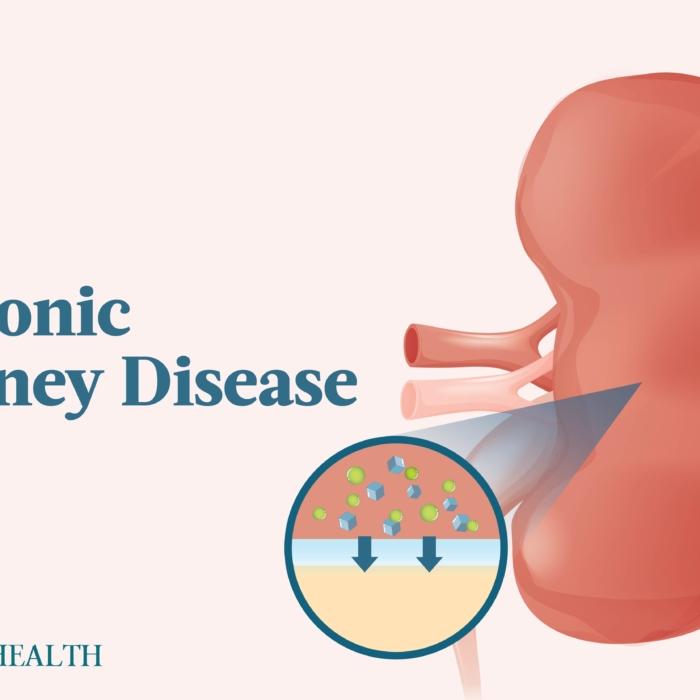
Worsening Kidney Disease or Kidney Failure: High blood sugar, high blood pressure, and heart-related problems can damage the kidneys over time.
Heart Failure: High blood pressure, Type 2 diabetes, kidney disease, and excess body fat can weaken or stiffen the heart.
Nerve and Eye Problems: Long-term high blood sugar can damage nerves and the small blood vessels that supply the eyes.