While sleeping in darkness may seem obvious, research shows that even small amounts of light, such as the glow from your phone screen or a nightlight, can disrupt the body’s internal clock, suppress melatonin, and interfere with deep sleep. Over time, this may increase the risk of developing chronic diseases such as obesity, diabetes, depression, and cardiovascular disease.
Sleep is not merely a passive act of unconsciousness; it is an active process of repair and recalibration.
“The body’s systems only achieve euphoric homeostasis—true well-being—when the demands of the day are met with enough depth, timing, and continuity of sleep. Light at night interrupts this, even if subtly, and especially for those already vulnerable,” Dr. Roger Washington, a family medicine physician focused on sleep wellness and the medical director of the Sleep to Live Well Foundation, told The Epoch Times.
“When light combines with the will to stay alert—scrolling a phone, watching TV—it locks the brain in an acquisition mode, which postpones the entry into reparative sleep cycles.”
Promotes Melatonin Balance
Even low levels of light at night can disrupt your circadian rhythm—the body’s internal sleep-wake clock—leading to poor sleep quality.
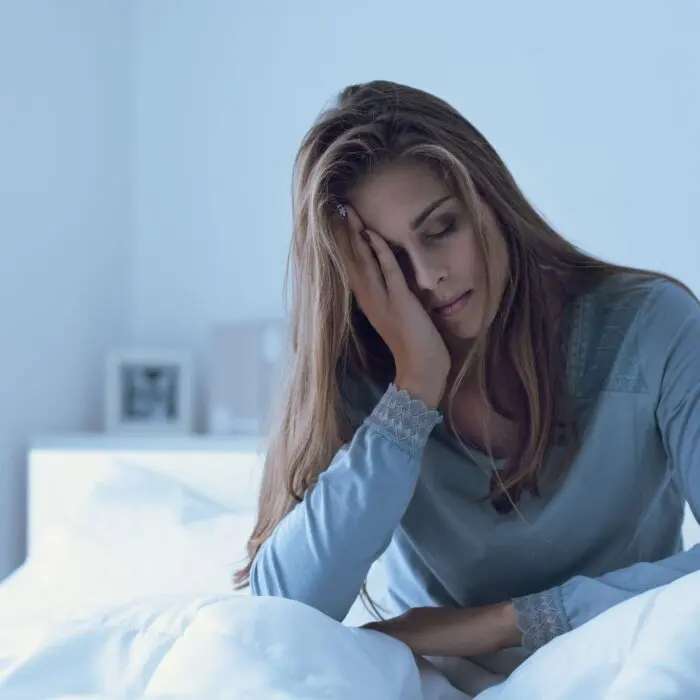
“Light at night delays circadian rhythm and promotes sympathetic nervous system activation,” Washington said.
“Sleeping in darkness allows the body’s master timekeeper, the suprachiasmatic nucleus, to align internal rhythms with the natural sleep-wake cycle.”
The suprachiasmatic nucleus is a small area in the hypothalamus that acts as the body’s internal clock, controlling sleep-wake cycles by responding to light signals from the eyes.
Boosts Heart Health
Older adults who are exposed to light at night are more likely to have common heart and metabolic health problems. A 2023 study involving more than 550 adults ages 63 to 84 in the United States found that even small amounts of light during the night can disrupt sleep and daily rhythms, which may raise the risk of issues such as obesity, diabetes, and high blood pressure—but not high cholesterol.The authors of the study note that light at night may increase the risk of obesity and diabetes by disrupting the body’s natural metabolic rhythms and causing people to eat at times that don’t match their internal clock. Nighttime light exposure can interfere with the body’s ability to control heart rate and breathing during sleep, creating stress-like effects. Washington noted that just one night of exposure to moderate light levels—about 100 lux—can raise heart rate, lower parasympathetic activity, and impair glucose tolerance.
Supports Mental Health
Light at night can affect your mental well-being by disrupting sleep quality. Poor sleep has been associated with mental illness, and in turn, mental health can also affect how well you sleep.“Light at night, especially artificial light, confuses your brain into thinking it’s still daytime. This delays melatonin release, throws off your circadian rhythm, and fragments sleep,” Leah Kaylor, a licensed psychologist specializing in sleep, told The Epoch Times.
“Chronic light exposure at night essentially keeps your nervous system in a low-grade state of alert, which can wear down your mental resilience. Over time, disrupted sleep-wake cycles are linked to higher rates of depression, anxiety, and mood instability.”
She noted that children and teens who develop good sleep hygiene are better equipped to manage mood swings, stress, and cognitive demands in adulthood.
Kaylor said that the brain needs extended time in slow-wave and rapid eye movement (REM) sleep to regulate emotions, remove toxins, and carry out overnight repair; and darkness plays a key role in initiating that process.
Lowers Obesity and Diabetes
“Even dim light (as low as 5 to 10 lux) can disrupt sleep architecture and impair next-day alertness and glucose regulation,” Washington said. “This is not merely a hormonal response—it’s a full-system recalibration.”While a single night of light exposure is unlikely to cause significant harm, consistent low-level exposure over time can gradually interfere with the body’s functioning, he said.
May Lower the Risk of Certain Cancers
Artificial light at night and disruption of the body’s natural rhythm may increase the risk of certain cancers. People living in areas with the most artificial light at night had a 27 percent higher risk of developing pancreatic cancer compared with those in the least-lit areas, according to the results of a large population-based study.The researchers followed participants for up to 16 years and reported that this elevated risk was consistently associated with nighttime light exposure. This link was similar in both men and women, and stronger in people with normal weight or who were overweight, compared with those who were obese. Since obesity itself is already a strong risk factor for pancreatic cancer, the added effect of light at night might be more noticeable in people without obesity.
ER-positive cancer is a type of breast cancer in which the cancer cells have estrogen receptors, meaning they grow in response to the hormone estrogen.
How Dark Should a Room Be?
Washington notes that your sleep environment should be under 1 lux, or “pitch black” to the naked eye. “You shouldn’t be able to see your hand when you extend your arm in front of you,” he said.Use a red-spectrum nightlight if you need to move around at night, as red light is least likely to interfere with melatonin.
“The darker, the better,” Kaylor said. “If total darkness isn’t possible, reduce exposure as much as you can—eliminate overhead lights, avoid night scrolling, and use low, indirect lighting in the hour before bed.”
- Use blackout curtains to block out streetlights or early morning sunlight.
- Power down electronics or cover glowing lights with blackout stickers.
- Replace bright bulbs with dim, warm lighting in the evening.
- Wear a contoured sleep mask if you can’t control your surroundings.
“If you want to be mentally sharper tomorrow, it starts with a pitch-black bedroom tonight.”