





When patients come to me with blood problems, their lab test results are not the only thing I review.
Blood is a vital, life‑supporting force that nourishes the body and anchors the mind. If your lab tests are normal but you still feel unwell, your blood may not be adequately performing its role.
Vital Fluid
Traditional Chinese medicine (TCM) and modern biomedicine offer two complementary perspectives on blood physiology.
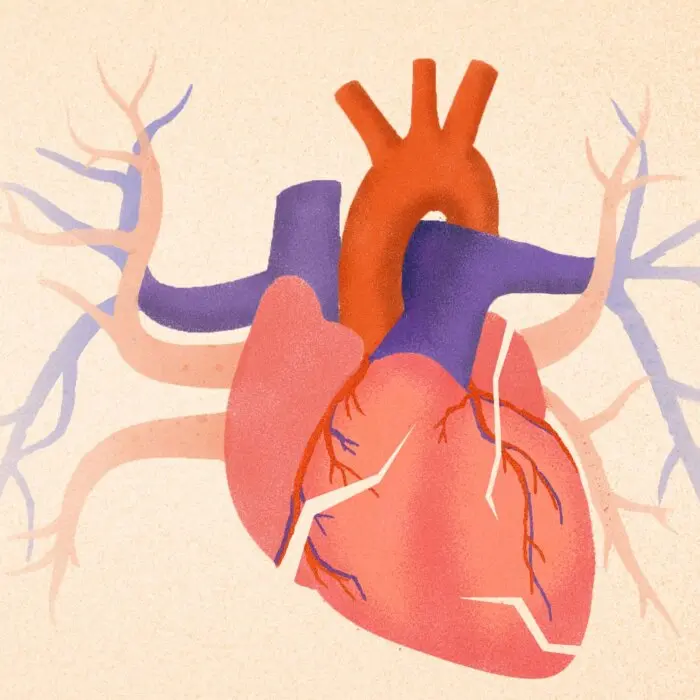

Think of blood as the nourishing river coursing through the body, while the qi is the energy force driving the river through the tissues and organs. When blood becomes deficient, organs are not properly nourished, and the mind loses its sanctuary.
This is why a broad range of symptoms may be understood as signs of blood deficiency, such as pale skin, fatigue, dizziness, cold hands and feet, poor concentration, insomnia, or emotional instability.
What Depletes Blood
“Blood deficiency” in TCM is not equivalent to anemia, which is marked by low levels of blood protein hemoglobin or low red blood cells.
Blood deficiency can develop when the body can’t produce enough blood. It can also develop when blood is present in sufficient quantities, but it fails to nourish the body. That’s why a person may sometimes experience blood deficiency symptoms despite a normal hemoglobin level.
Persistent stress, poor sleep, weak digestion, and long-term illness are common reasons why your body fails to maintain healthy blood levels.
To illustrate, a 16-year-old girl came to me with deep anxiety about school exams. For nearly two years, facing even routine tests felt overwhelming, let alone major examinations.
Her persistent anxiety soon showed up as sleepless nights and trembling hands, and she eventually developed menstrual irregularities. The mental strain was affecting her entire body.
It turns out, her prolonged emotional stress disturbed the flow of qi in her body. When qi weakened, the body’s ability to circulate blood also weakened. Stress also disrupted her sleep, making it harder for her body to rest and restore blood flow. Over time, this led to a blood deficiency. Because blood nourishes and anchors the mind, its deficiency created a self-reinforcing cycle in which emotional stress and physical weakness kept feeding each other.
My first goal was to help her reverse this cycle. I helped her feel calm and sleep better and focused on nourishing her blood using Chinese herbal medicines and simple recipes that were easy to prepare at home.
Slowly, her condition began to shift. The trembling in her hands also faded, and her menstrual cycle became regular. Over time, she felt mentally clear and confident, and was able to attend and complete her exams.
To a Western doctor, the girl’s mind and body symptoms may seem unrelated, but a TCM physician views them as intricately connected.
What Nourishes Blood
Blood health is something that you cultivate daily. Therefore, before turning to pills or herbal remedies, I usually start with the following four pillars of health.





Blood-Nourishing Foods
For general wellness, I often recommend nourishing foods inspired by TCM principles.
For blood nourishment, try including cooked legumes, beets, dark leafy greens, black sesame, whole grains, mushrooms, and certain fruits such as red dates and goji berries in your diet. These foods contain iron, protein, folate, zinc, and vitamin B6, and are traditionally used to nourish and replenish blood and the vital essence. A small amount of fresh ginger and garlic supports digestion, helping the body better absorb and utilize nourishment from food.
In TCM dietary practice, animal foods such as organ meats, red meat, eggs, and fish are considered good sources of nourishment for the blood. In modern nutrition, these foods also provide readily absorbed heme iron, vitamin B12, complete protein, and folate—the key elements of blood formation.
Red Date and Chicken Soup
A simple soup made with chicken, ginger, a small handful of goji berries, and a few red dates is good for nourishing blood.
17 to 18 ounces chicken, cubed (preferably free-range, with the bone if possible)
8 to 10 whole red dates (jujubes)
2 to 3 tablespoons dried goji berries
3 to 5 thin slices fresh ginger, peeled
2 quarts water
1. Combine all ingredients in a soup pot.
2. Bring to a boil, reduce heat, then simmer gently for 1.5 to 2 hours.
One bowl (approximately 10 to 14 ounces) once or twice a week is generally sufficient for most people as part of a balanced diet.
1. Red Date and Chicken soup is intended as a nourishing food rather than a treatment for disease.
2. Although generally suitable for those with a blood-deficiency pattern, people with an acute infection or fever, active inflammatory conditions, or those who tend to develop excessive internal heat—such as recurrent mouth ulcers, acne, boils, or other inflammatory skin conditions—should avoid using this recipe until the condition has settled.
3. People taking medications that require specific dietary restrictions, or those with significant medical conditions, should first seek their doctor’s advice.