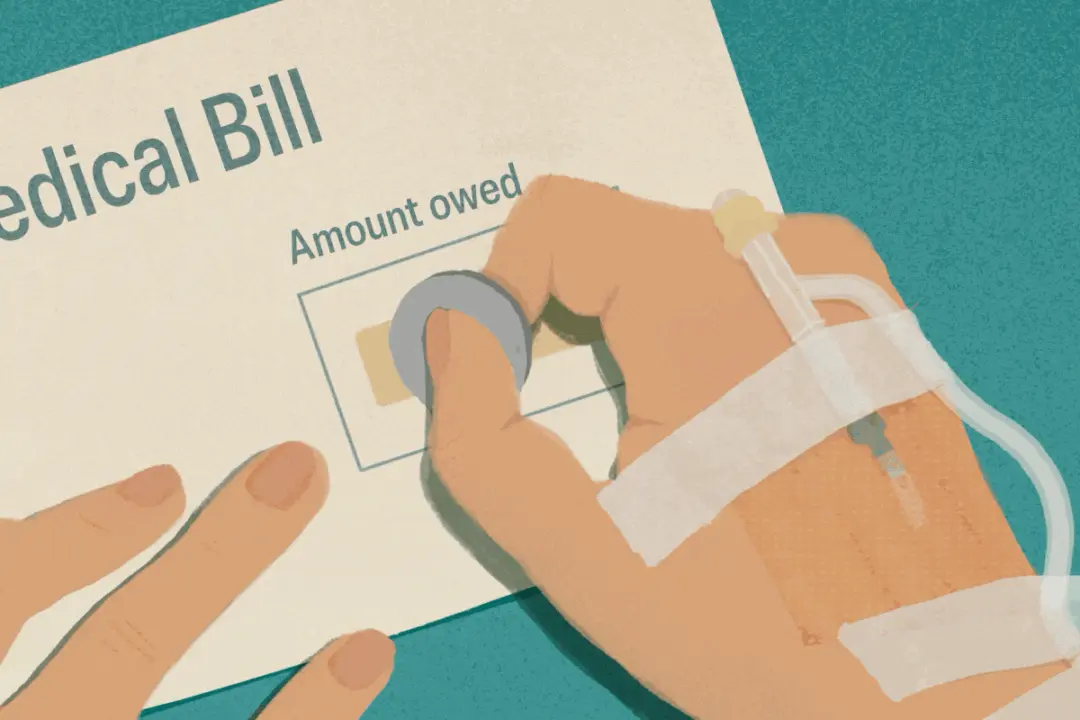
Blair Tindall, Grammy-nominated oboist and author of “Mozart in the Jungle,” once admitted that she couldn’t get through an audition without help. Her hands shook, her heart raced—until a fellow musician gave her a beta-blocker. Suddenly, she could play.
Meanwhile, the practice of prescribing them for anxiety and performance anxiety is growing, despite thin data to support their efficacy and some serious side effects.
Where They Save Lives
Beta-blockers are lifesaving for certain patients. They arrived in the 1960s and quickly became a reflex prescription after heart attacks and for high blood pressure. By blocking adrenaline, they slow the heart rate and reduce its oxygen demand.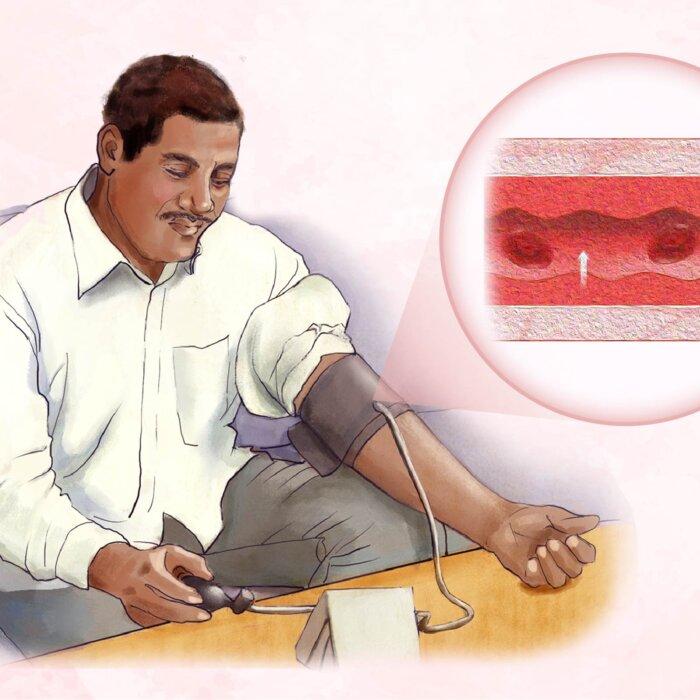

For some patients, trust in the drugs is well-placed. In those with weakened hearts, a condition doctors call heart failure with reduced ejection fraction, the drugs are essential.
Beyond the Heart
What began as routine cardiac care has quietly morphed into something else entirely. Beta-blockers have become a catch-all pill for anxiety, stage fright, jitters, and even headaches.Propranolol was the first widely used beta-blocker, popular among musicians, actors, athletes, and students hoping to steady their hands or calm a racing pulse. It blunts the body’s adrenaline surge, although it does little for the anxious thoughts behind it.
Not all clinicians agree with its off-label use.
Where the Evidence Weakens
Two large trials—REDUCE-AMI, with 5,020 patients, and REBOOT, with 8,505—found no benefit in keeping heart attack survivors with normal heart function on long-term beta-blockers. For high blood pressure, studies have shown that beta-blockers prevent fewer strokes than newer treatments. Even for atrial fibrillation, for which they remain first-line therapy, newer research suggests that alternatives such as digoxin or calcium channel blockers may be safer.Part of the problem may be dosing.
“Beta-blockers can raise blood sugar and deplete certain nutrients, which may affect women differently,” Wolfson said. “We don’t dose them by sex or weight. A man at 180 pounds and a woman at 130 might walk out with the exact same prescription.”
The Costs Patients Don’t Hear About
The side effects patients rarely hear about are real and pervasive. Fatigue, dizziness, and weight gain are common. Many patients report feeling slowed, as if their energy never fully returns. By blocking adrenaline, the drugs mute the body’s natural response to exercise, which comes at a cost for athletes and older adults trying to stay active.“They can induce things like erectile dysfunction, fatigue, and exercise intolerance—all the things people don’t want,” Dr. Andrew Freeman, director of cardiovascular prevention at National Jewish Health, told The Epoch Times.
On Sept. 11, a search of the database showed nearly 63,000 reports tied to metoprolol, including about 48,000 serious cases and more than 9,400 deaths. Propranolol, the beta-blocker often used for migraines and stage fright, was linked to another 30,000 reports, more than half involving women. Off-label use was the most common entry.
The FDA cautions that such reports do not prove cause and effect. Still, the numbers illustrate that routine medications carry risks.
“The side effects are real,” Wolfson said. “And patients don’t always hear about them.”
Why Doctors Keep Prescribing
Once a drug becomes routine, it rarely fades, sustained by medical inertia, outdated training, and habit.“Physician behavior takes a very long time to change,” Freeman said. “Even when guidelines shift, practice variation is huge. Doctors fall back on how they were trained, and it can take years for new evidence to reach everyday care.”
Cheap generics reinforce the inertia. With no drug company promoting new studies or education campaigns and with patients resistant to dropping a pill they have taken for years, prescriptions persist on autopilot.
What Patients Should Do
Freeman cautioned against stopping medications on your own but urged patients to schedule a yearly “medication reconciliation,” a review of what they still need. His favorite clinic days, he said, are those on which patients who have embraced lifestyle changes call to say their blood pressure has dropped too low for pills.“They lose 20, 30, 50 pounds and ask, ‘Doc, can I get off some of these?’“ he said. ”The answer is, ‘yes.’”
Most doctors aren’t accustomed to deprescribing, so you have to ask, according to Freeman.
“If you don’t have atrial fibrillation, don’t have heart failure, and your blood pressure isn’t wildly out of control, and you’re on a beta-blocker, it’s worth asking, ‘Do I still need this?’” he said.
The alternatives aren’t always pills. Guidelines emphasize diet, exercise, stress management, and sleep, changes that often prove more effective than medications.
“Lifestyle is truly the most effective blood pressure pill,” Freeman said.
Beta-blockers tell a familiar story in U.S. medicine. Drugs that once saved lives become reflexive, prescribed out of habit even as evidence shifts and risks mount. They endure not only because they can help but also because writing a prescription is faster than tackling the harder work of diet, exercise, stress, and sleep.
“The lesson overall is that everybody is an ‘N-of-1,’” Wolfson said. “On paper, a drug can look highly beneficial, but for the individual, it may be detrimental. First, do no harm.”