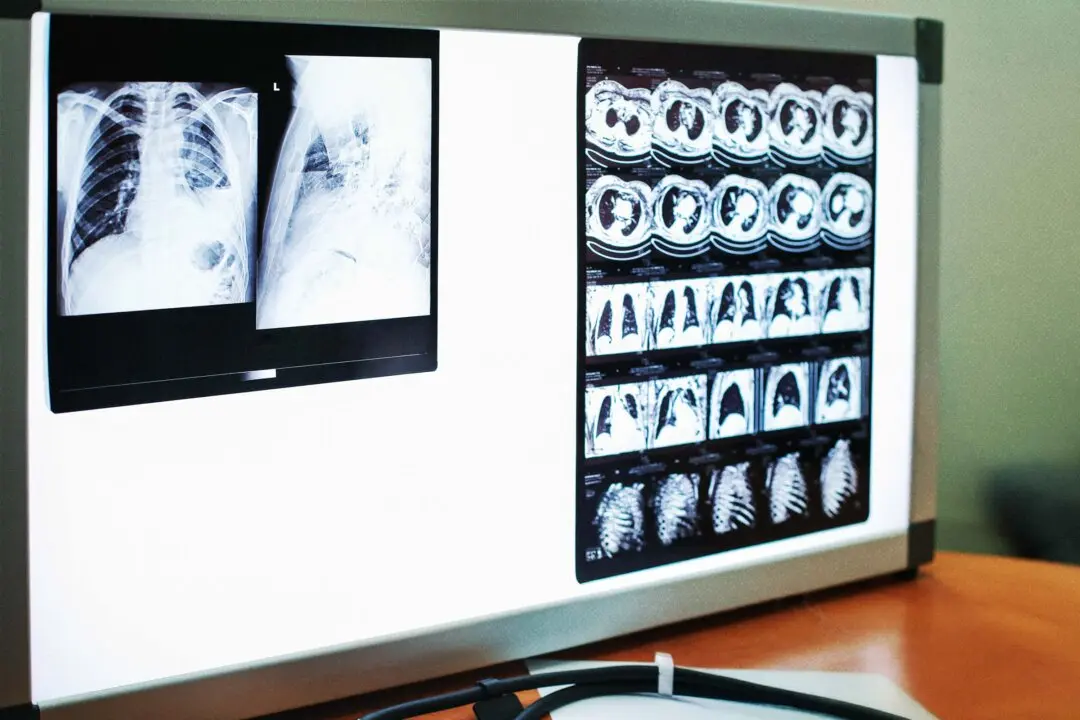
Could your breakfast bowl help protect your heart and lower your stroke risk? According to traditional Chinese medicine (TCM), the answer is yes—especially if it includes two time-tested ingredients: buckwheat and Chinese hawthorn. These are staples in Chinese pantries and aren’t just nourishing; they’re also powerful allies for improving blood circulation, lowering cholesterol, and maintaining vascular elasticity.
On NTDTV’s “Health 1+1,” Chang Wei-Chun—director of the Taichung Chi-Sheng Chinese Medicine Clinic and a fifth-generation TCM practitioner—said a simple porridge made with buckwheat, Chinese hawthorn (Crataegus pinnatifida), and two other key herbs can support cardiovascular health and help prevent stroke, especially when combined with TCM’s proactive approach to disease prevention.
A Simple TCM Remedy for Strengthening Blood Vessels
In TCM, maintaining vascular health and preventing stroke focuses on balancing the body’s energy and blood (“qi and blood”), improving circulation, and clearing out excess fat and stagnant blood (“blood stasis”) from the system.When your body doesn’t break down fats properly or your blood doesn’t flow well, it can lead to problems such as clogged vessels or poor circulation. In TCM, these issues are known as:
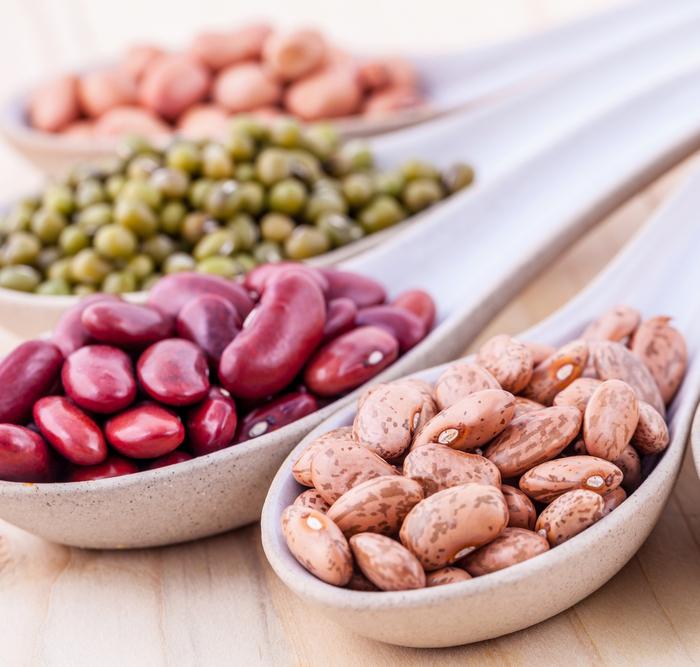

Both of these problems can increase the risk of stroke. An ideal food-based remedy for these risks is combining buckwheat and Chinese hawthorn.
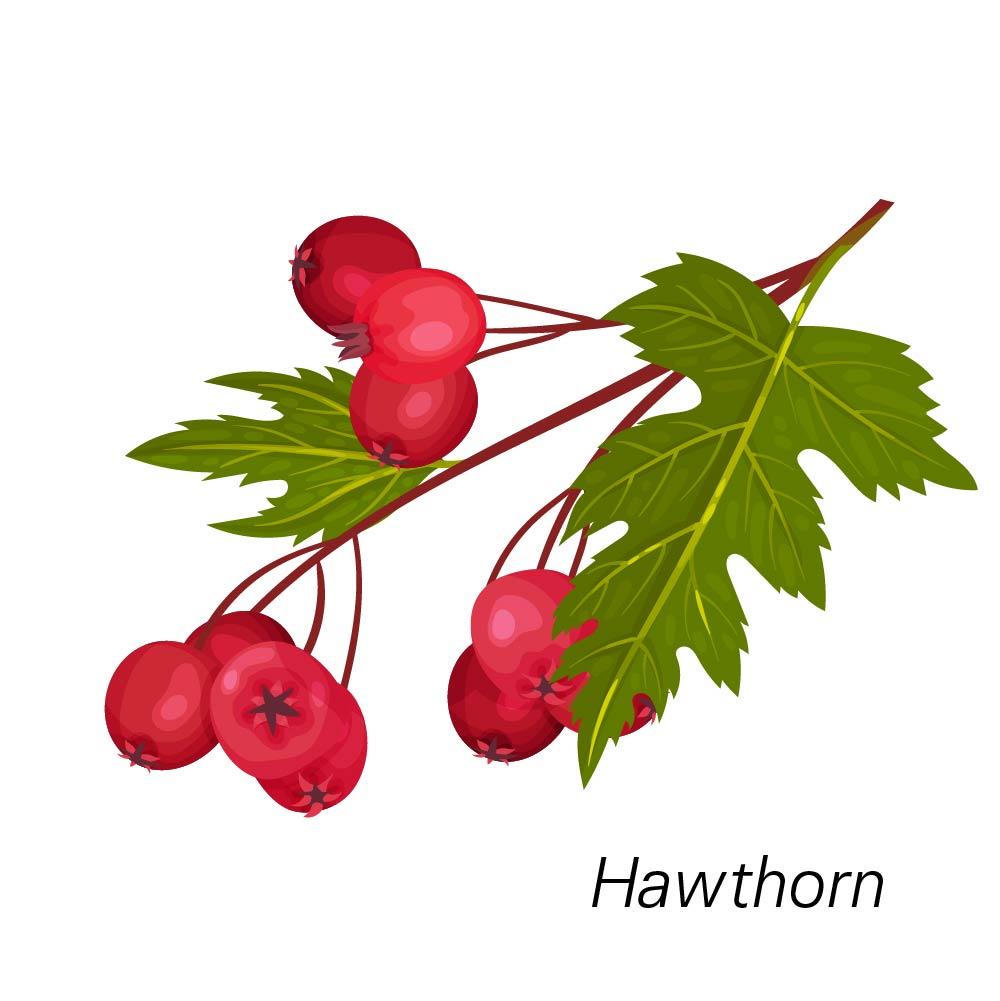
Hawthorn helps improve blood flow, breaks up stagnation, reduces unhealthy fats, and clears vessel blockages, making blood less sticky. Hawthorn is also abundant in flavonoids and other antioxidants that aid in regulating blood pressure, blood lipids, and blood sugar levels. It promotes vasodilation, reduces the risk of blood clots, and supports heart health.
Buckwheat and Hawthorn Porridge
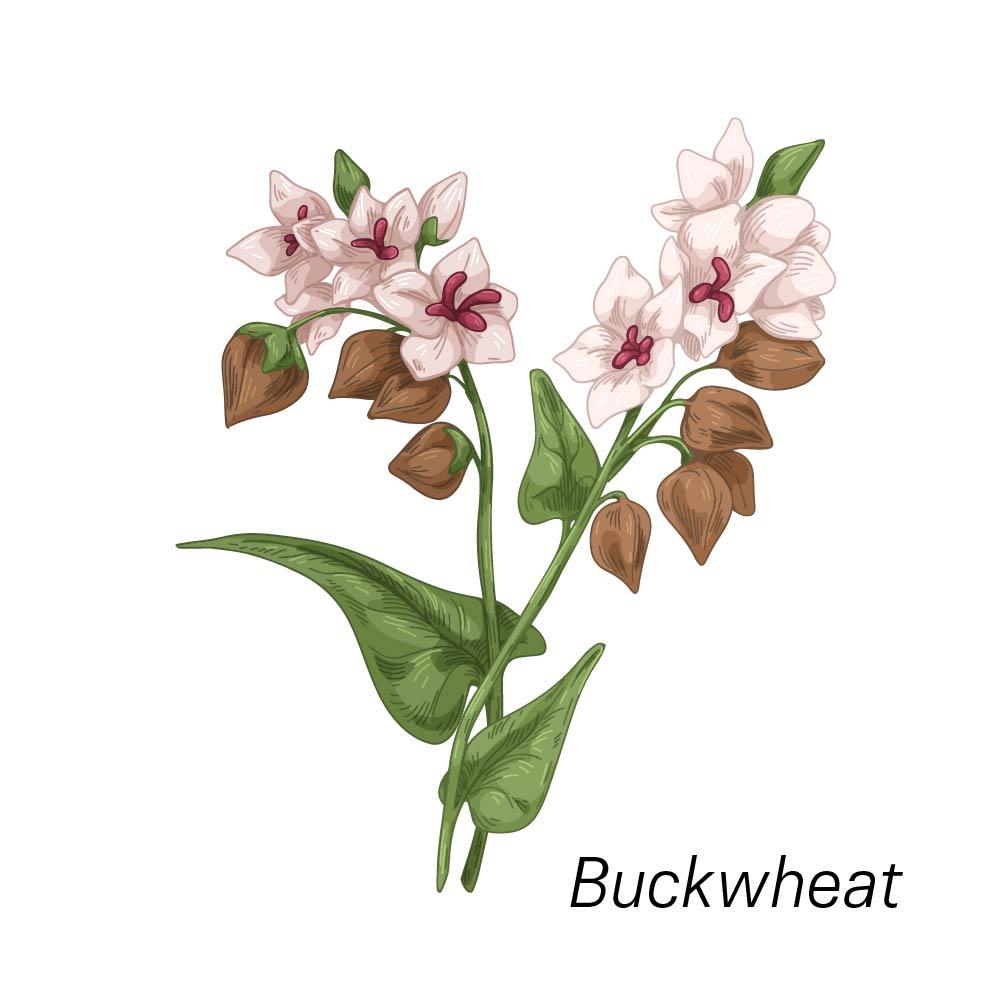
A humble bowl of porridge may do more than warm you up—it could help protect your heart and reduce your risk of stroke, especially when it’s made with the traditional pairing of buckwheat and hawthorn.0.65 ounce of buckwheat
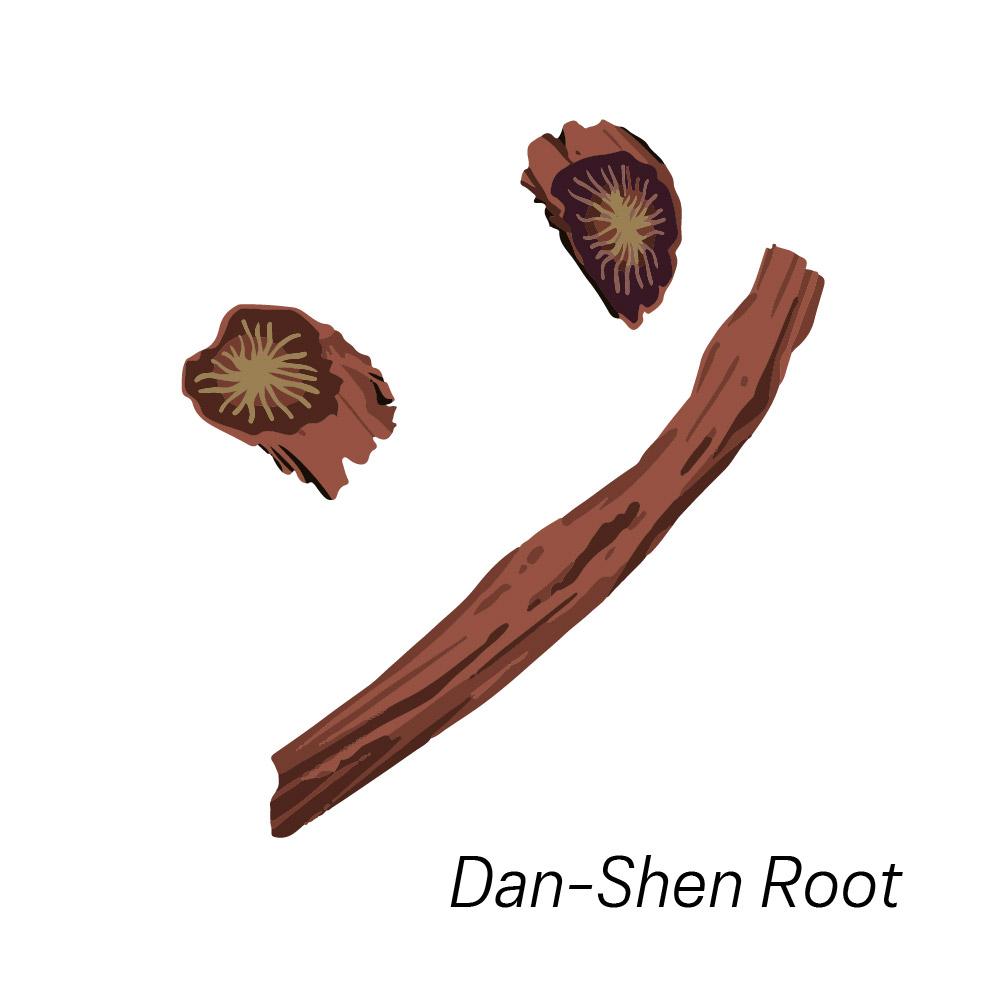
0.26 ounce of red sage (danshen)
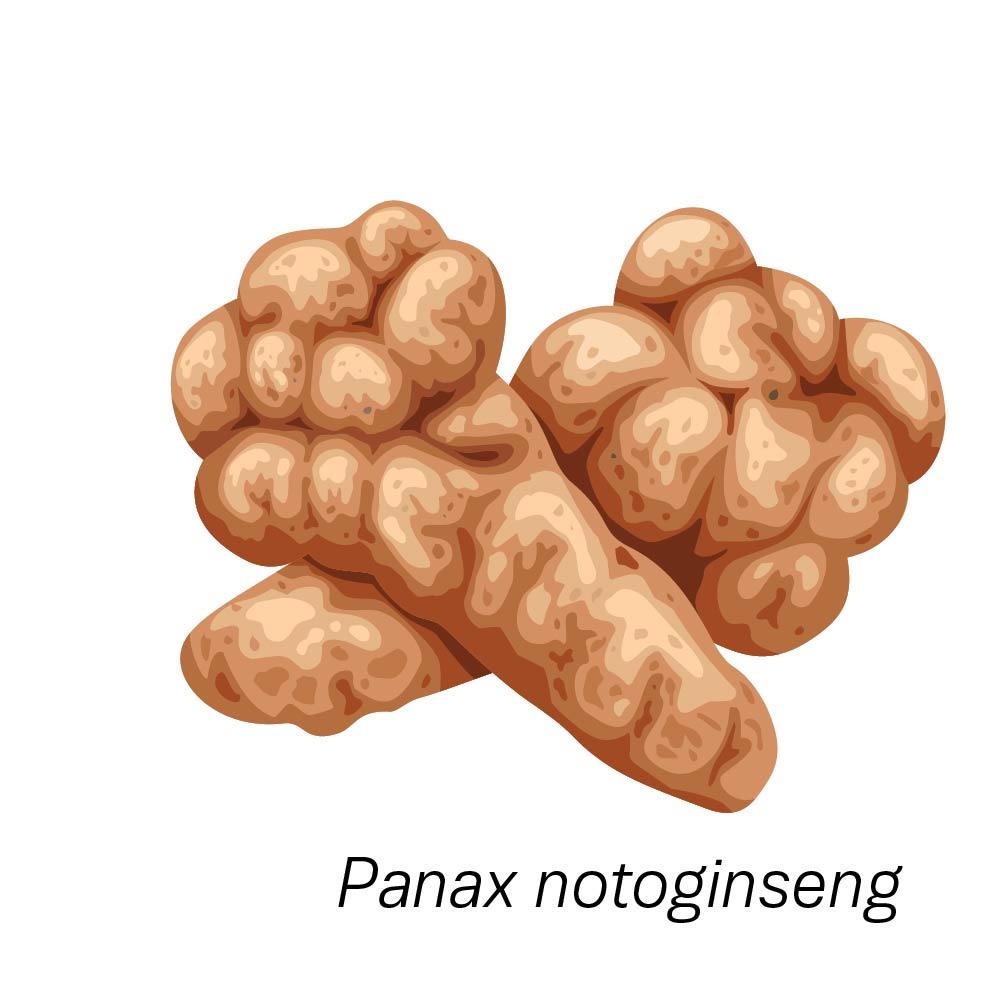
0.13 ounce of Chinese ginseng (sanqi)
0.26 ounce of dried Chinese hawthorn
24 ounces of water (for the herbal broth)
2 cups of water (for cooking the buckwheat)
- Rinse the red sage, Chinese ginseng, and hawthorn thoroughly and place in a pot.
- Add 24 ounces of water and bring to a boil over high heat.
- Reduce to low heat and simmer for about 20 minutes or until the liquid has reduced to roughly 80 percent.
- Strain the herbal broth and set it aside.
- Rinse the buckwheat and place it in a clean pot with 2 cups of water.
- Cook over medium heat for approximately 20 minutes, or until the grains are tender.
- Pour the reserved herbal broth into the cooked buckwheat and stir to combine.
- Serve warm and enjoy.
To make buckwheat tea, simply place buckwheat in a thermos, steep it in hot water for about 30 minutes, and drink as needed.
- Those with high blood lipids, high blood sugar, or high blood pressure.
- Those who frequently eat fried, fatty, or heavily seasoned foods and snacks.
- Those with slow digestion or trouble digesting food.
- Those with symptoms such as bloating, feeling full after meals, or particularly foul-smelling stools.
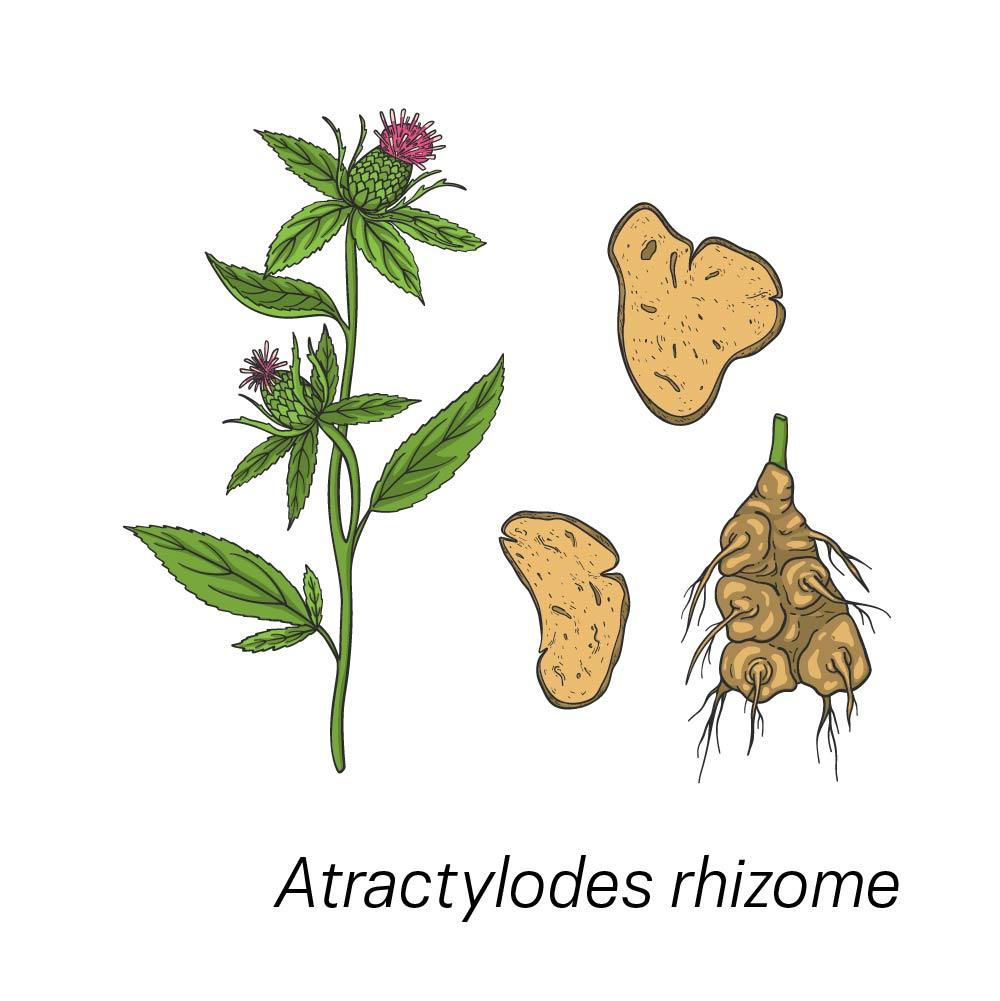
- People with a weak spleen and stomach or a cold constitution—meaning that they tend to feel cold easily, have poor circulation, or experience symptoms such as fatigue, bloating, or loose stools. These people may be more sensitive to high-fiber or cooling foods. Adding approximately 0.4 ounce of baizhu (Atractylodes rhizome) may support digestion, and small portions are recommended.
- People with excessive stomach acid or gastric ulcers, since the acidity of hawthorn can irritate the stomach lining and worsen symptoms. Buckwheat alone may be a gentler option.
- Pregnant women in early pregnancy, as large amounts of hawthorn may pose risks because of its blood-activating properties.
Understanding Stroke From the Lens of TCM
Strokes may seem sudden, but TCM views it as the result of deeper imbalances that develop over time—often with subtle warning signs the body tries to send.Low Blood Pressure Doesn’t Mean Low Risk
Western medicine often focuses on high blood pressure as a primary stroke risk. However, low or even normal blood pressure doesn’t guarantee immunity, according to Chang.He noted that some people with low blood pressure—especially those who follow very light or vegetarian diets—can still suffer strokes. Many of these cases are caused by blood vessels’ becoming hardened and fragile from a lack of nourishment and moisture.
Stress: A Silent Stroke Trigger
Chronic stress is another major, often-overlooked contributor to stroke. High stress levels can cause an overproduction of free radicals, damage blood vessel linings, and increase blood clot formation.- Those experiencing long-term family stress had nearly twice the stroke risk.
- Those experiencing chronic work stress had 2.7 times the stroke risk.
- Those experiencing major life events, such as divorce or the death of a loved one, had a 31 percent higher stroke risk.
Stroke Warning Signs to Watch For
Even minor symptoms may signal a “mini-stroke,” or transient ischemic attack—a critical warning of a potential full-blown stroke. Chang advised staying alert to the following signs:- Tightness or stiffness in the neck or shoulders, especially a heavy, pressure-like sensation
- Numbness or tingling in fingers or lips
- Difficulty swallowing or choking on water
- Sudden forgetfulness or slurred speech
- One-sided facial dropping
- Blurred vision, dizziness, or loss of coordination
- Headaches at the back of the head, especially if accompanied by nausea