Are you constantly rushing to the bathroom—especially at night? You’re not alone. As people age, many men experience prostate enlargement, while women may experience frequent urination due to various health factors.
Traditional Chinese medicine (TCM) offers gentle and effective therapies—including acupuncture, acupressure, dietary remedies, and targeted exercises—to help regulate urination and restore balance.
Acupuncture: Targeting the Root Cause
Japan-based TCM practitioner Ritsugaku Ken shared a case study in an interview with The Epoch Times. A 75-year-old male patient experienced long-term prostate enlargement, with symptoms including frequent urination and prolonged urination time. After limited improvement with Western medical treatment, he sought TCM.Tailored to the patient’s overall constitution, a weekly acupuncture treatment plan, incorporating needling and moxibustion—a gentle heat therapy using dried mugwort—was developed. After four sessions, the patient’s nighttime urination frequency decreased from four to five times to one to two times, with both daytime urination frequency and duration also significantly reduced. Following six months of combined acupuncture and Chinese herbal medicine, the symptoms were largely resolved.
Acupressure: Simple Self-Care at Home
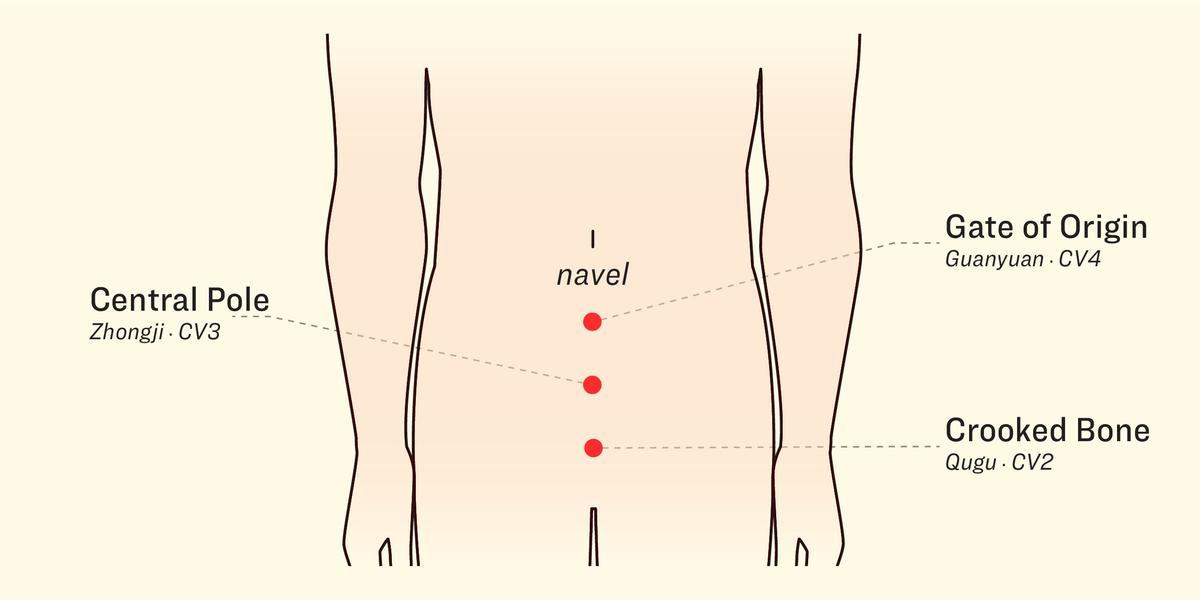
In addition to professional acupuncture, self-massaging acupoints can help prevent and alleviate prostate issues. Ken recommends massaging the following acupoints 30 to 40 times clockwise and counterclockwise each.- Guanyuan Point (Gate of Origin): Located on the midline of the lower abdomen, four inches (approximately four finger-widths) below the navel.
- Zhongji Point (Central Pole): Located on the midline of the lower abdomen, about 1.3 inches (approximately the width of the thumb’s knuckle) below the Guanyuan point.
- Qugu Point (Crooked Bone): Located on the midline of the lower abdomen, about 1.3 inches below the Central Pole point, in the depression above the pubic bone (a hard, bony structure).
Pelvic Floor Muscle Exercises
To prevent and alleviate the symptoms of frequent urination, regularly strengthening pelvic floor muscles is essential. This practice supports healthy bladder function while toning the lower abdomen and lifting the buttocks.

Naiwen Hu, a traditional Chinese medicine doctor in Taiwan, shared with The Epoch Times the following exercise method to strengthen pelvic floor muscle:
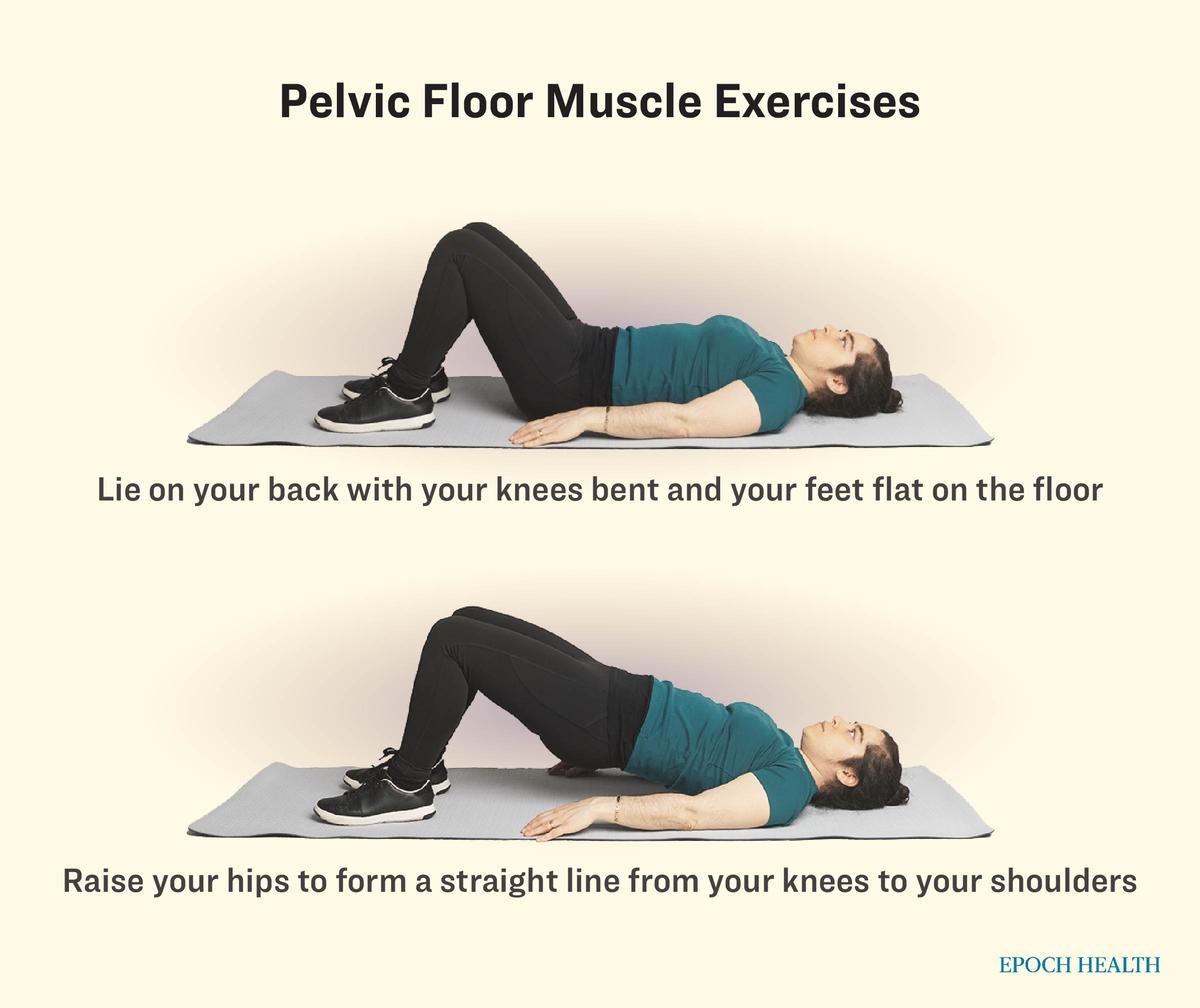
- Lie flat on your back with your knees bent, back touching the ground, and arms resting at your sides.
- Slowly lift your hips while simultaneously contracting the pelvic and gluteal muscles. Hold for about 10 seconds, then lower your hips and relax.
- Repeat this movement five to 10 times, and make it a habit to perform the exercise every night before bed.
Pumpkin Power: Nutrition for the Prostate
TCM views food as medicine, with certain ingredients serving as therapeutic agents. Hu notes that pumpkin and pumpkin seeds offer protective benefits for the prostate. Studies have shown that extracts from pumpkin seeds and soybean germ can effectively improve urinary urgency, incontinence, nocturia, and overactive bladder syndrome.Pumpkin Soy Milk
Pumpkin soy milk is an easy-to-prepare daily drink that supports prostate wellness.Nervous System Disorders Lead to Frequent Urination
Emotional stress can contribute to frequent urination. Ken treated a 30-year-old female patient with panic disorder and frequent urination symptoms. Her symptoms included fear of driving alone, discomfort in crowded spaces, avoidance of public transportation like trains or planes, and pronounced urinary frequency.Personalize Your Path to Wellness
Hu noted that if frequent urination lacks a clear medical cause, it may be rooted in excessive stress or anxiety. He suggests practicing relaxation techniques, lightening work and life burdens, ensuring ample rest, or taking a brief vacation to alleviate stress and anxiety. Once stress is reduced, urinary frequency often improves.Ken noted that frequent urination may indicate various underlying conditions. For optimal TCM outcomes, a qualified practitioner should thoroughly assess the patient’s constitution to craft a personalized, effective treatment plan.