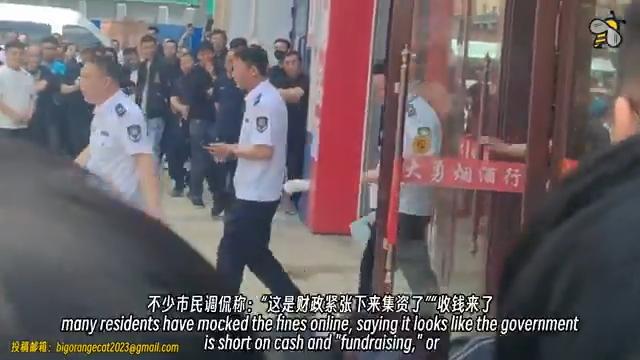
Shop owners described unpredictable standards, unaffordable fines, and warnings that sent entire commercial streets rushing to close.
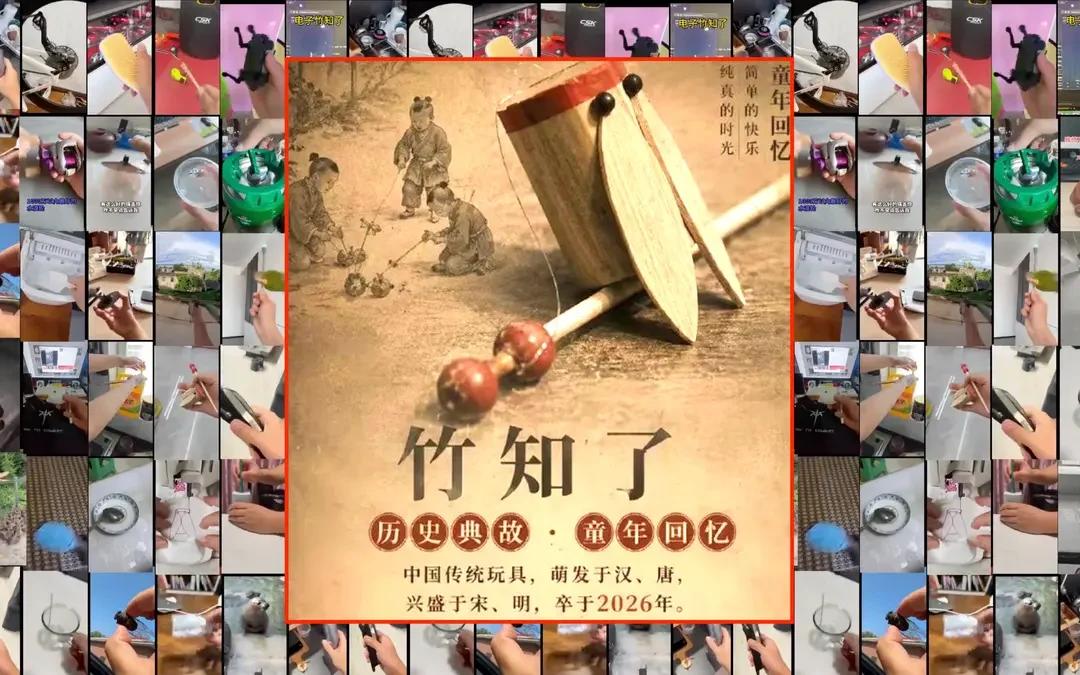
A viral joke over a toy’s ‘wa-wa’ sound has evolved into a broader outlet for public frustration with Huawei and China’s tightly controlled online environment.
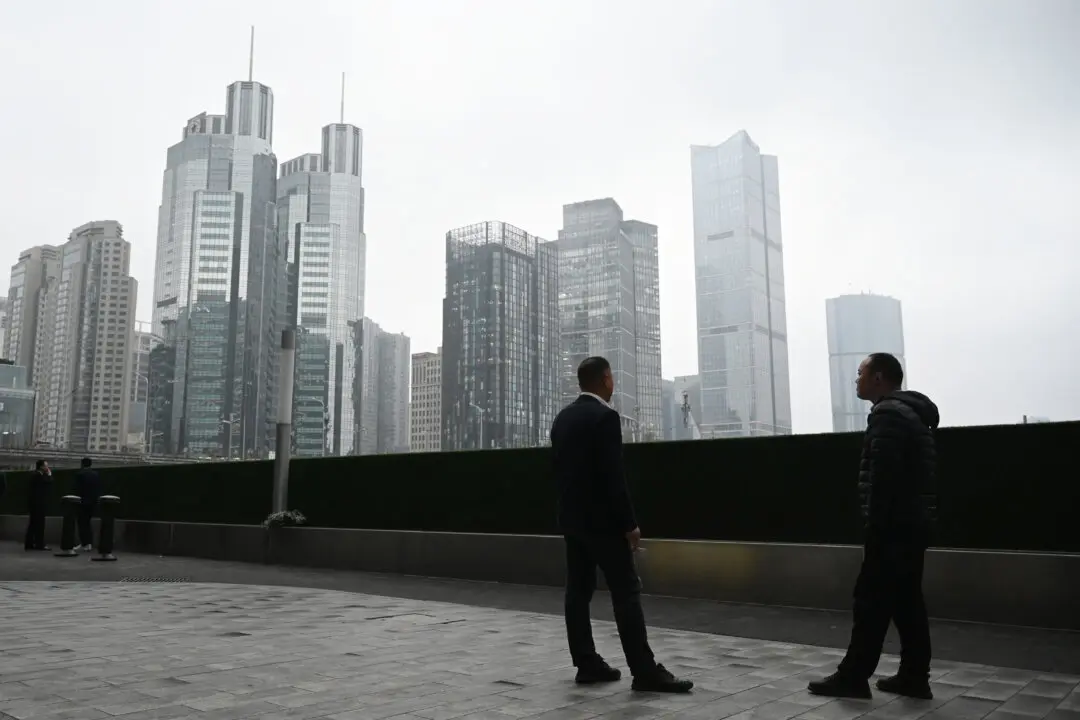
The Chinese regime’s sweeping tax on overseas wealth will further the loss of its growth momentum and innovative capacity, experts said.
Business owners in Zhejiang and Jiangsu report falling orders, delayed payments, price wars, and increased tax inspections.

The new ban also aims to hide the backwardness of Chinese weaponry, according to Chinese military scholars and a collector.

Seven lawmakers gave Apple until Aug. 21 to disclose any testing involving the two companies and answer whether it will exclude their chips worldwide.
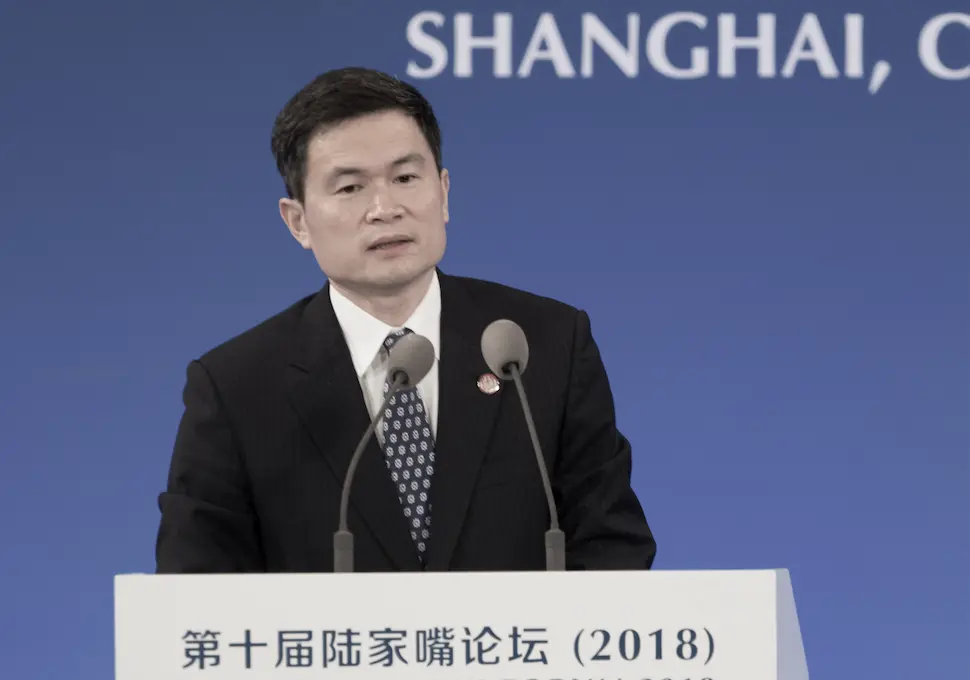
The former securities regulator’s downfall reflects Xi Jinping’s drive to tighten control over China’s financial sector and dismantle rival networks.
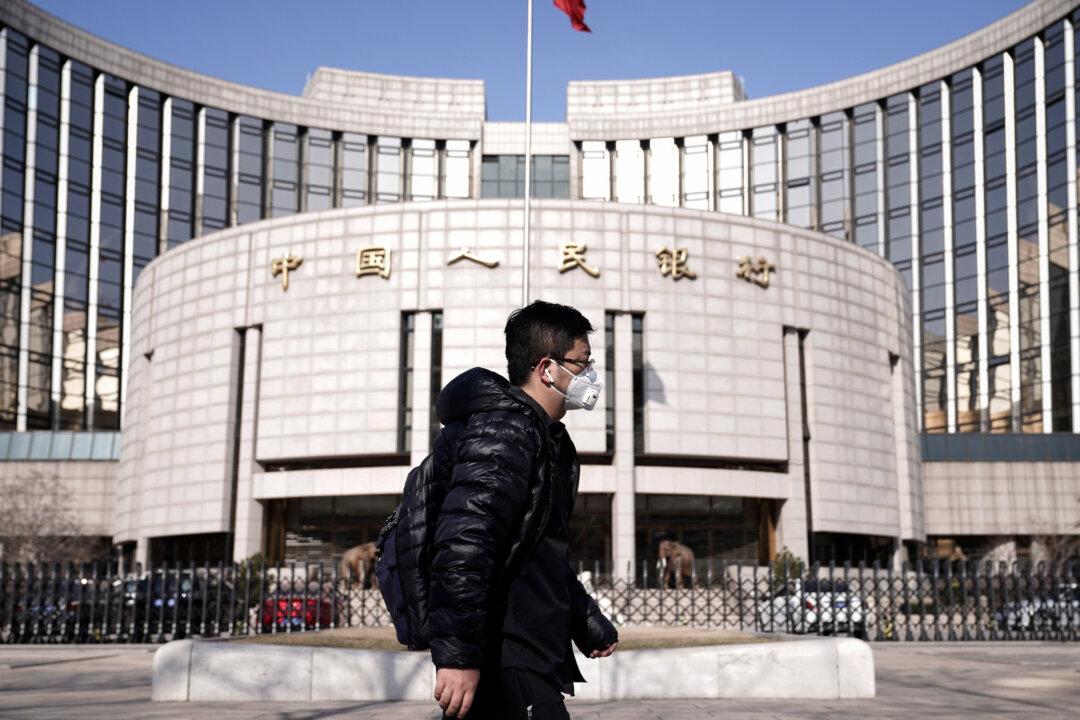
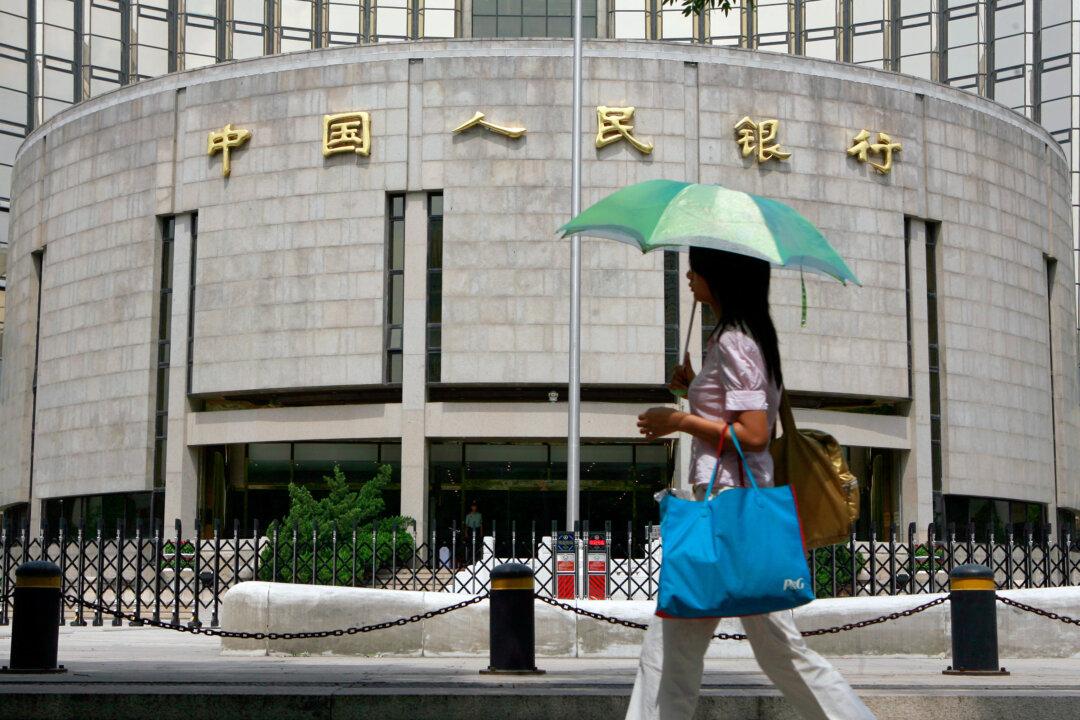
Despite weakening credit demand, Beijing continues to pressure state-owned banks to increase lending.
Liang Wenfeng described intense demand for Nvidia processors, the limits of Huawei substitutes, and access to chips he called ‘noncompliant.’

New rules tax offshore trusts at multiple stages and require some holders to disclose previously unpaid taxes within 90 days.
Analysts say the probe reflects Xi Jinping’s growing emphasis on political loyalty over market expertise as Beijing reshapes its economic leadership.
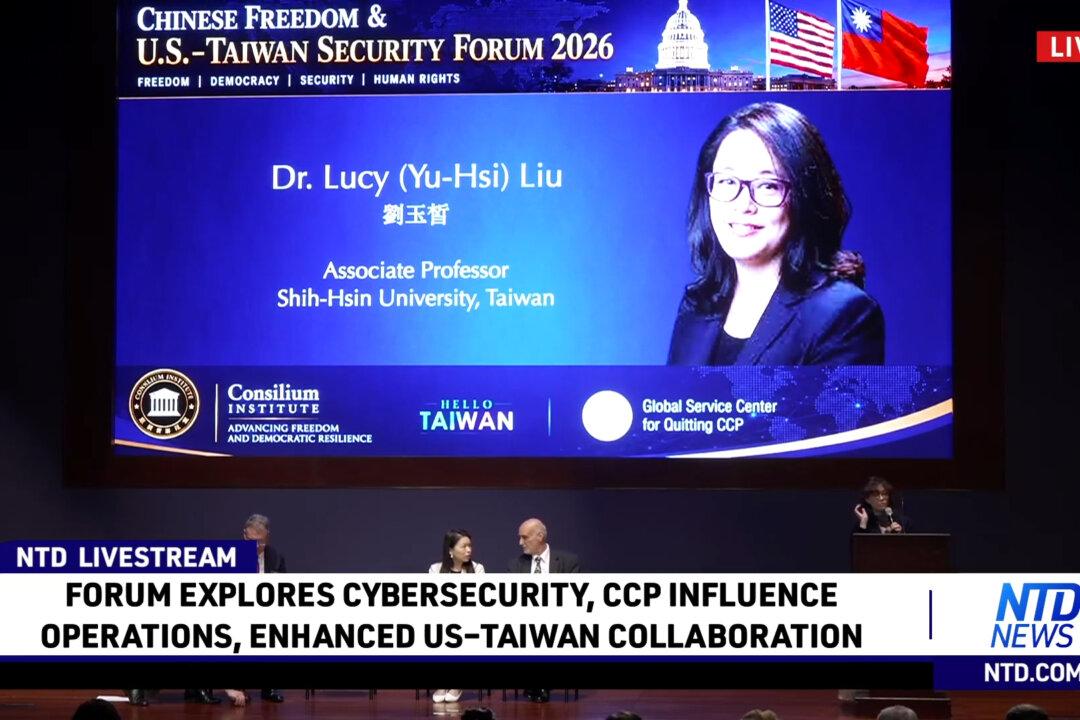
Beijing uses infiltration, subsidized trips, and digital influence campaigns to weaken Taiwan people’s trust in the U.S. and shape voting behavior: officials.
Xi associate becomes the latest senior financial official targeted in Beijing’s anti-corruption campaign.

Insiders say officials at state-owned financial firms are trying to recover their passports as Beijing scrutinizes their assets, income, and overseas holdings.
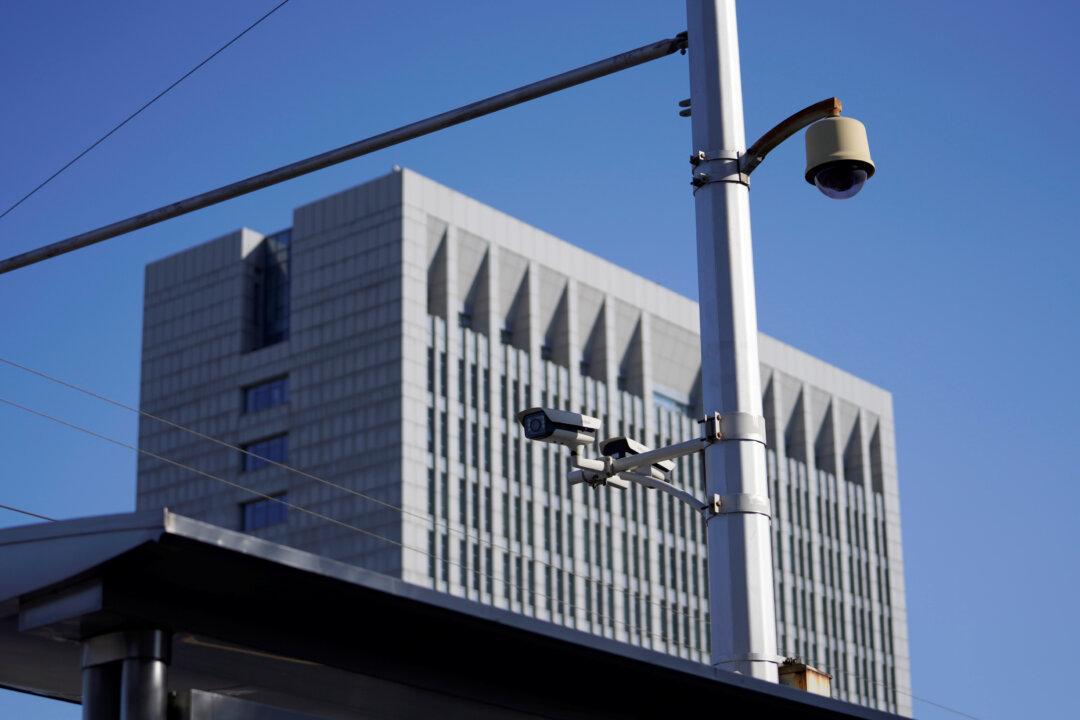
Analysts say Beijing is extending its anti-corruption drive into village organizations to tighten control over collectively owned land and assets.
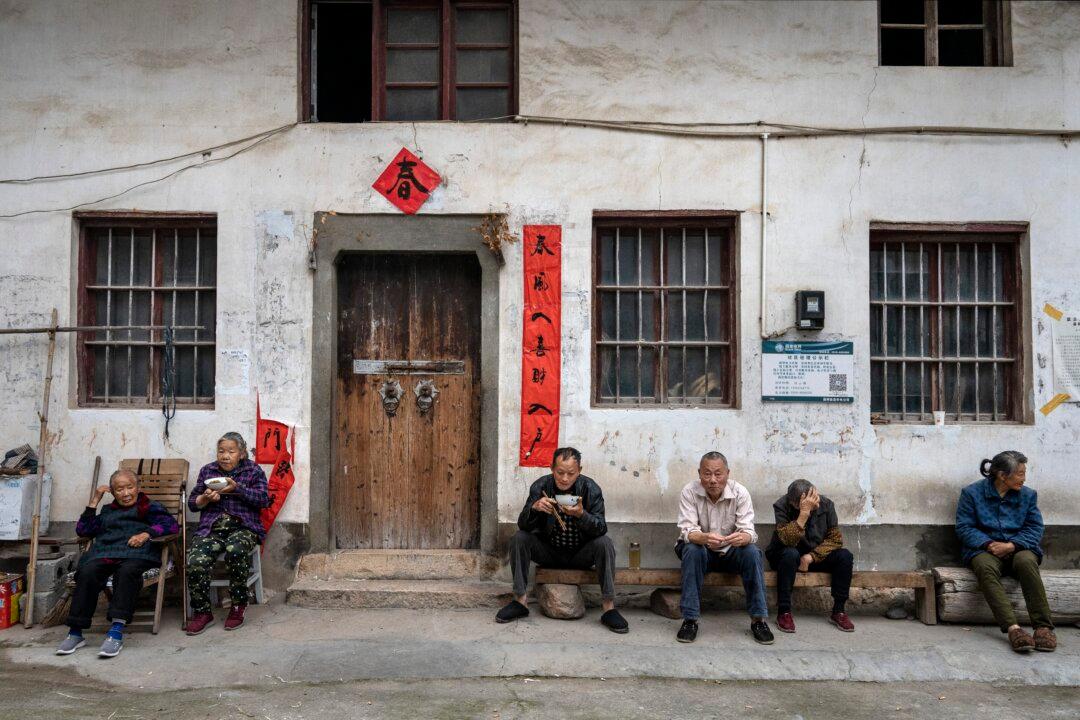
Simultaneous probes spanning the regime and state-owned firms come as insiders say Beijing is stepping up loyalty checks ahead of a key Party reshuffle.

Hundreds mourned economist Gao Shanwen, while deleted tributes and official criticism highlighted tensions over his views on China’s economy.
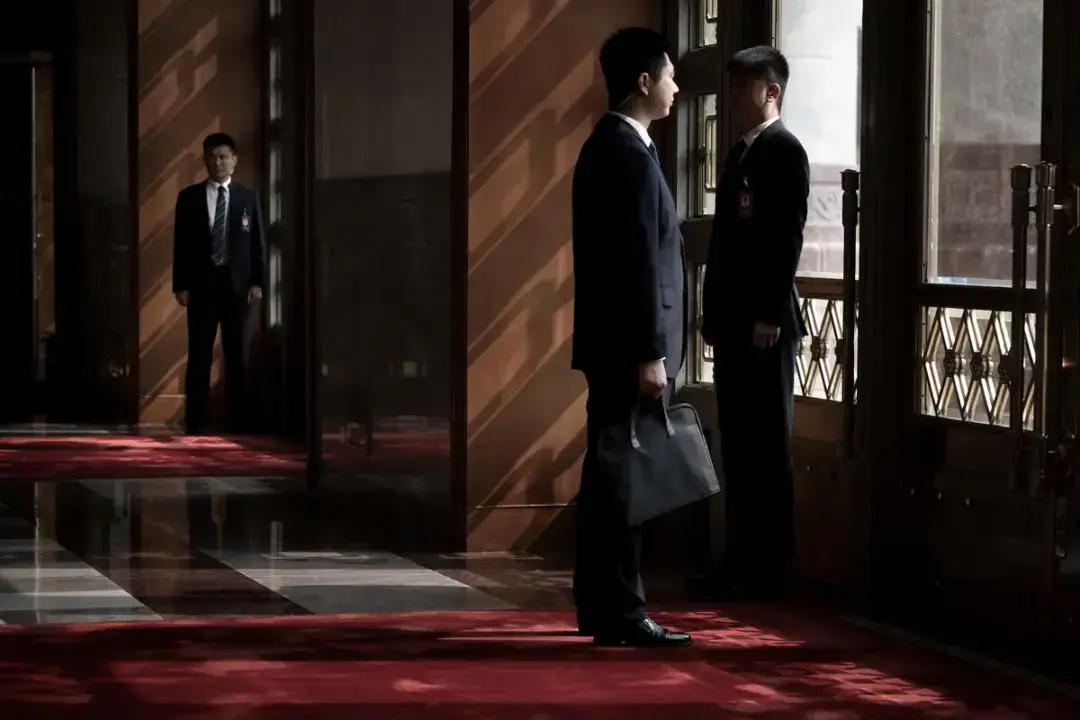
Analysts said the double-digit decline is a result of consumption downgrading, market shift, and Beijing’s industrial policies and subsidies.

Analysts say Beijing is seeking to secure domestic helium supplies, while the restrictions could tighten global markets, especially in Europe.
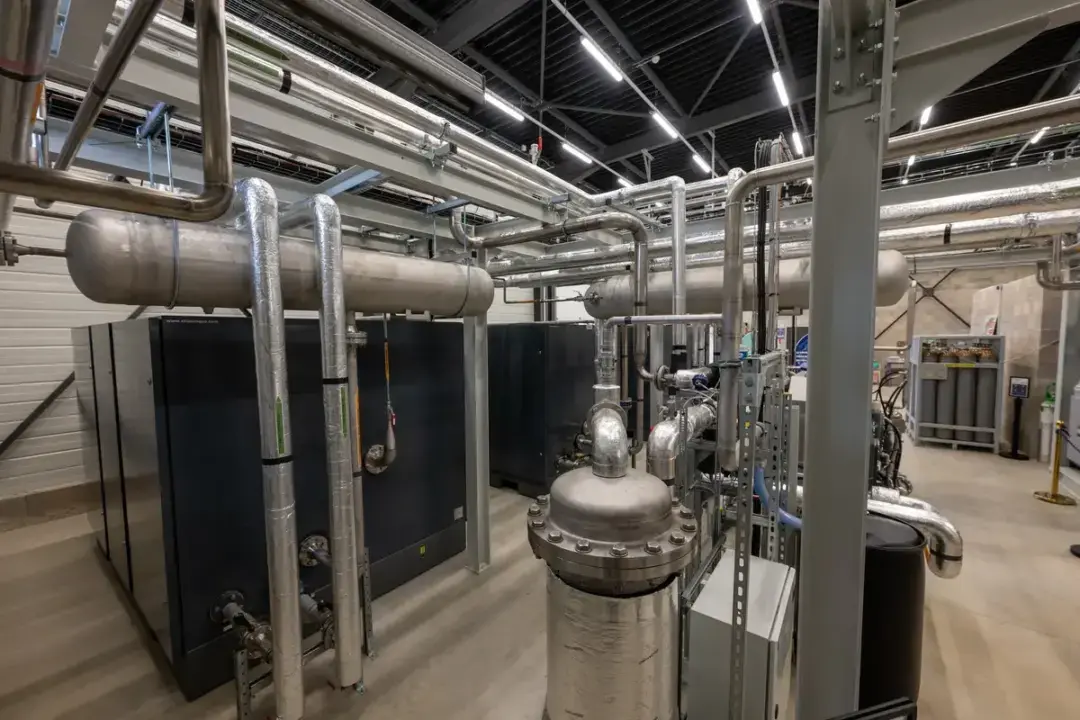
Authorities did not set a numeric target for new urban jobs created in the Chinese regime’s latest five-year plan.