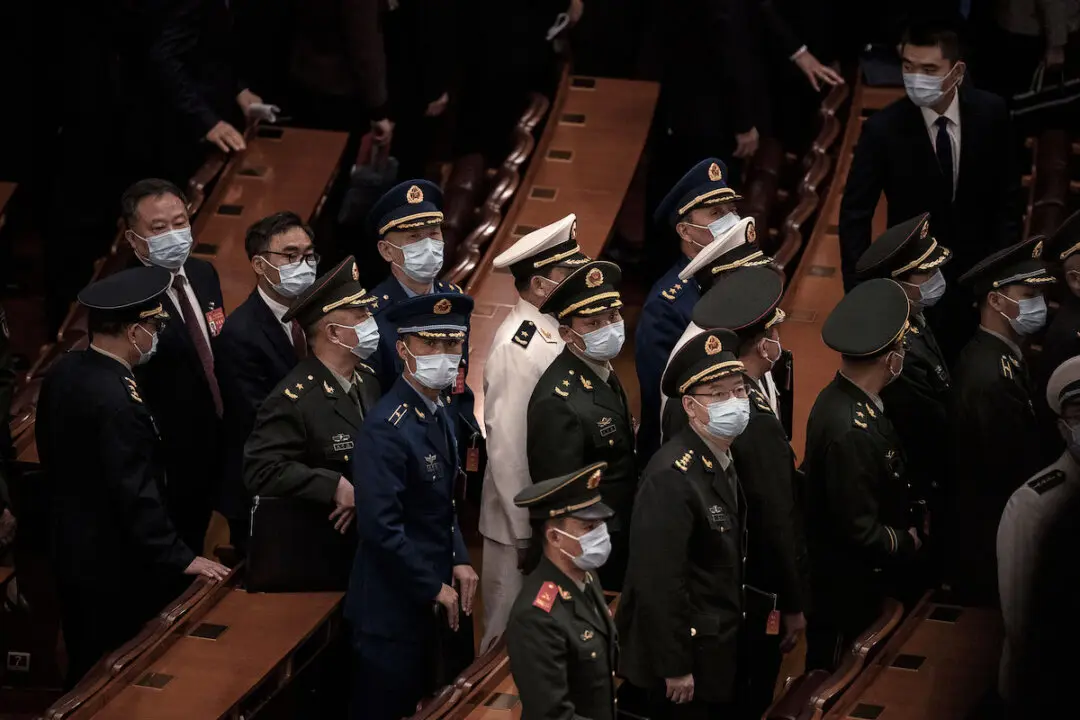
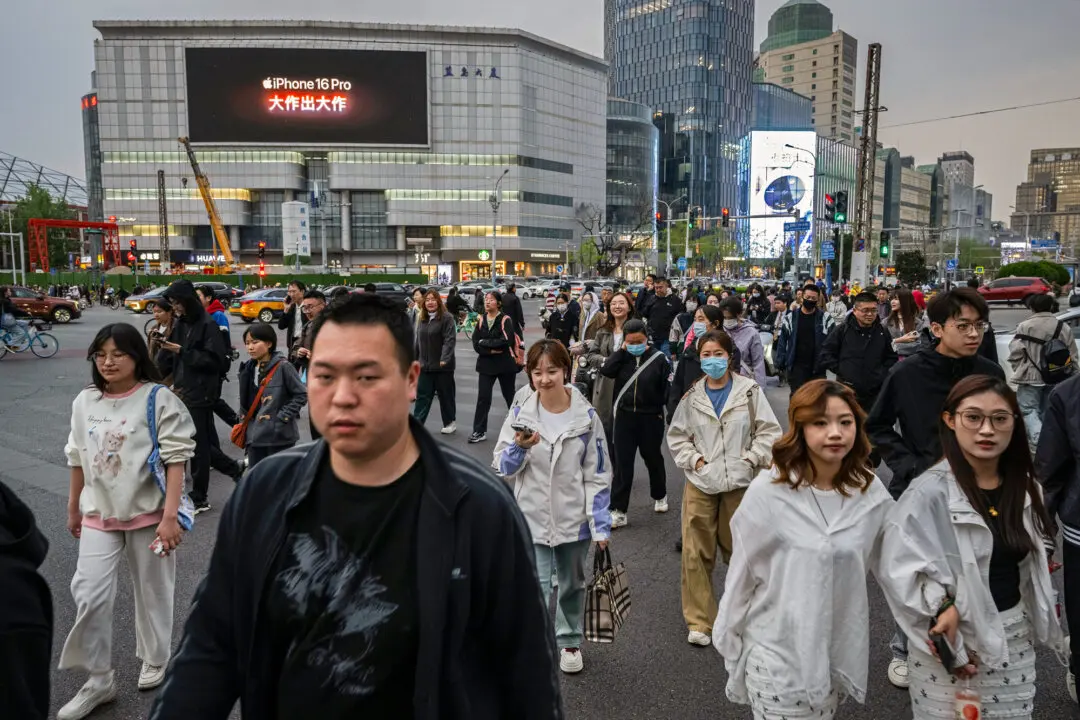
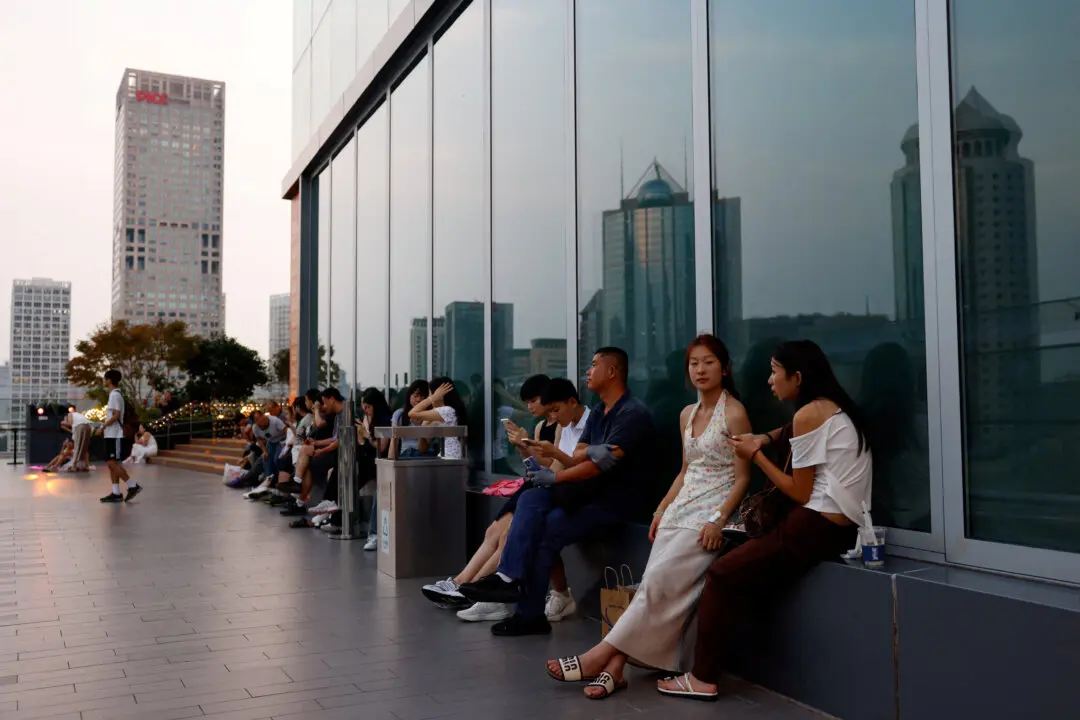
The Chinese communist regime has not set any numeric target for urban job creation in its latest five-year plan for the first time in at least three decades, amid persisting unemployment and a sluggish economy.
The Chinese regime’s Ministry of Human Resources and Social Security released its 15th Five-Year Plan on July 9, projecting that the number of new urban jobs created during the 2026–2030 period will remain at a “substantial scale” and stating that the surveyed urban unemployment rate will be kept at 5.5 percent or below.
However, it did not set any specified target figure for new urban jobs in the national medium-term economic plan. Annual targets will be set flexibly based on each year’s conditions, the ministry said.
This is the first time since the 1990s that the regime’s five-year plan has made this rare omission.
The previous five-year plan issued in 2021 set a target of creating more than 55 million new urban jobs between 2021 and 2025, while aiming to keep the surveyed urban unemployment rate at or below 5.5 percent.
In the 13th Five-Year Plan, officials set targets to create more than 50 million new urban jobs between 2016 and 2020 and to keep the registered urban unemployment rate nationwide at or below 5 percent.


In the latest Five-Year Plan, the ministry of human resources and social security mentioned artificial intelligence’s role as a new technology in employment.
U.S.-based current affairs commentator Li Linyi told The Epoch Times that although the impact of AI on employment is certainly a factor—as is the case worldwide—the most significant influence is the prolonged slump in China’s economy, with actual unemployment rates far exceeding official figures.
“The fact that this five-year plan sets no specific numerical targets for new urban jobs clearly reflects the authorities’ awareness of a grim reality and poor employment outlook,” he said. “This mirrors the official decision to lower the economic growth target for the year.”
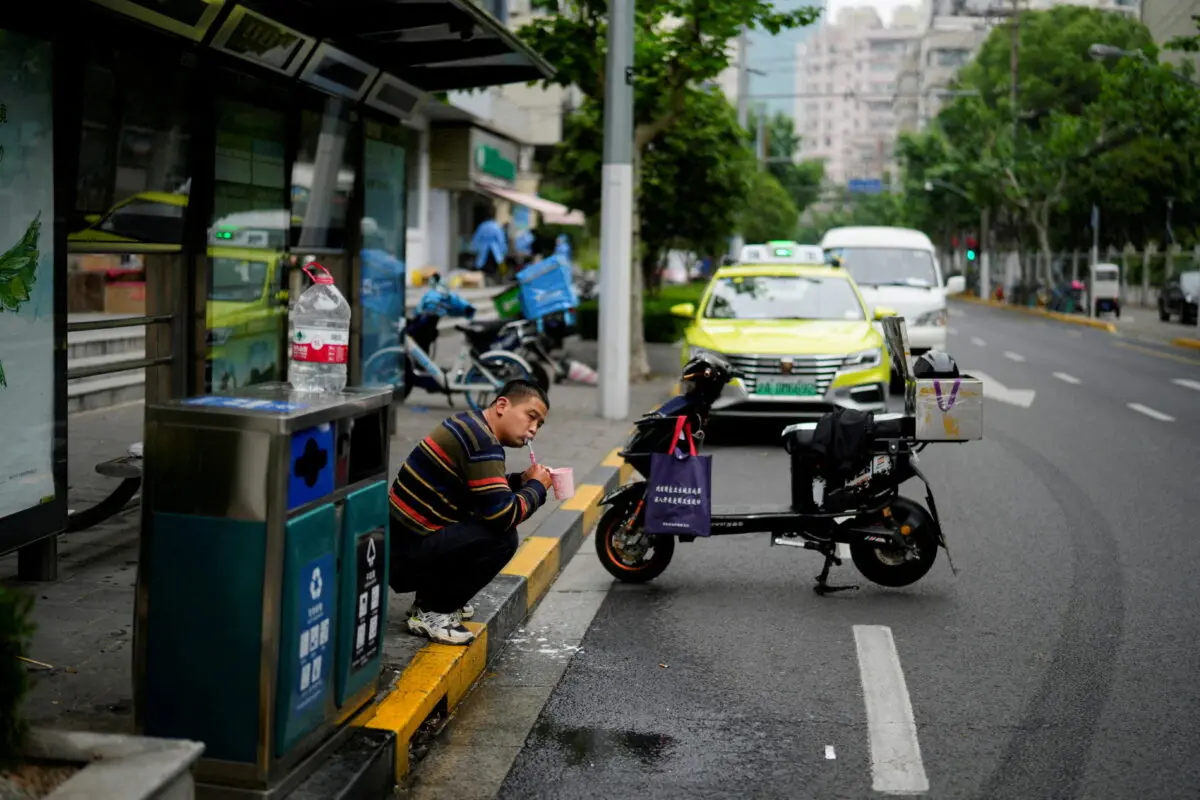
The term “flexible employment” is a term crafted by the Chinese regime amid severe and lasting unemployment issues. It primarily refers to people at the bottom of the social hierarchy who lack fixed or stable jobs.
Based on China’s official number for the current employed population, which is approximately 725 million, more than 40 percent of the workforce lacks stable employment.