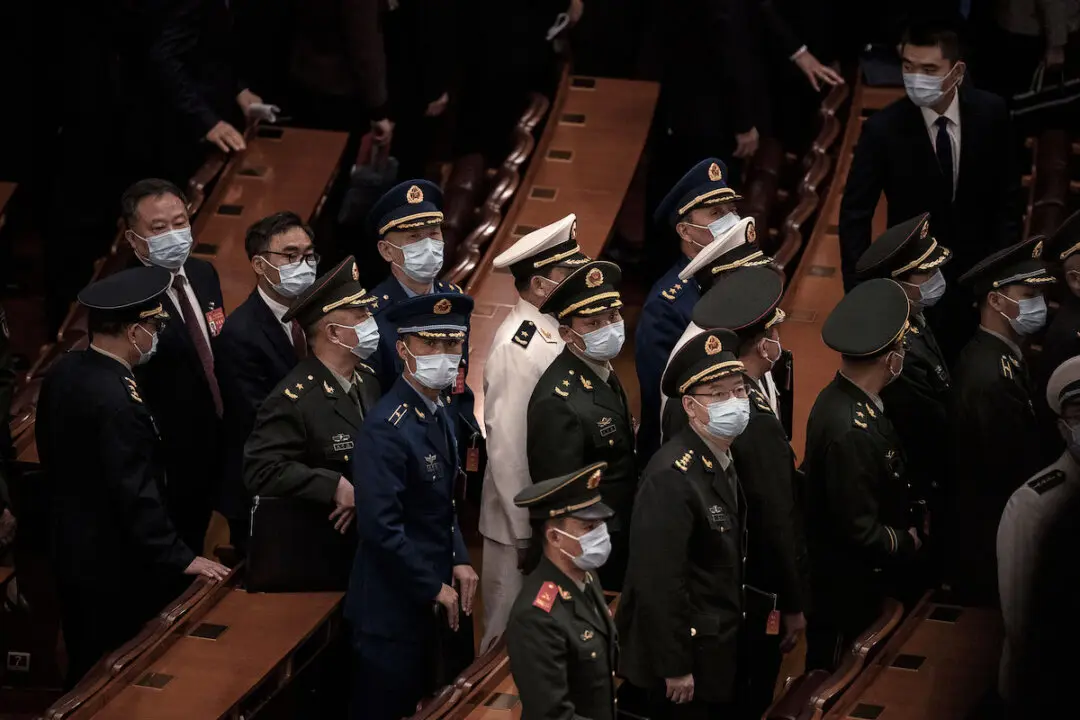
The Chinese regime’s military and public security authorities have jointly issued an order banning the sale, assembly, and marketing of retired military equipment, citing “security risks to military secrets.”
The Notice on Prohibiting Sales Activities Involving Retired or Scrapped Military Equipment was issued on July 28 by the Chinese regime’s six central governmental departments, including the top defense command and decision-making body of the Chinese military–Central Military Commission’s Logistics Support Department, Equipment Development Department, and Political and Legal Affairs Commission, along with the Ministry of Public Security, the State Administration for Market Regulation, and the State Administration of Science, Technology and Industry for National Defense.
The notice acknowledges that, in recent years, some vendors have openly sold—both online and offline—retired or scrapped military equipment containing sensitive information, resulting in “adverse effects” and creating “security risks.” It also said one of the purposes of the ban is “to uphold the positive image of the people’s military.”
The notice stipulates that no entity or individual may sell retired or scrapped military equipment. Such equipment—as defined by the military—encompasses various types of hardware, ammunition, devices, related components, and materials that have been officially retired from service and designated for disposal as scrap.
The notice also prohibits any unit or individual from using dismantled parts of decommissioned equipment to produce, modify, and re-assemble them, and then sell them as imitations of military equipment that the public might believe was real. Commercial marketing and promotion of decommissioned and scrapped equipment and related imitations are also prohibited.
The official notice did not disclose the types, quantities, or sources of decommissioned equipment currently on the market, nor did it state whether any military information had been leaked.

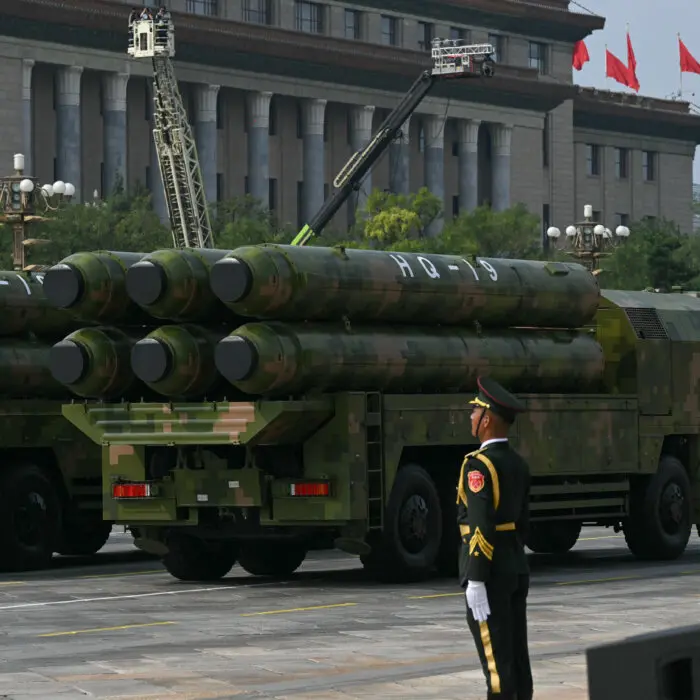
Li Yuansong, a Chinese military equipment and memorabilia collector, told The Epoch Times that Chinese military-issued gear has long been collected by enthusiasts.
“Much of the Chinese weaponry is derived from technology dating back to the former Soviet era [1922-91]. While a small number of firearms produced after the ‘Reform and Opening-up’ incorporated Western technology, the majority remain updated versions of Soviet-based hardware,” he said. “The craftsmanship is crude and hardly advanced. If Western weapons experts were to dismantle and analyze them, they would likely laugh about them.
“The real fear isn’t so much about leaking secrets, but rather that foreigners might discover just how backward China’s conventional weaponry actually is,” Li said of the new ban.
Li Xiangyang, a Chinese military scholar who used a pseudonym out of fear of reprisal, told The Epoch Times that in recent years, individuals have been reselling military equipment online.
“Some components bear serial numbers, model designations, and signs of use. In the eyes of the authorities, these could reveal information regarding production batches, maintenance standards, and quality,” Li said.
“Regulations dictate that many decommissioned items must be destroyed, with metal materials collected and melted down. This notice is primarily aimed at enforcing the Anti-Espionage Law, as the authorities do not want foreign entities to gain insight into the Chinese regime’s military-industrial technology.”
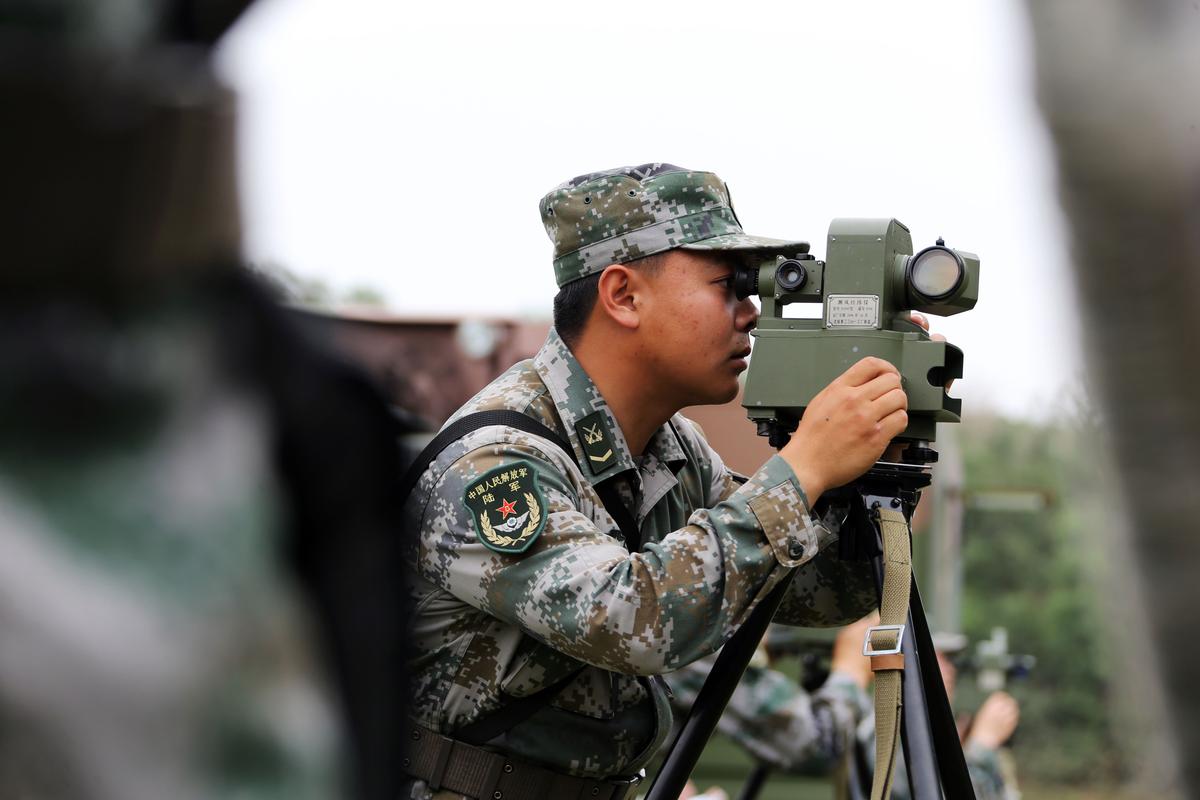
Su Pei, a China-based military scholar who used a pseudonym out of fear of reprisal, told The Epoch Times that the mention of upholding “the positive image of the people’s military” in the ban notice shows that the Chinese regime is concerned about more than just so-called secret leaks, but also about hiding the backwardness of the Chinese weaponry.
“It also worries that individuals within the military might sell used military equipment through underground channels—goods that could ultimately be resold to foreign adversaries. Such incidents have already occurred in coastal regions,” he said.
The notice does not prohibit the trading of all decommissioned and scrapped equipment. Exceptions are made for dual-use dismantled parts included in the public sales catalog of the China Rongtong Asset Management Group, as well as other equipment authorized for sale by the military. The China Rongtong Group is a ruling Chinese Communist Party (CCP) centrally managed commercial state-owned sole proprietorship company, according to public information.
Su noted that the Chinese military has long operated in a “black box” environment, lacking external oversight regarding equipment procurement, decommissioning, and asset disposal, which leads to corruption.
“The fact that decommissioned equipment can be openly sold on the market suggests the possibility that military personnel are illicitly reselling such materials for personal gain,” he said.