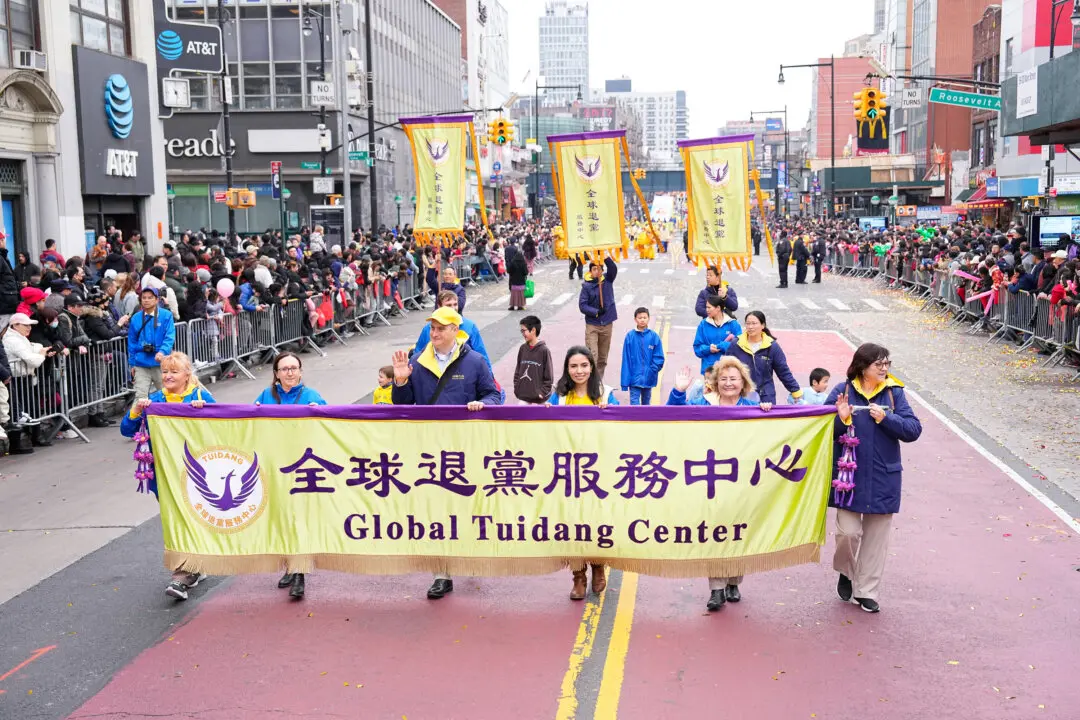
Gao Zhisheng’s wife and supporters gathered in San Francisco to demand his release and an end to the persecution of his family.
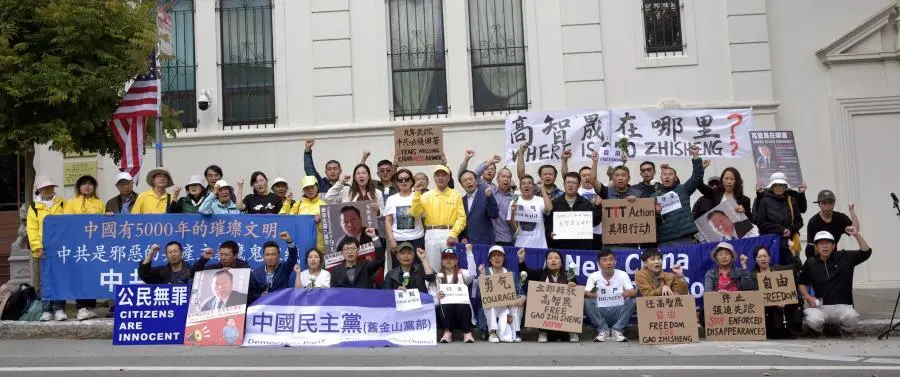
The CCP fears public mourning for the reform-era leader could become an outlet for broader expression of dissatisfaction with the regime, an insider said.
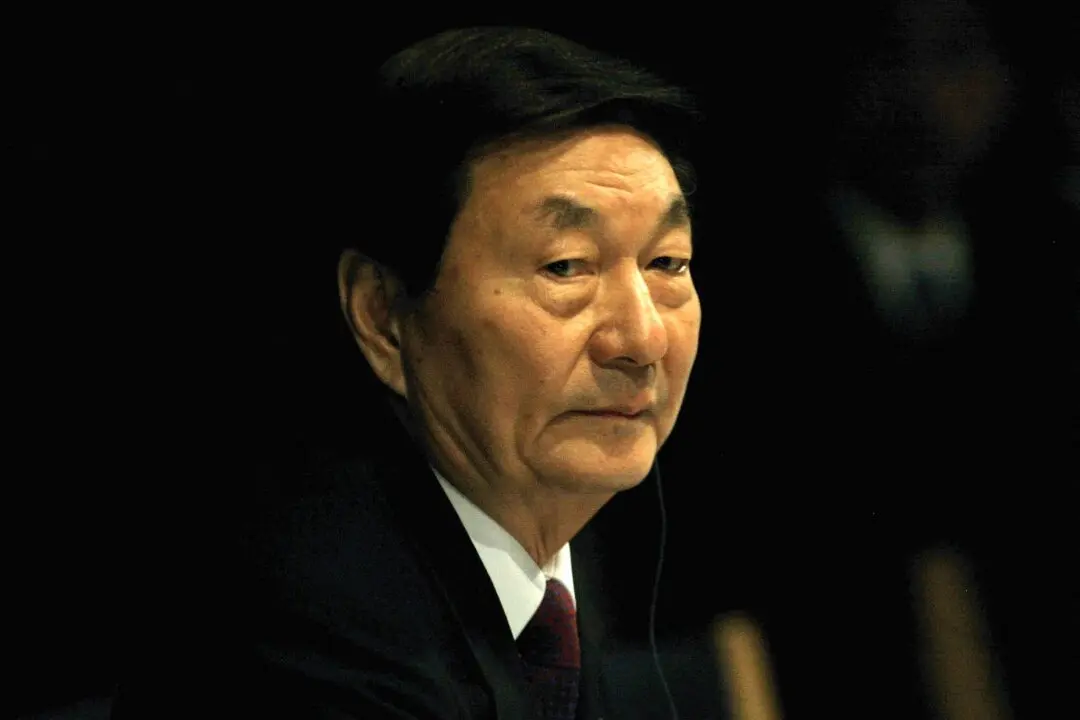
Xia Fugang’s manhunt in Henan sparked online sympathy, not outrage—reviving debate over the failure of China’s legal system for people who seek justice.

Shop owners described unpredictable standards, unaffordable fines, and warnings that sent entire commercial streets rushing to close.
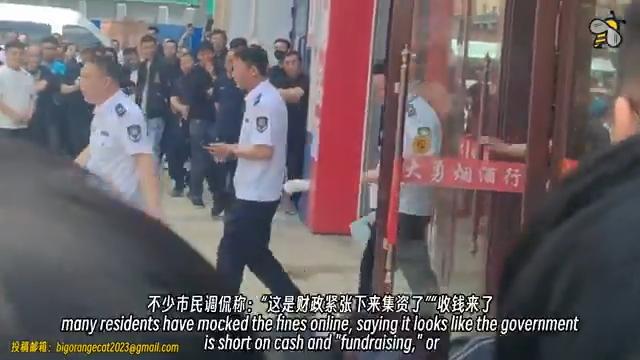
A viral joke over a toy’s ‘wa-wa’ sound has evolved into a broader outlet for public frustration with Huawei and China’s tightly controlled online environment.
The case highlights China’s tightening security around the CCP’s annual Beidaihe retreat, where petitioners are blocked from reaching senior leaders.

Leaked documents and a graduate’s account allege Xinjiang Agricultural University sent students to factories while shifting workplace risks onto them.

A resident displaced by reservoir failures said people remain without permanent housing as farmland, homes, and livelihoods lie in ruins.

Wang’s visit to Tibet has multiple purposes, including managing the backlash caused by the law and interference with religious affairs, analysts said.

A geologist and two professors say political evaluations tied to funding and promotions encourage widespread fraud in science coming out of China.
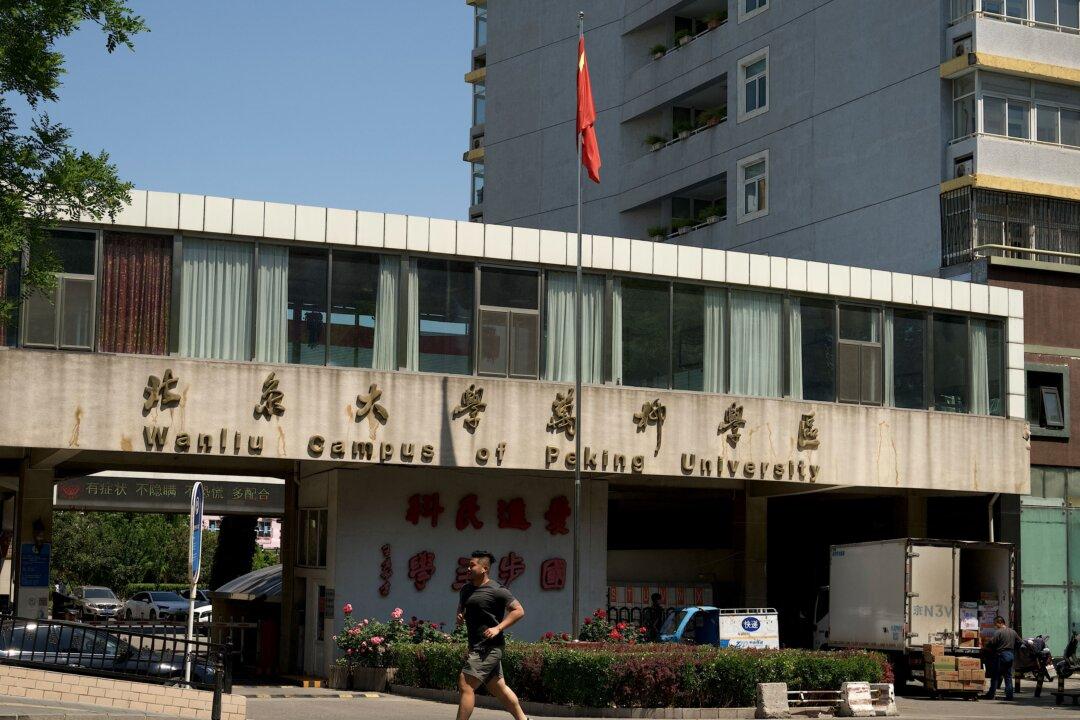
Students at a Hubei provincial model school rallied against a shortened vacation, raising broader questions about school management and student grievances.
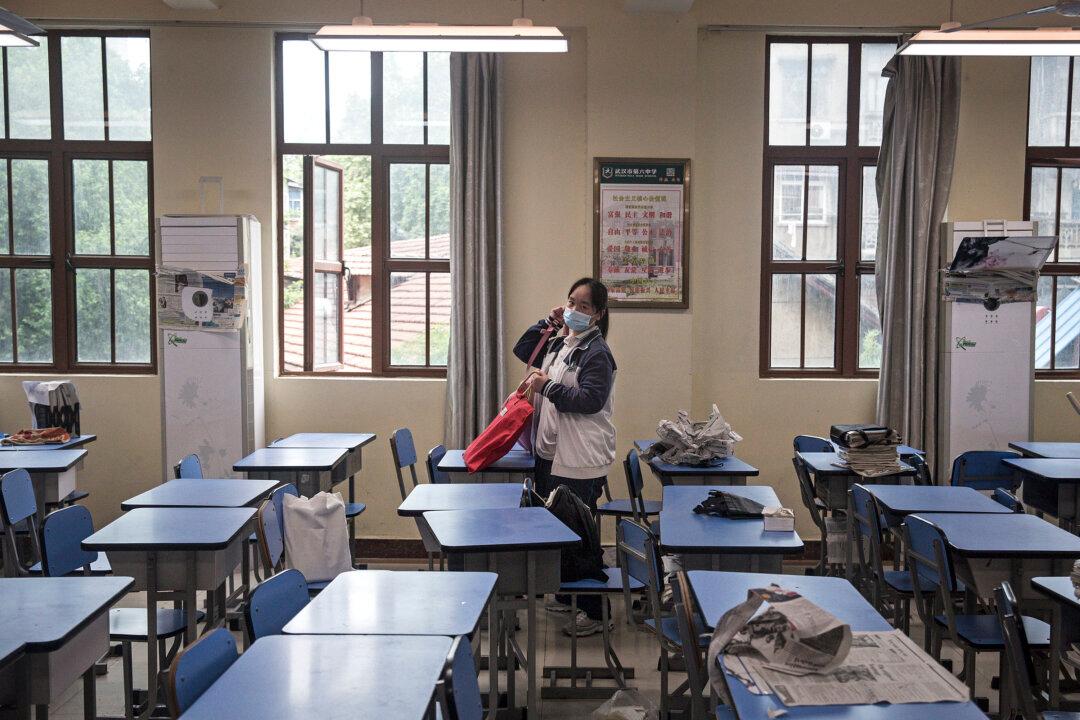
Chinese Catholics said the latest directives reflect a broader effort to replace religious autonomy with political loyalty to the Chinese Communist Party.
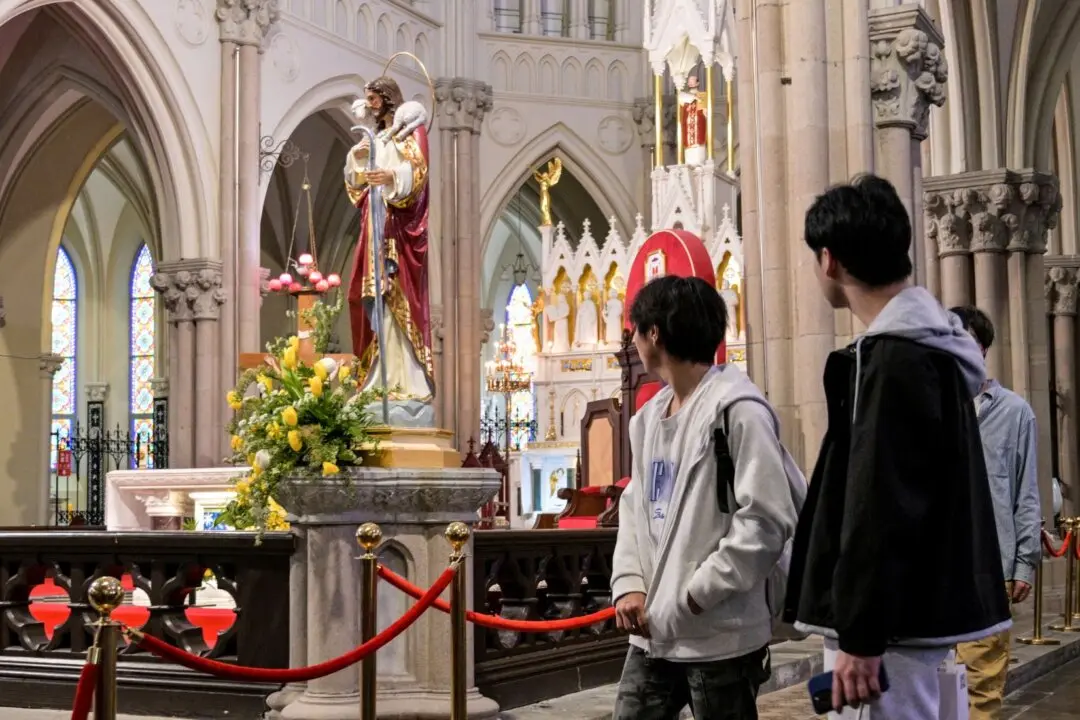
A new rule on clans, hometown associations infringes upon basic human rights and is another tool for the CCP’s transnational repression, experts say.
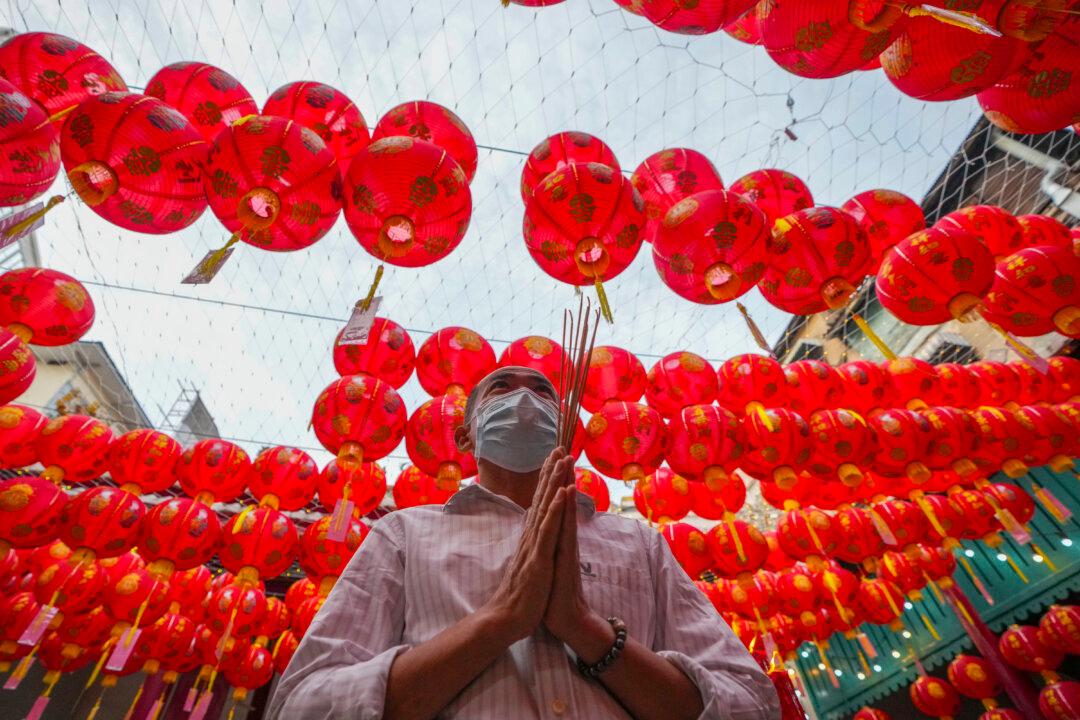
Critics warn the law could target overseas activists and ethnic minorities, drawing condemnation from lawmakers and rights groups.
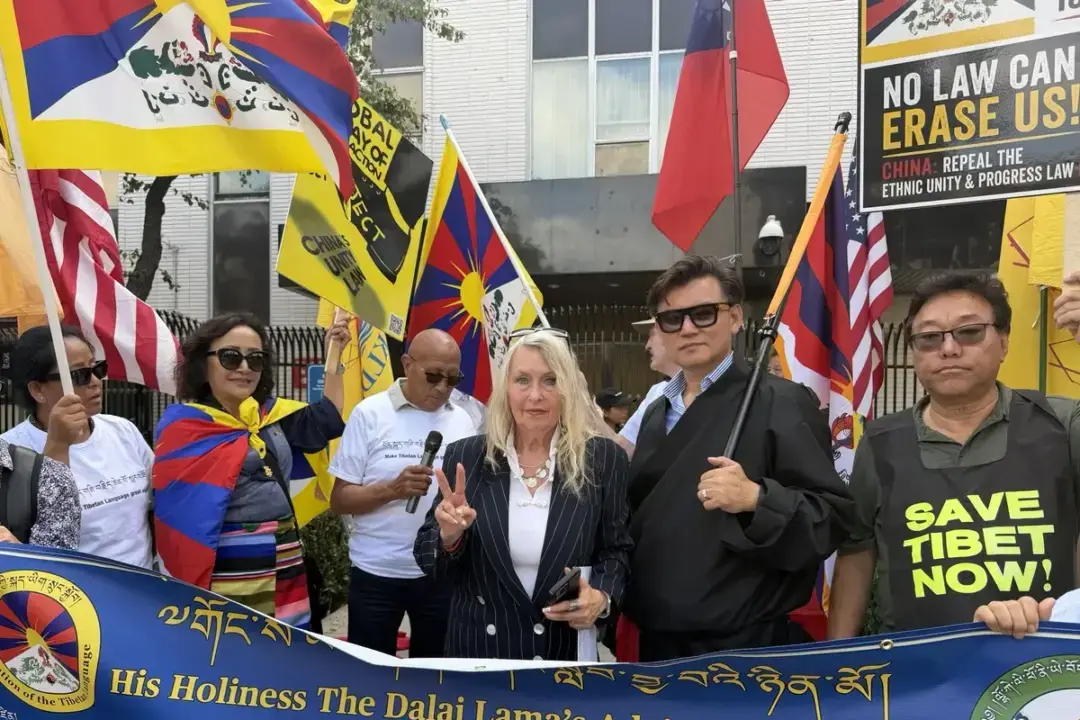
Protesters denounced Beijing’s rule and a new ‘ethnic unity’ law they say expands the Chinese regime’s transnational repression.
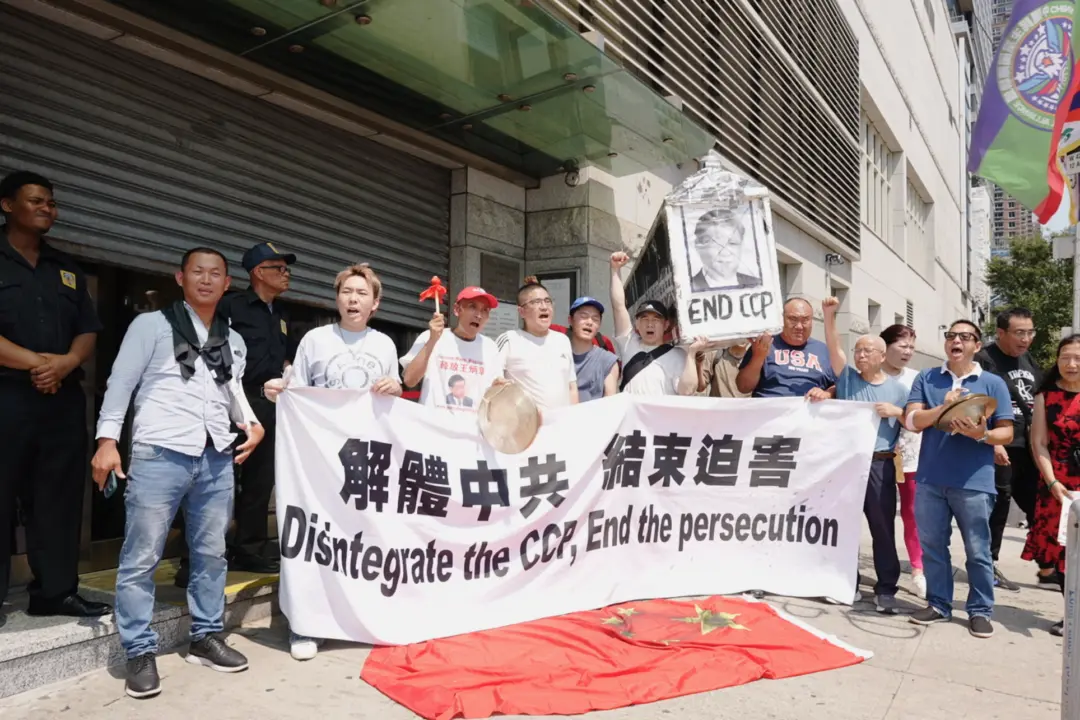
Rights experts say the law codifies tighter control over minorities, religion, and language while widening overseas repression.
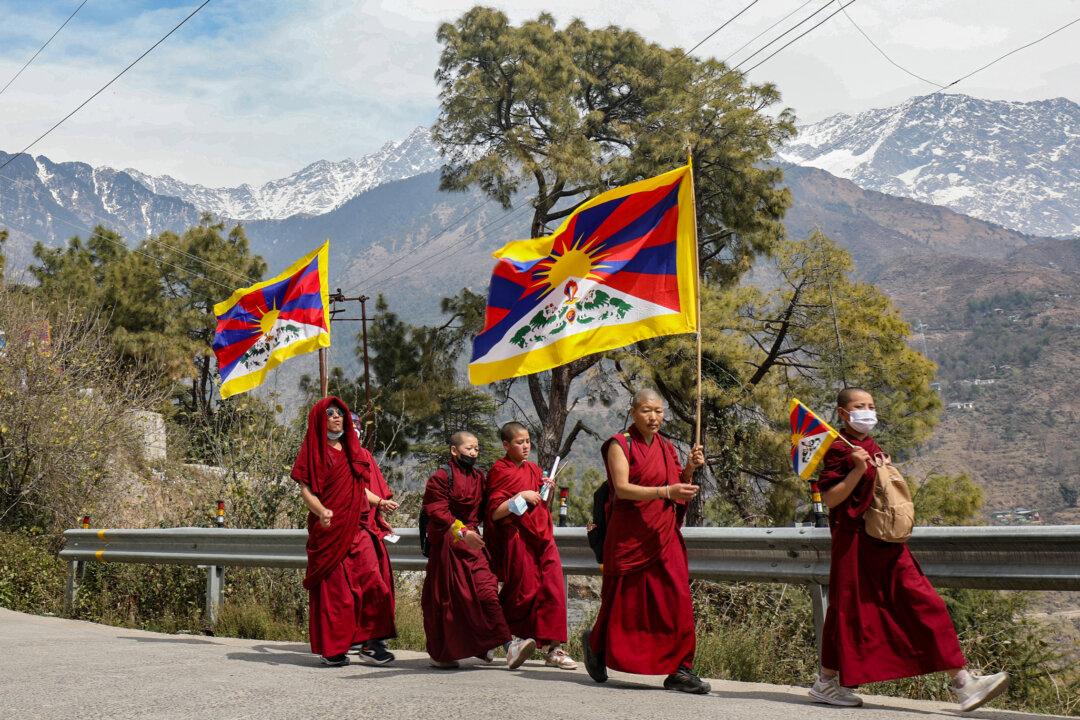
Videos of alleged abuse drew protesters to a Chongqing neighborhood and renewed debate over China’s lack of a national animal cruelty law.

Participants accused organizers of false advertisement and demanded refunds of thousands of dollars in exhibition fees but were met with armed Chinese police.

Sources who spoke to The Epoch Times indicated the regime is expanding surveillance and risk controls across finance, labor, cyberspace, and community disputes.

The Chinese regime targets the center and a related platform that provides the Chinese public with free access to overseas news and human rights websites.