Experts suspect there are also many unreported cases: ‘The true figure is certainly larger,’ said one.
Travelers say Chinese authorities inspect or confiscate books from Hong Kong, including historical and educational material.

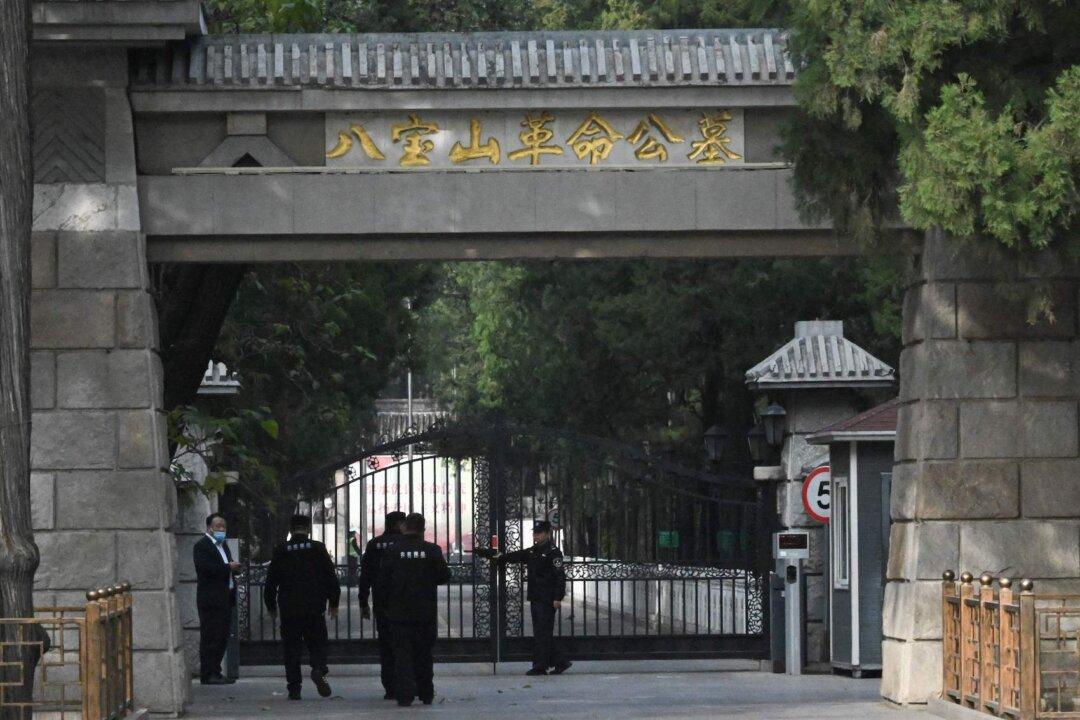
Authorities restrict access around Babaoshan cemetery amid reports of efforts to curb public mourning and prevent broader expressions of discontent.
Insiders say the campaign targets alleged bribery and judicial corruption while helping authorities recover assets and consolidate political control.

Veteran journalist Gao Yu said security officers warned her not to write further about Zhu, as personnel and barriers restricted mourners at his ancestral home.
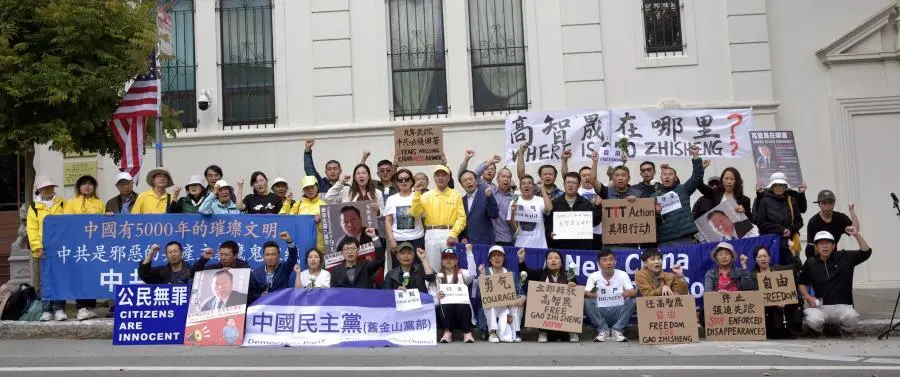
Gao Zhisheng’s wife and supporters gathered in San Francisco to demand his release and an end to the persecution of his family.
A Chengdu hospital ordered all employees to disclose their religious beliefs, while schools collect information on students’ and parents’ religious beliefs.

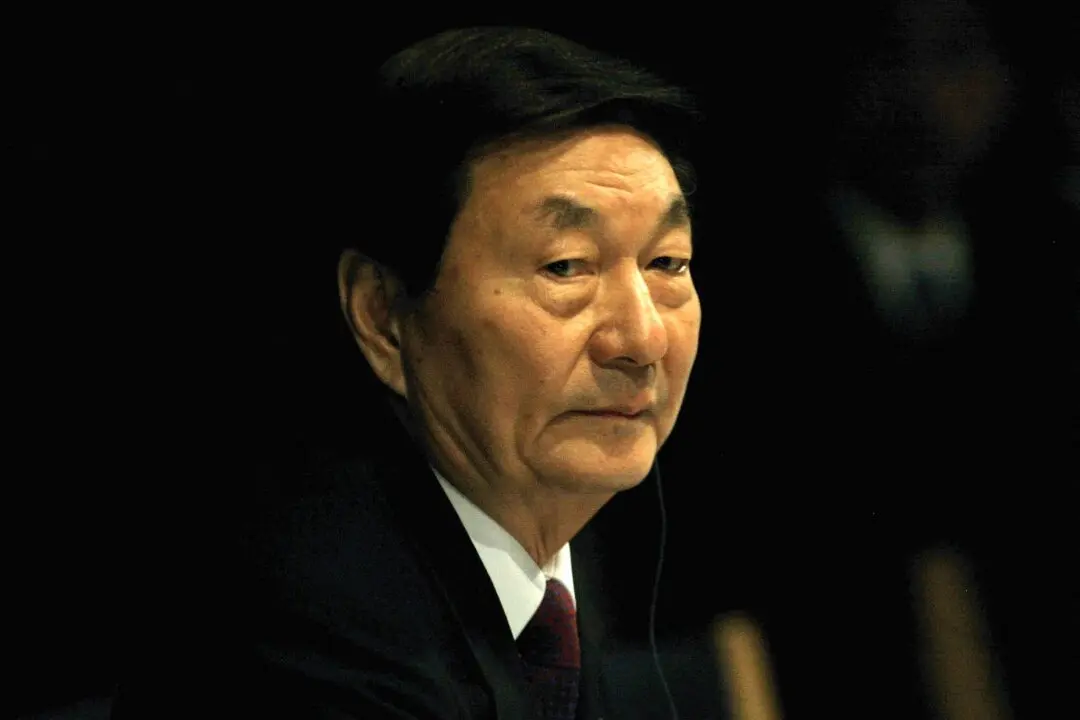
The CCP fears public mourning for the reform-era leader could become an outlet for broader expression of dissatisfaction with the regime, an insider said.
Xia Fugang’s manhunt in Henan sparked online sympathy, not outrage—reviving debate over the failure of China’s legal system for people who seek justice.

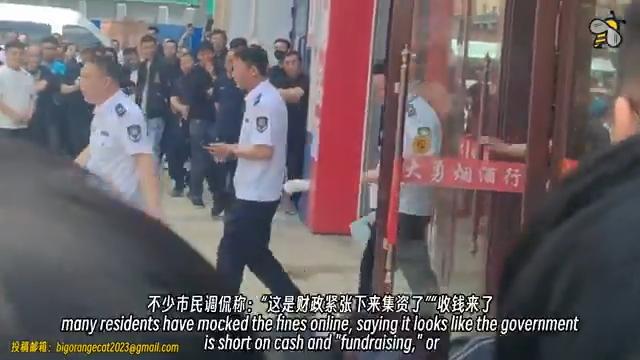
Shop owners described unpredictable standards, unaffordable fines, and warnings that sent entire commercial streets rushing to close.
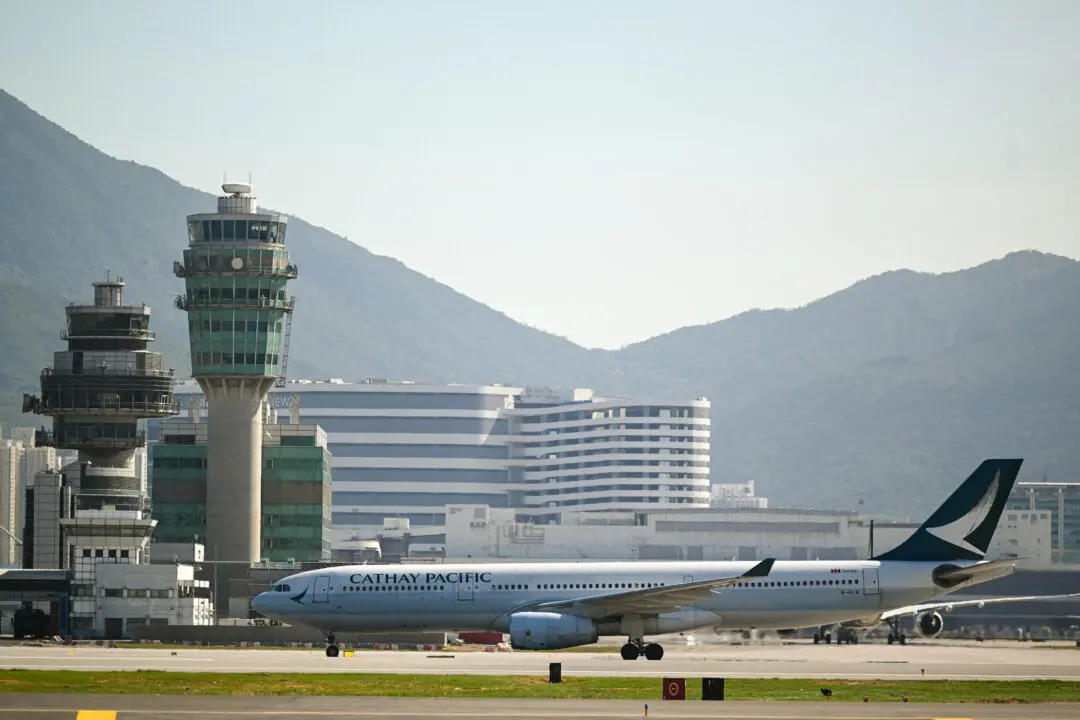
A passenger transiting through Hong Kong recounted the newly implemented additional airport security screening in a popular online video.
A viral joke over a toy’s ‘wa-wa’ sound has evolved into a broader outlet for public frustration with Huawei and China’s tightly controlled online environment.

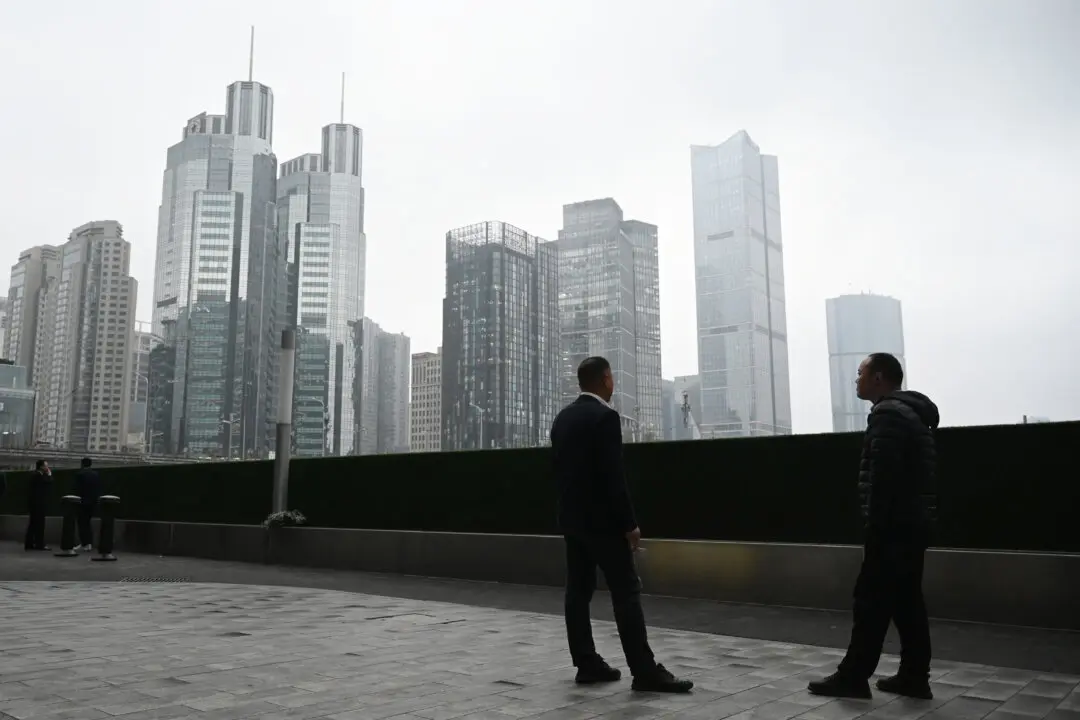
The Chinese regime’s sweeping tax on overseas wealth will further the loss of its growth momentum and innovative capacity, experts said.
Medical workers say employers are collecting passports, while some residents report failed passport applications before new rules take effect.

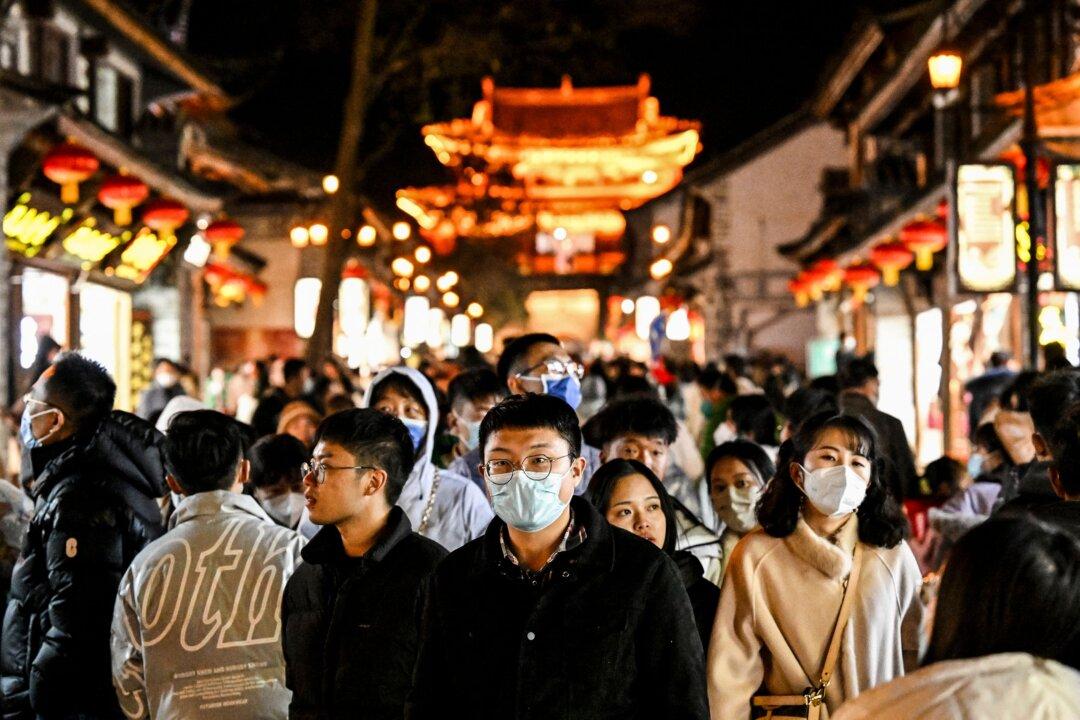
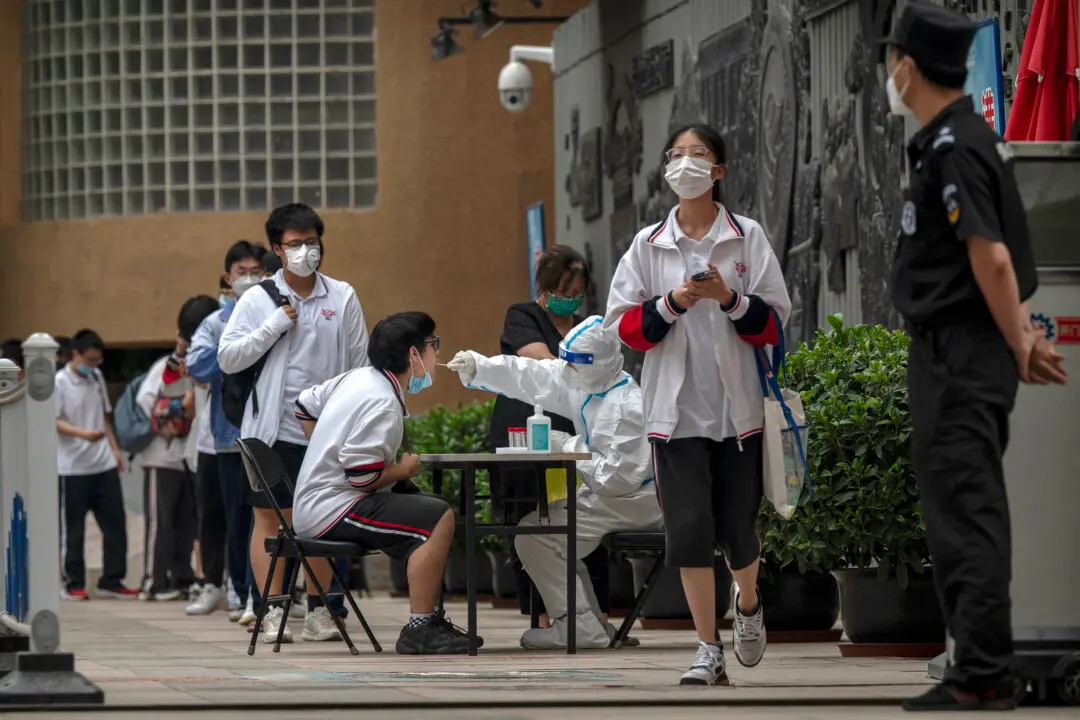
Medical experts said when the positivity rate exceeds 20 percent, the epidemic is likely to reach a high prevalence level.
Under the 19-part regulations, citizens accused of endangering national security at home or abroad could face exit bans of up to three years.
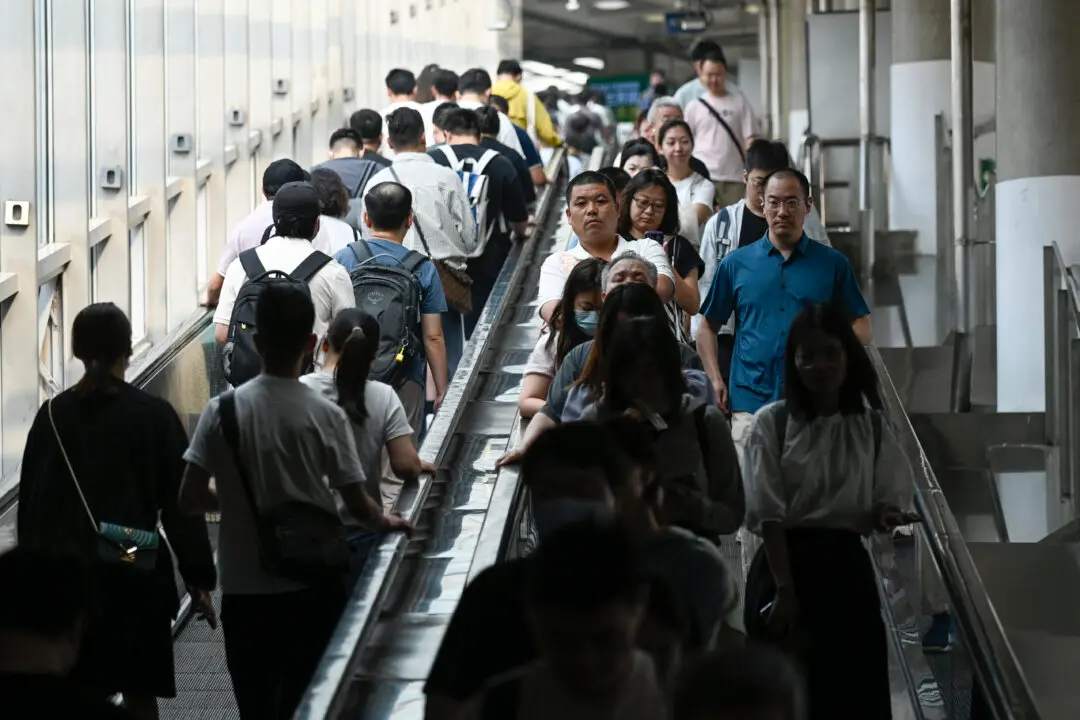
New rules granting authorities broader powers to question travelers and review data are being tested ahead of a Sept. 15 rollout.
Police questioned AI relay platform operators, signaling that Beijing is extending controls over access to foreign AI models.

The new yearlong campaign adds ‘public opinion extortion’ to anti-gang enforcement, prompting critics to warn of broader censorship and tighter online controls.
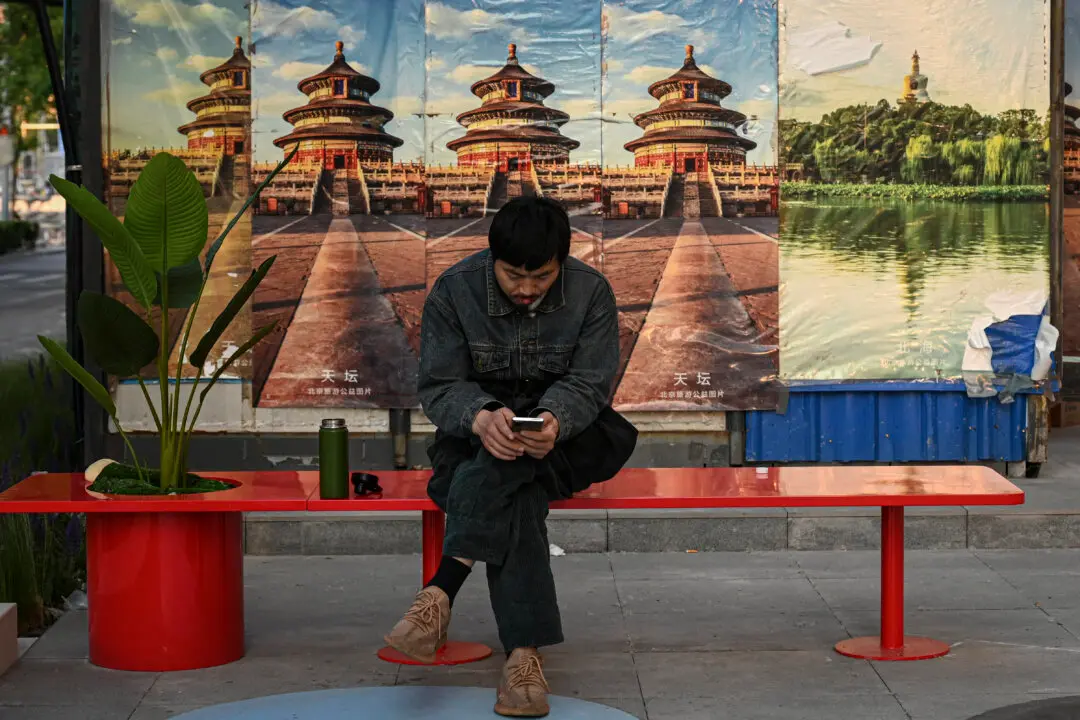
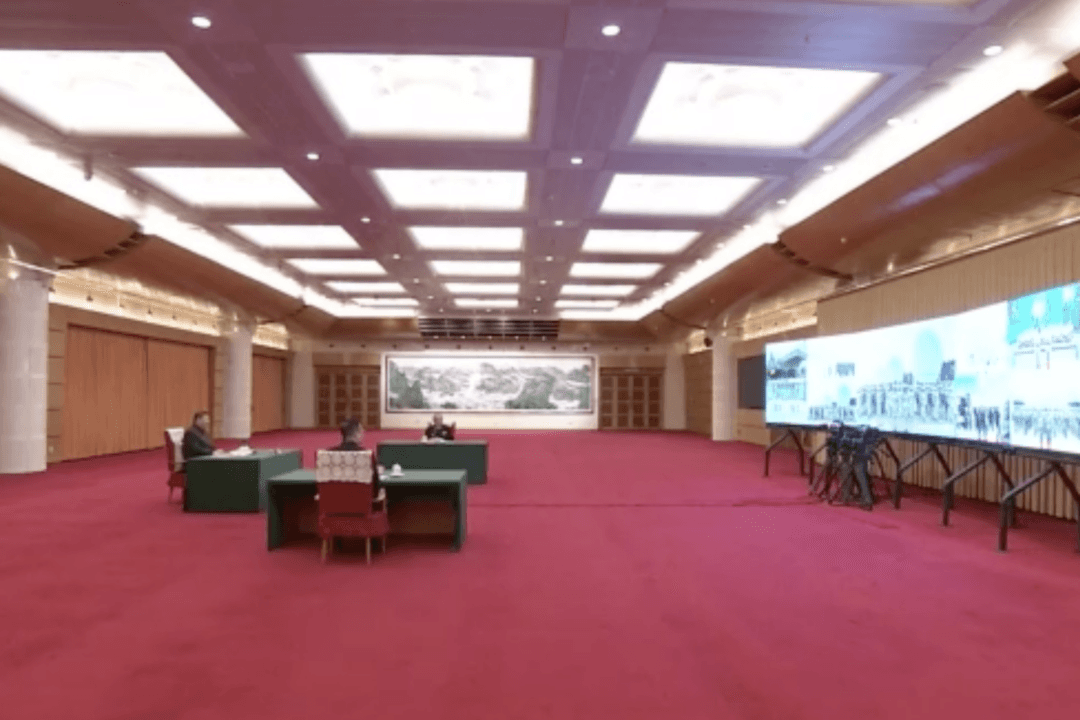
Most members of the Central Military Commission—the top PLA leadership body—have been purged; the remaining one was absent from the banquet.