President Trump called Overton, a top White House aide, a ‘rockstar’ in his administration.
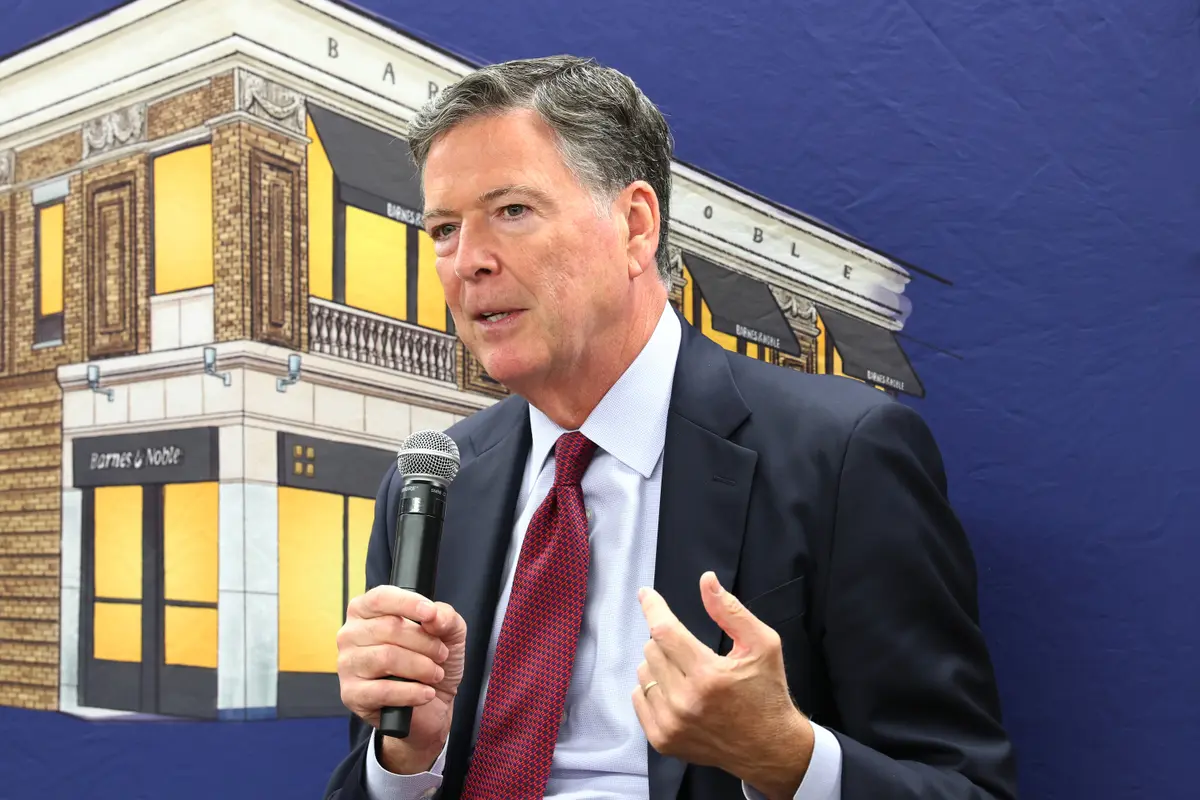
The former FBI director was previously indicted for allegedly threatening the president online.
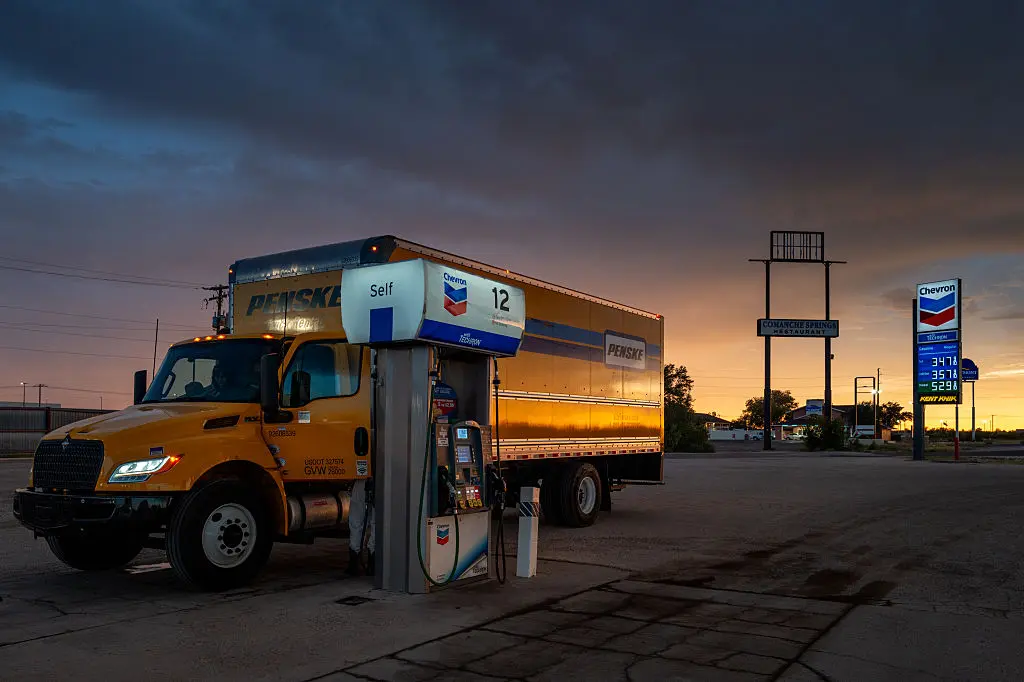
Diesel prices have risen around 15 cents over the past week, according to new data.
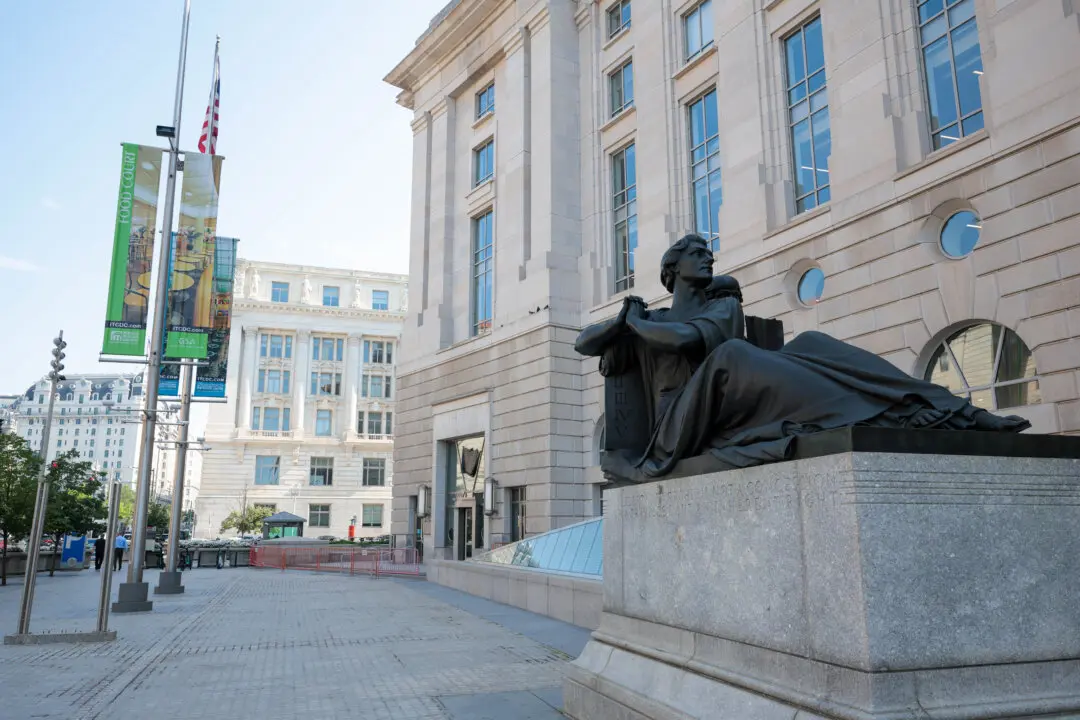
The selection marks a milestone for South Korea’s Hanwha, as it seeks to leverage its global artillery business to win orders from the U.S. military.
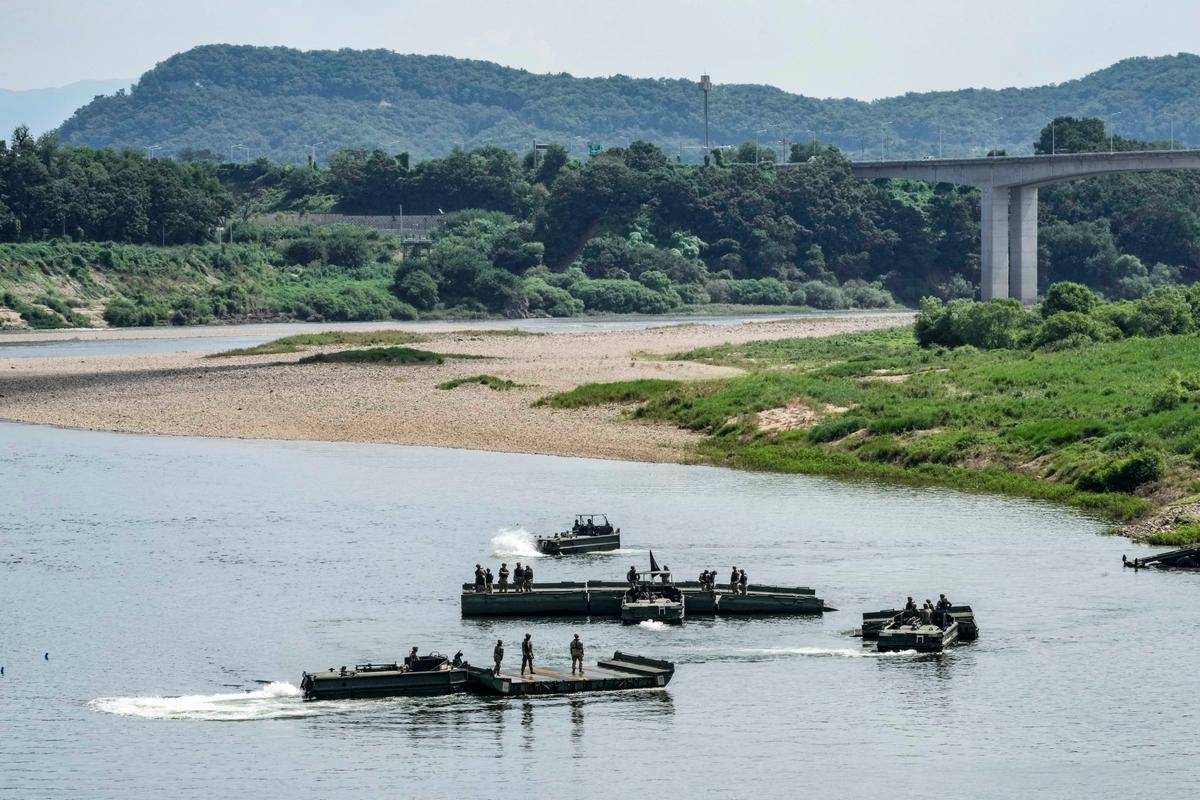
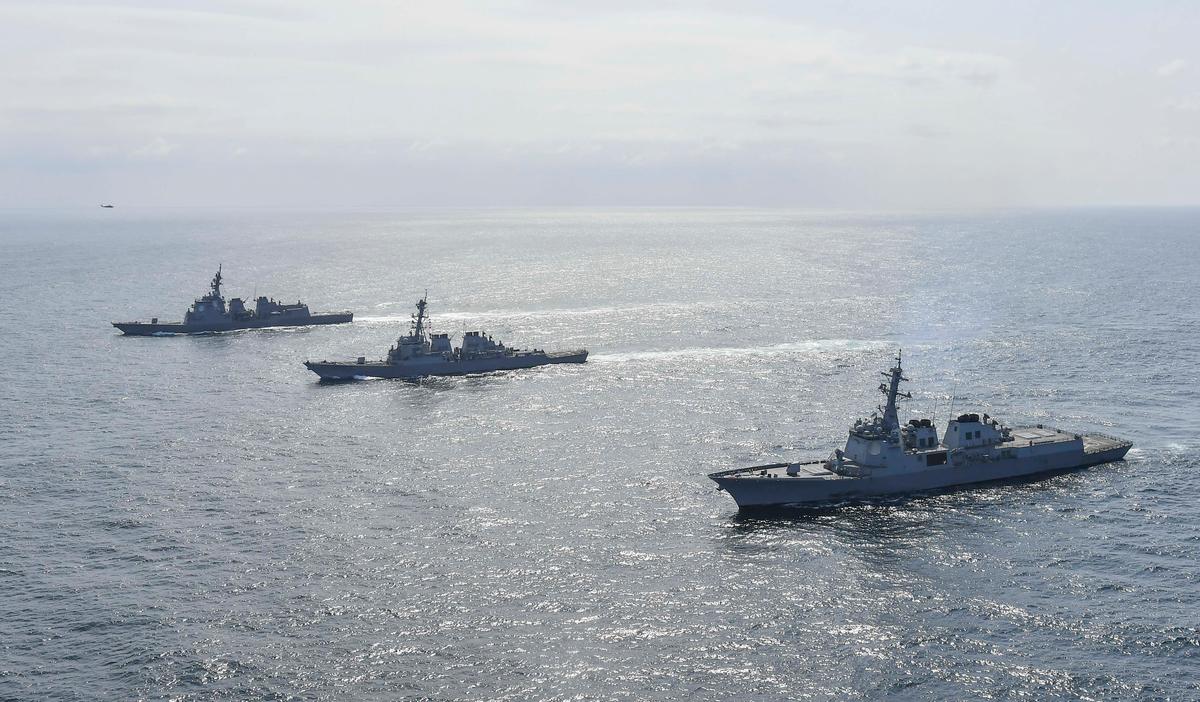
Ulchi Freedom Shield is an annual exercise that includes live, virtual, and field-based training across multiple military services.
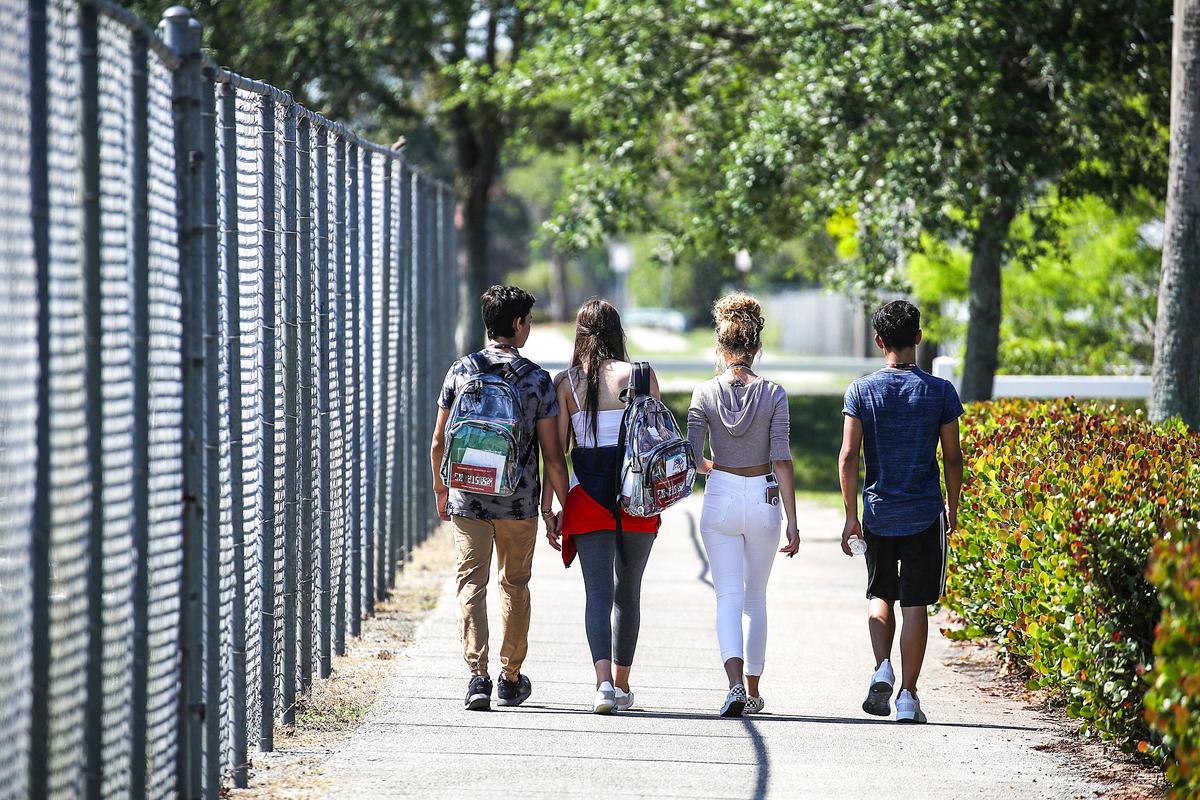
The department also sent a ‘Dear Colleague’ letter to schools noting that every student must be treated even-handedly under Civil Rights laws.
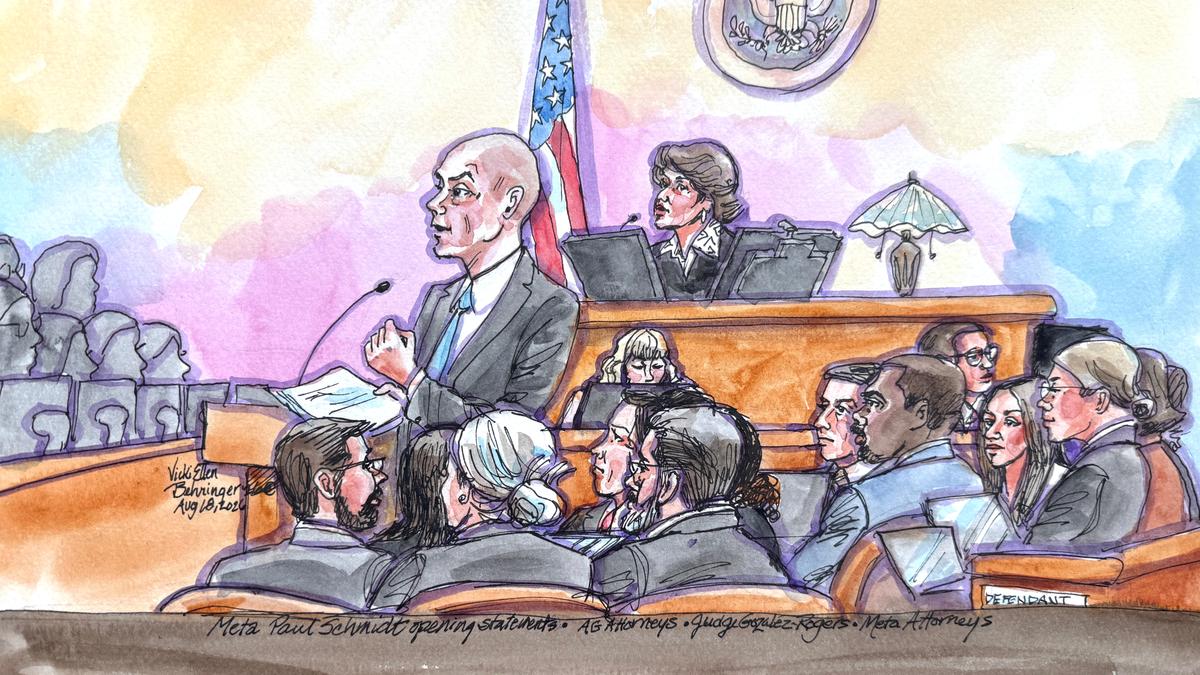
Twenty-nine states are suing Meta, seeking civil penalties the company says could run as high as $1.4 trillion, the approximate value of the company.
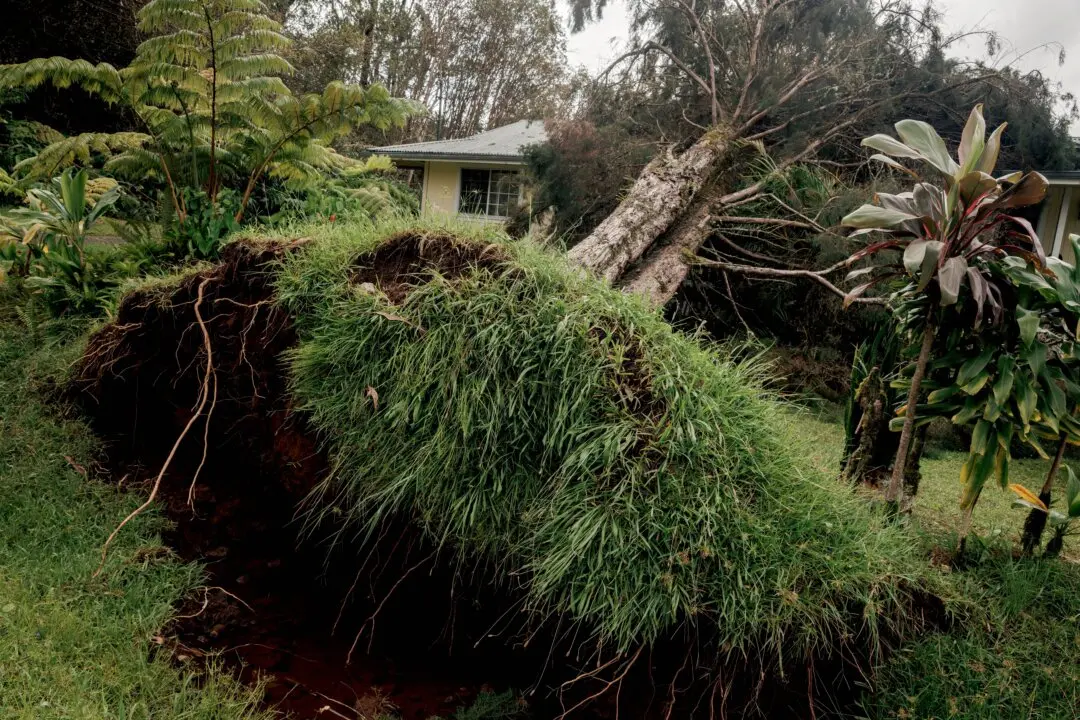
A storm system moving west away from Hawaii has quickly strengthened into a Category 3 hurricane.
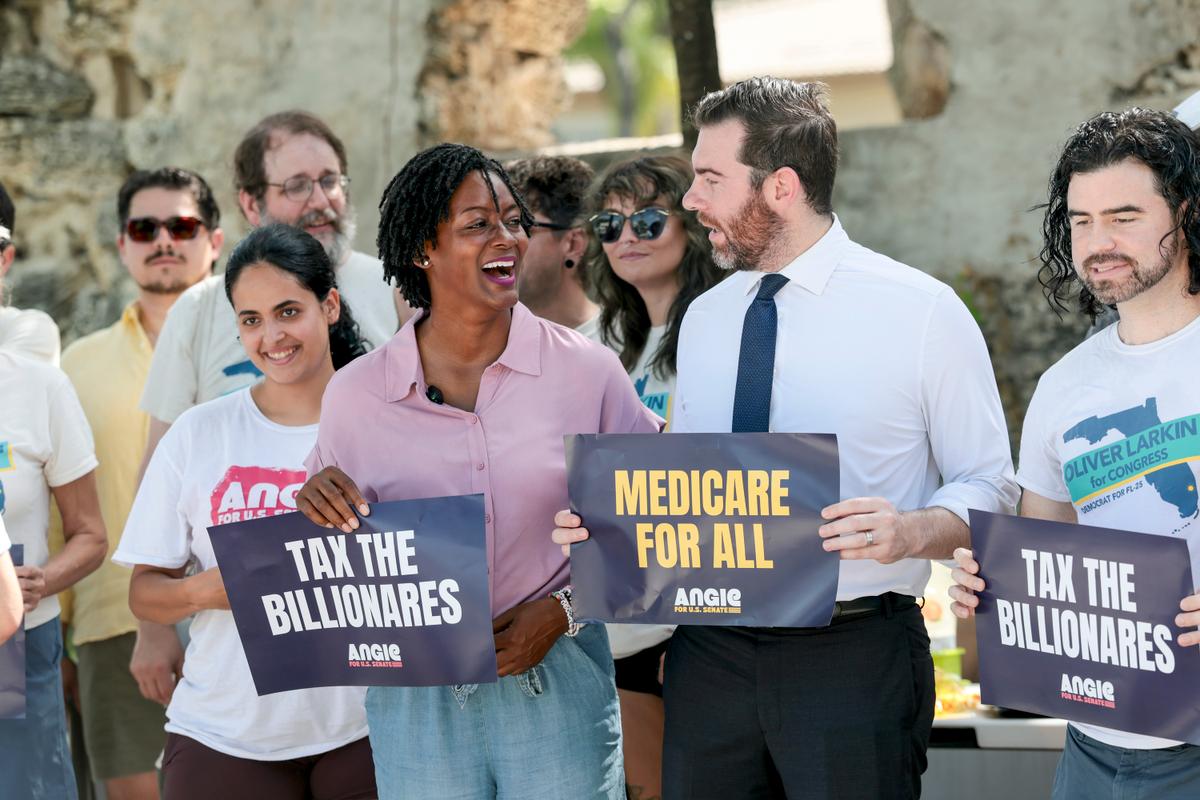
Shapiro is the second Democratic executive to do so, following Hochul in New York.
Here’s what to know about the divide splitting Democrats across the United States.
The ATF’s Frame and Receiver rule required partially completed gun parts to be assigned serial numbers as if they were functioning guns.

The Massachusetts resident arrived at the Capitol armed with Molotov cocktails and a knife, but turned himself in.
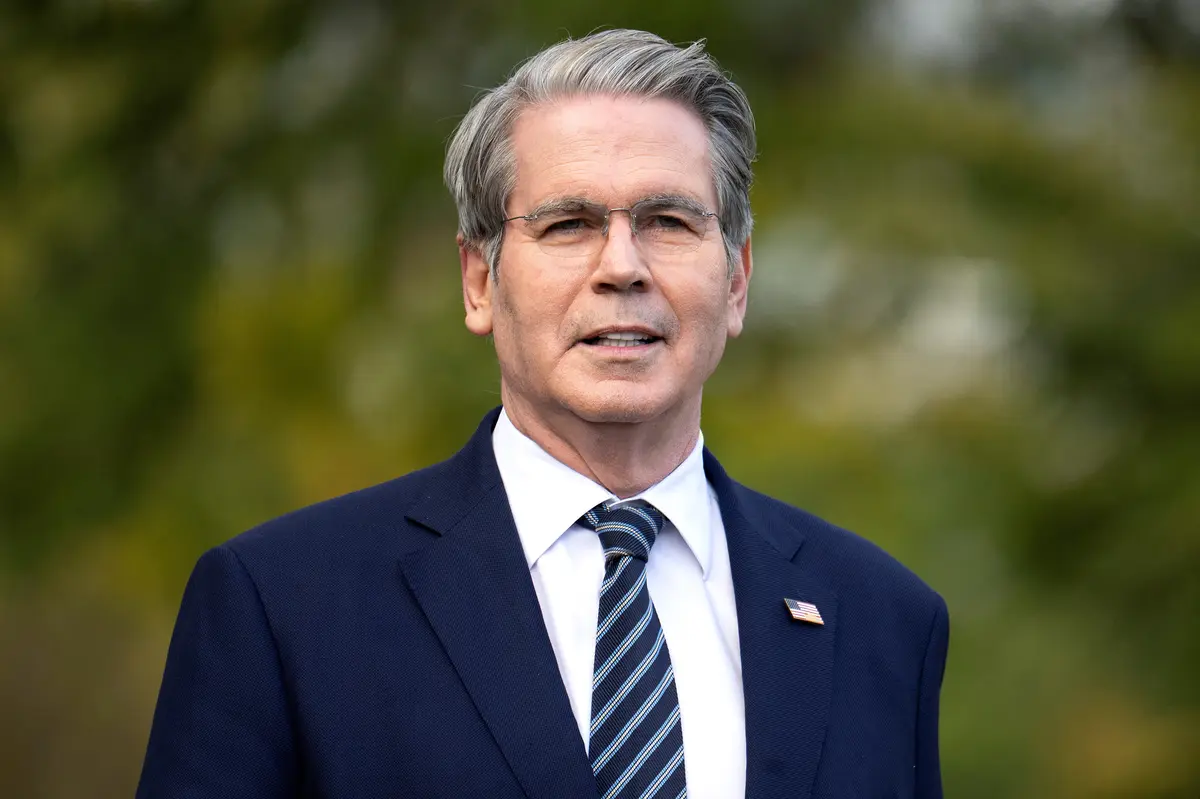
Meanwhile, the cost of Chinese goods rose at the fastest pace in nearly 20 years.
The department accused a district court of interfering with the executive branch’s authority and duty to protect the public from potential threat.
An ad hoc assembly of local residents joined the ranks of opponents nationwide.
The notice asked universities to identify who they were working with in China, Russia, and Iran and to report back to the Pentagon by the end of the month.
‘If you let a problem fester, then it will come back to bite you later,’ the official wrote.
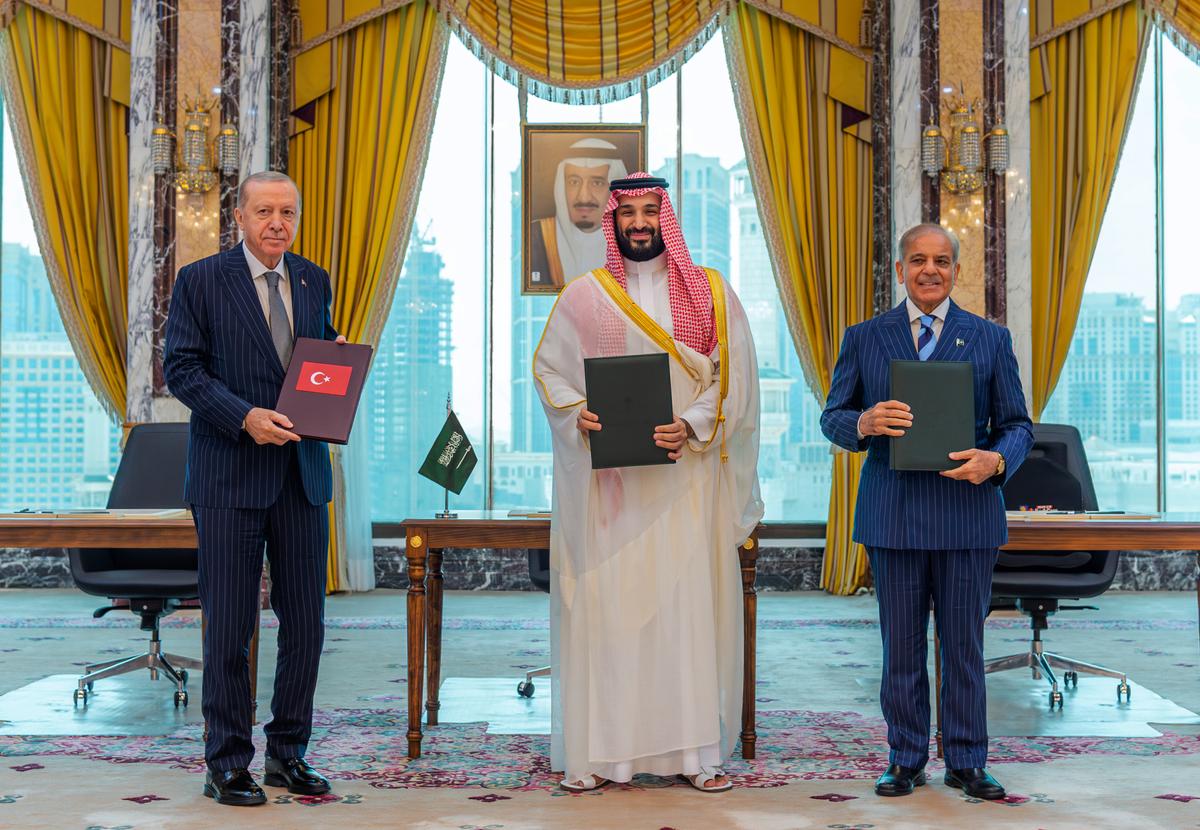
The pact combines Saudi Arabia’s oil wealth with Turkey’s vast armed forces and Pakistan’s nuclear capabilities.
The president revealed that he ordered the Pentagon to scale back the joint military exercises with South Korea on Aug. 16.
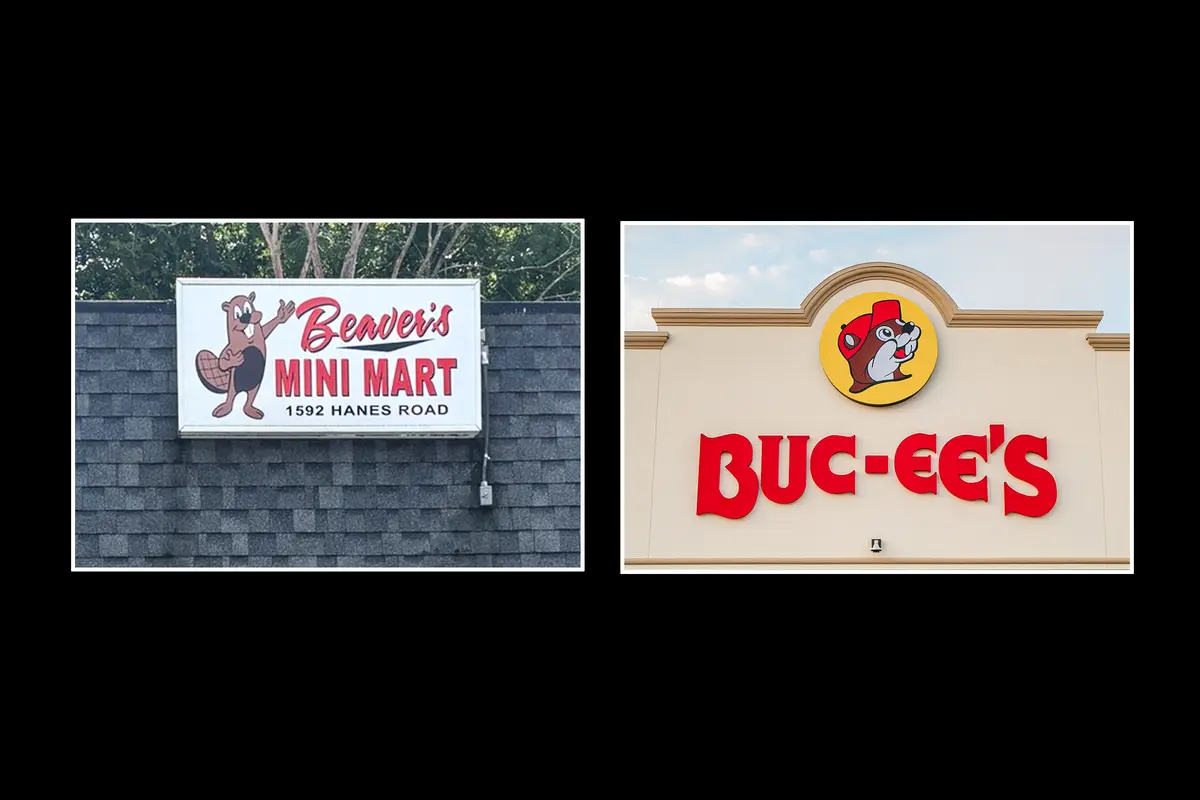
Buc-ee’s has filed multiple lawsuits to protect its beaver logo, including action against a mini-mart in Beavercreek, where the beaver is a community symbol.