NR | 1h 47m | Drama | 1955
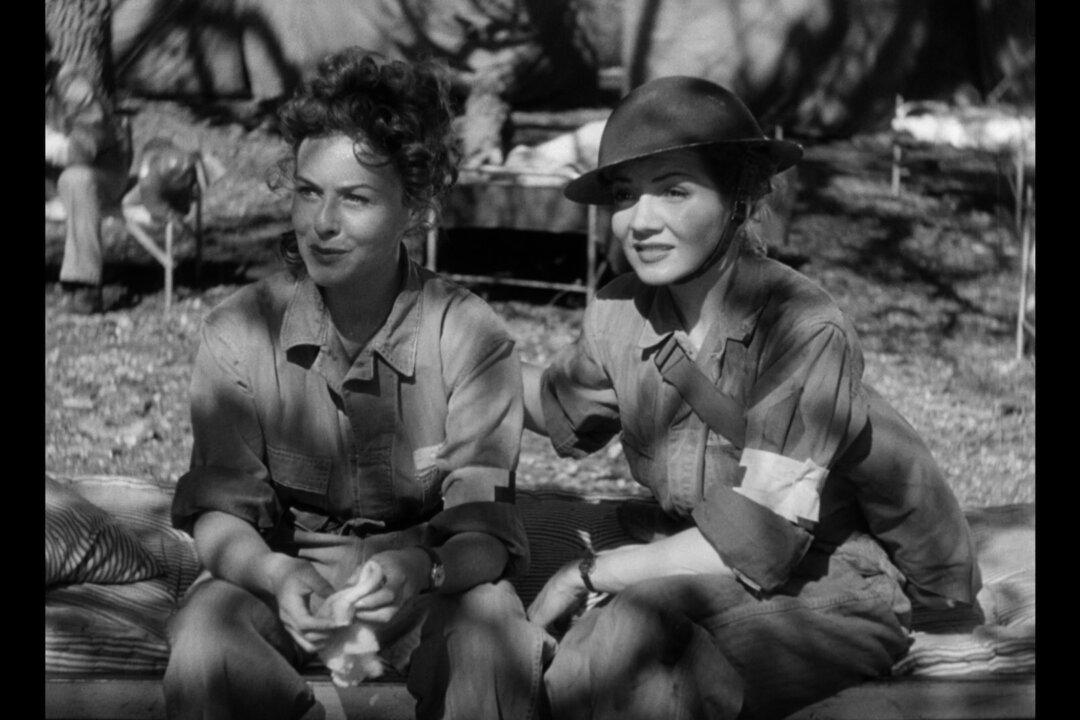
Director Henry Koster’s film “Good Morning, Miss Dove” draws on Frances Gray Patton’s eponymous novel about a principled schoolteacher who molds the character of several generations of children.
In the tranquil town of Liberty Hill, an attractive young woman, known only as Miss Dove, (Jennifer Jones) lives with her scholarly banker father. From him, she imbibes a longing for the landscapes, climates, and natural wonders of faraway lands.
When he dies suddenly, bequeathing a legacy of debt, she begs his friend and successor Mr. Porter (Robert Douglas) for help. Bristling with self-respect and wary of scandal, she prevails on him to be discreet, vowing to earn and pay off every dime. Touched, Porter secures her a job, teaching geography at the local elementary school.
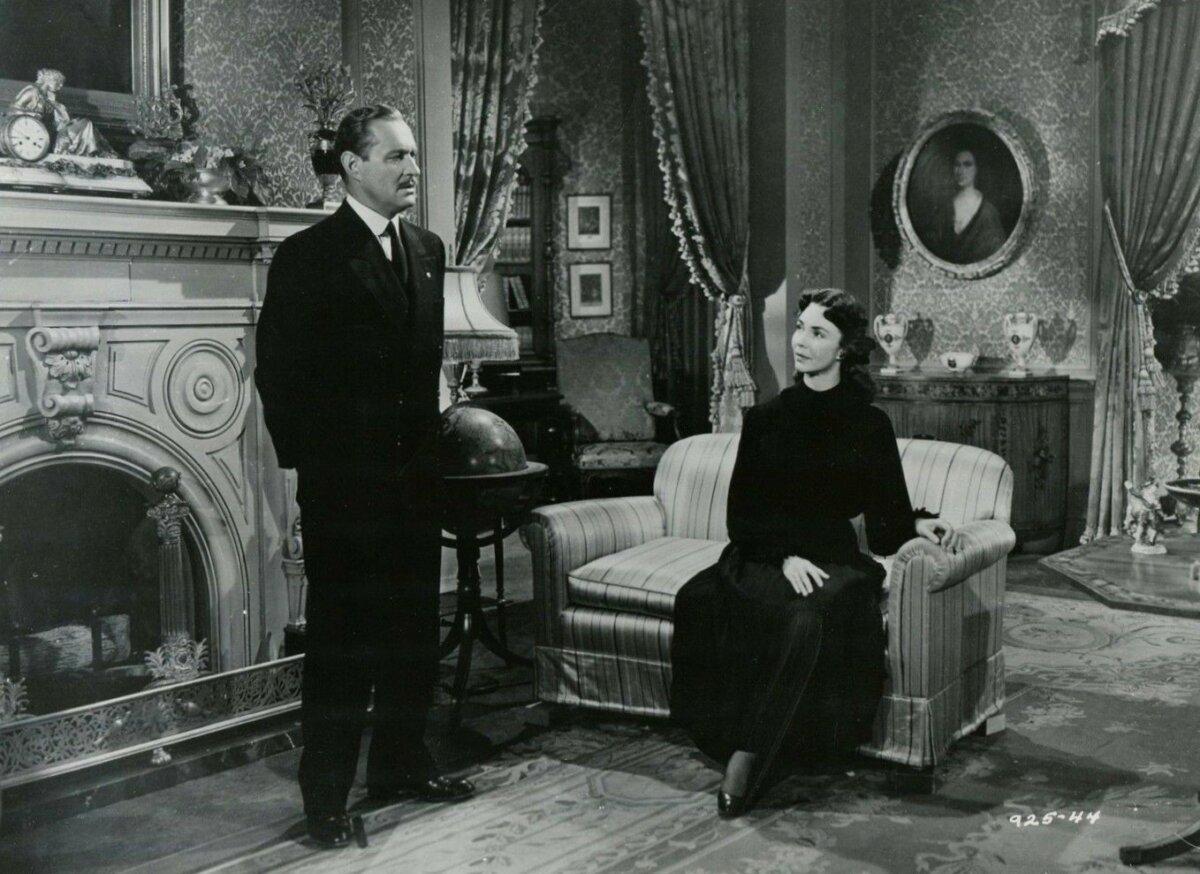
Becoming a Teacher
Meanwhile, Dove has been eyeing marriage to, and global travel with, the handsome young suitor Mr. Pendleton (Marshall Thompson). Now, obliged to earn and pay back the debt in Liberty Hill, she turns him down. Gradually, the once chirpy would-be explorer morphs into an upright, uptight disciplinarian—in and out of school—and stays a spinster.In her classroom, however, Dove comes into her own. Some students need encouragement, others a reality check, still others inspiration; she offers what they need when they need it.
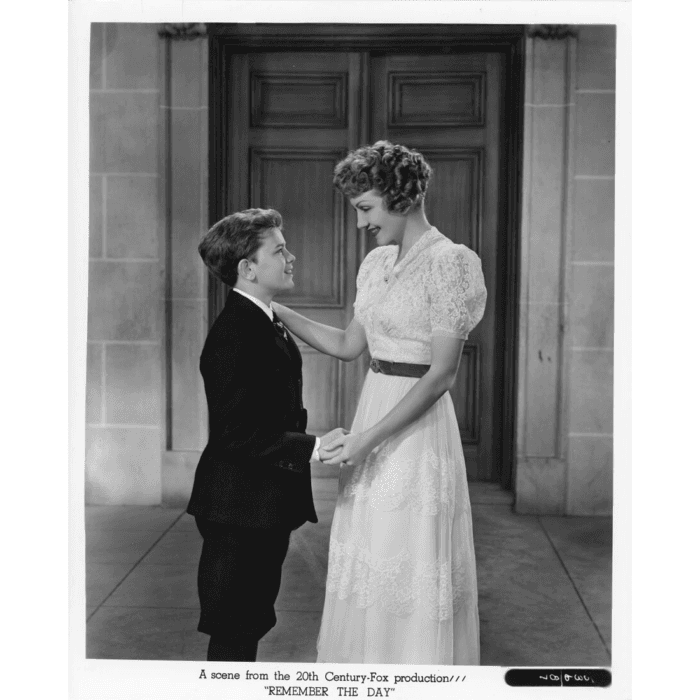

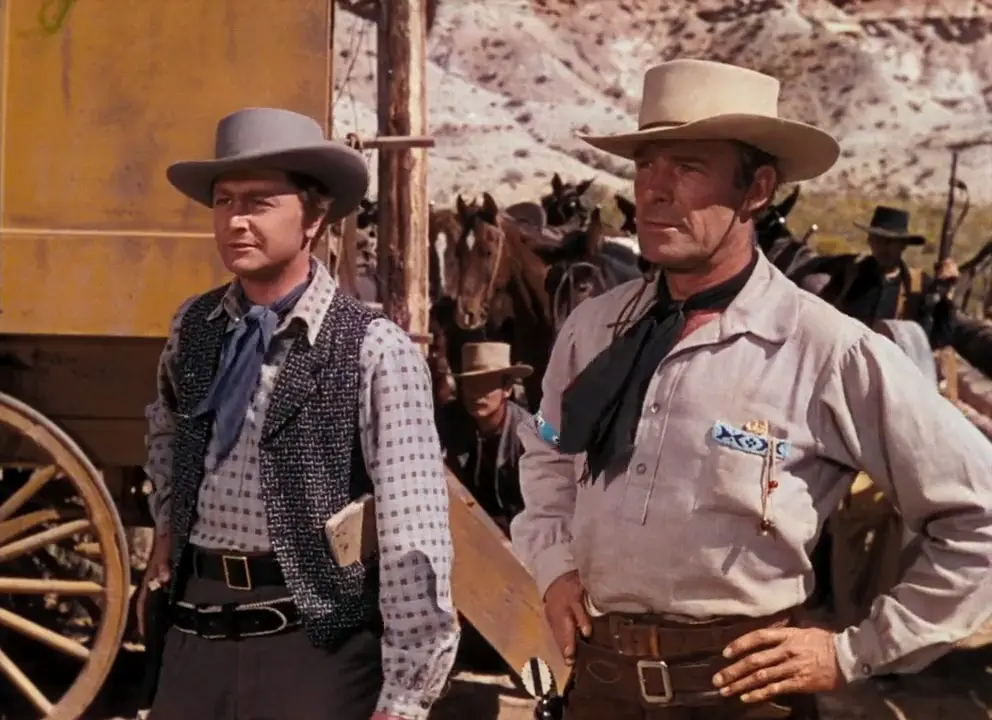
Publicly, some protest her exactness. Privately, they all cherish her life lessons. Billie Jean (Peggy Knudsen) becomes Mrs. Green, a nurse, and little Thomas becomes Dr. Baker (Robert Stack) at the same hospital. Bill Holloway (Chuck Connors) goes on to be a Marine and, later, a police officer.
Now, 54 years old, Dove figures she’ll keep inspiring batches of children until she retires. Then, a tumor threatens to derail all that.
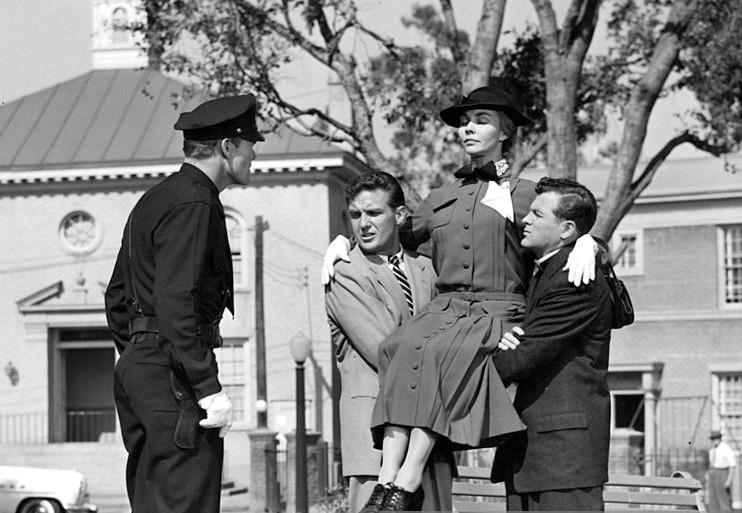
Koster’s sensitive storytelling is let down by awkward editing that seesaws too abruptly between the present day and the past. Still, the bubbly adult characters, once children, who nip in and out of Dove’s life, make for some endearing scenes.
Just 36 years old at the time, Jones impressively pulls off the switch between warm, wannabe geographer and supercilious geography teacher. The hulking Connors, otherwise restrained as Holloway, allows himself a delightful little outburst to defend his beloved teacher.
Dove’s Class Act
Gazing admiringly at his daughter, Dove’s father once confides to a colleague that what sets her apart is like the difference between fine porcelain and ordinary ware.The opening scene, lasting no more than a minute, reveals just how classy Dove is. Middle-aged, she’s about to step out onto the street. She notices a squeak at her gate, already has an oilcan at the gatepost, applies oil immediately—not later—and the hinge promptly becomes quiet. As it should.
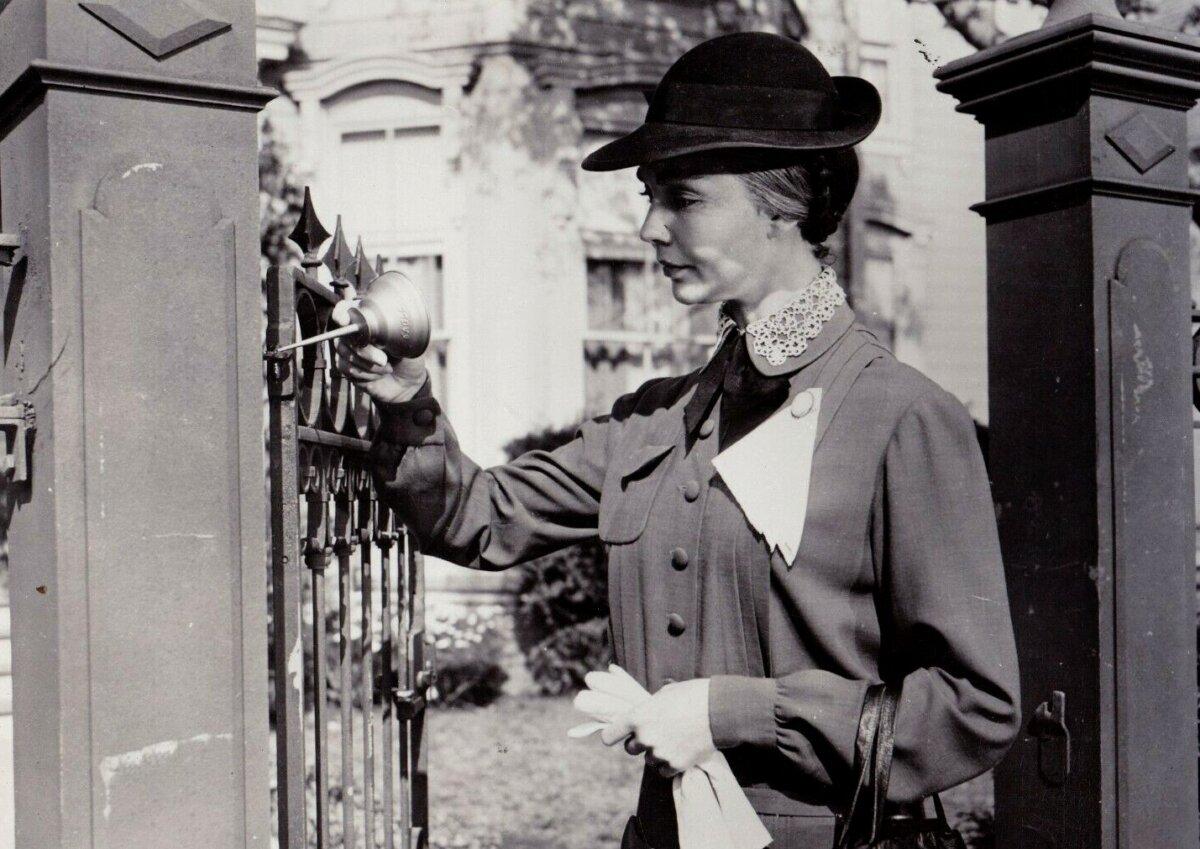
That moment mirrors her principle of deferred gratification. Many mistake her correctness to be a kind of compulsive disorder. But she believes her words and actions are like that oil, removing disruptions in the hinges and gates of everyday life.
Musing on the years she’s had with the children who passed through her classroom, Dove tells herself: “I tried to blow into them the breath of purpose. I do not wish them back. I wish only to believe that they will do well without me.”
That said, thanks to the scars of loss and longing she weathered as a young woman, she proves too emotionally guarded. Fearful of losing anything or anyone within her grasp, she stays carefully out of reach. So, it’s her grown-up students who end up teaching her right back that longing and loss can lead to healing, too.
Koster’s Dove may be more robotic, more reserved than King’s ebullient, effusive Nora. It’s hard to imagine Nora directing her more distracted students (even those caught slouching) toward anything like Dove’s infamous posture-correction stool.
But both protagonists are so sincere that the children under their care see through their aloof exterior to their genteel and generous hearts.