NR | 1 h 50 min | Drama | 1940
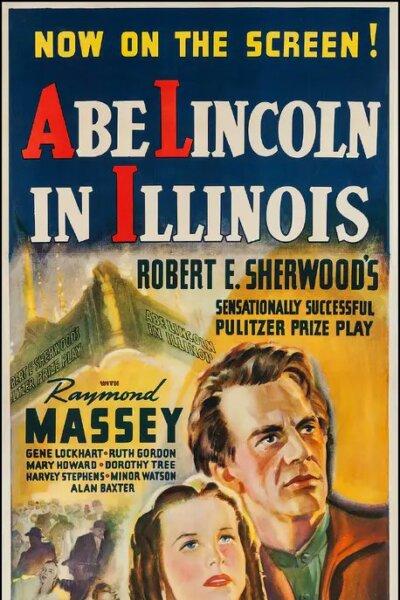
“Abe Lincoln in Illinois” takes a deeply humane look at Abraham Lincoln’s long walk to the presidency.
In 1831, young Lincoln (Raymond Massey) leaves his family’s one-room log cabin in Kentucky and heads out to find work in Louisiana, then Illinois. There in New Salem, he runs a supplies store and post office.
Moved by his spunk and sincerity, schoolteacher Mentor Graham (Louis Jean Heydt) mentors him in the evenings. They discuss everything from language and literature to learning of the noblest kind.
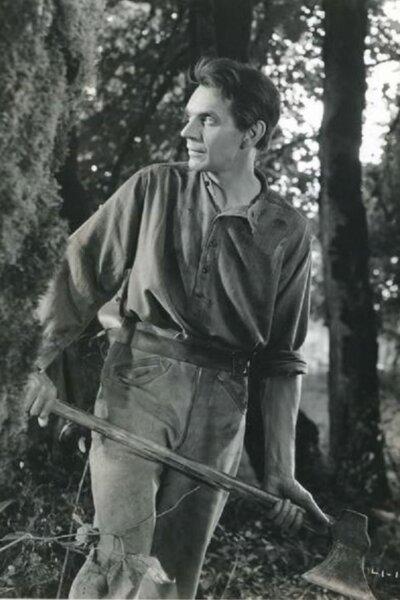
Lincoln loses the woman he loves, Ann Rutledge (Mary Howard), to death from brain fever before he has a chance to wed her. Feeling hollow within, he struggles to share the delight of his growing band of supporters cheering his election to the Illinois legislature.
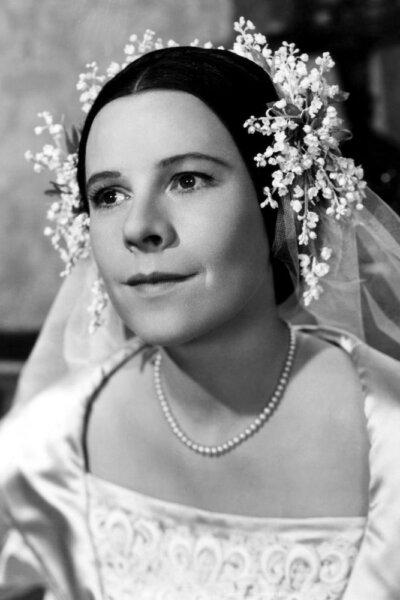
Having become a candidate reluctantly, he surprises them by resigning. He then takes a job as a law counselor in Springfield, where he meets Mary Todd (Ruth Gordon).

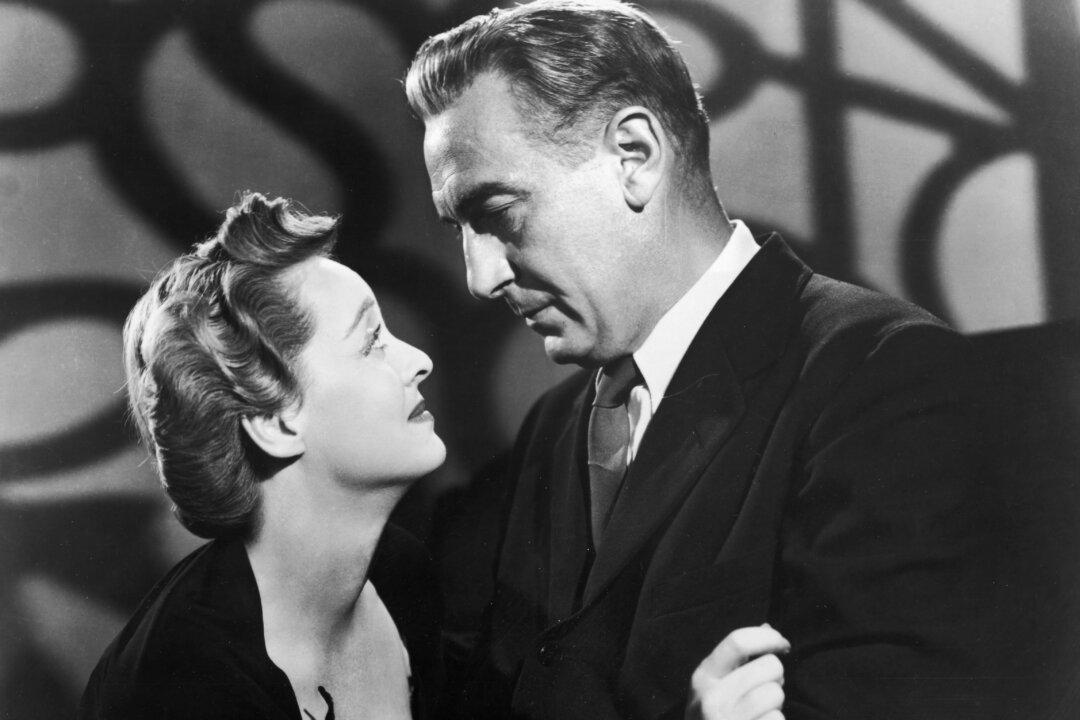
Accustomed to high society, Mary sees through Lincoln’s attempts at disarming humor to distract from his apparent deficit in social graces. Unfazed by his indifference to ambition, she spots greatness in him, convinced that she’s the one to help him grasp it. They marry in 1842.
Soon he’s the U.S. representative from Illinois facing a threateningly eloquent candidate, Stephen Douglas (Gene Lockhart). Campaign debates, though, center on the raging question of slavery. Lincoln knows it’ll tear his country apart if he doesn’t resolve it one way or another. He suspects he can’t—not as a mere senator or congressman. It’ll have to be as president.
So you could say that Massey got there first and sort of stayed there. He played Lincoln repeatedly for stage and TV audiences to a point where someone once quipped that he might not stop playing Lincoln unless someone assassinated him.
It’s just as well. Massey’s towering performance here secured him a Best Actor Oscar nomination.
It is Lincoln’s campaign rival, Douglas, who captures his essence by referring to “his artless sincerity, his pure homely charm, his perennial native humor.” Earlier, Lincoln had, to his embarrassment, bumped into Ann while herding pigs on a work errand. Later, asked how they’d first gotten acquainted, he grinningly mutters, “I was with a pig. She spoke to me first.”
Consciously, Cromwell has Massey seated in the opening scene. When he rises to his full height of 6 feet, 3 inches, audiences immediately link him with the lanky Lincoln. Massey’s sonorous voice merely completes that illusion.
Cromwell uses a shoulder-level shot to capture New Salem folk milling around Lincoln; he’s just won a fight with the local bully and they’re trying to swear him into a government position. But the minute Lincoln takes the oath, his right hand up in the air, Cromwell suddenly isolates his protagonist.
He allows Lincoln to fill the frame and chooses a low-angle shot to accentuate his growing stature. Lincoln declares: “I, Abraham Lincoln, do solemnly swear to uphold the Constitution of the United States of America.”
How, Lincoln asks, can a house divided against itself stand? In that real-life speech, Lincoln questions the very survival of the nation with his thundering line, “I believe this government cannot endure, permanently half-slave and half-free.”
Tragically, this motif of warring selves dogged Lincoln. His lament, “I want only to be left alone,” mirrors how his introversion struggled with the demands of public life and with Mary’s outgoing, often willful, nature.
Once, Graham asks Lincoln why he’d stayed wary of leaving rural settings, ever fearful of mingling with city folk. Wouldn’t a career in politics entail a move to the city? Lincoln answers, “I was scared they’d kill me.”
Graham persists. Why? Why would anyone want to kill him? In a moment brimming with pure premonition, Lincoln simply says he doesn’t know. But we know, of course. He was killed because he loved the truth, believed in it, spoke it, and lived it like few others did.