NR | 1h 26m | Drama | 1941
Rarely do adults remember the day they started (or left) the eighth grade. This lighthearted film suggests that early, formative moments that fade faster from memory shape character more definitively than apparently more memorable or spectacular moments from later in life.
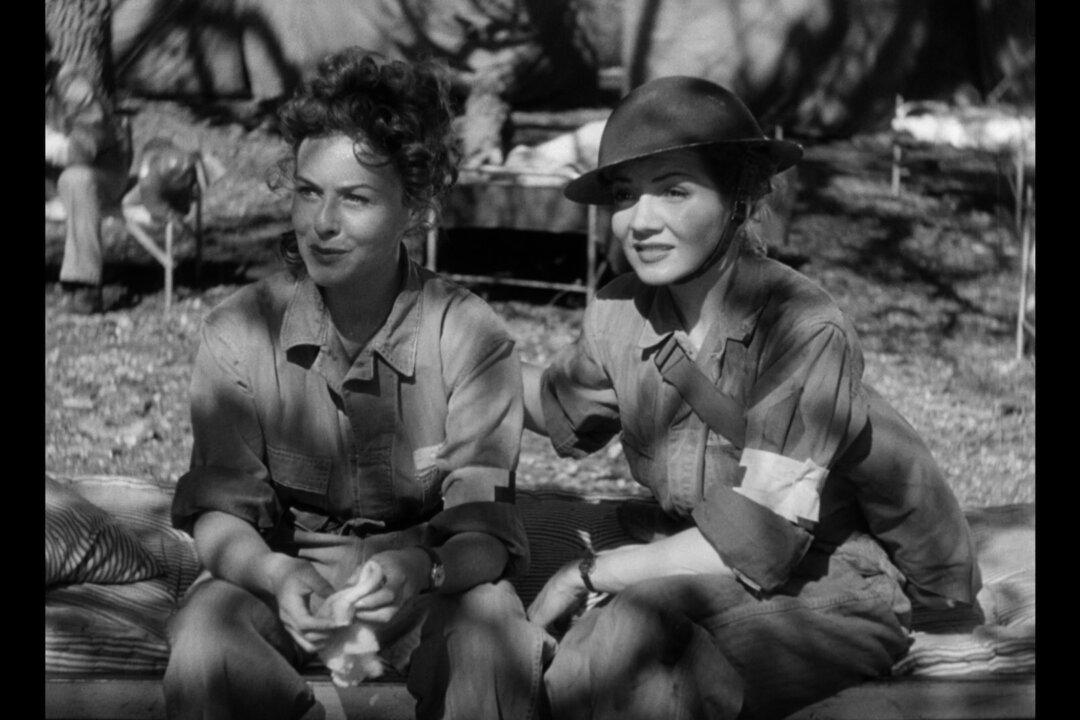
Middle-aged schoolteacher Nora Trinell (Claudette Colbert) anxiously waits to meet a former eighth grader she’d taught decades ago. That boy, Dewey Roberts (Douglas Croft), now a man (John Shepperd), is running for president. Nora’s visiting Washington to wish him well. She hopes to see if the man will remember the days when he was a boy, and perhaps even remember her. Waiting, Nora reminisces about her career via flashback.
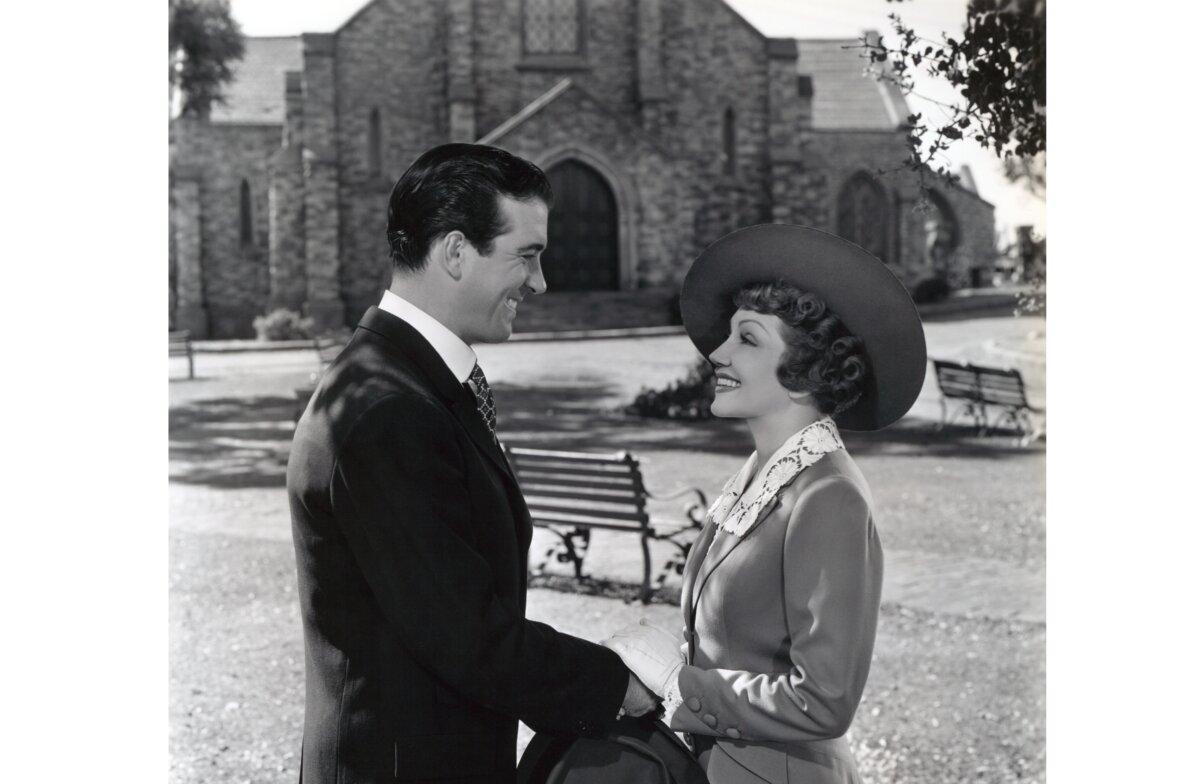
But childishly jealous, Dewey is upset that his beloved teacher is engaged to the man she loves, Dan Hopkins (John Payne). Hopkins, the school’s sports instructor, later joins the Royal Canadian Engineers. To calm the child’s schoolboy crush, Nora takes on a motherly role to teach him about growing up. She hints that maturity comes not from indulging every emotion, but from learning to hold on to what matters and letting go of the rest.
Nostalgia trip done, Nora is presently escorted to meet the grown-up Dewey. She wonders if he took her lessons to heart.


Emotional Balance
Progressive educational policies and practices brainwash children, parents, and teachers into believing that feelings are facts. Over 80 years ago, King’s film and his characters warned against encouraging emotion as an excuse for entitlement.Nora and Dewey’s chats about ship models hint that checks and balances matter. Emotions may appear real, even more so than waves. That doesn’t mean they must dictate every thought and action. A ship’s sail, rudder, and anchor ensure that it isn’t tossed in every direction by rogue waves. Likewise, only a child’s moral code ensures that he’ll grow to be a responsible, respectful adult.
Nora tells an overwrought Dewey, “The way you’re feeling now will pass,” and later, “Stick to your course, sailor.” She demands that her impressionable students set their life’s course to a steadier moral compass, one governed by discipline, deferred gratification, and restraint.
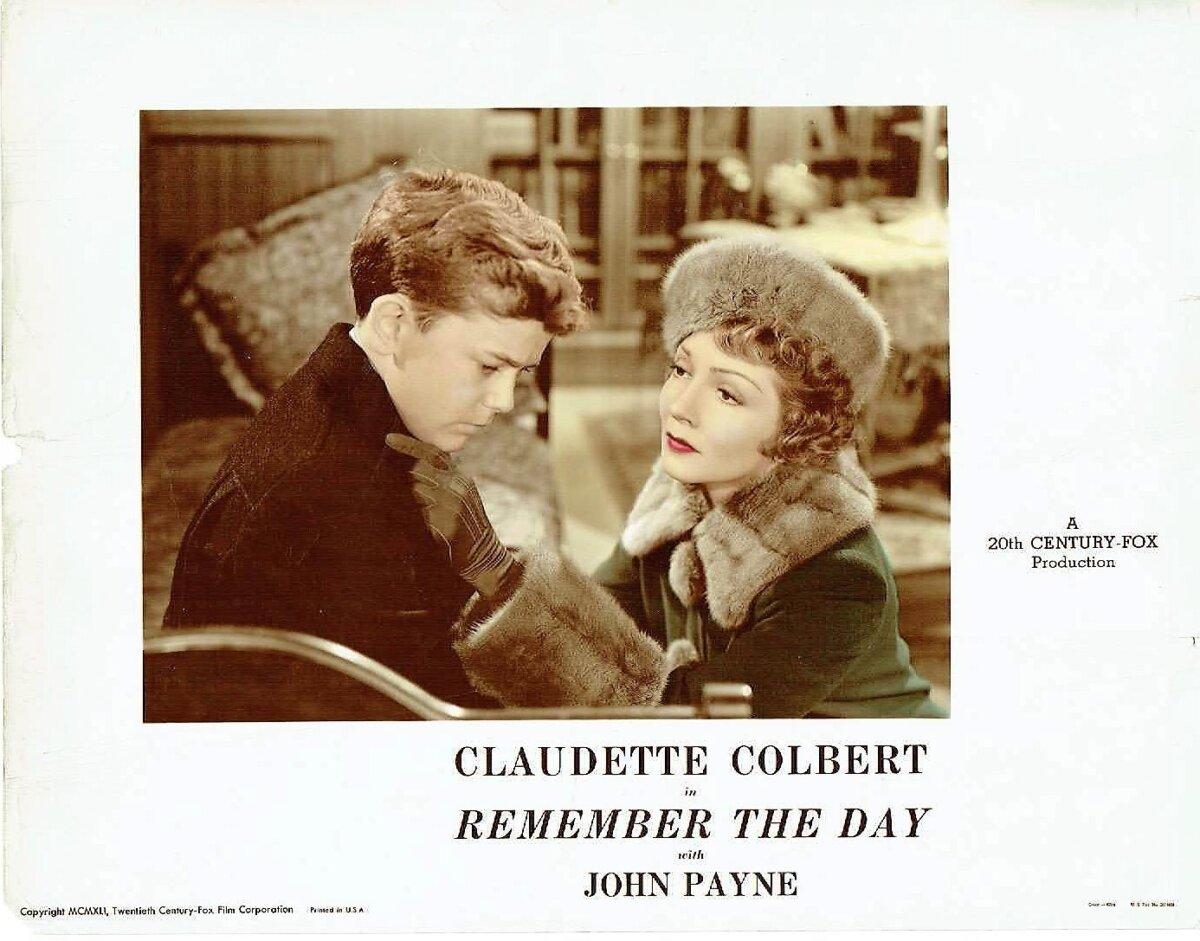
When one student gets out of line, her punitive assignment is for him to write an essay on “why a young man should control his temper.” For their part, her students learn even without first understanding the code of conduct they’re being taught: silently raising their hands in class, awaiting their turn to speak, standing when addressing teachers, asking for permission to enter or leave the classroom.
Once, Dewey is flippant when reciting the Pledge of Allegiance. Nora is firm. The flag is a symbol of the country; he’d better show respect while saluting it by placing his hand over his heart and standing to attention. Through her unbendingly upright conduct, Nora’s saying something else. Parents and teachers aren’t qualified to guide children because they’re adults; they must be morally upright first.
On prioritizing things, Nora recalls to Dewey something her seaman grandfather used to say when threatened with the prospect of sinking in rough seas: “Spill your cargo. It’s the ship that counts.”