NR | 2h 6m | Drama | 1943
Hours after the Japanese bombed Pearl Harbor, they pummeled U.S. bases in the Pacific, especially the Philippines. Those who bore the brunt of that attack included heroic American military nurses stationed at Bataan and Corregidor.
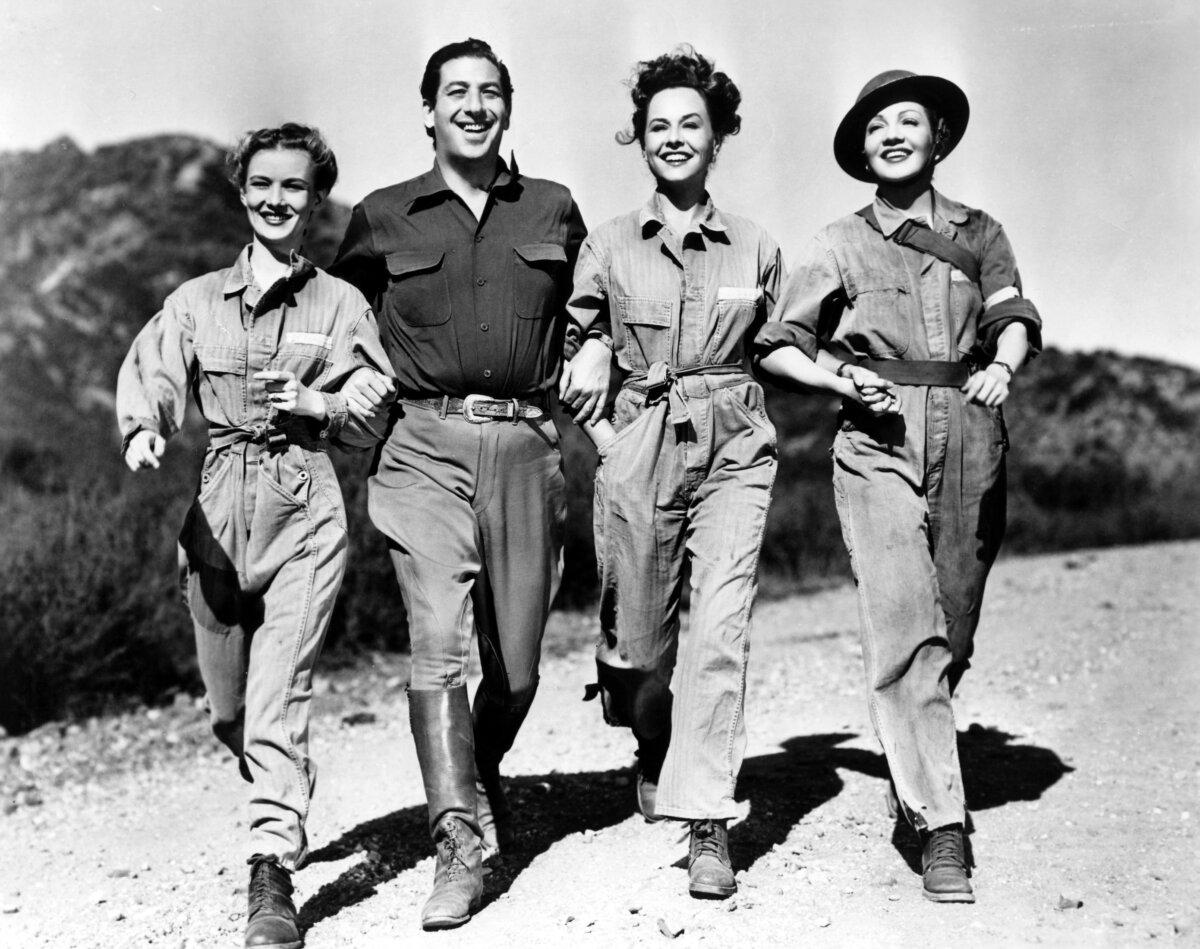
In the film, nurses ordered out to Bataan include Lts. Janet “Davy” Davidson (Claudette Colbert), Joan O’Doul (Paulette Goddard), and Rosemary Larson (Barbara Britton). Companionable and committed, they are prepared to serve, whether nursing Allied soldiers, Japanese POWs, or Filipinos caught up in conflict.
But one nurse who joins their ship, Olivia D’Arcy (Veronica Lake), swears revenge on Japanese soldiers. Her fiancé was killed in a hail of Japanese bullets the day they were to be wed. This chirpy band resolves to preserve life at Bataan. But sullen Olivia tests that resolve, sneaking in for duty at Ward 11, which houses sick and wounded Japanese POWs.
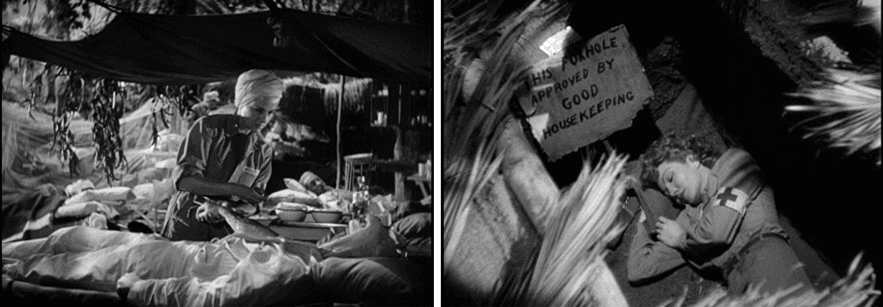
Later, as their makeshift hospital crumbles under relentless Japanese bombing, Davy and team continue work out in the open jungle, as malaria and dysentery tear through the camp. They brave hunger, thirst, and fatigue, and some even fall in love. Davey falls for soldier John Summers (George Reeves), and Joan for Kansas (Sonny Tufts).
Food rations and medical supplies dwindle. A one-cylinder engine provides electricity for their surgery tent. Hastily cleansed garbage cans double as sterilization containers, with soapy and boiling water. Nurses are forced to recycle wound dressings; many succumb to sickness themselves.
As the tragedy at Bataan unravels, beleaguered Allied forces evacuate Davy’s team from Bataan to join doctors and nurses at Corregidor. Then, just when it seems like reinforcements and relief are on the way, Japanese dive bombers cloud the Pacific skies.
They aren’t perfect. They whine about wretched conditions and they long for the feel of home. Without the arrival of promised reinforcements for weeks at a stretch, they cheekily start calling themselves Orphans of Bataan. The thing is, they never want to leave their patients orphaned.
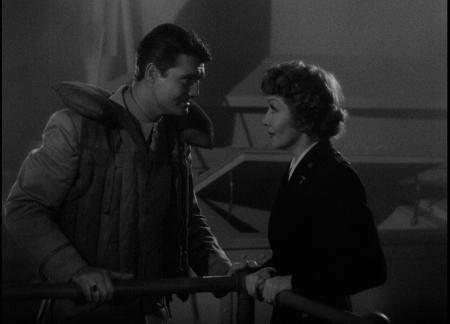
Time is a recurring theme; everyone’s aware they have so little of it. Lovers savor their precious few moments together. An aging nurse rues the day on which her soldier son died before he could see his newborn son back home.
There is no time to wait for any rescue team; if they do, they'll all die in the face of the advancing enemy. One nurse sacrifices herself wielding an open grenade as she walks into an enemy camp, giving her corps time to escape.
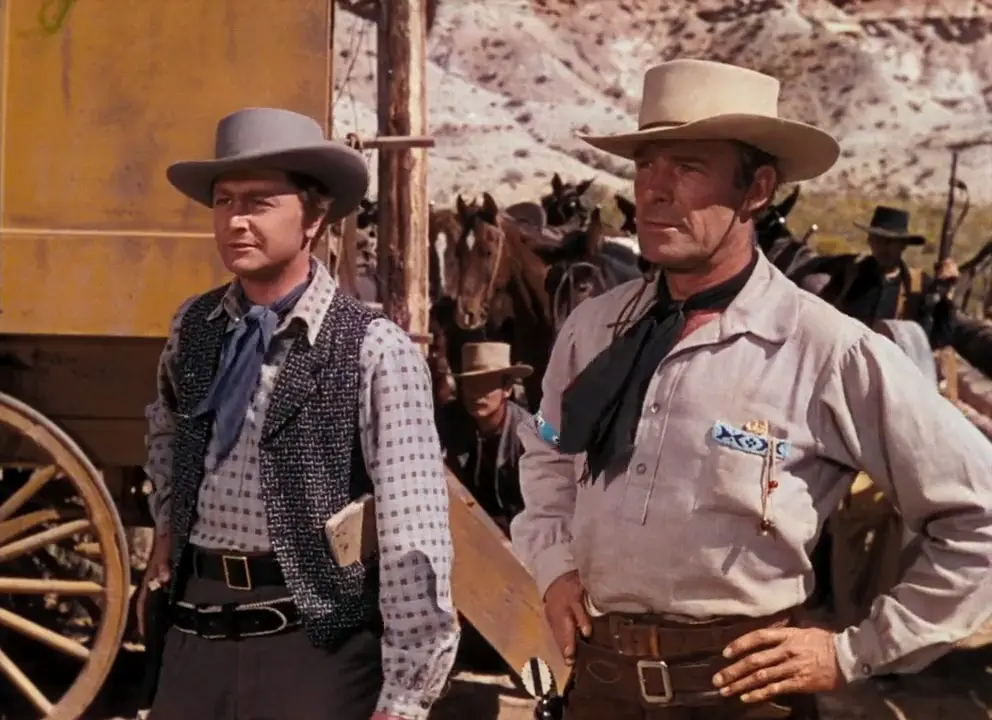
Reeves cuts a striking figure as Summers, nearly a decade before he’d play the character who’d define him: Superman. Joan here regales Filipino children with the exploits of a comic-book superhero. Guess who?
Hearing medics wonder if his wounded leg might get infected, Summers quips that it’s unlikely because it’s probably a piece of good American “steel.” That was years before he’d play The Man of Steel. Sonny Tufts shines as the goofy Kansas, lightening the otherwise grim mood.
This sober film marked a change for producer-director Mark Sandrich, known for his breezy Fred Astaire-Ginger Rogers musical comedies. His storytelling suggests that people don’t put their lives on hold because a war is on.
Defiantly human, they embrace life and love instead of cleaving to death and destruction around them. They dance, they sing, they write letters to each other. They get married and they even have children. Sample the military chaplain’s Christmas Eve sermon.
As the chaplain, silken-voiced Walter Abel says “We’re a sentimental people, and I think we’re proud of it. Despite the fact that our enemies deride us for it, it makes us the stronger.”
He goes on to say, only fierce belief in cherished values makes a people fight to protect those very beliefs.
These nurses fight, too. They fight not with bombs and bullets, but with a bravery that places life and love above everything else. Here a doctor is unable to save a pregnant mother, but watch the faces of those nurses light up at the sight of her baby, alive and well.