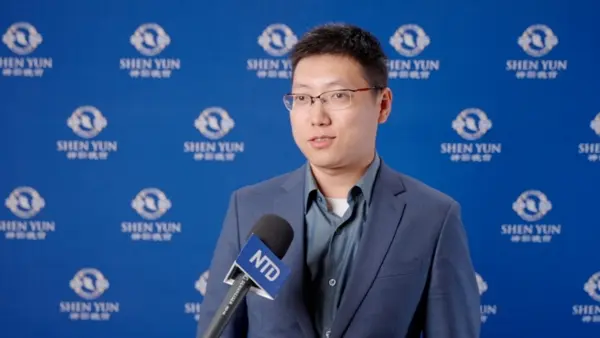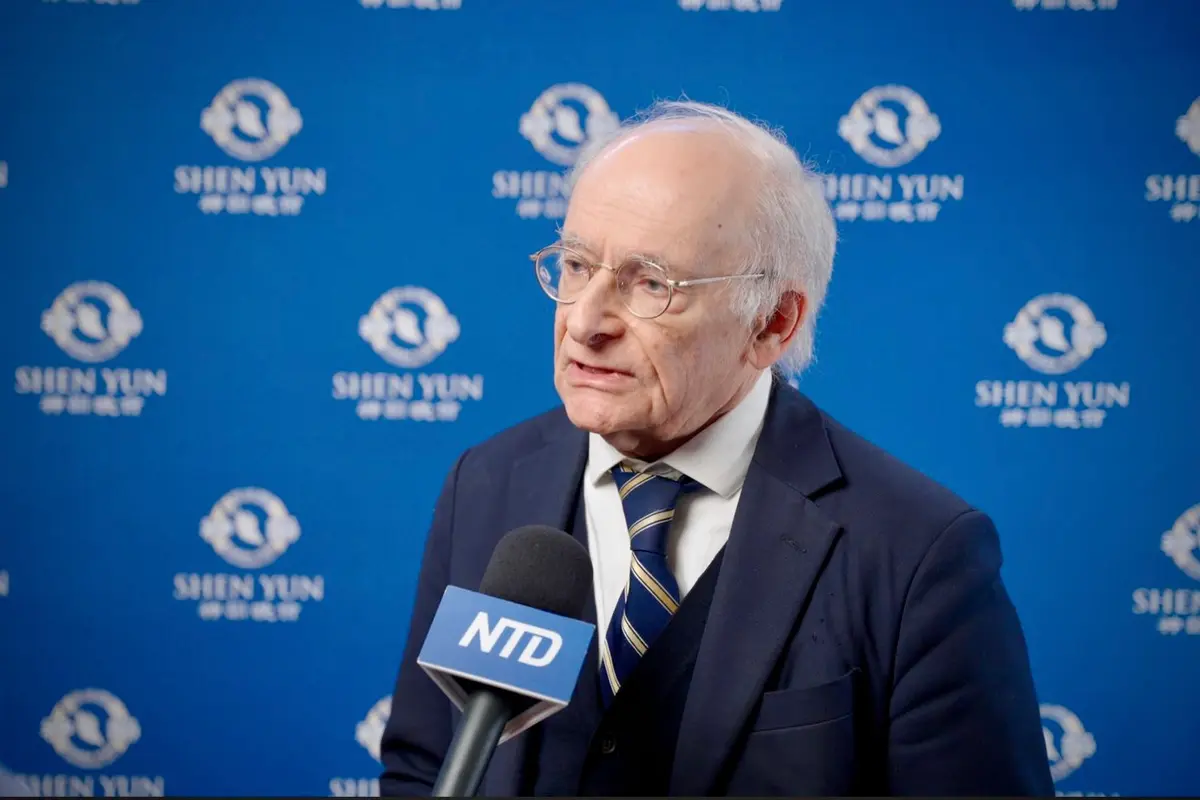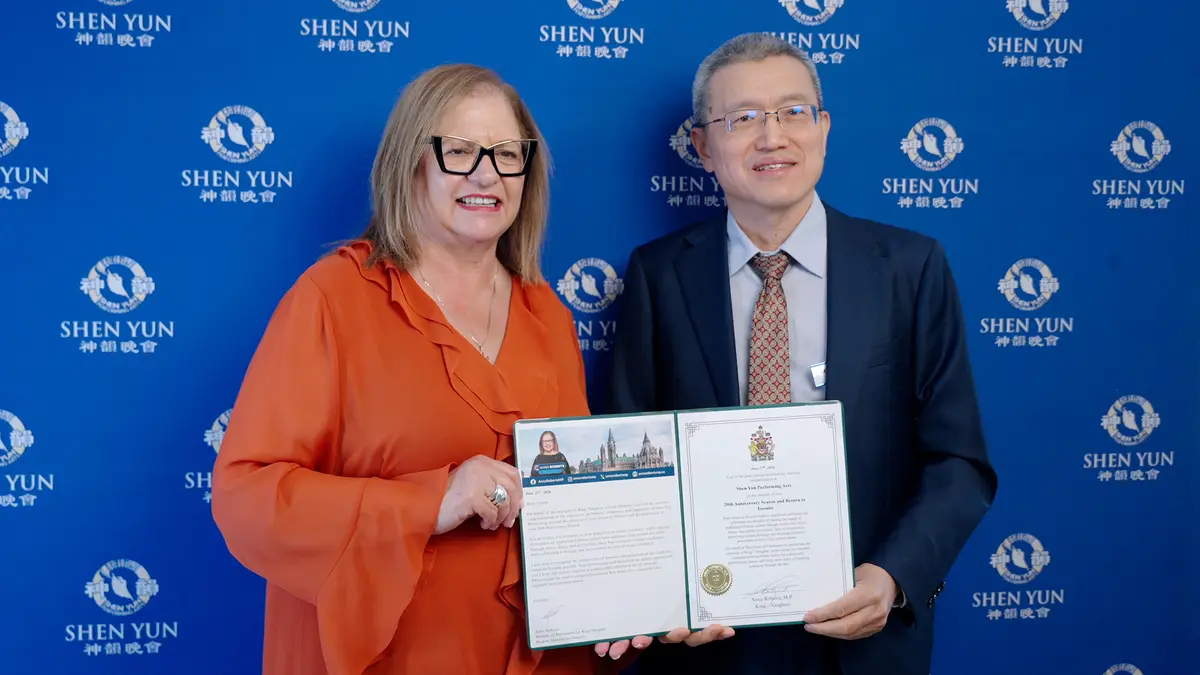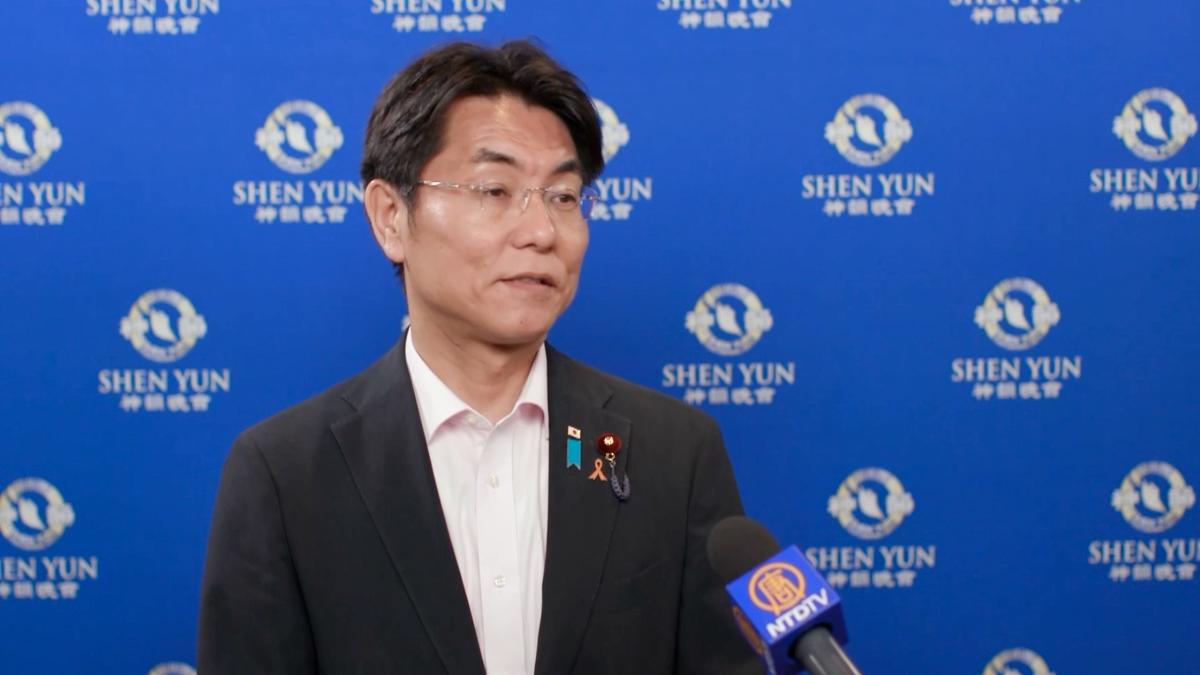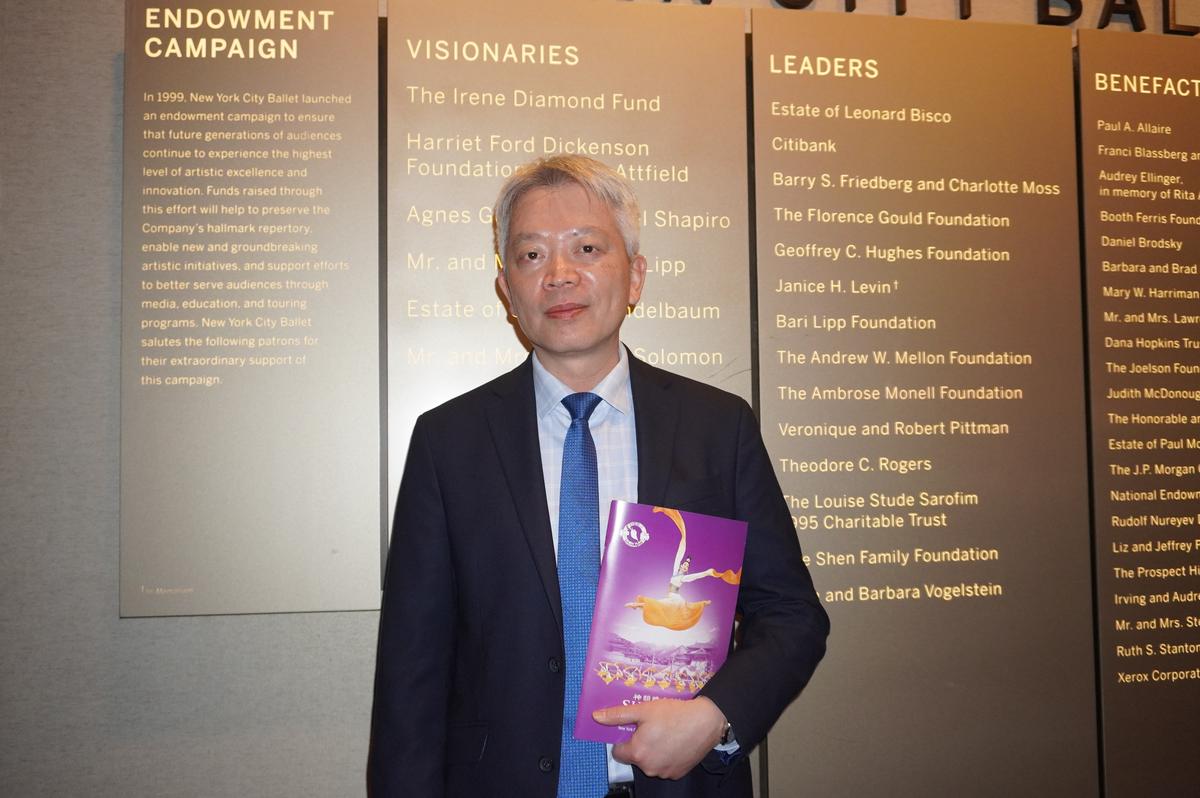

NEW YORK CITY—Shen Yun is helping Western audiences rediscover China’s traditional culture from before communist rule—serving as “a very effective messenger,” said Lee Chih-chiang, Director-General of the Taipei Economic and Cultural Office in New York.
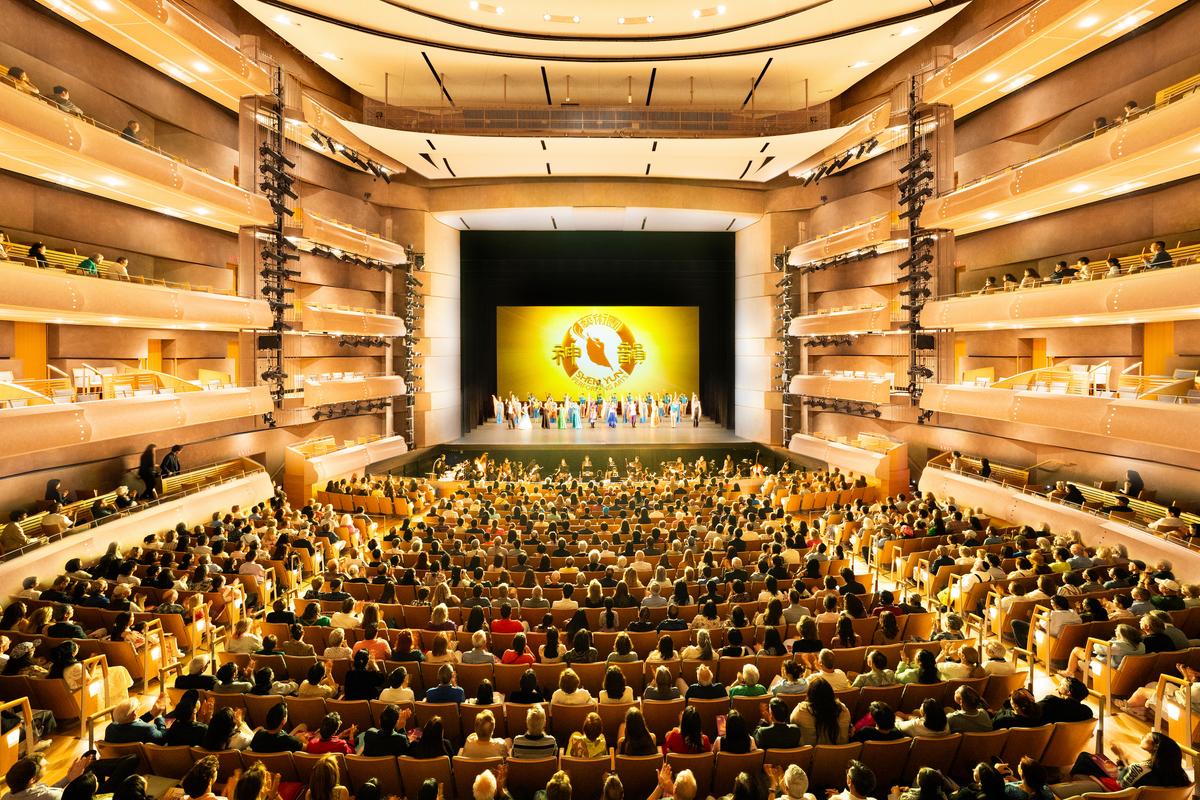
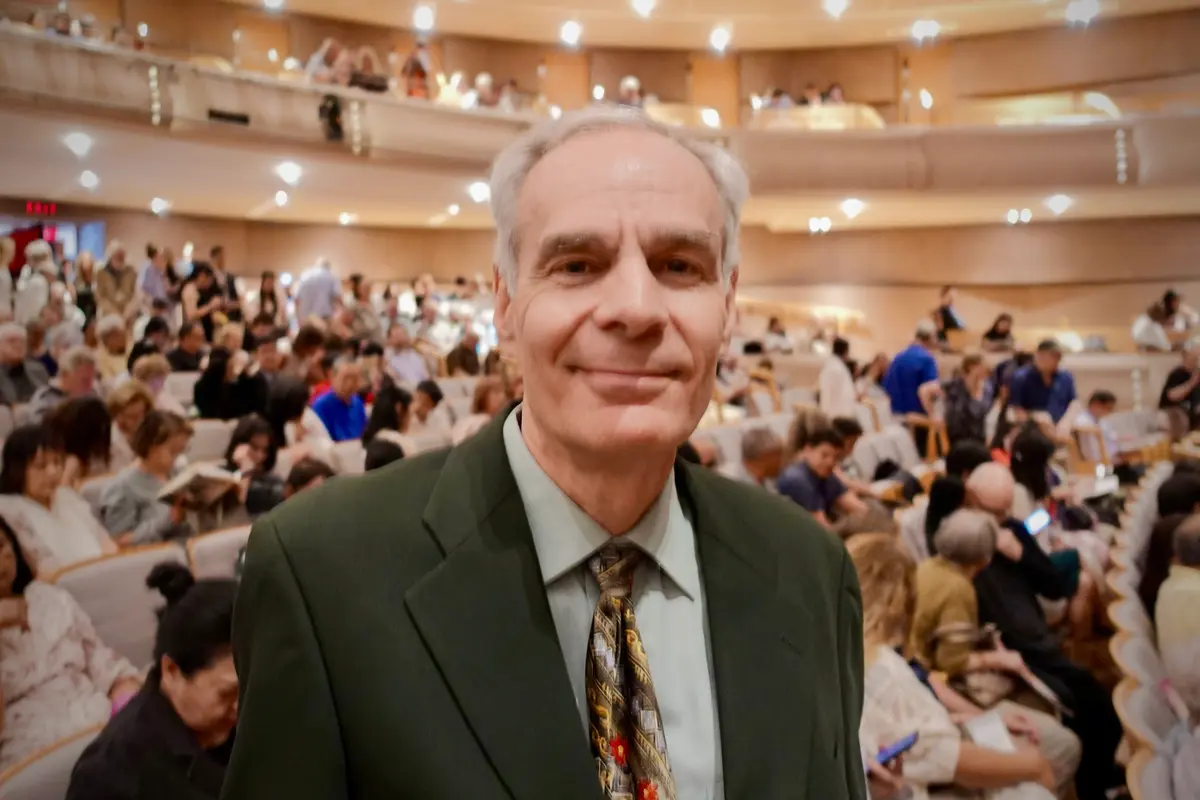
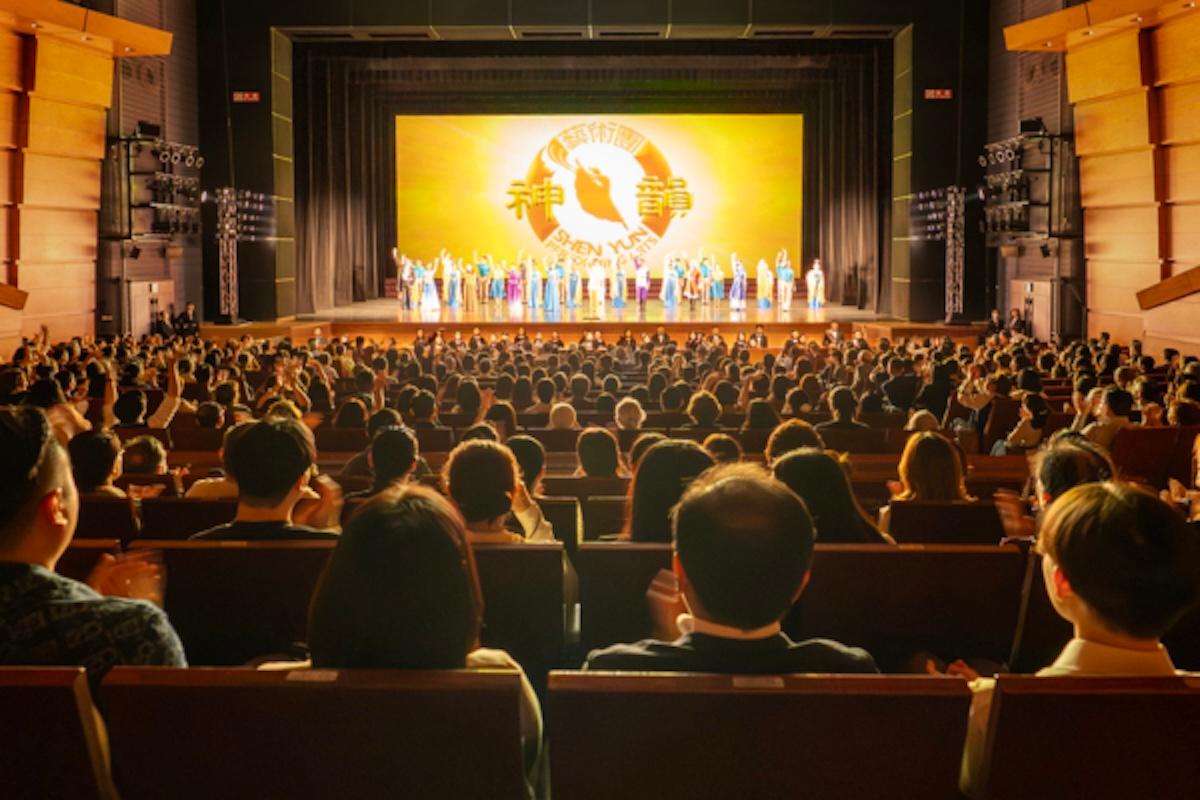
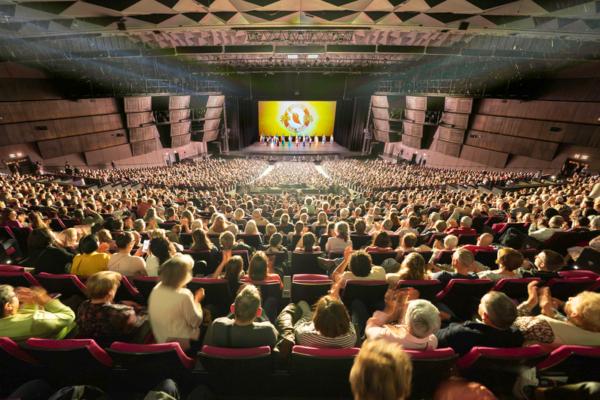
On the afternoon of April 8, the David H. Koch Theater at Lincoln Center in New York was filled to capacity for Shen Yun New York Company’s 13th local performance of the 2026 season. On a stage free from censorship, audience members experienced what many described as authentic, traditional Chinese culture.
Mr. Lee is a seasoned career diplomat with extensive experience. He has served as Taiwan’s ambassador to St. Kitts and Nevis, director of the Vancouver office, and director-general of the Ministry of Foreign Affairs’ Department of Protocol, among other key positions.
Reflecting on the April 8 performance, Mr. Lee noted that he had previously seen Shen Yun in Taiwan several years ago. This time at Lincoln Center, however, he found the production refreshingly different, offering a renewed sense of novelty.
He was particularly impressed by the dancers’ technical mastery. Recalling one memorable moment, he said, “There’s a scene where all the female dancers lift one leg straight up—that’s really not easy.” He added, “Can you do that? I guess most of us couldn’t even lift our legs to half the height they reach. It really shows how strong their fundamentals are.”
Mr. Lee also gave high praise to the live orchestra: “Because the music is performed live, it sounds completely different from recorded audio. Hearing it in person is truly wonderful.”
In addition, he commended the stage design as highly creative: “The interaction between the digital backdrop and the dancers is quite interesting—I really liked it.”
Speaking about the production as a whole—integrating dance, music, and digital backdrop—Mr. Lee said that such coordination is “extremely difficult.” He explained, “Where the dancers move, the music has to end precisely at that moment. That level of synchronization is not easy.”
He underscored the effort behind the performance: “Overall, both the music and dance are both excellent. You can tell they train very well—otherwise it would be very, very difficult to align every timing point so perfectly.”
Mr. Lee strongly agreed with this mission. He noted that the performance’s powerful sense of cohesion stems from its deep cultural foundation.
He also observed that the male dancers skillfully incorporate elements of traditional Chinese martial arts, adding, “It’s unfortunate that the Communist Party has taken away these cultural elements.”
Mr. Lee further noted that this form of transnational repression is not limited to Falun Gong practitioners but also affects many Taiwanese citizens and politicians. He explained that those who express views the Chinese Communist Party finds “unpleasant” may be placed on blacklists and could even face the risk of detention or searches when passing through Hong Kong.
In contrast, Mr. Lee stressed that Taiwan itself stands as a powerful counterexample. “Taiwan’s value lies in demonstrating the freedom and human rights of a democratic society,” he said.
Although Shen Yun is currently unable to perform in China, Mr. Lee believes this vision will one day be realized. He concluded by reiterating his praise: Shen Yun brings traditional culture to Western audiences and helps them understand what Chinese culture was like before communism—making it “a very, very effective messenger.”