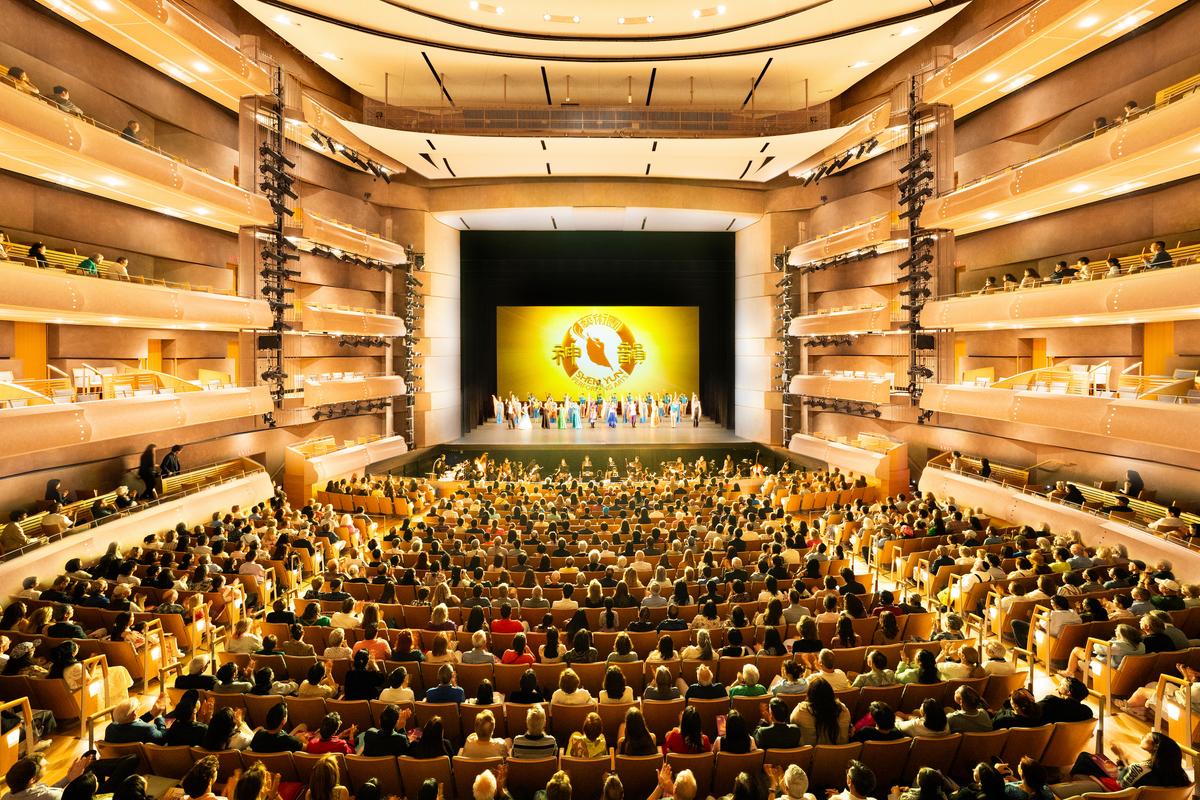
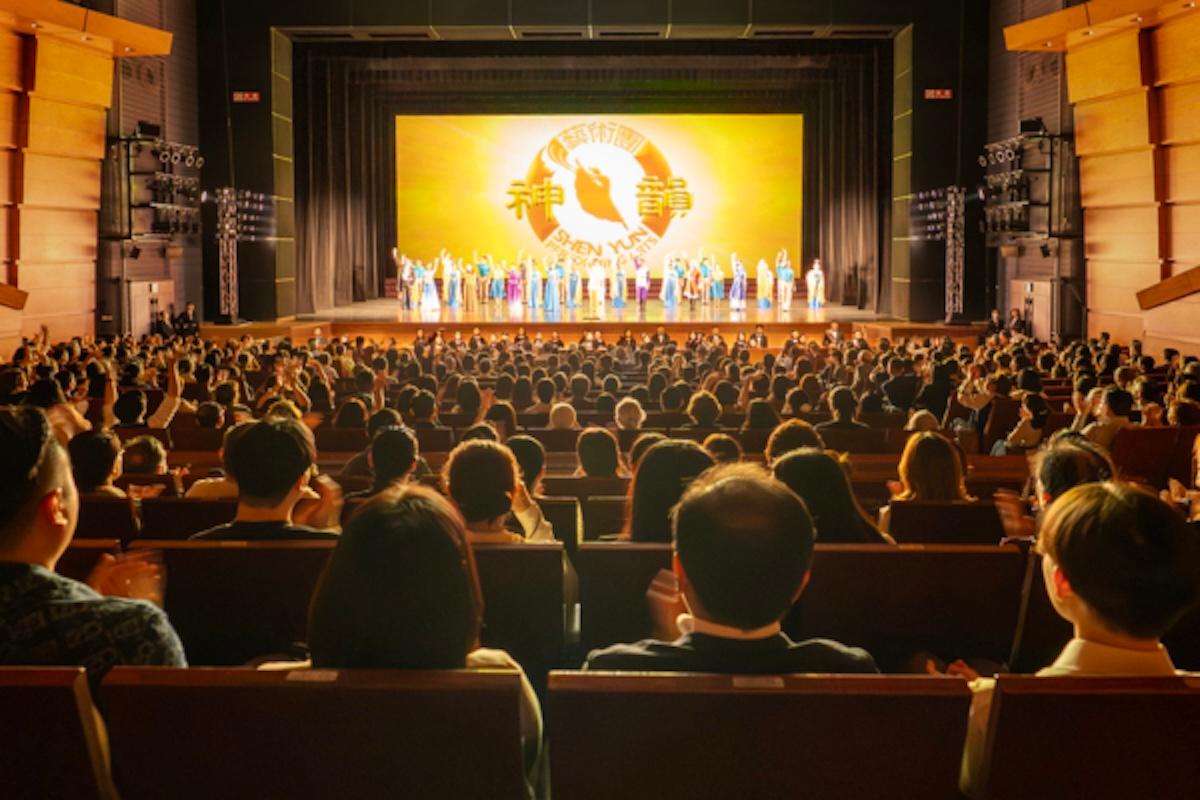
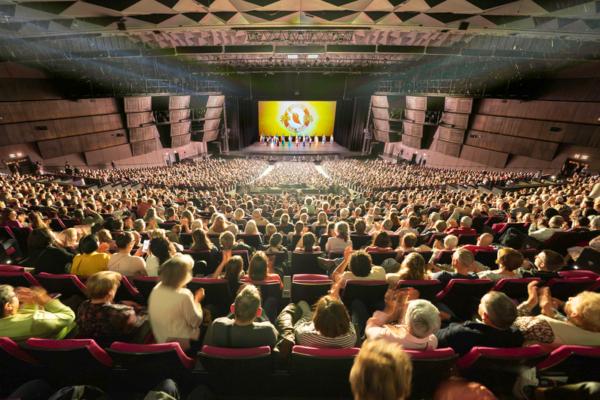
BILBAO, Spain—On the evening of March 5, Shen Yun Performing Arts presented its third performance in Bilbao at the Palacio Euskalduna, bringing the company’s run in the northern Spanish city to a successful close. All three performances were sold out, and many audience members expressed hopes that Shen Yun would return in the future with more shows to meet the strong demand.
The enthusiastic reception and strong ticket sales delighted the theater and local organizers. Both the Spanish presenter of Shen Yun and the management of the Palacio Euskalduna expressed their hope to invite the company back for more performances, with the aspiration that Bilbao could become a regular performance hub for Shen Yun in northern Spain.
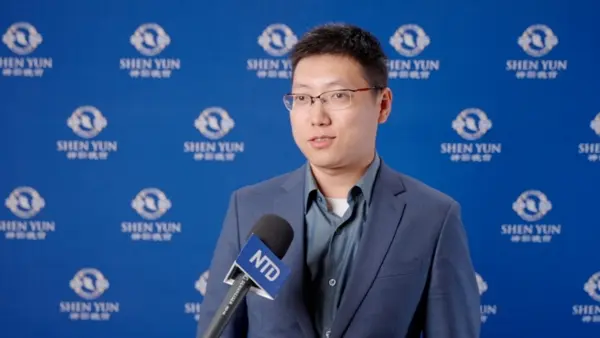
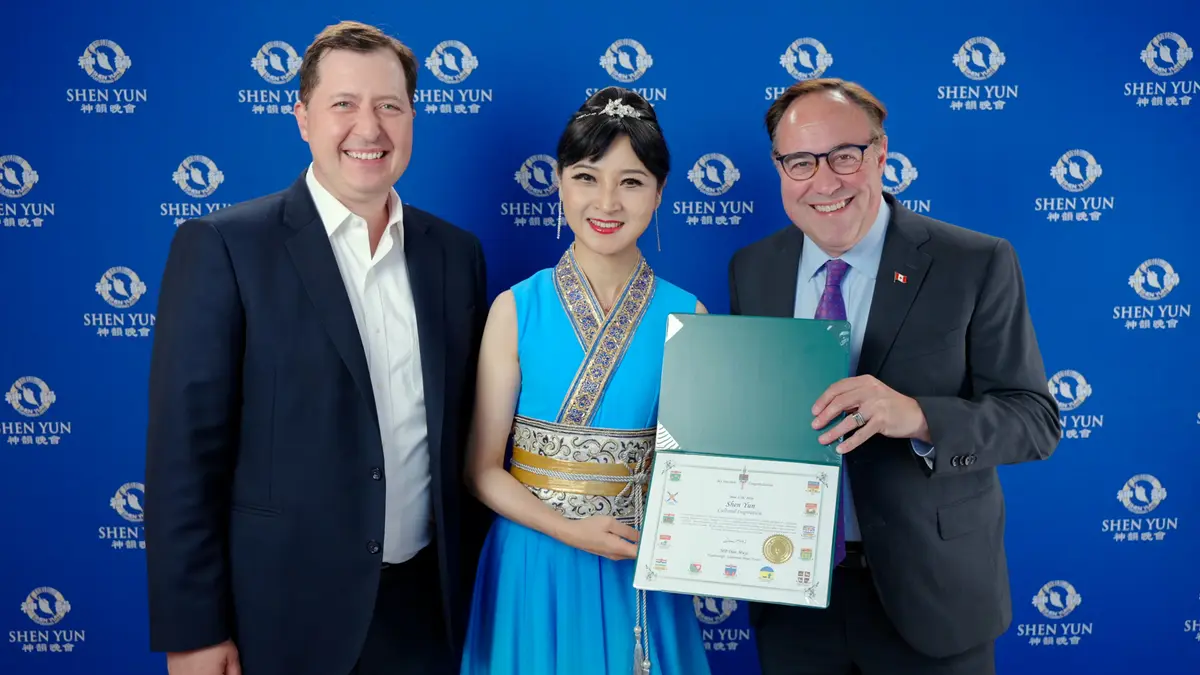
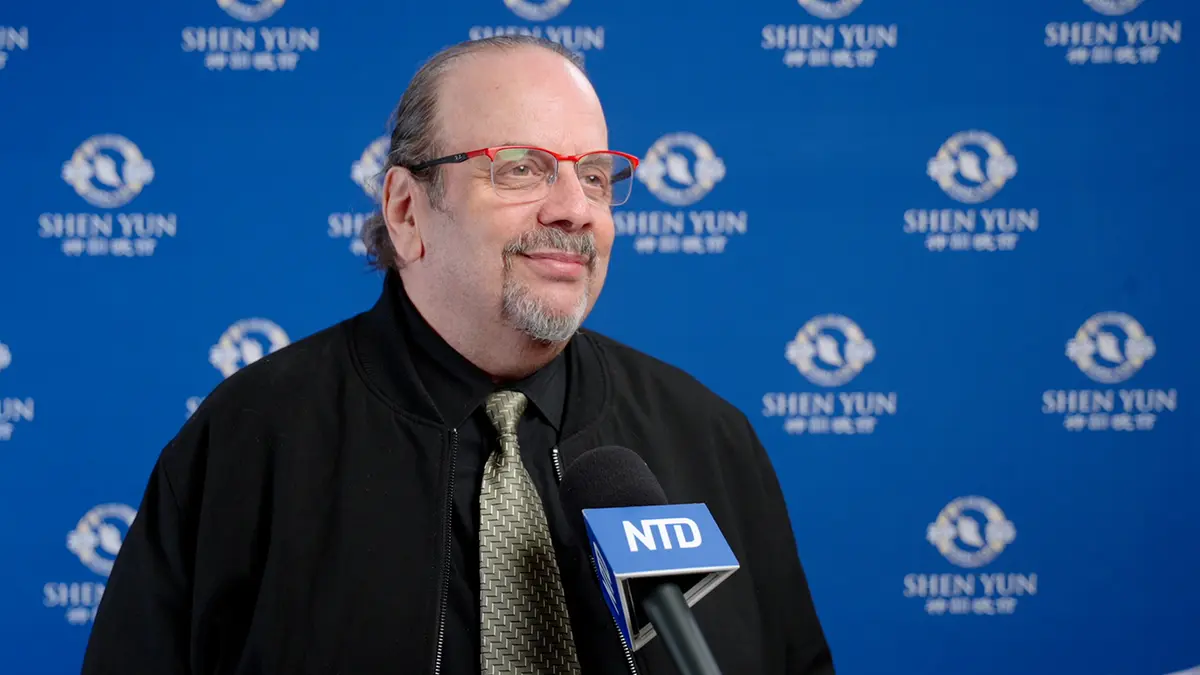
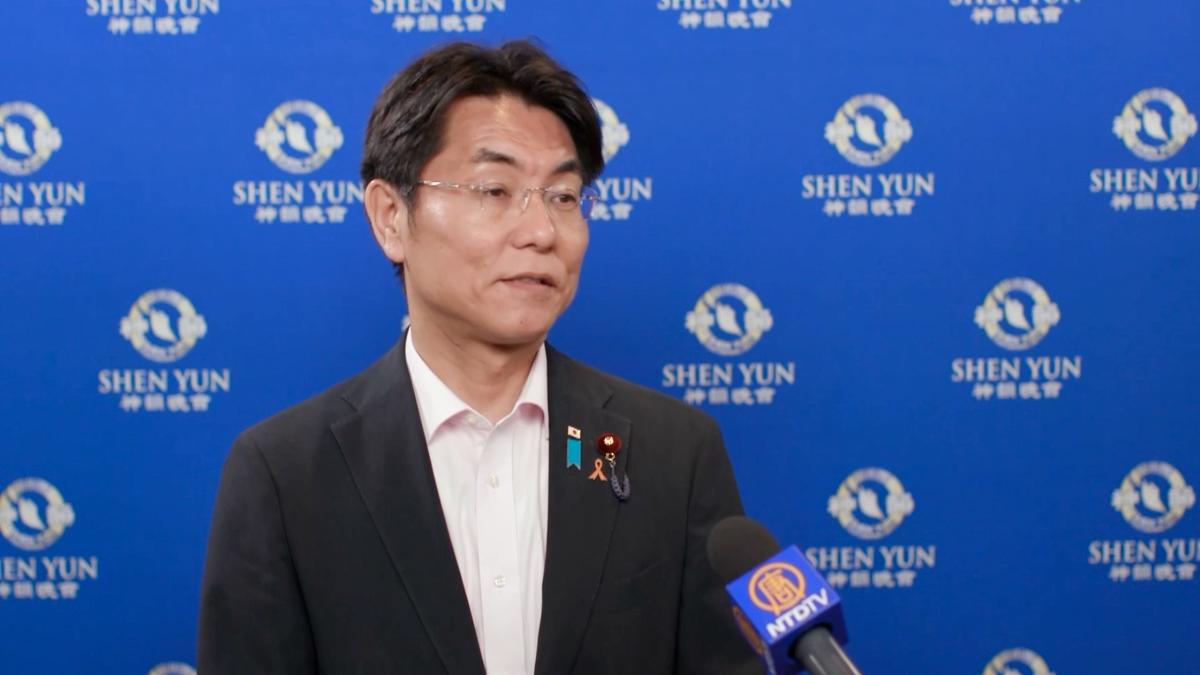
Among the audience that evening was Gonzalo Olabarría Villota, councilor for culture and governance for the Bilbao City Council. Mr. Olabarría attended the performance with his wife, and both said they enjoyed the show’s distinctive elegance and beautiful Eastern style.
Mr. Olabarría plays an important role in Bilbao’s cultural life. As the city’s cultural representative and a member of its cultural and education committee, he helps plan and promote arts and cultural activities in the city and is part of the Bilbao mayor’s governing team.
He shared that his decision to attend the performance came about in an unexpected way. Initially, he had not planned to see the show, but after receiving a letter from the Chinese consulate attempting to discourage Shen Yun’s performance in Bilbao, he decided to purchase tickets.
After seeing the performance, Mr. Olabarría expressed strong appreciation for the artistry on stage.
“I would say it has a very Eastern aesthetic, with very vivid colors and very pleasant music that reminds us of the East,” he said.
“These sounds are very different from what we are used to,” Mr. Olabarría said. “They evoke that world for us—something magical, something exotic from the East.”
“I really liked the tenor and the song he sang,” he said. “Of course, I followed the translation of the lyrics, and it was very good.”
Shen Yun’s mission to revive traditional Chinese culture resonated strongly with Mr. Olabarría.
“As someone who works in culture, I find it very interesting to showcase tradition,” he said. “Tradition is never at odds with modernity. It is necessary to preserve our traditions so we can pass them on to our children and grandchildren.”
Noting that Shen Yun is still unable to perform in China and has faced attempts by Beijing to disrupt its overseas performances, Mr. Olabarría emphasized the importance of cultural freedom.
“I am in favor of all cultural expressions being able to be seen everywhere in the world,” he said. “The only barrier should be people’s own taste. If someone doesn’t want to go, they don’t have to—but if they want to attend, they should have the opportunity.”
The performance also includes a piece reflecting the situation of human rights in China and the persecution faced by spiritual practitioners under the Chinese Communist regime. Commenting on this, Mr. Olabarría said respect for human rights must come first.
“Above all, I respect human rights and the Universal Declaration of Human Rights,” he said. “Every people has the right to decide [their] future. People must be free to decide how they want to live, under what system they want to live, and what kind of life they want to have.”
In closing, Mr. Olabarría thanked the Shen Yun artists for bringing “such a beautiful performance.”
“They are doing a wonderful job—please keep going,” he said. “I imagine it requires very demanding work and many hours of rehearsal to achieve such harmony and present such a beautiful show.”
He added that he would gladly recommend the performance to friends and family.
“I would tell them they will see something very different from what we are used to,” he said. “It is a very complete show, with very pleasant music and very carefully coordinated choreography. Everything works together beautifully and leaves people with a wonderful feeling.”