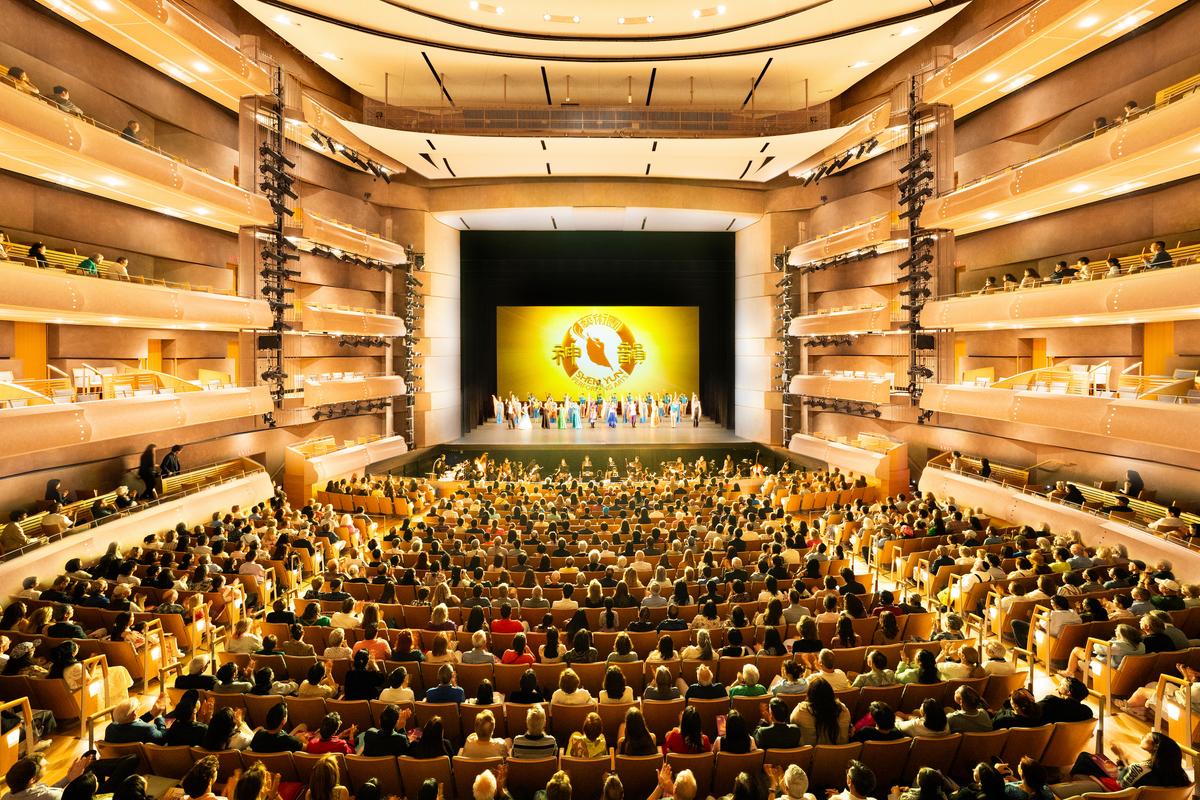
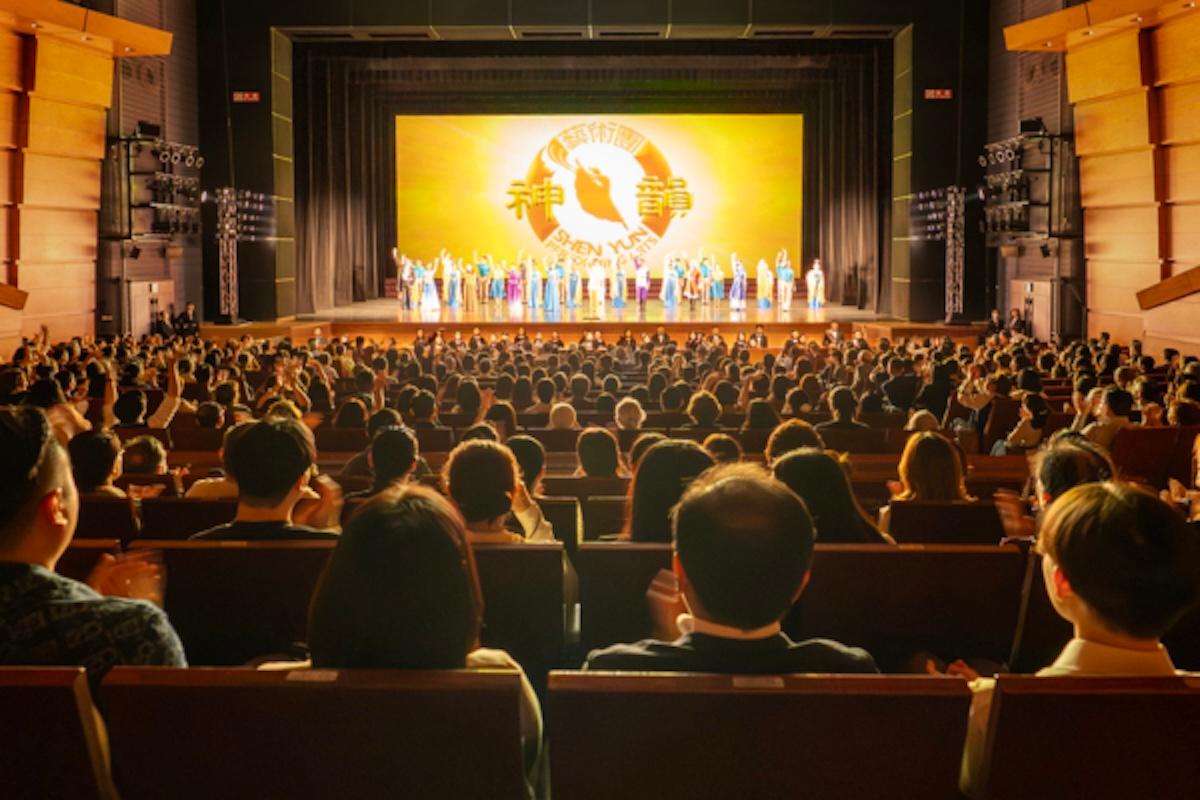
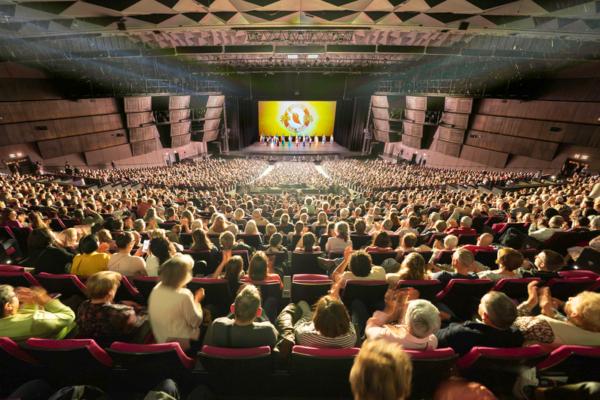
KAMAKURA, Japan—From April 17 to 19, the U.S.-based Shen Yun New Era Company presented four performances at the Kamakura Performing Arts Center.
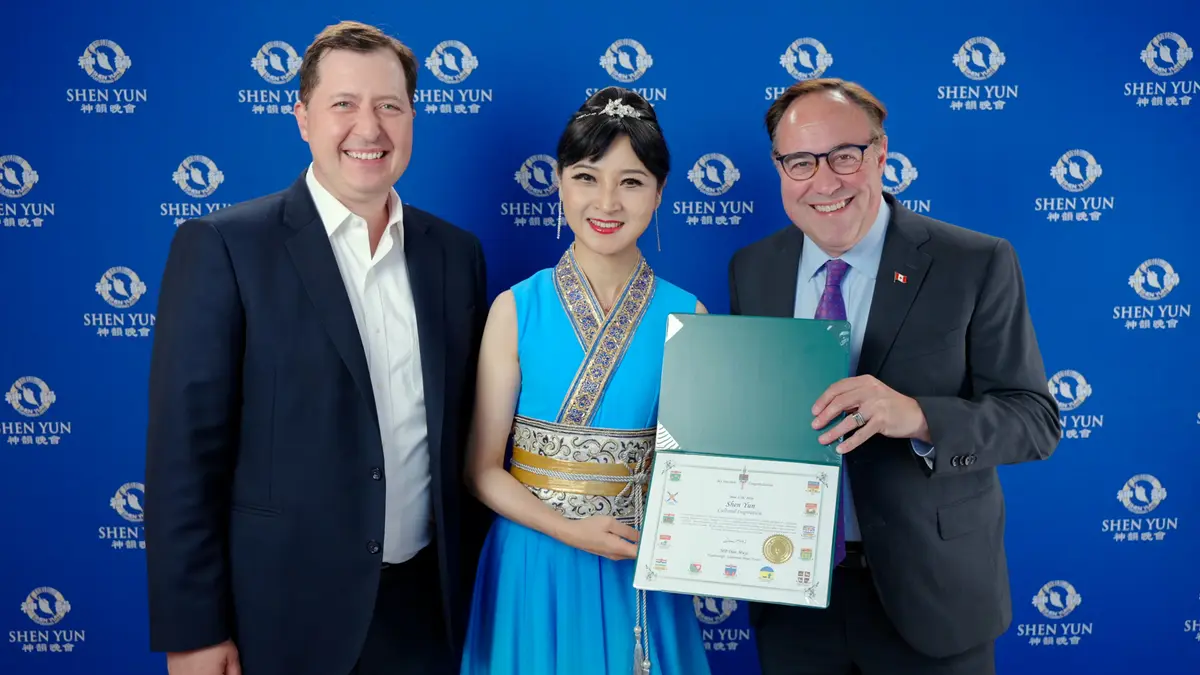
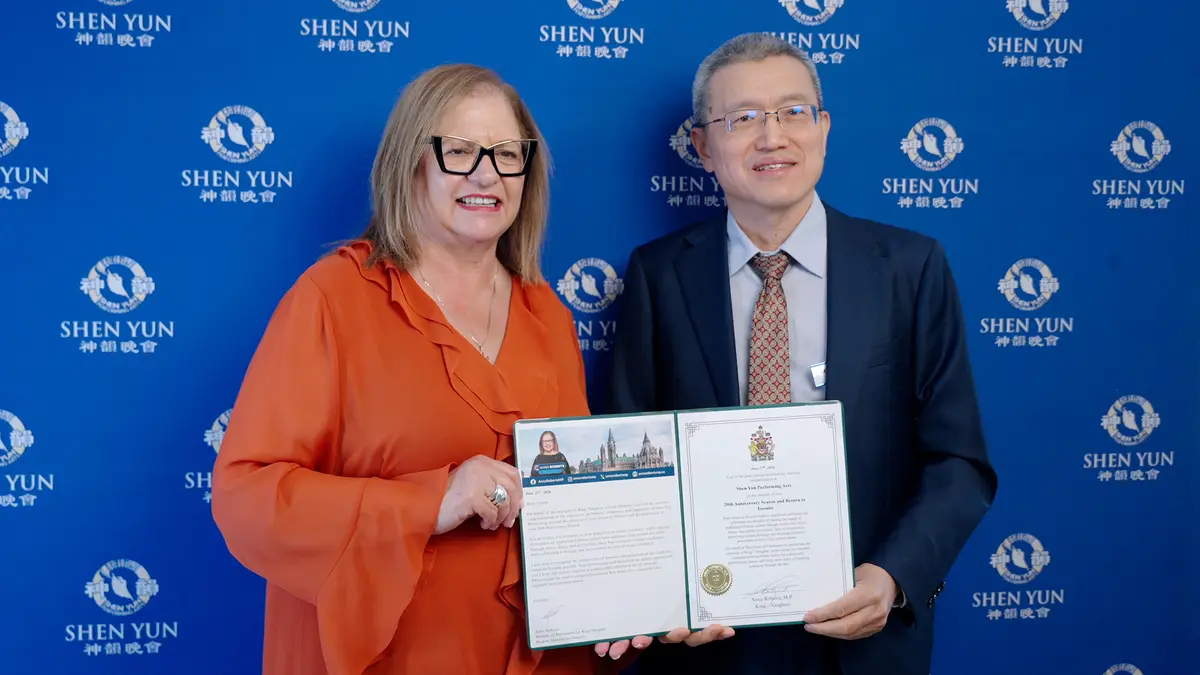
In his message to Shen Yun’s organizers in Japan, President Lai wrote, “I am pleased to learn that Shen Yun Performing Arts will tour Japan from April 17 to May 13 this year. I extend my sincere congratulations on this occasion.
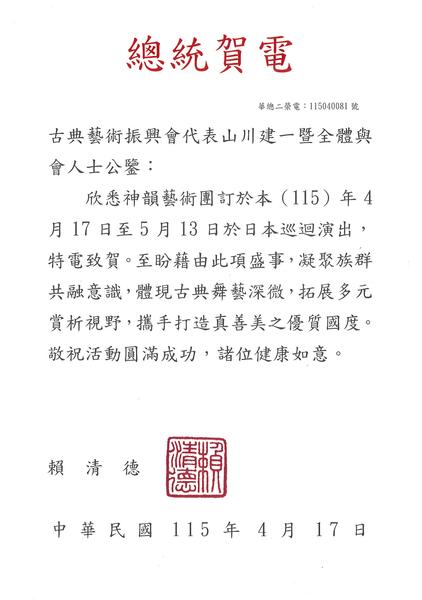
“It is my hope that this grand event will help foster a spirit of inclusiveness among diverse communities, showcase the profound beauty of classical dance, broaden perspectives in artistic appreciation, and contribute to building a society enriched by truth, compassion, and beauty. I wish the event great success and all participants good health and happiness,” he added.
Former Agriculture Official: ‘I See a China Very Different from Modern China’
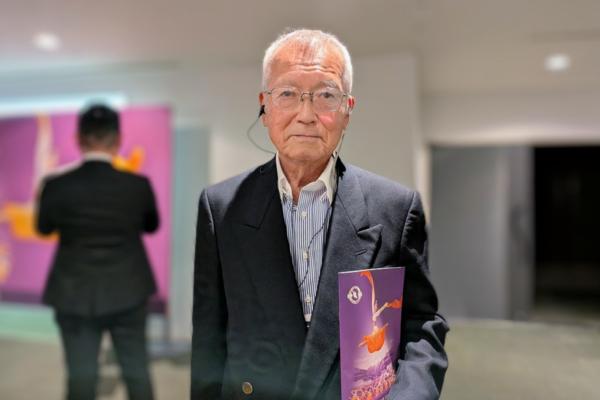
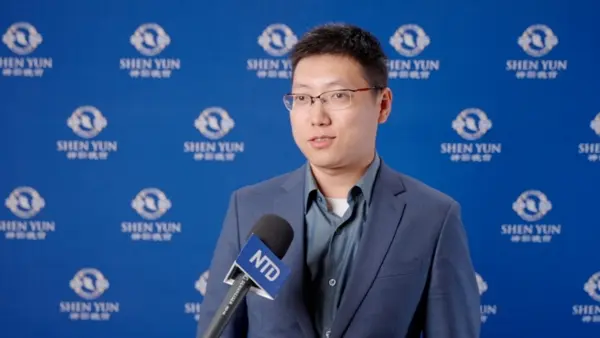
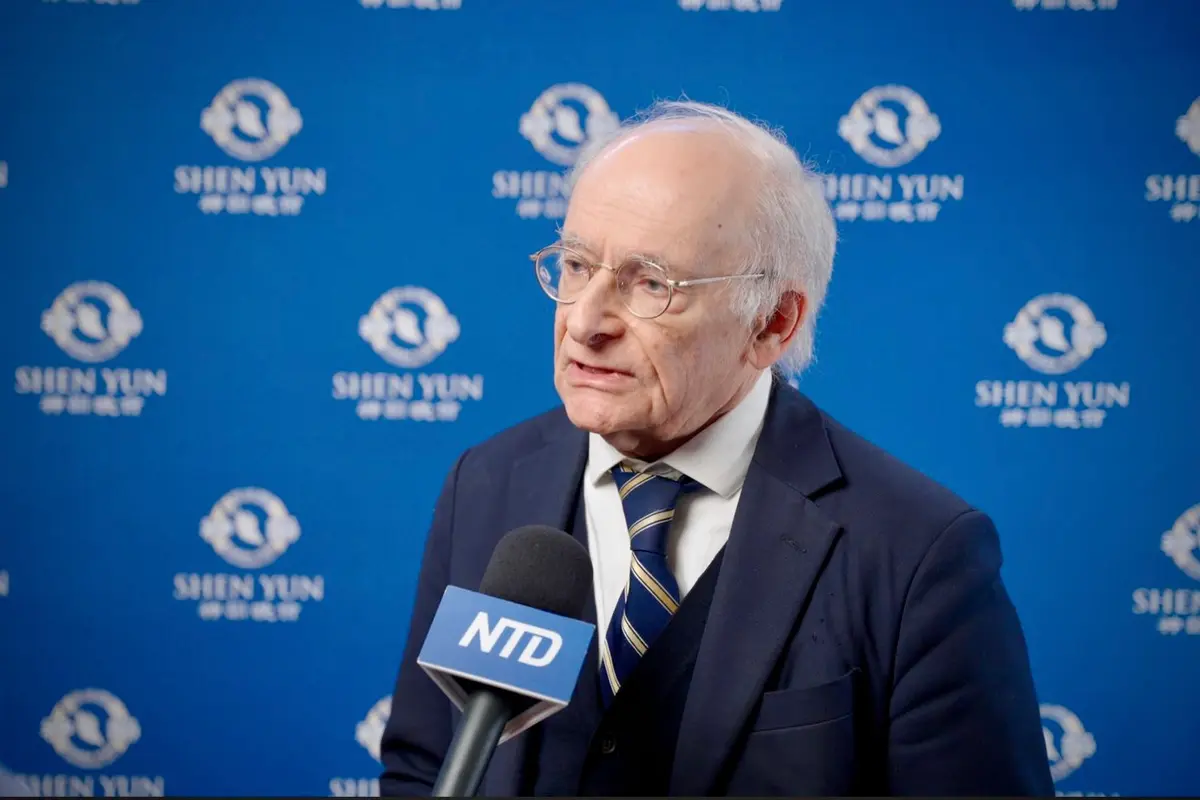
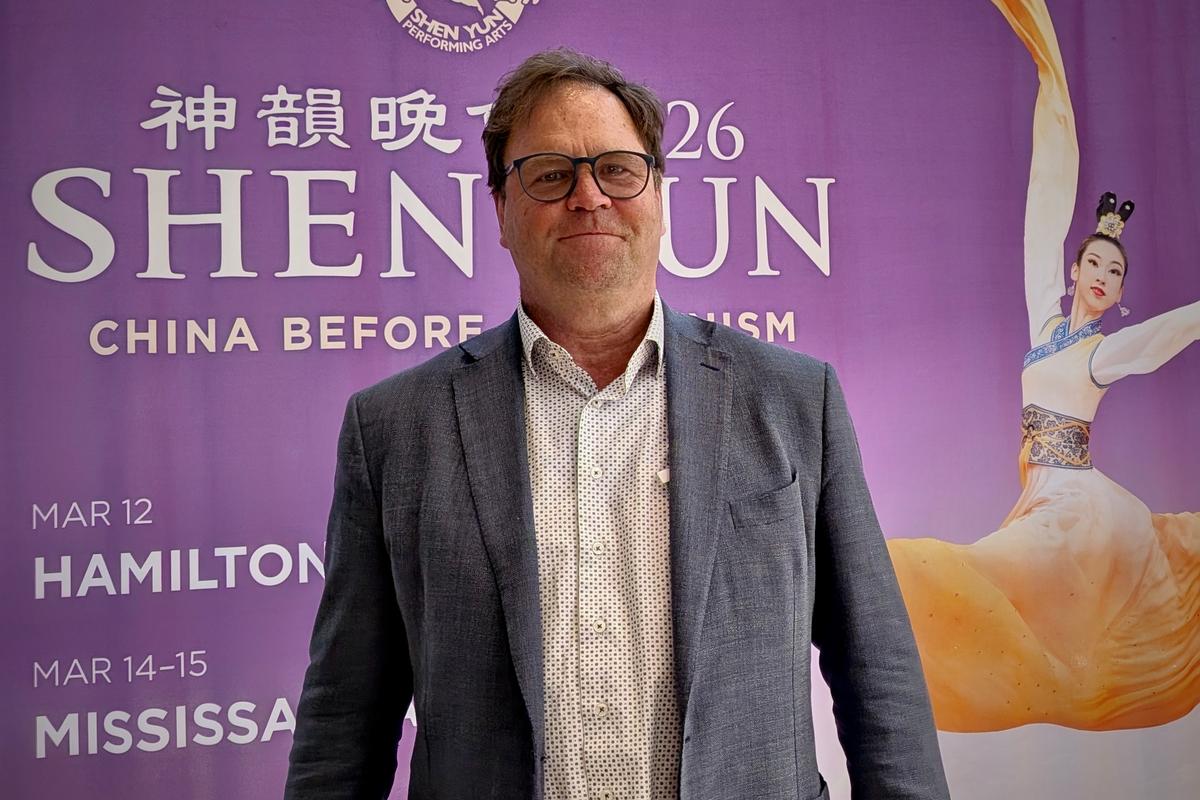
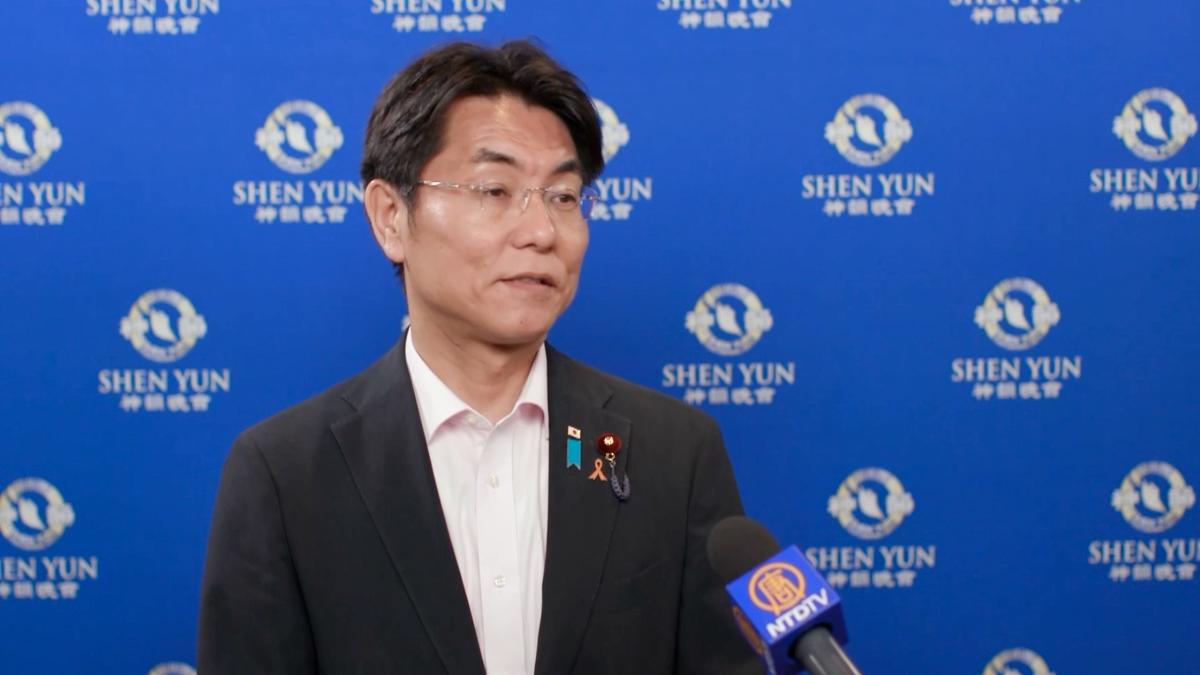
“Amid the monotony of everyday life, being able to witness such an extraordinary performance is truly exhilarating,” Yamaguchi Haruyoshi, former vice director of the Japan Agricultural Cooperative, said after attending the evening performance on April 17.
“You can clearly feel that the performers have undergone very rigorous training, which I especially admire. Before I knew it, I was completely drawn into the program,” he said. “The softness of the movements and the perfectly synchronized beauty are truly of a rare, high caliber. It can only be described as ‘outstanding.’”
Beyond the technical excellence, Shen Yun’s storytelling also left a strong impression on him.
“The various short dance dramas were excellent,” he noted. “One of them, which depicted the persecution of Falun Gong, carried some contemporary political elements, but I believe such content is necessary. I think other audience members may feel the same—in fact, it even brings a sense of reassurance.”
Mr. Yamaguchi elaborated that this sense of reassurance stems from the contrast between the performance and modern-day perceptions of China.
“The ‘China’ presented in the performance is completely different from the ‘China’ we usually hear about,” he said. “Today’s China is filled with ideological indoctrination and a sense of struggle, which people outside would instinctively reject. But what is shown here clearly comes from a different source. It presents an entirely different image—one that feels approachable.”
He added that the values conveyed through the performance resonate universally. “Traditional values encourage people to be good, and people all over the world—including those in China—can resonate with this message,” he said.
“It’s not something you usually have the chance to hear, so being able to experience a live solo was very special. The impact of a live performance is completely different,” he said.
“That wonderful feeling is hard to put into words. The music conveys emotion and energy, and it carries my own feelings along with it. At times, the melody made my chest feel warm. I thought, ‘Wow, this is so beautiful.’ It’s not something that can be explained rationally. It touches you deep inside.”
Deeply moved by the experience, Mr. Yamaguchi said he would readily recommend Shen Yun to others.
Former Airline Executive: An Extraordinary Artistic Ensemble
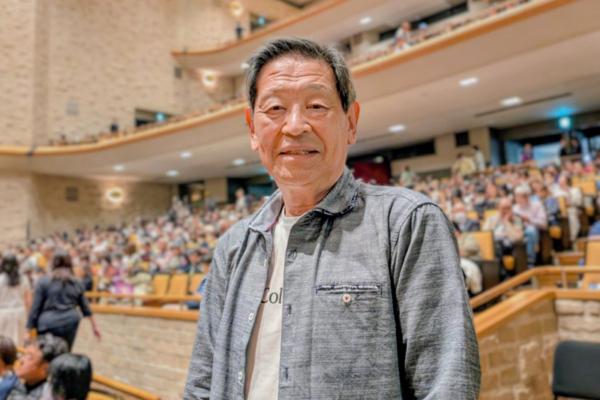
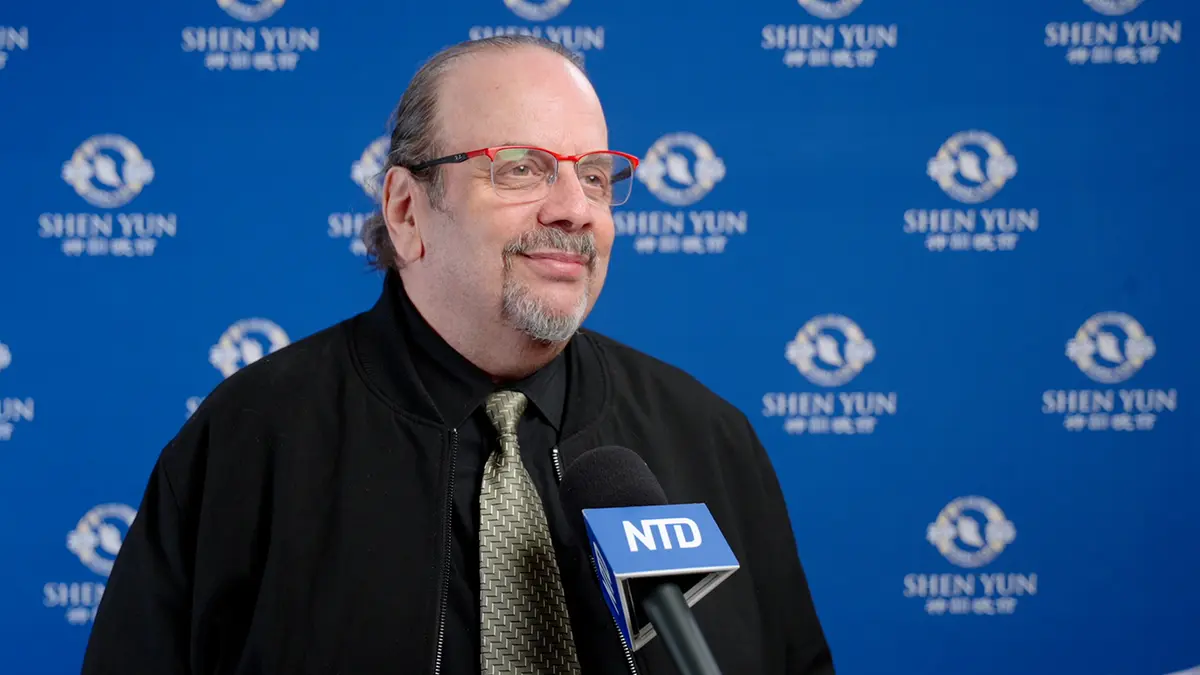
On the afternoon of April 19, Akiba Michiaki, a former executive at a globally renowned airline, attended the fourth and final performance by Shen Yun New Era Company at the Kamakura Performing Arts Center.
“I was impressed by the dancers’ technique, teamwork, and the strength of the male performers,” he said. “I also admired the grace, beauty, and softness of the female performers. The ‘hard’ and ‘soft’ elements were fused together wonderfully, making the performance very enjoyable to watch.
“As a man, I find the male dancers’ performance especially remarkable. From their fingertips to their toes, every movement is filled with strength. They are an exceptionally refined and outstanding group,” he added.
Citing Mongolian dance as the epitome of male dance, Mr. Akiba remarked, “It was very powerful. Set against the backdrop of the vast Mongolian grasslands, it conveyed a different kind of strength. I felt that the dancers embodied the spirit of Mongolian men—their inner energy was expressed outwardly, creating a sense of exhilaration and resonance for the audience.”
Mr. Akiba also praised the musical accompaniment, noting its distinctive Chinese style. “The melodies are largely traditional and not something we often hear in Japan, which gives them a strong sense of nostalgia,” he said. “The music surrounds the audience with a gentle feeling—it is truly comforting.”
He added that the orchestration was “of a very high standard,” with “excellent balance between Eastern and Western instruments,” and credited the conductor’s skill for achieving such harmony.
He was equally impressed by the soprano. “Her voice was beautifully clear and resonant, filling the hall,” he said. “It felt as though she was guiding the audience upward toward the heavens, while, at the same time, enveloping everyone with her voice. The piano accompaniment was also very comfortable and natural—overall, it was an excellent performance.”
“It feels only natural,” he said. “I believe we are protected by something greater. Whether one perceives it as a god or a Buddha depends on the individual, but that presence exists.”
He also noted that this idea aligns with Shen Yun’s opening piece depicting divine beings descending to establish human civilization.
‘We Must Not Allow 5,000 Years of Culture to Fade Away’
Several audience members who were interviewed in Kamakura expressed deep appreciation for traditional Chinese culture, emphasizing that it remains an invaluable heritage. They noted that Shen Yun’s efforts to revive traditional values are significant not only for China but also for audiences worldwide. In particular, they urged, “We must not allow 5,000 years of culture to fade away.”“Shen Yun, originating from the United States, has been making continuous efforts to promote traditional culture through art. I truly respect and admire their dedication and hard work,” he said.
He also drew a contrast with contemporary society in China, saying, “Modern China is dominated by a ‘winner-takes-all’ mentality and a spirit of competition. It is precisely in such an environment that traditional values like these are most needed.”
Company president and architect Nakayama Yoshikazu was equally moved, noting that the performers conveyed something far beyond technical skill. “The artists are not merely portraying their roles—they perform with a greater sense of mission, something that could be described as a ‘higher purpose.’ It is truly a remarkable achievement,” he said.
Reflecting further, Mr. Nakayama stressed the importance of preserving cultural heritage. “Once something of historical value is interrupted or lost for a period of time, it becomes extremely difficult to restore it to its original state. Therefore, traditions that should be preserved must be carefully protected,” he said.
Mr. Nakayama was saddened by the cultural loss in China: “They have lost far too much of their tradition,” he lamented.